EN
EN

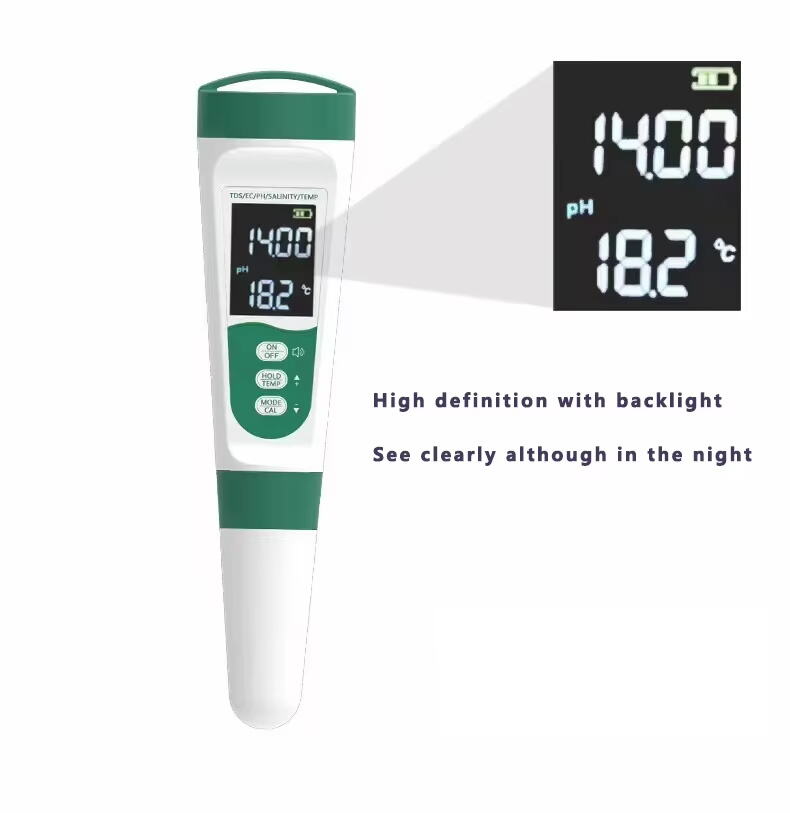
Die monitering van omgewingsnalewing het toenemend kritiek geword soos regulêre standaarde wêreldwyd strenger word binne alle bedrywe. Die noukeurigheid van meetinstrumente, veral pH-td-sec-meters, speel 'n sleutelrol om te verseker dat organisasies aan streng omgewingsvereistes voldoen. Hierdie gevorderde toestelle meet pH-vlae, totale opgeloste vastestowwe en elektriese geleidingsvermoë gelyktydig, en verskaf dus volledige waterkwaliteitsbeoordelings wat deur regulêre liggame vereis word. Wanneer die noukeurigheid van pH-td-sec-komponente gekompromitteer word, strek die gevolge verder as net eenvoudige meetfoute en kan dit moontlik tot regulêre oortredings, omgewingsbeskadiging en beduidende finansiële boetes lei.
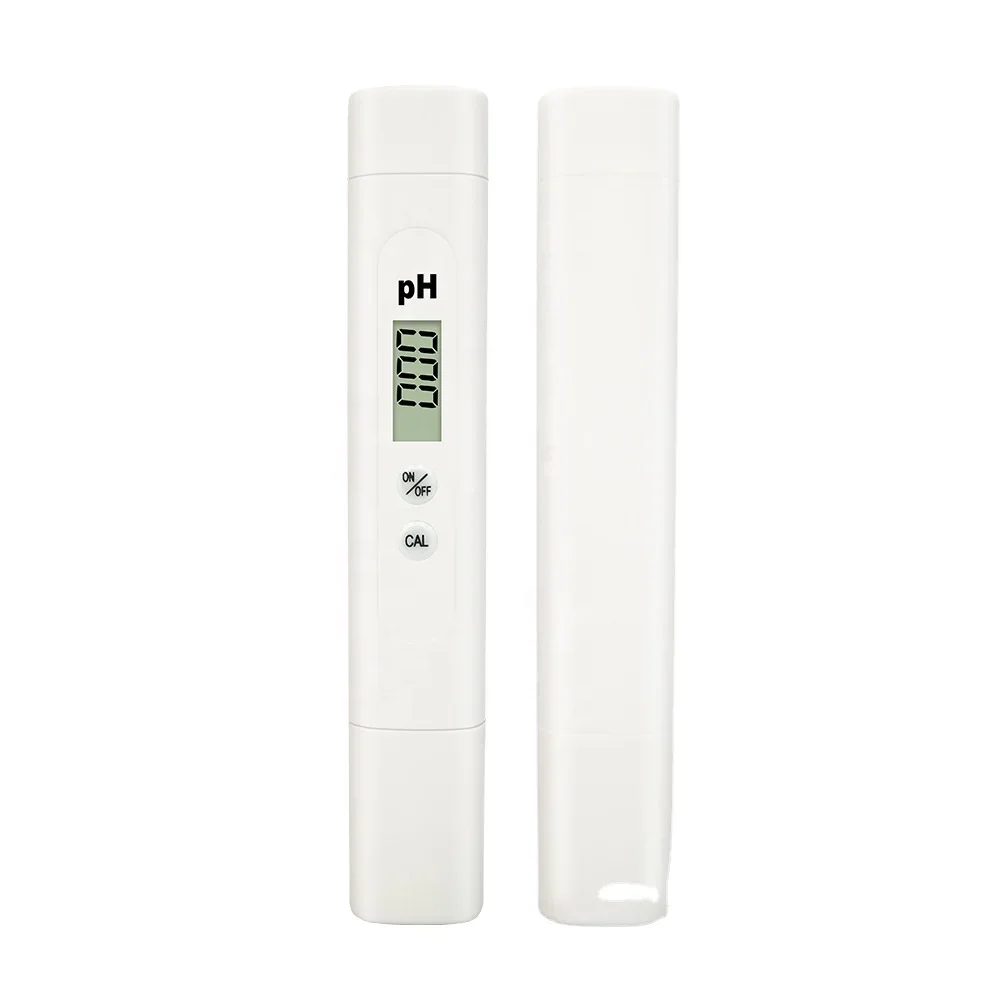
Die verhouding tussen instrumentpresisie en regulêre nakoming is ingewikkeld en behels verskeie belanghebbendes, insluitend omgewingsagentskappe, industriële operateurs en toetslaboratoriums. Moderne omgewingsreëls vereis noukeurige dokumentasie van waterkwaliteitsparameters, wat die keuse en kalibrering van pH-td-sec-instrumente 'n kritieke bedryfsaangeleentheid maak. Organisasies wat die belangrikheid van meetakkuraatheid ignoreer, vind dikwels hulself voor 'n kostelike herstelproses en regulêre strafmaatreëls wat deur gepaste instrumentasiestandarde vermy kon word.
Begrip van omgewingsnakomingsstandaarde
Vereistes van die regulêre raamwerk
Milieukompliansiestandarde wissel aansienlik tussen verskillende regstellingsgebiede en nywe, maar hulle deel algemene vereistes vir akkurate waterkwaliteitsmonitoring. Federale agentskappe soos die Agentskap vir Milieubeskerming stel basiese standaarde vas wat aanvaarbare pH-vlae, opgeloste vastestowwe-konsentrasies en geleidingsvermoënskappe vir verskillende waterliggame beheer. Hierdie regulasies voorskryf spesifieke meetprotokolle en akkuraatheidsdrempels wat pH-td-sec-instrumente moet bereik om regsaanvaarbare data te genereer. Kompliansiebeamptes moet verstaan dat regulatoriese aanvaarding nie net daarop berus dat numeriese perke nagekom word nie, maar ook dat meetbetroubaarheid aangetoon word deur behoorlike kalibrasie- en dokumentasieprosedures.
Die kompleksiteit van moderne omgewingsreëls strek verder as eenvoudige parametergrense en sluit gedetailleerde vereistes vir meetfrekwensie, monstersnemeprotokolle en data-opnameprosedures in. pH-td-sec-instrumente wat vir nakomingmonitoring gebruik word, moet in staat wees om konsekwente, natrekbare resultate te lewer wat regulerende ondersoek kan weerstaan. Hierdie vereiste word veral uitdagend wanneer dinamiese omgewingstelsels gemeet word waar pH-, geleidingsvermoë- en opgeloste vastestofvlakke vinnig wissel as gevolg van natuurlike of industriële prosesse.
Dokumentasie- en Verslagdoeningstandaarde
Reguleringsnalewing vereis omvattende dokumentasie wat die akkuraatheid en betroubaarheid van pH-td-sec-metings oor lang periodes aantoon. Omgewingsagentskappe verwag noukeurige rekords wat kalibrasieprosedures, metingsonsekerhede en gehaltebeheertoetse wat op moniteringsuitrusting uitgevoer is, beskryf. Hierdie dokumentasievereistes dien verskeie doeleindes, insluitend die waarborg van data-integriteit, die vergemaklik van reguleringsoudits en die voorsiening van bewys van nodige sorgvuldigheid in omgewingsbestuur. Organisasies moet robuuste data-bestuurstelsels daarstel wat nie net meetresultate vaslê nie, maar ook metadata wat instrumentprestasie en kalibrasiestatus beskryf.
Die regtelike implikasies van ontoereikende dokumentasie kan ernstig wees, veral wanneer omgewingsvoorvalle voorkom of daar verdag word van regulêre oortredings. Howe en regulêre tribunale ondersoek dikwels metingsrekords om te bepaal of organisasies redelike versigtigheid in die monitering van omgewingsparameters uitgeoefen het. TD-SEK-data wat nie gepas gekalibreer is nie of bewyse van instrumentdryf toon, kan as onbetroubaar beskou word, wat moontlik 'n organisasie se verdediging in handhawingsprosesse ondermyn.
Impak van Metingsakkuraatheid op Nalewingsuitkomste
Vals Positiewe en Vals Negatiewe Resultate
Onakkurate pH-td-sek-metings kan beide vals positiewe en vals negatiewe nakomingsresultate produseer, elk met sy eie unieke risiko's en gevolge. Vals positiewe resultate tree op wanneer instrumente nakomingsoortredings aandui wat nie werklik bestaan nie, wat lei tot onnodige korrektiewe optredes, bedryfsversteurings en verspilling van hulpbronne. Alhoewel vals positiewe resultate dalk vanuit 'n risikobestuursoogpunt verkies word, kan dit vertroue in moniteringstelsels ondermyn en lei tot oor-konservatiewe bedryfspraktyke wat koste verhoog sonder ooreenstemmende omgewingsvoordele.
Valse negatiewe resultate verteenwoordig 'n meer ernstige risiko, aangesien dit werklike nalewingsoortredings kan verberg en nodige korrektiewe optredes kan uitstel. Wanneer PH-td-sec-instrumente nie werklike oorskrydings van regulêre beperkings opspoor nie, kan organisasies onbewus voortgaan met praktyke wat die omgewingskwaliteit benadeel. Die gevolge van valse negatiewe resultate kan insluit toenemende omgewingskade, hoër herstelkoste en strenger regulêre strafmaatreëls wanneer oortredings uiteindelik deur alternatiewe moniteringsmetodes of regulêre inspeksies ontdek word.
Ekonomiese gevolge van meetfoute
Die ekonomiese impak van metingsfoute in pH-, TD- en SEC-metings strek deur 'n organisasie se bedrywighede, en beïnvloed alles van routine-nalewingskoste tot groot kapitaaluitgawes. Onakkurate metings kan onnodige opgraderings van behandelingstelsels, prosesveranderinge of bedryfsbeperkings veroorsaak wat met akkurate instrumentering vermy kon word. Hierdie koste kan veral aansienlik wees in nywe waar omgewingsnalewing duur behandelings tegnologieë of prosesveranderinge vereis wat die produksiedoeltreffendheid beïnvloed.
Langtermyn-ekonomiese gevolge van metingsonakkuraatheid sluit in verhoogde regulêre toesig, meer gereelde inspeksies en moontlike vereistes vir verbeterde moniteringstelsels. Organisasies met geskiedenisse van metingsverwante nakomingskwessies kan verhoogde skrynwerking ondergaan wat addisionele hulpbronne vereis vir regulêre koppeling, uitgebreide moniteringsprogramme en meer gereelde kalibrasie van toerusting. Die kumulatiewe koste van hierdie verbeterde toesigvereistes oorskry dikwels die aanvanklike belegging wat benodig word vir hoë-kwaliteit ph td sec instrumentering.
Tegniese Faktore wat Metingspresisie Beïnvloed
Kalibrasie- en onderhoudsprotokolle
Behoorlike kalibrasie vorm die grondslag van akkurate pH, td en sec-metings in toepassings vir omgewingsnalewingmonitoring. Kalibrasieprotokolle moet die unieke uitdagings wat deur veldmonitoringtoestande aangebring word, aanspreek, insluitend temperatuurvariasies, monstermatriks-effekte en langtermyninstrumentstabiliteit. Die meeste regulêre raamwerke spesifiseer minimum kalibrasiefrekwensies, maar optimale praktyke vereis dikwels meer gereelde kalibrasiekontroles om metingsakkuraatheid binne aanvaarbare grense te handhaaf. Die keuse van toepaslike kalibrasiestandarde word kritiek, aangesien hierdie verwysingsmateriaal traceerbaar moet wees na nasionale standaarde en geskik moet wees vir die verwagte meetreeks.
Onderhoudprotokolle vir ph-td-sec-instrumente moet beide rutienreinigingsprosedures en meer komplekse probleemoplossingsaktiwiteite aanspreek. Toepassings vir omgewingsmonitoring stel instrumente dikwels bloot aan uitdagende toestande wat die meetakkuraatheid kan beïnvloed, insluitend besoedeling deur biologiese groei, interferensie vanaf verspreide vastestowwe en korrosie as gevolg van aggressiewe chemiese omgewings. Effektiewe onderhoudprogramme sluit preventiewe maatreëls in wat hierdie impakte tot 'n minimum beperk, terwyl prosedures daar gestel word vir 'n vinnige reaksie op instrumentfoute of dryfgebeure.
Omgewingsfaktore en Meetstabiliteit
Omgewingsomstandighede by moniteringsplekke beïnvloed betekenisvol die akkuraatheid van pH, TD en SEC-metings sowel as die langtermynstabiliteit van die instrumente. Temperatuurswankings beïnvloed beide die fundamentele meetbeginsels en die prestasie van elektroniese komponente binne die instrumente. Die meeste moderne pH-, TD- en SEC-meter het outomatiese temperatuurkompensasie-kenmerke ingebou, maar hierdie stelsels het beperkings wat onder ekstreme omstandighede of vinnige temperatuurveranderings duidelik word. 'n Begrip van hierdie beperkings help bedieners om toepaslike meetprotokolle te stel en resultate korrek te interpreteer.
Interferensie vanaf ander chemiese spesies wat in omgewingsmonsters teenwoordig is, kan die akkuraatheid van pH-td-sekondêre metings kompromitteer op maniere wat nie dadelik vir operateurs sigbaar is nie. Komplekse monstermatrices wat hoë vlakke opgeloste organiese stowwe, verspreide vastowwe of ongebruiklike ioniese samestellings bevat, kan die elektrode-reaksie beïnvloed of meetfoute inbreng wat aanhou bestaan ten spyte van behoorlike kalibrasieprosedures. Die erkenning van hierdie interferensie-effekte vereis voortdurende validering deur alternatiewe analitiese metodes of vergelyking met verwysingsmetings.
Beste Praktyke vir die Waarborg van Meetbetroubaarheid
Instrumentkeuse en Spesifikasies
Die keuse van toepaslike pH-, td- en sec-instrumente vir omgewingsvertoonbewaking vereis noukeurige oorweging van regulêre vereistes, werf-spesifieke toestande en langtermynbedryfsbehoeftes. Instrumentspesifikasies moet strook met die presisie- en akkuraatheidvereistes wat deur die toepaslike omgewingsregulasies vasgestel is, terwyl dit ook voldoende prestasiemarge bied om rekening te hou met ouerwordingseffekte en bedryfsveranderlikheid. Die besluit tussen draagbare en vasgeinstalleerde instrumente hang af van die moniteringsfrekwensie, toeganklikheid van die werf en die behoefte aan kontinue teenoor periodieke metings.
Gevorderde pH-, TD- en sekondêre instrumente bied eienskappe wat die betroubaarheid van metings en voldoening aan regulêre vereistes verbeter, insluitend data-logboekfunksies, afstand-kommunikasieopsies en geïntegreerde gehalteversekeringsfunksies. Hierdie eienskappe word veral waardevol in toepassings waar die meetfrekwensie hoog is of waar onmiddellike kennisgewing van oortredings van regulêre vereistes vereis word. Gevorderde eienskappe bring egter ook kompleksiteit mee wat teenoor operateuropleidingsvereistes en onderhoudsvermoëns gebalanseer moet word.
Gehalteversekerings- en Valideringsprosedures
Grootsgeskrewe gehalteversekeringsprogramme vir pH-, td- en sec-metings sluit verskeie vlakke van verifikasie en validasie in om datavertrouenswaardigheid te verseker. Hierdie programme sluit gewoonlik gereelde prestasietoetse met sertifiseerde verwysingsmateriale, vergelykende metings met onafhanklike analitiese metodes, en statistiese ontleding van meettendense in om moontlike instrumentdryf of sistematiese foute te identifiseer. Die frekwensie en omvang van gehalteversekeringsaktiwiteite moet die kritikaliteit van die metings vir nakomingdoeleindes en die gevolge van moontlike meetfoute weerspieël.
Valideringsprosedures moet aantoon dat pH TDS sekondêre metings akkuraat die werklike omgewingsomstandighede gedurende die moniteringsperiode weerspieël. Hierdie vereiste word uitdagend in dinamiese sisteme waar pH-, geleidingsvermoë- en opgeloste vastestofvlakke vinnig verander as gevolg van natuurlike prosesse of bedryfsaktiwiteite. Effektiewe valideringsprogramme sluit beide tydsgelyke verifikasiemetodes en periodieke, omvattende assesserings in wat die algehele stelselprestasie onder verskeie bedryfsomstandighede evalueer.
Tegnologiese vooruitgang in pH-, TDS- en EC-monitering
Digitale integrasie en afstandmonitering
Moderne pH-td-sek-instrumente sluit toenemend digitale kommunikasievermoë in wat afstandstoeziende en outomatiese data-insamelingsstelsels moontlik maak. Hierdie tegnologiese vooruitgang bied beduidende voordele vir omgewingsregskonformiteitsmonitoring, insluitend verminderde blootstelling van operateurs aan gevaarlike toestande, verbeterde frekwensie van data-insameling en 'n verbeterde vermoë om vinnig op oorskrydings van regskonformiteit te reageer. Digitale integrasie fasiliteer ook meer gesofistikeerde data-analise-tegnieke wat tendense en patrone kan identifiseer wat nie uit afsonderlike metings sigbaar is nie.
Verre moniteringsvermoëns transformeer pH, TD en sekondêre data van geïsoleerde metings na komponente van omvattende omgewingsbestuurstelsels. Integrering met toesighoudende beheer- en data-inwinsisteme stel bedryfsleiers in staat om waterkwaliteitsmetings met prosesbedryf, weerstoestande en ander faktore wat omgewingsnalewing beïnvloed, te korrelateer. Hierdie holistiese benadering maak meer doeltreffende nalewingsbestuur moontlik en kan help om geleenthede vir prosesoptimering te identifiseer wat terselfdertyd omgewingsprestasie en bedryfsdoeltreffendheid verbeter.
Sensor-tegnologie en meetinnovasie
Onlangse vooruitgang in sensortegnologie het die akkuraatheid, stabiliteit en betroubaarheid van pH-td-sek-metings onder uitdagende omgewingsomstandighede verbeter. Nuwe elektrodeontwerpe sluit materiale en geometrieë in wat weerstand bied teen besoedeling, stabiele kalibrasies oor lang periodes handhaaf en betroubare metings in komplekse monstermatrise verskaf. Hierdie verbeteringe kom omgewingsnalewingstoezicht direk ten goede deur onderhoudsvereistes te verminder en die intervalle tussen kalibrasiekontroles te verleng.
Innovasie in meetalgoritmes en seinverwerkings tegnieke stel pH-td-sec-instrumente in staat om akkurater resultate te verskaf, ten spyte van steuring deur omgewingsfaktore of monsterkompleksiteit. Gevorderde instrumente kan outomaties baie algemene bronne van meetfoute opspoor en vir hulle kompenseer, wat die waarskynlikheid van vals-nalewingsbepalings verminder. Hierdie gesofistikeerde stelsels vereis egter toepaslike operateuropleiding om te verseker dat outomatiese funksies behoorlik verstaan en vir spesifieke toepassings gevalideer word.
Implementeringsstrategieë vir Nalewingsprogramme
Opleiding en Personeelontwikkeling
Suksesvolle implementering van PH-, TD- en SEC-toepassingsprogramme vir omgewingsnalewing vereis omvattende opleidingsprogramme wat beide die tegniese en regulêre aspekte van waterkwaliteitsmeting aanspreek. Personeel moet nie net verstaan hoe om instrumente korrek te bedryf nie, maar ook hoe metingsakkuraatheid die nalewingsresultate beïnvloed en watter prosedures nodig is om die regulêre verdedigbaarheid van data te handhaaf. Opleidingsprogramme moet kalibrasieprosedures, fouteopsporings tegnieke, data-interpretasiemetodes en dokumentasievereistes insluit.
Voortdurende personeelontwikkeling word krities soos wetgewing ontwikkel en meettegnologieë vooruitgaan. Organisasies moet stelsels daarstel vir die opdatering van opleidingsmateriaal, die deling van beste praktyke tussen operateurs, en waarborg dat personeel op datum bly met regulêre vereistes. Die kompleksiteit van moderne pH-td-sec-instrumente vereis voortdurende leer om hul vermoëns ten volle te benut en optimale prestasie in toepassings vir nalewingsmonitoring te handhaaf.
Stelselintegrasie en Prosesoptimering
Doeltreffende pH-td-sek-monitoringprogramme integreer metingsaktiwiteite met breër omgewingsbestuurstelsels om beide nakomingsresultate en bedryfsdoeltreffendheid te optimaliseer. Hierdie integrasie vereis noukeurige samewerking tussen monitorpersoneel, prosesoperateurs en personeel vir regulêre sake om te verseker dat meetdata besluitneming op die toepaslike organisatoriese vlakke ondersteun. Suksesvolle programme stel duidelike kommunikasiestrale vas vir die deel van meetresultate en die koördinering van reaksies op nakomingskwessies.
Prosesoptimaliseringsgeleenthede ontstaan dikwels uit 'n noukeurige analise van pH td sec-metingstendense en hul verhouding tot bedryfsveranderlikes. Organisasies wat omvangryke metingsdatabasisse onderhou, kan prosesveranderinge identifiseer wat die omgewingsprestasie verbeter terwyl dit gelyktydig die koste vir nakomingmonitoring verminder. Hierdie optimaliseringsinspannings vereis gesofistikeerde data-analisevermoëns en noue samewerking tussen omgewings- en bedryfspersoneel.
VEE
Hoe dikwels moet pH td sec-instrumente gekalibreer word vir nakomingmonitoring?
Die kalibrasiefrekwensie vir pH TD SEC-instrumente hang af van die regulêre vereistes, die meetkritikaliteit en die omgewingsomstandighede by die moniteringsplek. Die meeste omgewingsregulasies spesifiseer minimum kalibrasie-intervalle, wat gewoonlik wissel van daagliks tot maandeliks, afhangende van die toepassing. Best practice vereis egter dikwels meer gereelde kalibrasiekontroles, veral in toepassings waar meetakkuraatheid direk invloed het op nakomingbesluite. Instrumente wat in uitdagende omgewingsomstandighede of kritieke nakomingtoepassings gebruik word, kan daaglikse of selfs verskeie daaglikse kalibrasiekontroles vereis om aanvaarbare akkuraatheid te handhaaf.
Watter dokumentasie is vereis om die betroubaarheid van pH TD SEC-metings te demonstreer?
Die dokumentasie vir omgewingsverpligting vir pH TD SEC-metings moet kalibreringsrekords, resultate van gehaltebeheertoetse, onderhoudslogs en opvoedingsrekords vir operateurs insluit. Regulerende agentskappe vereis gewoonlik bewys van gereelde kalibrering met gebruik van geseënde verwysingsstandaarde, dokumentasie van enige onderhouds- of herstelaktiwiteite, en rekords wat aandui dat operateurs gekwalifiseer is om metings uit te voer. Addisionele dokumentasie kan insluit metingsonsekerheidanalises, validasiestudies wat pH TD SEC-resultate met verwysingsmetodes vergelyk, en prosedures vir die hantering van instrumentfoute of dataanomalieë.
Kan weerstoestande die akkuraatheid van pH TD SEC-metings in buitemonitoringtoepassings beïnvloed?
Weeromstandighede kan 'n beduidende impak hê op die akkuraatheid van pH, TD en SEC-metings in buitelug-omgewingsmonitoringtoepassings. Temperatuurswankings beïnvloed die elektrode-reaksie en elektroniese stabiliteit, terwyl reënval monsters kan verdun en hul chemiese samestelling kan verander. Ekstreme temperature kan instrumentfoute of dryf buite aanvaarbare grense veroorsaak. Wind en veranderinge in atmosferiese druk kan ook die meetstabiliteit beïnvloed. Suksesvolle buitelugmonitoringprogramme sluit weerbeskerming vir instrumente, temperatuurkompensasie-kenmerke en protokolle vir die aanpassing van meetprosedures onder nadelige omstandighede in.
Wat is die mees algemene bronne van foute in omgewings-pH-, TD- en SEC-metings?
Gewone bronne van foute in omgewings-pH-td-sek-metings sluit onvoldoende kalibrasieprosedures, elektrodebesoedeling of -ouwording, temperatuur-effekte en interferensie van monstersmatrikskomponente in. Kalibrasiefoute word dikwels veroorsaak deur die gebruik van verstrykte verwysingsstandaarde, onvoldoende ekwilibrasietyd of die versuim om vir temperatuurverskille tussen standaarde en monsters te rekening te hou. Elektrodeprobleme kan geleidelik ontwikkel as gevolg van besoedeling deur biologiese groei of chemiese afsettings, wat tot metingsdryf kan lei wat nie noodwendig dadelik waarneembaar is nie. Monstersmatrikseffekte, soos hoë vlakke van verspreide vastestowwe of ongewone ioniese samestellings, kan die elektrode-reaksie versteur en die meetakkuraatheid kompromitteer, selfs wanneer instrumente behoorlik gekalibreer is.
Inhoudsopgawe
- Begrip van omgewingsnakomingsstandaarde
- Impak van Metingsakkuraatheid op Nalewingsuitkomste
- Tegniese Faktore wat Metingspresisie Beïnvloed
- Beste Praktyke vir die Waarborg van Meetbetroubaarheid
- Tegnologiese vooruitgang in pH-, TDS- en EC-monitering
- Implementeringsstrategieë vir Nalewingsprogramme
-
VEE
- Hoe dikwels moet pH td sec-instrumente gekalibreer word vir nakomingmonitoring?
- Watter dokumentasie is vereis om die betroubaarheid van pH TD SEC-metings te demonstreer?
- Kan weerstoestande die akkuraatheid van pH TD SEC-metings in buitemonitoringtoepassings beïnvloed?
- Wat is die mees algemene bronne van foute in omgewings-pH-, TD- en SEC-metings?