EN
EN


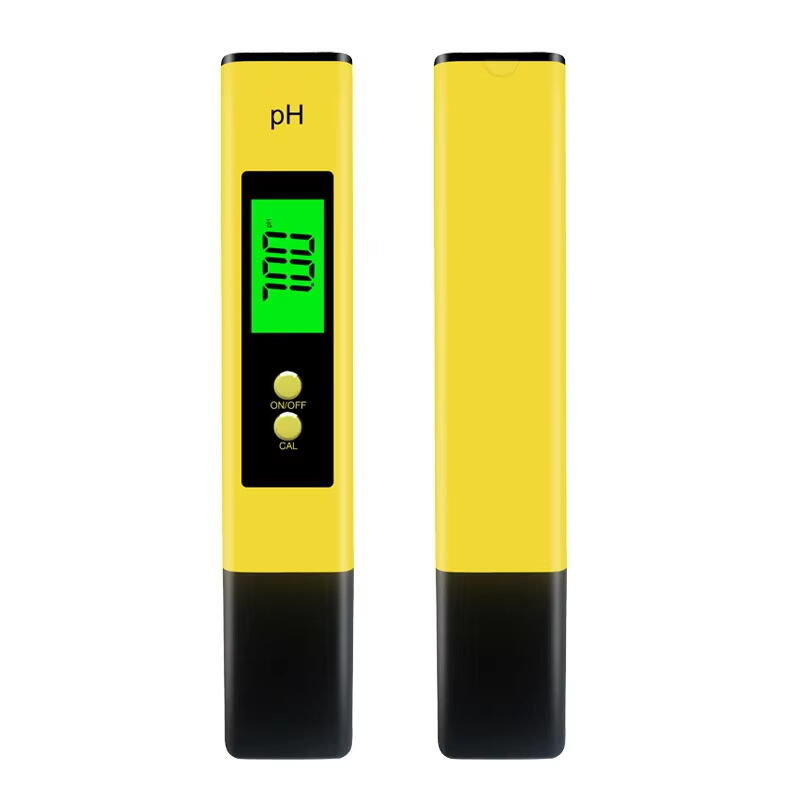
Maintaining optimal soil moisture levels represents one of the most critical aspects of successful agriculture, gardening, and landscape management. Professional growers and home gardeners alike face the constant challenge of providing adequate hydration without causing root damage through overwatering or allowing plants to suffer from drought stress. Modern technology offers sophisticated solutions through precision measurement tools that eliminate guesswork and deliver accurate, real-time data about soil conditions.
Agricultural professionals increasingly rely on scientific approaches to irrigation management, moving away from traditional methods based on visual cues or fixed schedules. These advanced measurement systems provide essential data that enables precise water application, resulting in healthier plants, improved yields, and more efficient resource utilization. Understanding how these instruments function and their practical applications can transform agricultural practices and gardening outcomes.
Understanding Soil Moisture Measurement Technology
Electronic Sensor Mechanisms
Electronic measurement systems utilize sophisticated sensor technology to detect moisture content within soil matrices. These devices employ various methodologies including capacitance measurement, resistance analysis, and frequency domain reflectometry to provide accurate readings. Advanced models incorporate multiple sensors that simultaneously monitor temperature, pH levels, and light conditions alongside moisture content.
The precision of modern electronic sensors significantly surpasses traditional measurement methods. Digital displays provide immediate feedback with numerical values, eliminating subjective interpretation that often leads to irrigation errors. Professional-grade instruments offer calibration capabilities for different soil types, ensuring consistent accuracy across various growing conditions and substrates.
Measurement Accuracy and Calibration
Calibration procedures ensure optimal performance across different soil compositions and environmental conditions. High-quality instruments provide adjustable settings for clay, sand, loam, and specialized growing media. Regular calibration maintains measurement precision and extends instrument lifespan while delivering reliable data for informed irrigation decisions.
Temperature compensation features automatically adjust readings based on ambient conditions, preventing thermal fluctuations from affecting moisture measurements. This technological advancement ensures consistent accuracy throughout seasonal changes and varying weather patterns, providing dependable information for critical irrigation timing decisions.
Preventing Overwatering Through Precision Monitoring
Root Zone Health Protection
Excessive soil moisture creates anaerobic conditions that severely damage plant root systems and promote harmful bacterial growth. Continuous monitoring prevents these destructive conditions by providing early warning when moisture levels approach dangerous thresholds. Professional soil moisture meters enable precise control over irrigation timing and duration, maintaining optimal oxygen levels within root zones.
Waterlogged conditions compromise nutrient uptake efficiency and increase susceptibility to fungal infections and root rot. Strategic monitoring allows growers to maintain moisture levels within optimal ranges that support healthy root development while preventing oversaturation. This balanced approach promotes vigorous plant growth and reduces disease pressure throughout growing seasons.
Water Conservation Benefits
Precision irrigation based on accurate moisture measurements significantly reduces water consumption while maintaining plant health. Data-driven irrigation schedules eliminate unnecessary watering cycles, conserving valuable water resources and reducing operational costs. Environmental sustainability improves through reduced runoff and groundwater contamination risks associated with excessive irrigation practices.
Economic benefits include reduced water bills, decreased fertilizer losses through leaching, and improved crop yields through optimal growing conditions. Professional operations report water savings of twenty to thirty percent when implementing precision monitoring systems compared to traditional irrigation methods. These efficiency gains translate to substantial cost reductions in commercial agricultural operations.
Drought Stress Prevention Strategies
Early Warning Detection
Advanced monitoring systems provide critical early detection of declining soil moisture levels before visible plant stress symptoms appear. This proactive approach enables timely irrigation interventions that prevent permanent damage to crop yields and plant health. Early detection capabilities prove especially valuable during unpredictable weather patterns or extended dry periods.
Wireless monitoring systems can transmit alerts to mobile devices, enabling remote monitoring of field conditions and immediate response to changing moisture levels. This technology proves invaluable for large-scale operations where manual monitoring becomes impractical. Automated alert systems ensure no critical moisture threshold goes unnoticed, protecting valuable crops from drought damage.
Optimal Irrigation Timing
Scientific moisture measurement eliminates guesswork in irrigation scheduling, ensuring water application occurs at optimal times for maximum plant uptake. Evening and early morning irrigation schedules based on precise moisture data reduce evaporation losses while providing adequate hydration during peak plant uptake periods. This strategic timing maximizes irrigation efficiency and plant health outcomes.
Soil texture and composition influence optimal moisture thresholds, making universal irrigation schedules ineffective across diverse growing conditions. Customized monitoring approaches account for these variables, providing site-specific irrigation recommendations that optimize water use efficiency while preventing drought stress in varying soil environments.
Application Across Different Growing Environments
Agricultural Field Management
Large-scale agricultural operations benefit tremendously from systematic moisture monitoring across diverse field conditions. Variable rate irrigation systems integrate with monitoring data to deliver precise water amounts to specific field zones based on individual moisture requirements. This precision approach maximizes crop yields while minimizing input costs and environmental impact.
Crop-specific moisture requirements vary significantly throughout growing seasons, making continuous monitoring essential for optimal production outcomes. Professional monitoring systems provide historical data analysis capabilities that improve future irrigation planning and seasonal water management strategies. This accumulated knowledge enhances long-term agricultural productivity and sustainability practices.
Greenhouse and Controlled Environment Applications
Controlled environment agriculture requires precise moisture management to maintain optimal growing conditions throughout production cycles. Greenhouse operations utilize sophisticated monitoring networks that integrate with climate control systems for automated irrigation responses. This integration ensures consistent growing conditions that maximize plant productivity and product quality.
Container growing systems present unique challenges requiring specialized monitoring approaches adapted to limited root zones and artificial growing media. Professional-grade instruments provide accurate measurements in potting mixes, hydroponic substrates, and soilless growing systems. These specialized applications demand precise calibration and understanding of substrate-specific moisture characteristics.
Technology Integration and Automation Benefits
Smart Irrigation System Integration
Modern monitoring devices seamlessly integrate with automated irrigation controllers, creating responsive systems that adjust watering schedules based on real-time soil conditions. These integrated systems reduce labor requirements while improving irrigation precision and consistency. Smart technology eliminates human error in irrigation timing and duration decisions.
Wireless connectivity enables remote monitoring and control capabilities that prove especially valuable for commercial operations managing multiple growing sites. Cloud-based data storage provides historical analysis capabilities that inform long-term irrigation strategies and seasonal planning decisions. This technological integration represents the future of precision agriculture and sustainable growing practices.
Data Analysis and Decision Making
Comprehensive data collection capabilities provide valuable insights into soil behavior patterns, plant water consumption rates, and optimal irrigation frequencies. Historical data analysis reveals trends that inform improved irrigation strategies and resource allocation decisions. Professional operations utilize this information to optimize production schedules and resource planning.
Predictive analytics based on monitoring data enable proactive irrigation management that anticipates plant needs before stress conditions develop. Machine learning algorithms can identify patterns in soil moisture fluctuations that correlate with weather patterns, plant growth stages, and seasonal variations. This advanced analysis capability transforms reactive irrigation practices into proactive management strategies.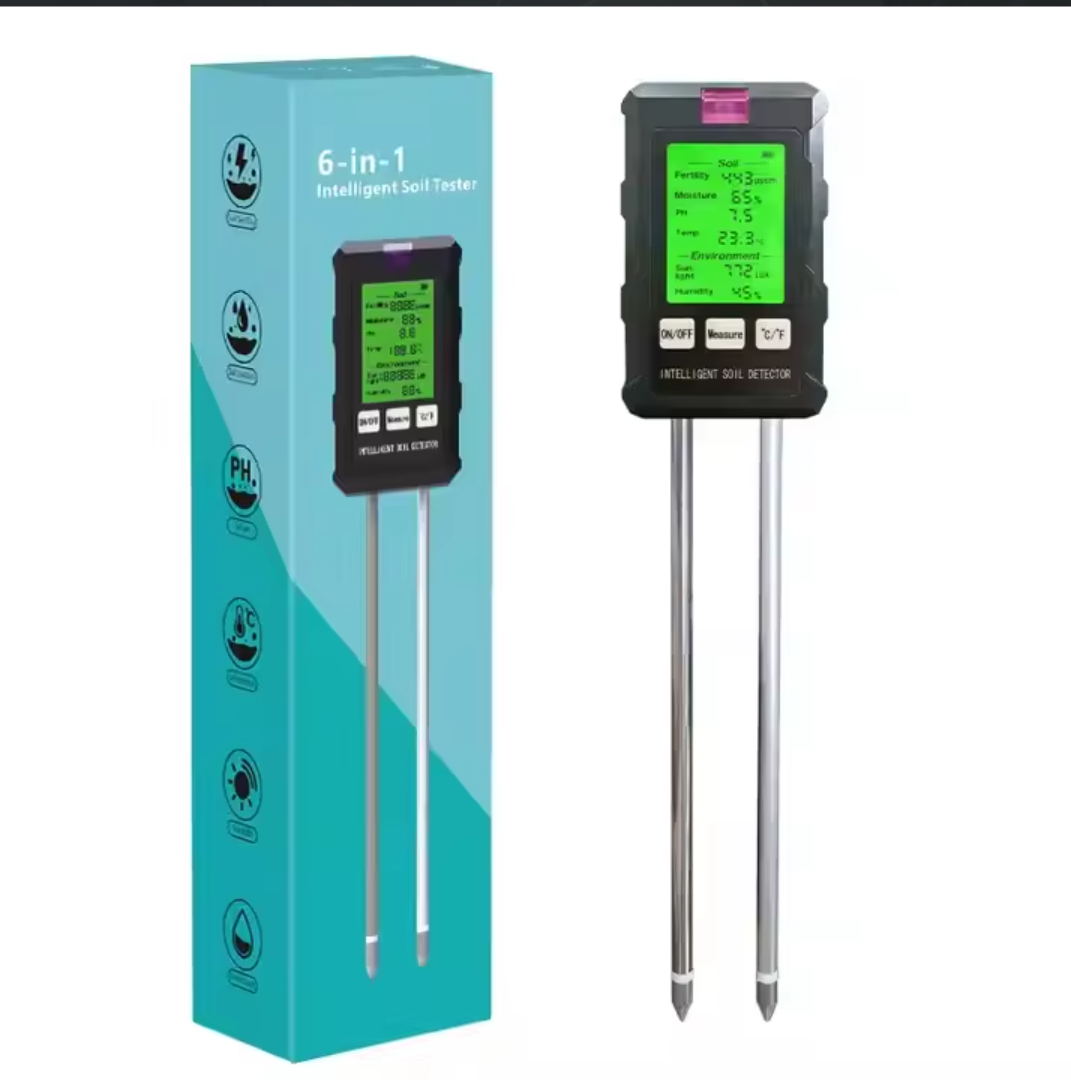
FAQ
What accuracy level should I expect from professional soil moisture measurement devices?
Professional-grade electronic instruments typically provide accuracy within plus or minus two to three percent of actual soil moisture content. High-end models with multiple sensor arrays and temperature compensation features achieve even greater precision. Calibration for specific soil types further improves accuracy and ensures reliable measurements across diverse growing conditions.
How frequently should soil moisture levels be monitored for optimal plant health?
Monitoring frequency depends on plant types, soil characteristics, and environmental conditions. Most agricultural applications benefit from daily measurements during active growing seasons, while established perennial crops may require less frequent monitoring. Critical growth periods such as flowering and fruit development often demand more intensive monitoring to prevent stress conditions.
Can electronic moisture measurement devices function effectively in all soil types?
Quality electronic devices work effectively across most soil types when properly calibrated for specific conditions. Clay soils, sandy substrates, and organic growing media all present unique measurement challenges that professional instruments address through adjustable calibration settings. Some specialized applications may require specific sensor types designed for particular growing media or environmental conditions.
What maintenance requirements do professional monitoring systems typically require?
Regular cleaning of sensor probes and periodic calibration checks ensure optimal performance and measurement accuracy. Battery replacement schedules vary by device type and usage intensity, with wireless models typically requiring annual battery service. Protective storage during extreme weather conditions extends instrument lifespan and maintains calibration stability over time.
Table of Contents
- Understanding Soil Moisture Measurement Technology
- Preventing Overwatering Through Precision Monitoring
- Drought Stress Prevention Strategies
- Application Across Different Growing Environments
- Technology Integration and Automation Benefits
-
FAQ
- What accuracy level should I expect from professional soil moisture measurement devices?
- How frequently should soil moisture levels be monitored for optimal plant health?
- Can electronic moisture measurement devices function effectively in all soil types?
- What maintenance requirements do professional monitoring systems typically require?