EN
EN


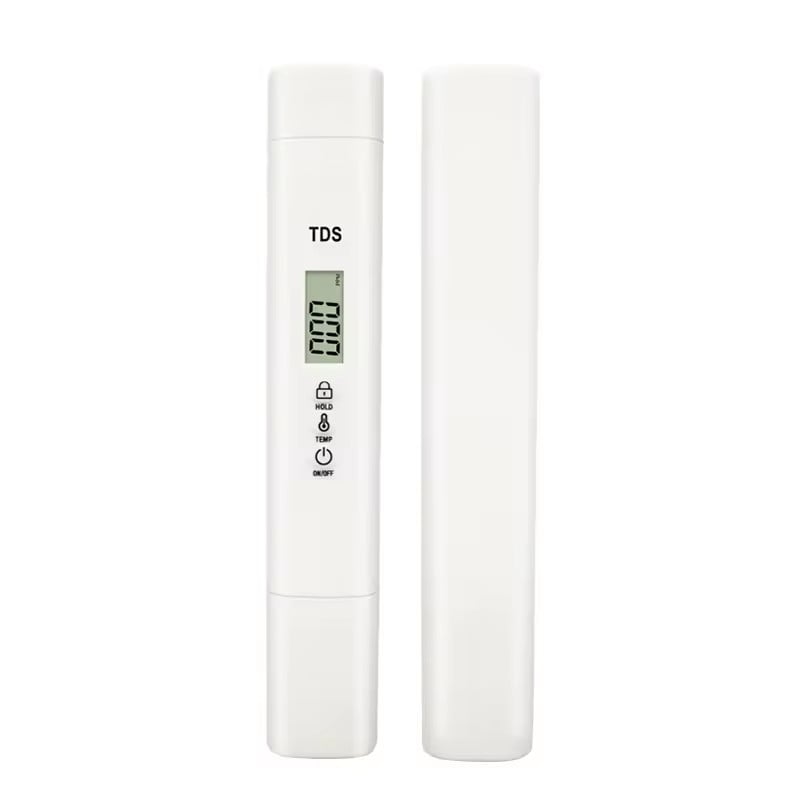
Battery life represents one of the most critical factors determining whether a portable pH meter delivers reliable field performance or becomes a frustrating liability during outdoor measurements. When fieldwork requires hours of continuous testing—whether monitoring water quality in remote locations, conducting aquaculture assessments, or managing environmental compliance—a portable pH meter with insufficient battery capacity can compromise data collection schedules and force costly equipment replacements. Understanding how battery specifications directly influence portable pH meter usability outdoors helps professionals select instruments that sustain productivity without interruption.
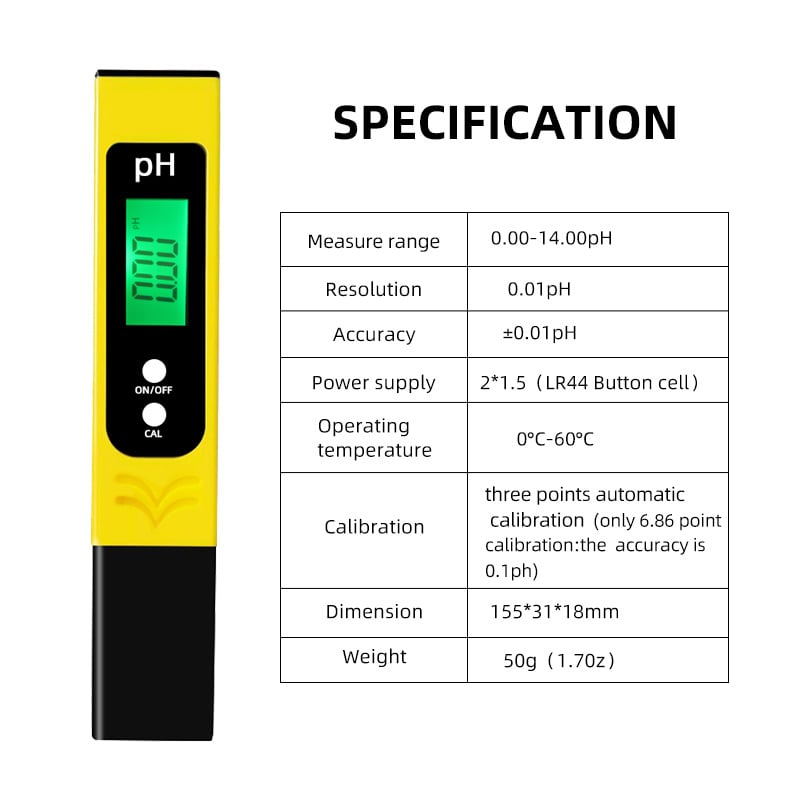
The relationship between battery capacity and portable pH meter performance extends beyond simple runtime duration. Battery degradation patterns, temperature effects on power delivery, display brightness demands, and sensor power consumption all interact to determine how long a portable pH meter functions effectively in outdoor environments. Professionals who understand these dynamics can optimize their testing workflows, plan maintenance schedules strategically, and avoid field situations where a portable pH meter fails during critical measurements.
How Battery Capacity Determines Portable pH Meter Field Operations
Understanding Runtime Requirements for Outdoor Testing
A portable pH meter deployed outdoors faces continuous power demands that differ significantly from laboratory use. The LCD display, calibration circuits, sensor electronics, and data logging functions all draw power simultaneously, and outdoor brightness often requires increased display intensity. When selecting a portable pH meter, professionals must calculate realistic daily usage patterns rather than trusting manufacturer estimates that assume ideal laboratory conditions. Standard portable pH meter models typically offer 40 to 100 hours of continuous operation, yet actual field performance often delivers 20 to 30 percent less runtime due to environmental variables.
Battery Type Impact on Portable pH Meter Reliability
Different battery technologies create distinct performance profiles for a portable pH meter in outdoor applications. Alkaline batteries offer affordability and reliable performance in moderate temperature ranges but deliver inconsistent voltage under high-humidity conditions common in water-testing environments. Lithium batteries extend runtime for a portable pH meter by 30 to 50 percent and maintain stable voltage across wider temperature ranges, yet cost three to five times more per unit. Rechargeable batteries provide long-term cost advantages for a portable pH meter used frequently, though they require access to charging infrastructure and possess lower initial voltage that may affect sensor calibration. Understanding these trade-offs helps users match battery technology to their specific portable pH meter operational demands.
Environmental Factors That Reduce Portable pH Meter Battery Performance
Temperature Effects on Portable pH Meter Power Delivery
Temperature represents the most underestimated variable affecting portable pH meter battery longevity outdoors. Cold temperatures below 50°F dramatically reduce electrochemical reaction rates within batteries, causing a portable pH meter to exhibit 40 to 60 percent shorter runtime even though the battery remains chemically intact. High humidity environments accelerate corrosion at battery terminals, introducing resistance that forces a portable pH meter's circuits to work harder and drain power faster. Water-testing applications frequently occur in precisely these challenging conditions—early morning fog, underwater assessments, tropical environments—where temperature and humidity extremes stress portable pH meter batteries beyond rated specifications.
Continuous Measurement Cycles and Power Consumption
Intensive measurement workflows consume battery power at higher rates than casual spot-checking. A portable pH meter performing ten measurements per hour with data logging enabled uses substantially more power than one taking three measurements daily. Extended electrode stabilization periods, automatic temperature compensation circuits, wireless data transmission features, and backlighting all increase portable pH meter battery drain. Professionals conducting comprehensive water quality assessments across multiple sites must account for these cumulative demands when planning battery reserves and backup supplies for their portable pH meter systems.
Optimization Strategies for Extended Portable pH Meter Battery Life
Practical Techniques to Maximize Outdoor Testing Duration
Several field-tested approaches significantly extend portable pH meter battery performance during extended outdoor campaigns. Reducing display brightness when ambient light permits cuts power consumption for a portable pH meter by 15 to 25 percent without sacrificing readability. Disabling wireless connectivity features until data download becomes necessary preserves portable pH meter battery reserves for core measurement functions. Scheduling measurements during warmer daylight hours when temperatures support optimal battery performance allows a portable pH meter to operate with better efficiency than dawn or dusk testing windows.
Maintenance Practices That Preserve Portable pH Meter Battery Health
Proper battery management extends usable life for any portable pH meter deployed repeatedly in field conditions. Removing batteries from a portable pH meter during extended storage periods prevents slow discharge and corrosion that shortens future runtime. Keeping battery compartments clean and dry protects contact surfaces that directly influence power transfer efficiency to portable pH meter electronics. Storing backup batteries in insulated pouches during outdoor work maintains stable temperatures, ensuring that a portable pH meter can access full battery capacity when primary power depletes unexpectedly.
Selecting the Right Portable pH Meter Battery Configuration for Your Needs
Evaluating Battery Life Against Your Testing Schedule
Matching portable pH meter battery specifications to actual field requirements prevents costly downtime and data loss. An operation requiring eight hours of daily portable pH meter measurements in warm climates might succeed with standard alkaline batteries, while the same portable pH meter used for ten-hour days in cold water environments absolutely requires premium lithium batteries or rechargeable solutions. The portable pH meter selection process must account for site-specific conditions—temperature range, humidity exposure, measurement frequency, and distance from support facilities—that collectively determine whether battery capacity proves adequate or insufficient.
Cost-Benefit Analysis of Battery Technology Choices
Initial equipment cost frequently underestimates the true expense of operating a portable pH meter across multiple seasons. A portable pH meter using alkaline batteries might require 100 to 150 new batteries annually for intensive operations, accumulating significant procurement and disposal costs. Investing in a portable pH meter with rechargeable battery capability reduces consumable expenses by 60 to 80 percent over three years despite higher upfront equipment investment. Operations planning long-term portable pH meter deployment should calculate five-year total cost of ownership including battery purchases, environmental impact, and operational convenience rather than focusing solely on initial purchase price.
FAQ
How many hours of battery life should a reliable outdoor portable pH meter provide?
Quality portable pH meter models typically deliver 40 to 100 hours of continuous operation under ideal laboratory conditions, though realistic field performance ranges from 20 to 70 hours depending on environmental factors, measurement intensity, and battery type. For outdoor water-testing applications, calculating a conservative estimate of 50 percent manufacturer ratings ensures a portable pH meter battery reserve remains available for unexpected extended use. Organizations should maintain backup batteries representing 30 percent of daily portable pH meter requirements to accommodate temperature effects and measurement variations.
Do temperature changes really impact portable pH meter battery performance that significantly?
Temperature effects on portable pH meter batteries are substantial and often exceed user expectations. Cold water environments reduce battery performance by 40 to 60 percent compared to room-temperature conditions, while heat above 80°F accelerates chemical degradation that permanently reduces future portable pH meter battery capacity. Testing a portable pH meter with your planned battery type in actual operating temperature conditions before field deployment reveals real-world runtime expectations rather than relying on controlled-condition manufacturer specifications that may not reflect outdoor reality.
Is it worth investing in a portable pH meter with rechargeable batteries for occasional use?
Rechargeable battery portable pH meter systems provide clear advantages for operations conducting 30 or more testing days annually, where cumulative consumable costs favor investment in charging infrastructure. However, occasional users performing fewer than 10 field campaigns yearly often benefit from simpler alkaline-battery portable pH meter models that eliminate charging logistics and battery maintenance complexity. The portable pH meter choice depends on usage frequency, site access to power sources, and whether operational flexibility justifies the higher initial investment in rechargeable battery technology.