EN
EN


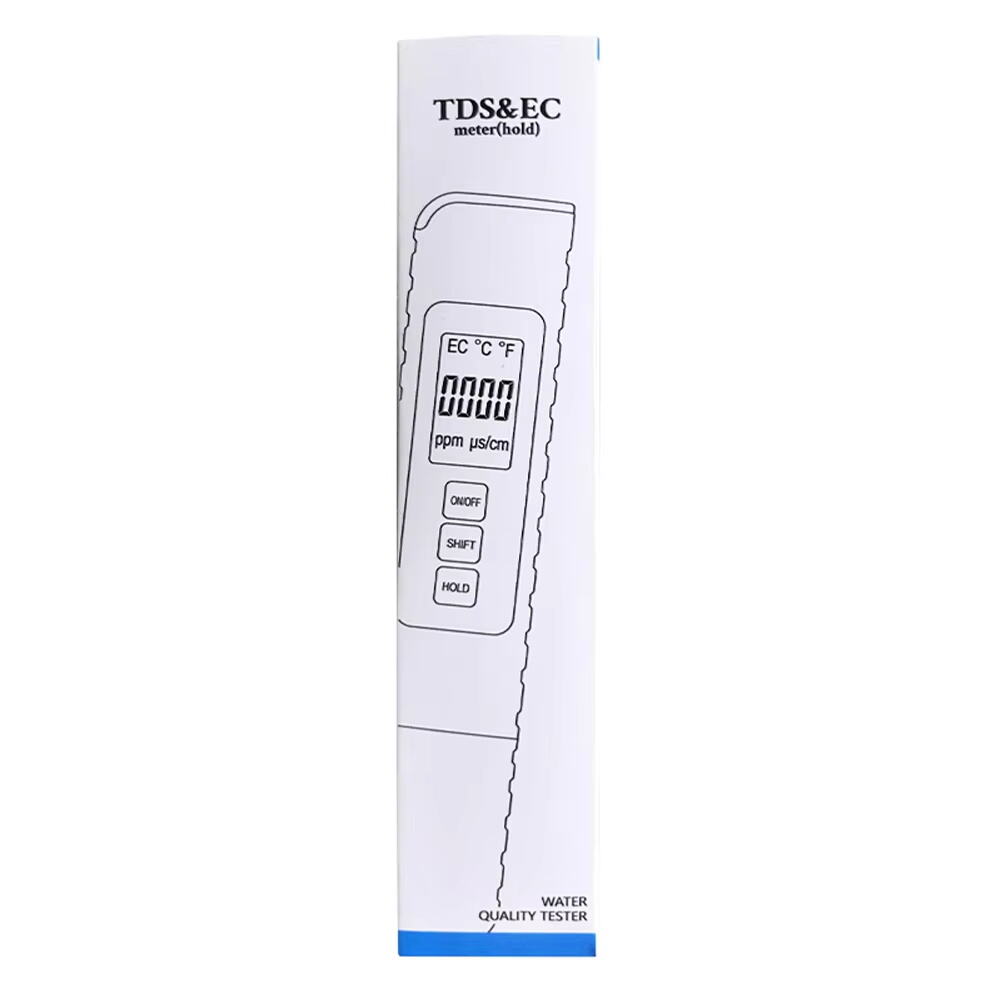
PH-mittari on kehittynyt sähköinen laite, joka on tarkoitettu liuosten happamuuden tai emäksisyyden mittaamiseen vetyionikonsentraation tunnistamisen avulla. Tämä tieteellinen laite on muodostunut välttämättömäksi työkaluksi monilla aloilla, esimerkiksi vesikäsittelylaitoksissa ja maataloustutkimuslaboratorioissa, tarjoamalla tarkkoja mittauksia, joilla varmistetaan laadunvalvonta ja turvallisuusvaatimukset. pH-mittarin käsitteen ja toimintaperiaatteen ymmärtäminen on ratkaisevan tärkeää ammattilaisille, jotka luottavat tarkkoihin pH-mittauksiin päivittäisessä työssään.
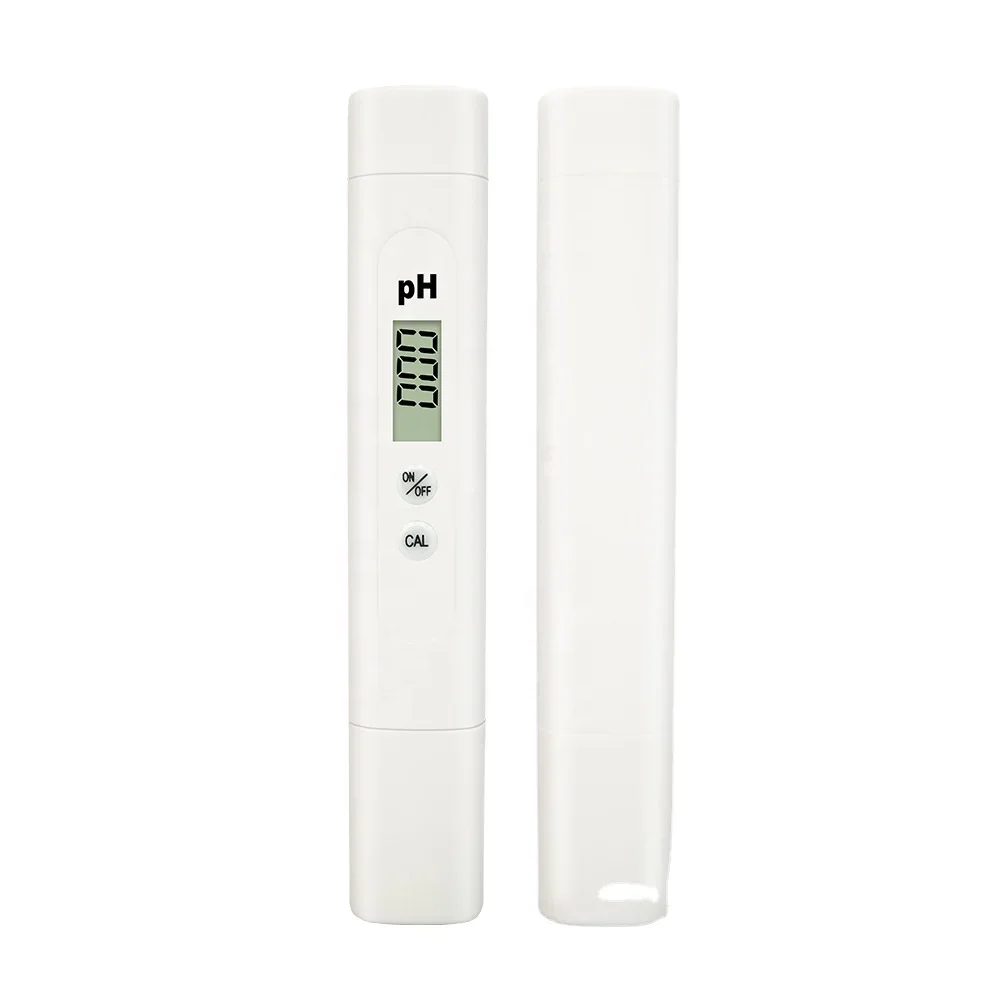
Modernin pH-mittarin toiminnallisuus ulottuu paljon yksinkertaisen pH-testauksen yli, ja se sisältää edistynyttä digitaalista teknologiaa ja tarkkuustekniikkaa, joka tarjoaa luotettavia tuloksia reaaliajassa. Kun etenemme vuoteen 2026, nämä laitteet kehittyvät edelleen parantuneella tarkkuudella, paremmalla kestävyydellä ja käyttäjäystävällisillä käyttöliittymillä, jotka tekevät pH-mittauksesta saatavilla olevan sekä laboratoriotyöntekijöille että kenttätekniikoille. Tämä kattava opas tutkii pH-mittareiden perusperiaatteita, toimintamekanismeja ja käytännön sovelluksia nykyaikaisessa teknologisessa maisemassa.
Ymmärtäminen pH-mittari Perustavanlaatuiset
Määritelmä ja ydinosa
PH-mittari toimii sähköisenä mittalaitteena, joka määrittää vesisuolojen pH-arvon mittaamalla sähköisen potentiaalieron pH-herkkän elektrodin ja vertailuelektrodin välillä. Laite muuntaa tämän sähköisen signaalin luettavaksi pH-arvoksi, joka yleensä näytetään digitaalisella näytöllä tarkkuudella 0,01–0,001 pH-yksikköä. Nykyaikaiset pH-mittarit sisältävät mikroprosessoriteknologian, joka korjaa automaattisesti lämpötilan vaihteluita ja tarjoaa vakaita ja tarkkoja mittauksia erilaisissa ympäristöolosuhteissa.
PH-mittarin ensisijainen tarkoitus on tarjota kvantitatiivisia mittauksia liuoksen happamuudesta tai emäksisyydestä, mikä on välttämätöntä optimaalisten olosuhteiden ylläpitämisessä kemiallisissa prosesseissa, biologisissa järjestelmissä ja laadunvalvontasovelluksissa. Verrattuna värimittauspH-indikaattoreihin tai testiliuskoihin digitaalinen pH-mittari tarjoaa paremman tarkkuuden ja poistaa subjektiiviset tulkintavirheet, jotka voivat syntyä visuaalisessa värimäärittelyssä.
Historiallinen kehitys ja nykyaikainen kehittyminen
PH-mittariteknologian kehitys alkoi varhaisella 1900-luvulla lasielektroditeknologian kehittämisellä, joka muodosti perustan nykyaikaisille pH-mittausjärjestelmille. Nykypäivän pH-mittarilaitteet edustavat vuosikymmeniä kestänyttä teknologista kehitystä, johon kuuluu kiinteän tilan elektroniikka, automaattinen lämpötilakorjaus ja digitaalinen signaalinkäsittely, jotka taistelevat johdonmukaisen suorituskyvyn kaikissa eri käyttöolosuhteissa.
Aikakausiajan pH-mittarimallit eroavat parantuneesta kestävyydestä, vedenpitävästä koteloinnista ja pidennetystä akun käyttöajasta, mikä tekee niistä soveltuvia sekä laboratoriotyöhön että kenttäkäyttöön. Älykkään teknologian integrointi mahdollistaa nykyaikaisten pH-mittareiden mittausdatan tallentamisen, tilastollisen analyysin suorittamisen sekä yhteyden digitaalisiin verkkoihin etäseurantaan ja tiedonhallintaan.
Tekniset komponentit ja toimintamekanismi
Elektrodijärjestelmän rakenne
Minkä tahansa pH-mittarin ydin on sen elektrodijärjestelmä, joka koostuu yleensä mittauselektrodista ja vertailuelektrodista, jotka on sijoitettu yhden mittausproban sisään. Mittauselektrodi, joka on yleensä valmistettu erityisestä pH-herkästä lasista, tuottaa sähköisen potentiaalin, joka muuttuu suhteessa testiliuoksen vetyionikonsentraatioon. Tämä lasikalvo reagoi selektiivisesti vety-ioneihin, mutta ei muille liuoksessa oleville ioneille.
Viertämis-elektrodi säilyttää vakion sähköisen potentiaalin riippumatta liuoksen koostumuksesta, tarjoamalla vakauden viitepisteen pH-mittauksiin. Nykyaikaiset pH-mittarit käyttävät usein yhdistettyjä elektrodeja, jotka sisältävät sekä mittaus- että viertämis-elektrodin yhdessä mittapäässä, mikä yksinkertaistaa käyttöä ja vähentää huoltovaatimuksia säilyttäen samalla mittauksen tarkkuuden.
Signaalinkäsittely ja näyttötekniikka
Edistyneet pH-mittarilaitteet käyttävät monitasoisia signaalinkäsittelypiirejä, jotka vahvistavat elektrodijärjestelmän tuottamia heikkoja sähkösignaaleja ja muuntavat ne tarkoiksi pH-arvoiksi. Elektroninen piiri sisältää korkean impedanssin vahvistimia, analogi-digitaalimuuntimia ja mikroprosessoripohjaisia ohjausjärjestelmiä, jotka suorittavat reaaliaikaisia laskutoimituksia ja soveltavat tarvittavia korjauksia lämpötilalle ja muihin ympäristötekijöihin.
Digitaalinen näyttötekniikka nykyaikaisissa pH-mittari yksiköt tarjoavat selkeät, helposti luettavat mittaukset useilla näyttövaihtoehdoilla, mukaan lukien pH-arvot, lämpötilalukemat ja kalibrointitilanteen indikaattorit. Monissa laitteissa on myös taustavaloitusnäytöt, tiedonkirjausmahdollisuudet ja yhteysvaihtoehdot, jotka parantavat käytettävyyttä erilaisissa työympäristöissä.
Kalibrointimenettelyt ja tarkkuuden huomioon ottaminen
Standardipuskurin kalibrointiprosessi
Oikea kalibrointi on välttämätöntä pH-mittarin tarkkuuden ja luotettavuuden säilyttämiseksi sen koko käyttöiän ajan. Kalibrointiprosessi sisältää elektrodin upottamisen standardipuskuriliuoksiin, joiden pH-arvot tunnetaan, yleensä pH 4,01, 7,00 ja 10,01, jolloin laite voi muodostaa tarkat viitepisteet mittausalueella. Useimmat nykyaikaiset pH-mittarimallit tukevat automaattisia kalibrointirutiineja, jotka ohjaavat käyttäjää prosessin läpi ja tallentavat kalibrointitiedot laadunvarmistukseen.
PH-mittarin kalibrointitaajuus riippuu tarkasta käyttötarkoituksesta, mittauksen tarkkuusvaatimuksista ja ympäristöolosuhteista. Laboratoriotyökaluja, joita käytetään kriittisiin mittauksiin, saattaa vaadita kalibroida päivittäin, kun taas kenttäkäytössä käytettäviä laitteita, joita käytetään säännölliseen seurantaan, saattaa tarvita kalibroida viikoittain tai kuukausittain. Oikea kalibrointi varmistaa, että pH-mittari säilyttää määritellyn tarkkuutensa koko toiminta-alueellaan ja antaa luotettavia mittauksia laadunvalvontasovelluksia varten.
Lämpötilakorjaus ja ympäristötekijät
Lämpötila vaikuttaa merkittävästi pH-mittausten tarkkuuteen, koska sekä elektrodin vastaus että liuoksen todellinen pH muuttuvat lämpötilan vaihteluiden myötä. Nykyaikaiset pH-mittarit sisältävät automaattisen lämpötilakorjausjärjestelmän (ATC), joka seuraa liuoksen lämpötilaa ja soveltaa matemaattisia korjauksia varmistaakseen tarkat pH-mittaukset riippumatta lämpötilan vaihteluista. Tämä ominaisuus on erityisen tärkeä kenttäsovelluksissa, joissa lämpötilan säätö ei ole mahdollista.
Ympäristötekijät, kuten liuoksen ionivoimakkuus, saastuminen ja elektrodin ikääntyminen, voivat myös vaikuttaa pH-mittarin suorituskykyyn. Näiden tekijöiden ymmärtäminen ja asianmukaisten mittausmenetelmien käyttöönotto auttavat säilyttämään mittauksen tarkkuuden ja pidentävät elektrodin käyttöikää, mikä takaa yhtenäisen suorituskyvyn koko laitteen käyttöiän ajan.
Käytännön sovellukset ja teollisuuden toteutukset
Veden laadun testaus ja ympäristönvalvonta
Vedenkäsittelylaitokset luottavat voimakkaasti pH-mittareiden teknologiaan jatkuvaa käsittelyprosessien seurantaa ja säätöä varten. Kunnalliset vedenkäsittelylaitokset käyttävät näitä mittalaitteita varmistaakseen, että valmis vesi täyttää säänneltyjä pH-standardeja, kun taas jätevesien käsittelylaitokset seuraavat pH-arvoja biologisten käsittelyprosessien optimoimiseksi ja varmistaakseen noudattavansa purkupaikkojen lupaehtoja. pH-mittarin kyky tarjoaa reaaliaikaisia mittauksia mahdollistaa käyttäjien tehdä välittömiä säätöjä kemikaalien annostelujärjestelmiin ja pitää käsittelyolosuhteet optimaalisina.
Ympäristön seurantaan käytetään kenttämittauksiin portteja pH-mittareita pinnanvesien, maaperän veden ja maaperän uutteiden mittaamiseen. Nämä mittaukset auttavat arvioimaan ympäristöolosuhteita, seuraamaan saastumisen vaikutuksia ja varmistamaan ympäristöasetusten noudattamisen. Nykyaikaisten pH-mittareiden kannettavuus ja akkuvoittoisuus tekevät niistä ihanteellisia kaukana sijaitsevissa näytteenottopaikoissa, joissa laboratoriomittaukset eivät ole välittömästi saatavilla.
Teollinen prosessinohjaus ja laadunvarmistus
Eri alojen valmistusteollisuudet integroivat pH-mittaritekniikan prosessi-ohjausjärjestelmiinsä tuotteen laadun säilyttämiseksi ja tuotannon tehokkuuden optimoimiseksi. Elintarviketeollisuus käyttää pH-mittauksia fermentaatioprosessien ohjaamiseen, tuotteen turvallisuuden varmistamiseen ja makuprofiilin yhdenmukaisuuden säilyttämiseen. Lääketeollisuus luottaa tarkkaan pH-ohjaukseen lääkkeiden valmistuksessa varmistaakseen tuotteen tehoisuuden ja vakauden.
Kemiallisissa prosessointilaitoksissa käytetään pH-mittausjärjestelmiä reaktio-olosuhteiden jatkuvaa seurantaa varten, mikä varmistaa optimaalisen saannon ja tuotteen laadun sekä turvallisten käyttöolosuhteiden säilymisen. Digitaalisten pH-mittareiden integrointi automatisoituihin ohjausjärjestelmiin mahdollistaa reaaliaikaiset prosessimuutokset, joilla parannetaan tehosta ja vähennetään jätteitä teollisissa toiminnoissa.
Huolto ja parhaat käytännöt
Elektrodien hoito ja säilytysprotokollat
Oikea elektrodien huolto on ratkaisevan tärkeää pH-mittarin tarkkuuden säilyttämiseksi ja laitteen käyttöiän pidentämiseksi. pH-herkkä lasielektrodi vaatii huolellista käsittelyä, jotta vältetään vaurioita ja saastumista, jotka voivat vaikuttaa mittaustarkkuuteen. Säännöllinen puhdistus sopivilla liuoksilla poistaa kertyneet saostumat ja säilyttää elektrodin herkkyyden, kun taas oikea säilytys elektrodien säilytysliuoksessa estää kuivumisen ja säilyttää elektrodin vakauden.
PH-mittauselektrodien säilytysprotokollat vaihtelevat elektrodityypin ja valmistajan suositusten mukaan. Useimmat yhdistelmäelektrodit tulisi säilyttää pH 4 -puskuriliuoksessa tai erityisissä elektrodien säilytysliuoksissa, jotta elektrodit pysyvät kosteinä ja viitteen liitoskohta ei tukkeudu. Elektrodien säilyttäminen tislattuun veteen tai niiden kuivuminen vältetään, jotta säilytetään elektrodien suorituskyky ja pidentyy niiden käyttöikä.
Vianmääritys ja suorituskyvyn optimointi
Yleisiä pH-mittareihin liittyviä ongelmia ovat hitaat vasta-ajat, epävakaa lukema ja kalibrointivaikeudet, jotka johtuvat usein elektrodidongelmista, saastumisesta tai epäasianmukaisista huoltotoimenpiteistä. Systemaattiset vianetsintämenetelmät auttavat tunnistamaan suorituskykyongelmien juurisyyn ja toteuttamaan asianmukaiset korjaavat toimenpiteet. Säännölliset suorituskykytarkastukset standardipuskuriliuosten avulla auttavat havaitsemaan ongelmia ennen kuin ne vaikuttavat mittauksen tarkkuuteen.
Suorituskyvyn optimointi sisältää asianmukaisten mittausmenetelmien käyttöönoton, sopivien kalibrointiaikataulujen noudattamisen sekä elektrodien hoitoa ja säilytystä koskevien valmistajan suositusten noudattamisen. pH-mittarin teknologian rajoitusten ymmärtäminen ja asianmukaisten laadunvalvontamenettelyjen käyttöönotto varmistavat luotettavat mittaukset ja maksimoivat laitteen suorituskyvyn koko sen käyttöiän ajan.
UKK
Kuinka usein minun tulisi kalibroida pH-mittaria saadakseni tarkkoja tuloksia?
PH-mittarin kalibrointitaajuus riippuu teidän erityisestä sovelluksestanne ja tarkkuusvaatimuksistanne. Kriittisissä laboratoriomittauksissa päivittäinen kalibrointi on suositeltavaa, kun taas tavallisessa kenttätestauksessa viikoittainen tai kuukausittainen kalibrointi saattaa riittää. Suuren käytön sovellukset, mittaukset haastavissa olosuhteissa tai silloin, kun maksimaalinen tarkkuus on välttämätöntä, vaativat tiukempia kalibrointiaikatauluja. Kalibrointi on aina tehtävä pitkän säilytysjakson jälkeen tai silloin, kun mittauksen tarkkuus vaikuttaa epäluotettavalta.
Mikä on pH-mittarin elektrodin tyypillinen käyttöikä?
PH-mittarin elektrodi kestää tyypillisesti 6–24 kuukautta käyttötaajuudesta, huollon laadusta ja käyttöolosuhteista riippuen. Elektrodit, joita käytetään puhtaissa laboratorioratkaisuissa, voivat kestää pidempään kuin ne, jotka altistuvat koville kemikaaleille, äärimmäisille lämpötiloille tai saastuneille näytteille. Oikea säilytys, säännöllinen puhdistus ja valmistajan huoltiohjeiden noudattaminen voivat merkittävästi pidentää elektrodin käyttöikää ja säilyttää mittauksen tarkkuuden.
Voiko lämpötila vaikuttaa pH-mittarin lukemiin merkittävästi?
Lämpötila vaikuttaa merkittävästi pH-mittarin lukemiin, koska sekä elektrodin vastaus että liuoksen pH muuttuvat lämpötilan mukaan. Ilman lämpötilakorjausta mittaukset voivat vaihdella jopa 0,3 pH-yksikköä tai enemmän tyypillisillä lämpötilaväleillä. Nykyaikaiset pH-mittarit sisältävät automaattisen lämpötilakorjauksen (ATC), joka korjaa nämä vaikutukset, mutta vanhemmissa mittareissa tai erityissovelluksissa saattaa olla tarpeen käyttää manuaalista lämpötilakorjausta.
Mitkä huoltotoimet ovat välttämättömiä pH-mittarin optimaalisen suorituskyvyn varmistamiseksi?
Välttämätön pH-mittarin huolto sisältää säännöllisen kalibroinnin tuoreilla puskuriliuoksilla, elektrodien asianmukaisen puhdistuksen ja säilytyksen sekä suorituskyvyn jaksollisen tarkistamisen. Säilytä elektrodit sopivissa liuoksissa, huuhtele ne huolellisesti mittauksien välillä ja vaihda elektrodit, kun niiden vastaus hidastuu tai muuttuu epävakaaksi. Pidä laite puhtaana, suojaa sitä kosteudelta ja noudata valmistajan suosituksia huoltoväleistä ja elektrodien vaihdosta.