EN
EN


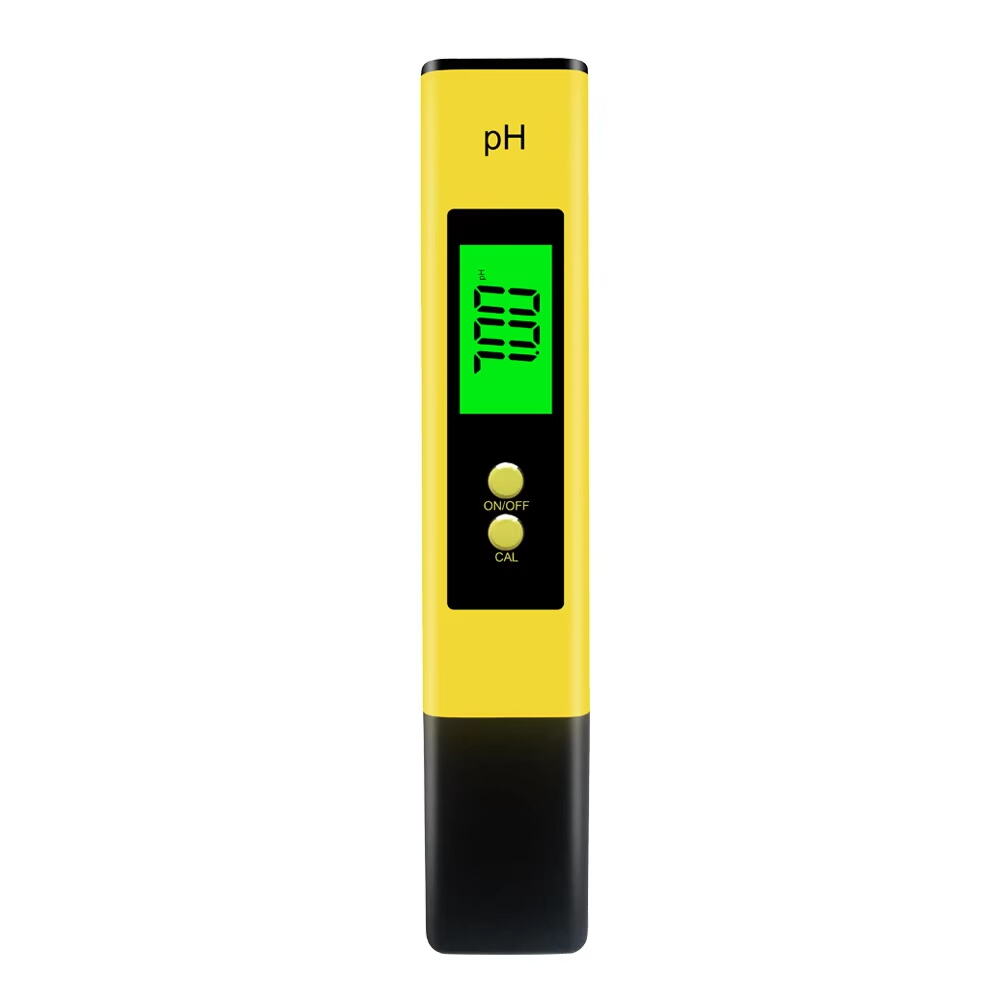
Oikean maan kosteusmittarin valinta kasvihuoneoperaatioihin edellyttää useiden kriittisten tekijöiden arviointia, jotka vaikuttavat suoraan kasvien terveyteen ja sadon tuottavuuteen. Ammattimaiset kasvihuonejohtajat ja vakavasti otettavat puutarhurit ymmärtävät, että tarkka maan kosteusmittaus muodostaa tehokkaan kastelun hallinnan perustan, mutta markkinoilla on kymmeniä erilaisia mittarityyppejä, joilla on erilaisia ominaisuuksia ja hintatasoja.
Valintaprosessi muuttuu monimutkaisemmaksi, kun otetaan huomioon kasvihuonekohtaiset vaatimukset, kuten säädetyt ympäristöolosuhteet, monimuotoiset kasvualustat ja tarve jatkuvaa seurantaa useiden eri kasvilajien osalta. Laadukas maan kosteusmittari, joka on suunniteltu kasvihuonekäyttöön, on kyettävä antamaan luotettavia lukemia kosteissa olosuhteissa samalla, kun se tarjoaa tarkkuuden, joka vaaditaan tarkan maatalouden sovelluksissa.
Välttämättömät ominaisuudet kasvihuoneen maan kosteusmittaukseen
Tutkan suunnittelu ja rakennuslaatu
Maan kosteudenmittarin anturin fyysinen rakenne määrittää sen kestävyyden ja tarkkuuden kasvihuoneympäristöissä. Ruostumaton teräs -anturit kestävät lannoitteiden ja usein toistuvan kastelun aiheuttamaa korroosiota, mikä tekee niistä ihanteellisia jatkuvaa käyttöä varten kasvihuoneissa. Anturin pituuden tulisi vastata astioiden syvyyttä, yleensä 15–25 cm suurin osa kasvihuonekäytöistä varten.
Korkealaatuiset anturit ovat tiukasti suljettuja, mikä estää kosteuden tunkeutumisen elektronisiin komponentteihin. Tämä suojaus on erityisen tärkeää kasvihuoneympäristöissä, joissa ilmankosteus pysyy jatkuvasti korkealla tasolla. Anturin halkaisija vaikuttaa myös maan häiriintymiseen mittauksen aikana: ohuemmat anturit aiheuttavat vähemmän juurivaurioita jo vakiintuneissa kasvustoissa.
Harkitse antureita vaihtokärjillä tai modulaarisilla suunnitteluratkaisuilla, jotka mahdollistavat komponenttien vaihdon ilman kokonaan uusien yksiköiden hankintaa. Tämä ominaisuus vähentää merkittävästi pitkän aikavälin käyttökustannuksia samalla kun mittauksen tarkkuus säilyy koko mittarin käyttöiän ajan.
Digitaalinen näyttö ja luettavuuteen vaikuttavat tekijät
Selkeät digitaaliset näytöt ovat välttämättömiä erilaisissa kasvihuoneiden valaistusolosuhteissa työskenneltäessä. Taustavalolla varustetut nestekidenäytöt toimivat paremmin varjoisissa alueilla kasvien latvustojen alla, kun taas korkean kontrastisuuden näytöt pysyvät luettavina kirkkaassa auringonvalossa, joka paistaa läpi kasvihuoneen paneelit. Näytön tulee näyttää kosteusmittaukset prosentteina tai tilavuudellisena vesipitoisuutena helpottaa tulosten tulkintaa.
Suuret, helppolukuiset numerot vähentävät mittausvirheiden todennäköisyyttä ja nopeuttavat mittauksia useissa kasveissa tai kasvualueissa. Jotkin edistyneemmät mallit sisältävät värikoodattuja indikaattoreita, jotka tarjoavat välitöntä visuaalista palautetta kosteustasoista ilman numeerisen tuloksen tulkintaa.
Akun käyttöiän indikaattorit estävät odottamattomia sammutuksia kriittisillä seurantajaksoilla. Yksiköt, joissa on automaattinen sammutustoiminto, säästävät akun tehoja ja varmistavat, että maan kosteusmittari laitteesta säilyy valmius välittömään käyttöön tarvittaessa.
Teknologiatyypit ja niiden käyttö kasvihuoneissa
Kapasitanssipohjaiset mittausjärjestelmät
Kapasitanssiteknologia mittaa maan dielektristä vakioita, joka korreloi suoraan vesisisällön kanssa. Nämä järjestelmät toimivat erinomaisesti kasvihuoneympäristöissä, koska ne antavat yhtenäisiä lukemia eri maalajeille ja viljelyalustoille, joita käytetään yleisesti ohjatussa maataloudessa. Teknologia toimii luomalla sähkömagneettisen kentän anturielektrodien välille ja mittaamalla, miten maan kosteus vaikuttaa kentän voimakkuuteen.
Toisin kuin vastusperusteiset mittarit, kapasitanssijärjestelmät eivät vaadi suoraa maan kosketusta metallielektrodeihin, mikä vähentää korroosioriskiä lannoitteiksi rikkaiden kasvihuoneiden maissa. Tämä teknologia toimii myös hyvin maaton kasvatusalustoissa, kuten kookospalmun koirissa, perliittiseoksissa ja hydroponisissa alustoissa, joissa perinteiset mittarit saattavat epäonnistua.
Edistyneet kapasitanssiperusteiset maan kosteusmittarimallit korjaavat lämpötilan vaihteluita, jotka voivat vaikuttaa lukemisiin kasvihuoneympäristöissä, joissa lämpötila vaihtelee päivän aikana. Tämä korjaus varmistaa johdonmukaisen tarkkuuden aamulla viileänä aikana tai iltapäivällä lämpötilan nousun yhteydessä.
Moniparametrinen mittauskyky
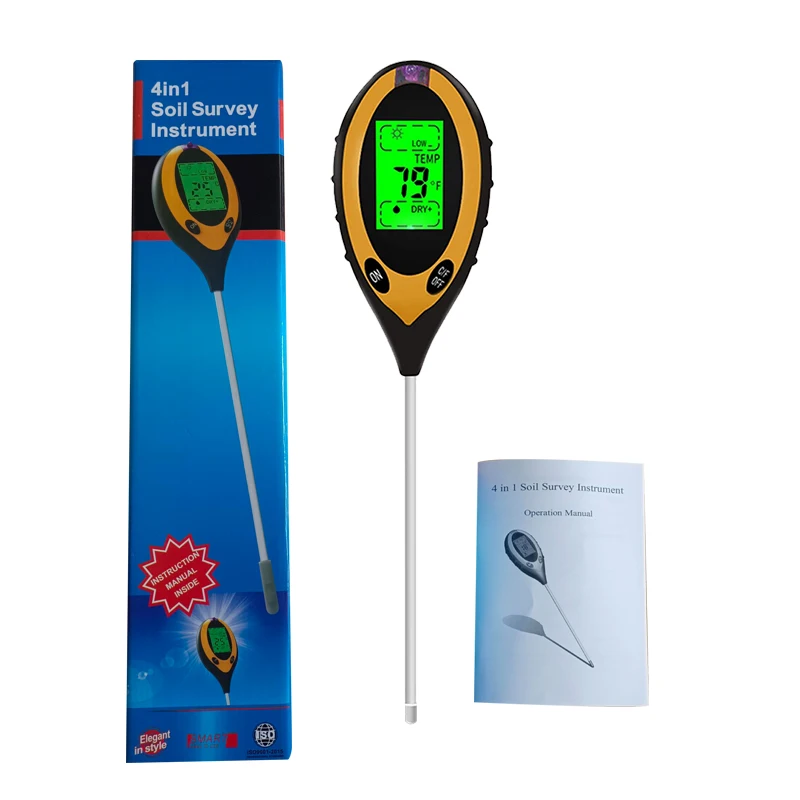
Modernin kasvihuoneen hallinta hyötyy maaperän kosteusmittareista, jotka mittaavat useita kasvuparametrejä yhtä aikaa. Yhdistelmämittarit, jotka mittaavat maaperän pH-arvoa, valaistusvoimakkuutta ja lämpötilaa sekä kosteusastetta, tarjoavat kattavan kasvuehtojen arvioinnin yhdellä työkalulla. Tämä moniparametrinen lähestymistapa tehostaa tiedonkeruuta ja vähentää laitteistokustannuksia.
pH-mittausmahdollisuudet ovat erityisen arvokkaita kasvihuoneissa, joissa ravinteiden liuokset ja orgaaniset lisäaineet muuttavat jatkuvasti maaperän happamuutta. Integroidut valomittarit auttavat optimoimaan kasvien sijoittelua kasvihuonerakenteissa varmistaakseen riittävän fotosynteesienergian saatavuuden samalla kun maaperän olosuhteita seurataan.
Maaperän kosteusmittarijärjestelmien lämpötilantunnistimet seuraavat juurialuetta, jonka olosuhteet vaikuttavat suoraan ravinteiden ottoon ja kasvien aineenvaihduntaan. Tämä tietojen integrointi tukee kehittyneempiä kastelun ja ravinnollisen hoito-ohjeiden soveltamista kaupallisissa kasvihuoneissa.
Tarkkuusvaatimukset ja kalibrointiharkinnat
Tarkkuusstandardit ammattimaisiin sovelluksiin
Ammattimaiset kasvihuoneoperaatiot vaativat maan kosteusmittarin tarkkuutta ±2 %:n sisällä optimaalisen kastelunhallinnan varmistamiseksi. Tämä tarkkuustaso tukee automatisoituja kastelujärjestelmiä ja estää kalliita ylikastelutapauksia tai kuivuusstressitilanteita. Maataloustutkimussovellukset voivat vaatia jopa korkeampia tarkkuusstandardeja, yleensä ±1 % tai parempaa tieteellisen datan keruuta varten.
Tarkkuusmäärittelyihin tulisi sisältyä lämpötilakorjausalueet, jotka vastaavat kasvihuoneenne toimintaolosuhteita. Mittarit, jotka säilyttävät tarkkuutensa lämpötila-alueella 0–49 °C, soveltuvat useimpiin kasvihuoneympäristöihin, mukaan lukien kylmäkasetit ja lämmitetyt viljelyalueet.
Resoluutiomäärittelyt määrittävät pienimmän kosteusmuutoksen, jonka mittari pystyy havaitsemaan. Korkeampi resoluutio mahdollistaa hitaiden maan kuivumistrendien havaitsemisen ennen kuin kasvit kokevat stressiä, mikä tukee ennakoivaa kastelunhallintastrategiaa.
Kaloreikkaus- ja huoltoprotokollit
Laadukkaat maan kosteusmittausjärjestelmät sisältävät kalibrointimenettelyjä eri kasvualustoille, joita käytetään yleisesti kasvihuoneissa. Turvepohjaisten istutusseoksien kalibrointi eroaa merkittävästi mineraalimaan kalibroinnista ja vaatii säädettäviä parametrejä tai valittavissa olevia maatyypin asetuksia.
Säännöllinen kalibroinnin tarkistus tunnettujen kosteusstandardien avulla säilyttää mittaustarkkuuden ajan mittaan. Jotkin ammattimaisen luokan mittarit sisältävät sisäänrakennetut kalibrointitarkistusmenettelyt, jotka varmistavat jatkuvan tarkkuuden ilman ulkoisia vertailumateriaaleja.
Ylläpitovaatimukset vaihtelevat merkittävästi eri mittarityyppien välillä: tiukat sähköiset järjestelmät vaativat vähän huoltoa verrattuna yksiköihin, joiden anturit ovat alttiina ympäristölle. Ottaen huomioon mittareiden valinnassa kriittisiin kasvihuoneoperaatioihin tulee ottaa huomioon sekä ylläpitomahdollisuudet että paikallinen huoltopalvelun saatavuus.
Budjetointianalyysi ja pitkän aikavälin arvon arviointi
Alkuperäinen sijoitus verrattuna käyttökustannuksiin
Alkutasoiset maan kosteusmittarit vaihtelevat yleensä 20–50 dollarin välillä ja antavat perustason kosteuslukemia, jotka sopivat pienille kasvihuoneille tai harrastajakäyttöön. Nämä laitteet eivät useinkaan sisällä edistyneitä ominaisuuksia, mutta niiden suorituskyky riittää yksinkertaisiin kasteluaikataulutuspäätöksiin ei-kriittisissä sovelluksissa.
Ammattimalliset mittarit, joilla on moniparametrinen mittauskyky ja parannettu tarkkuus, maksavat yleensä 100–300 dollaria, mikä edustaa merkittävää arvoa kaupallisille kasvihuoneille. Parantunut tarkkuus ja lisämittausparametrit oikeuttavat korkeamman alkuhinnan vähentämisellä kasvien menetyksiä sekä optimoimalla resurssien käyttöä.
Arvioitaessa pitkän aikavälin omistuskustannuksia on otettava huomioon vaihtoprosiinien kustannukset ja saatavuus. Jotkin valmistajat tarjoavat kalliita omaa teknologiaa käyttäviä prosiineja, kun taas toiset käyttävät standardiliittimiä, jotka ovat yhteensopivia kolmannen osapuolen vaihtoprosiinien kanssa.
Sijoituksen tuottolaskelmat
Tarkat maan kosteusmittauslaitteiden tiedot estävät kastelusta johtuvia kasvimenetyksiä, jotka voivat tuhota kasvihuoneen kannattavuuden. Yksittäinen sadonmenetys väärän kastelun vuoksi voi ylittää ammattimaisen seurantalaitteiston hinnan, mikä tekee tarkkuusmittausjärjestelmästä kannattavan vakuutuksen tuotannon menetyksiä vastaan.
Tarkan maan kosteusmittauksen avulla saavutettava veden ja ravinteiden säästö vähentää toimintakustannuksia kaupallisissa kasvihuoneissa. Ylikastelun poistaminen säästää vedenkustannuksia ja estää ravinteiden huuhtoutumista, joka vaatii kalliiden lannoitteen korvaamisen.
Optimoitujen maan kostushallintamenetelmien ansiosta parantunut kasvilaatu ja sadonkorkeus tuottavat yleensä tulotuloksia, jotka oikeuttavat laitteistosijoitukset jo yhden viljelykauden aikana kaupallisissa toiminnoissa.
Valintakriteerit erityisiin kasvihuone-sovelluksiin
Astioihin kasvatus ja kukkapottilaatu
Säiliökasvihuoneiden toiminnassa tarvitaan maan kosteusmittariprojektoreita, joiden koko on sovelias astioiden mittoihin ja kasvualustan syvyyteen. Lyhyempiä projektoria käytetään paremmin pintaisissa astioissa, kun taas pidempiä projektoria soveltuu suuriin nurmikasvatusastioihin ja korotettuihin kasvualustajärjestelmiin. Projektoreiden halkaisijaa on otettava huomioon tiukkenevissä istutuksissa, joissa juurivaurioiden vähentäminen on tärkeää.
Kevyitä, kannettavia mittareita voidaan käyttää nopeasti maan kosteuden arviointiin useissa astioissa ilman, että käyttäjä väsyy. Ergonomisesti suunnitellut mallit helpoilla otteilla tukevat pitkäaikaista käyttöä laajamittaisen kasvihuoneen seurannan aikana.
Nopeasti lukemat antavat maan kosteusmittarijärjestelmät vähentävät työvoimavaatimuksia suurten säiliöistä koostuvien toimintojen yhteydessä. Heti saatavilla oleva mittausmahdollisuus mahdollistaa tehokkaan sadan tai useamman kasvin seurannan käytännöllisissä aikarajoissa.
Hydroponiset ja maaton kasvualusta -sovellukset
Hydroponiset kasvihuonejärjestelmät vaativat maan kosteusmittareita, jotka on erityisesti kalibroitu maaton kasvualustaan, kuten kivivillalle, perliitille ja kookospalmun kuidulle. Perinteiset maaperän kosteusmittarit, jotka on kalibroitu mineraalimaaperään, antavat epätarkkoja lukemia näissä erityisalustoissa.
Edistyneet kapasitanssipohjaiset mittarit tarjoavat kalibrointiasetuksia yleisimmille hydroponisille kasvualustoille, mikä varmistaa tarkan kosteusarvioinnin nykyaikaisissa kasvihuonejärjestelmissä. Joissakin mittareissa on esiasennettuja kalibrointeja suosittujen kaupallisesti saatavilla olevien kasvualustojen merkkejä varten.
Vedentiukean rakenteen käyttö on välttämätöntä hydroponisissa ympäristöissä, joissa mittarit voivat joutua kosketukseen ravinteiden liuosten ja korkean ilmaston kosteuden kanssa, mikä voi vahingoittaa tavallisia elektroniikkalaitteita. Merenkulkuun tarkoitetut tiivistysmääräykset tarjoavat riittävän suojan näihin vaativiin olosuhteisiin.
UKK
Kuinka usein minun tulisi kalibroida maan kosteusmittarini kasvihuone-oloissa?
Kalibroi maan kosteusmittariasi kasvihuoneympäristöissä joka 3–6. kuukausi tai useammin, jos huomaat epäjohdonmukaisia lukemia. Korkea ilmankosteus ja tiheä käyttö voivat vaikuttaa anturin tarkkuuteen ajan myötä. Kalibroi aina mittari, kun vaihdat eri kasvualustatyyppeihin tai kun kausittaiset lämpötilamuutokset ylittävät 20 °F edellisen kalibroinnin olosuhteista.
Toimiiko sama maan kosteusmittari sekä maassa että hydroponisissa kasvualustoissa?
Useimmat maan kosteusmittarit vaativat eri kalibrointiasetuksia maalle ja hydroponisille kasvualustoille, mutta monet ammattimaiset mallit soveltuvat molempiin käyttötarkoituksiin. Etsi mittareita, joissa on valittavissa olevia kasvualustatyyppejä tai säädettäviä kalibrointiparametrejä. Kapasitanssipohjainen teknologia sopeutuu yleensä paremmin erilaisiin kasvualustoihin kuin resistanssipohjaiset järjestelmät.
Minkä mittainen mittapää sopii parhaiten standardikokoisiin kasvihuoneastioihin?
Useimmissa kasvihuoneiden säiliösovelluksissa 6–8 tuuman mittausanturit tarjoavat parhaan suorituskyvyn. Tämä pituus saavuttaa juurialueen kosteus tasot standardikokoisissa kasvitarhan astioissa välttäen samalla säiliön pohjan aiheuttaman häiriön. Lyhyempiä 4–6 tuuman antureita käytetään paremmin pintasyvyydessä olevissa säiliöissä ja siementeljässä, kun taas 10–12 tuuman anturit soveltuvat suuriin säiliöihin ja korkennettuihin kasvualustoihin.
Ovatko langattomat maan kosteusmittarit taloudellisesti perusteltuja kasvihuonekäytössä?
Langattomat maan kosteusmittarit tuovat merkittäviä työvoitasäästöjä suurissa kasvihuoneoperaatioissa mahdollistaen etäseurannan ja automatisoidun tiedonkeruun. Korkeampi alkuinvestointi kattautuu yleensä yhden viljelykauden aikana vähentyneiden työvoimakustannusten ja parantuneen kasvien hoitojen kautta. Pienemmät toimintayksiköt eivät kuitenkaan välttämättä saavuta riittäviä säästöjä, jotta langattomien järjestelmien korkeampi hinta olisi perusteltu.