EN
EN


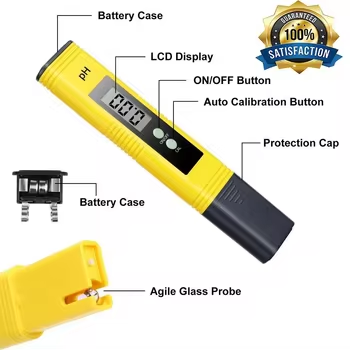
Swimming pools require careful chemical balance to remain safe, clean, and functional. One of the most critical parameters in this balance is pH, which measures how acidic or alkaline your pool water is on a scale from 0 to 14. When pool pH levels go unmonitored, the consequences can be severe, affecting everything from swimmer safety to equipment longevity. Understanding what happens when pH drifts out of control is essential for any pool owner or facility manager who wants to avoid costly repairs, health hazards, and operational disruptions.
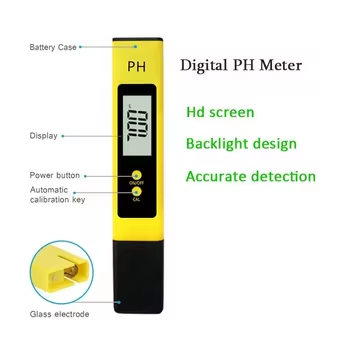
The ideal pH range for swimming pools is typically between 7.2 and 7.8, which is slightly alkaline. This range ensures disinfection effectiveness, swimmer comfort, and equipment protection. However, when pH measurements are ignored or testing is neglected, the water can shift toward extreme acidic or alkaline conditions. The longer this imbalance persists without correction, the more pronounced the damage becomes. This article explores the tangible consequences of unmonitored pool pH and why consistent testing and adjustment are non-negotiable for pool operation.
Corrosion and Equipment Damage from Unmonitored pH
Metal and Concrete Deterioration
When pool pH goes unmonitored and becomes too acidic (below 7.0), the acidic water aggressively corrodes metal components and concrete surfaces. Pumps, filters, heat exchangers, and metal ladders all deteriorate rapidly in acidic conditions. The cost of replacing corroded equipment can reach thousands of dollars, far exceeding the minimal expense of regular pH testing. Concrete pool shells and deck surfaces also suffer from acid etching, which compromises structural integrity and creates an unsightly appearance that depreciates the pool's value.
Scaling and Buildup Issues
Conversely, when pool pH climbs too high (above 7.8), calcium carbonate deposits accumulate on pipes, filters, and heater surfaces. This scaling reduces water flow, decreases equipment efficiency, and forces maintenance teams to perform expensive cleaning or replacement procedures. An unmonitored pH situation that remains elevated for weeks or months can create mineral buildup so severe that system components must be completely replaced. The preventive cost of monitoring pH is negligible compared to the expense of dealing with scale removal or component replacement after the fact.
Algae Proliferation and Water Quality Degradation
Algae Growth and Cloudiness
Unmonitored pool pH creates conditions where algae thrives uncontrollably. When pH drifts outside the optimal range, chlorine effectiveness diminishes significantly, allowing microscopic algae cells to multiply rapidly. A pool with poor pH balance and no monitoring becomes a breeding ground for green algae, mustard algae, or black algae within days. Swimmers notice murky, cloudy water, reduced visibility, and slippery surfaces that pose slip-and-fall hazards. The longer pH remains unmonitored, the more aggressive the algae bloom becomes, eventually making the pool unusable and creating serious safety risks for anyone who enters the water.
Loss of Disinfection Power
Chlorine, the primary disinfectant in most pools, works optimally only within a narrow pH range. When pool pH becomes unmonitored and drifts too high, chlorine's germicidal effectiveness drops dramatically. At a pH of 8.0, chlorine loses approximately 50 percent of its disinfection power compared to optimal pH levels. This means that even if chlorine levels appear adequate on paper, the water may harbor bacteria, viruses, and pathogens because the pH is too high for disinfection to work efficiently. Swimmers are exposed to health risks without realizing it because the pool looks clear and chlorine readings seem normal.
Health and Safety Consequences for Swimmers
Skin and Eye Irritation
Swimmers experience significant discomfort when entering a pool where pH has gone unmonitored and is out of balance. Acidic water (low pH) causes skin irritation, red eyes, and a burning sensation in the nose and throat. Alkaline water (high pH) leads to itchy skin, dry hair, and cloudy eyes. These symptoms are often mistakenly attributed to chlorine sensitivity, but they actually result from improper pH balance. Families and regular swimmers may avoid the facility if they consistently experience these irritating effects, which directly impacts membership retention and facility reputation.
Bacterial and Parasitic Contamination
When pool pH remains unmonitored for extended periods, the risk of waterborne illness increases substantially. Pathogens such as Cryptosporidium, Giardia, and Legionella can survive and reproduce in water with compromised chemical balance. The combination of unmonitored pH and reduced chlorine effectiveness creates an ideal environment for these microorganisms. Swimmers may contract gastrointestinal illnesses, respiratory infections, or skin infections that can be traced back to inadequate chemical management. Healthcare costs and potential liability claims far exceed the minimal investment required for regular pH monitoring and adjustment systems.
Operational and Financial Consequences
Increased Chemical Consumption
Unmonitored pool pH often leads to excessive chemical usage because corrections become more severe and frequent. When pH drifts significantly and goes uncorrected for days or weeks, large doses of pH adjusters are needed to bring the water back into balance. This reactionary approach wastes chemicals and increases operational costs. In contrast, facilities that monitor pH regularly make small, targeted adjustments that consume fewer chemicals. Over a season, the difference in chemical spending between monitored and unmonitored pools can be substantial, making regular testing a cost-saving measure rather than an expense.
Facility Closure and Revenue Loss
Severe pH imbalance that goes unmonitored can force temporary pool closures for emergency treatment and equipment repair. During closure periods, the facility generates no revenue while expenses for emergency service calls, parts, and labor mount rapidly. A public facility closed for even one week due to water quality issues related to unmonitored pH loses thousands in membership fees and rental income. Additionally, the reputation damage from publicizing a water quality failure can deter new members for months or years. Prevention through consistent pH monitoring is the most cost-effective way to maintain continuous operations and steady revenue streams.
FAQ
How often should pool pH be tested?
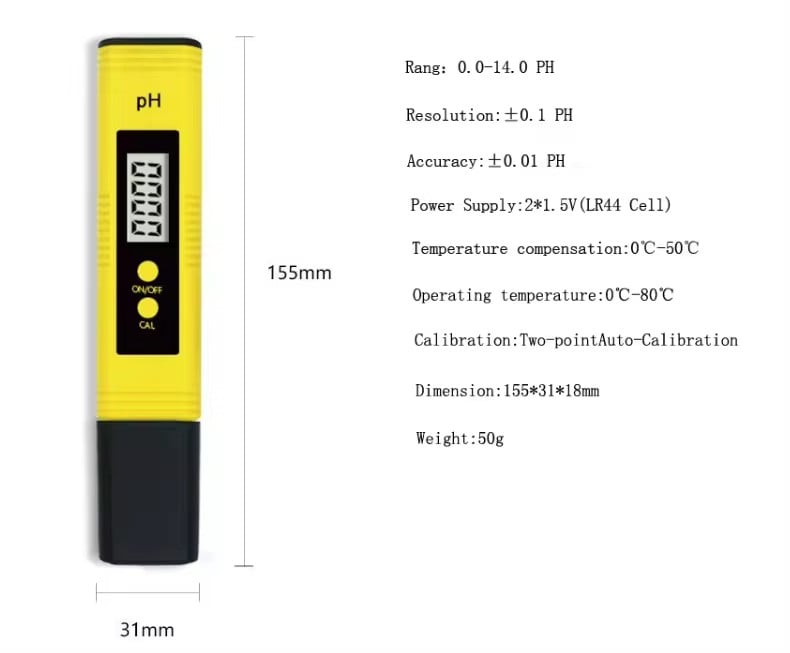
Pool pH should be tested at least twice daily for public facilities and once daily for residential pools, ideally in the morning before heavy use. More frequent testing during peak season or after heavy rainfall ensures that any drift in pH is detected and corrected before it causes damage or safety issues. Digital pH testers provide quick, accurate readings that allow immediate adjustments when needed.
What are the signs that pool pH has gone unmonitored?
Signs include cloudy water despite adequate chlorine, visible algae growth, swimmer complaints of eye or skin irritation, scaling on equipment or pool surfaces, or corroded metal components. These indicators suggest that pH monitoring has been neglected and corrective action is needed immediately. Once these symptoms appear, the damage may already be significant and costly to reverse.
Can automated systems replace manual pH testing?
Automated pH monitoring and adjustment systems are excellent tools that reduce labor and provide real-time data, but they should complement rather than completely replace manual testing as a backup verification method. Automated systems can malfunction, sensors can drift, or calibration can be lost, so periodic manual checks ensure accuracy. A combination of automated monitoring and regular manual verification provides the most reliable assurance that pool pH remains properly balanced and safe.