EN
EN


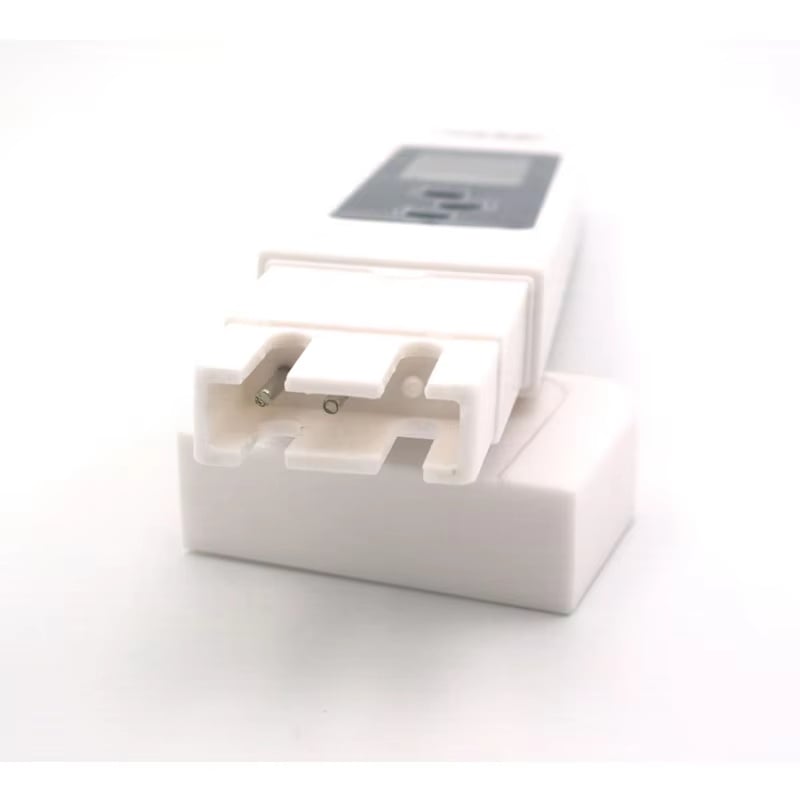
အပင်ကျန်းမာရေးအတွက် မြေဆီလွှာ pH မီတာကို ဘယ်အချိန်မှာ အသုံးပြုရမယ် ဆိုတာကို နားလည်ဖို့ အပင်တွေရဲ့ အာဟာရနဲ့ ကြီးထွားမှုကို သက်ရောက်တဲ့ အရေးပါတဲ့ အချိန်ကိုက်မှု အကြောင်းရင်းတွေကို အသိအမှတ်ပြုဖို့ လိုပါတယ်။ ဥယျာဉ်မှူးများနှင့် စိုက်ပျိုးရေး ကျွမ်းကျင်သူများ အများအပြားသည် မြေဆီလွှာ၏ အက်ဆစ်ဓာတ် သို့မဟုတ် အရည်ဓာတ်ကို စမ်းသပ်ရန် အကောင်းဆုံး အချိန်ကို သတ်မှတ်ရန် ရုန်းကန်ကြရပြီး မကြာခဏတွင် ကြားဝင်မှုအတွက် အခွင့်အလမ်းများ လွတ်သွားခြင်း သို့မဟုတ် မလိုအပ်သော စမ်းသပ်မှု ကုန်ကျစရိတ်များ ဖြစ်ပေါ်စေ မြေဆီလွှာ pH မီတာဟာ အရေးကြီးတဲ့ ရောဂါစစ်ဆေးရေး ကိရိယာတစ်ခုအဖြစ် လုပ်ဆောင်ပေမဲ့ ၎င်းရဲ့ ထိရောက်မှုက အပင်ကြီးထွားမှု စက်ဝန်း၊ ရာသီအလိုက် ပြောင်းလဲမှုတွေနဲ့ တိကျတဲ့ ကျန်းမာရေး ညွှန်ပြချက်တွေနဲ့ ကိုက်ညီတဲ့ မဟာဗျူဟာဆိုင်ရာ အချိန်ကို လုံးဝကို မူတည်ပါတယ်။
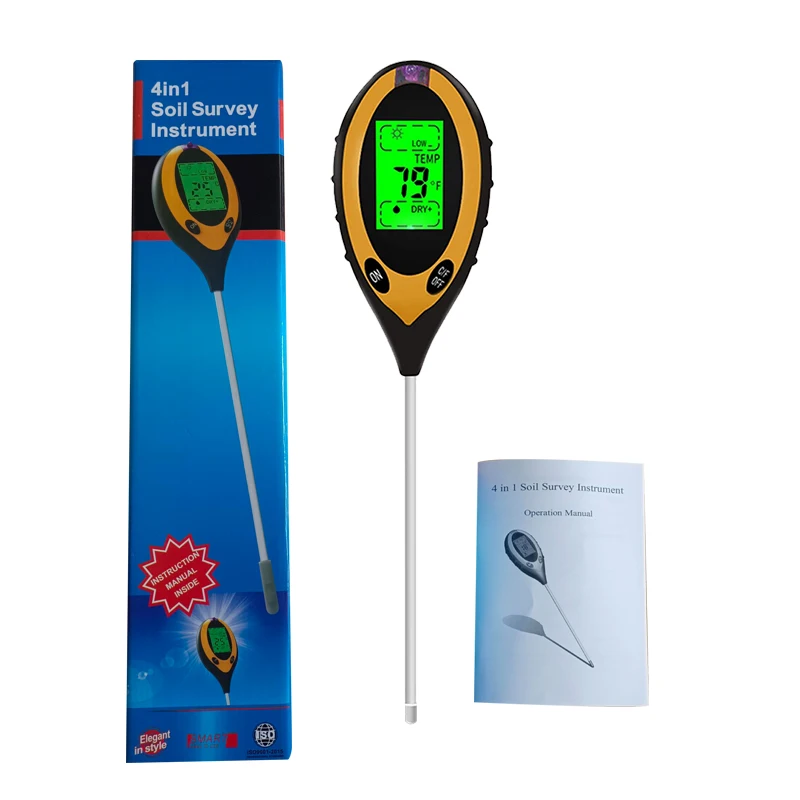
မြေဆီ၏ pH တန်ဖိုးကို တိကျစွာ တိုင်းတာရန်အတွက် မြေဆီ pH မီတာကို အသုံးပြုရန် ဆုံးဖြတ်ချက်သည် အပင်များ၏ မြင်သာသော လက္ခဏာများ၊ အပင်များ၏ အရှိန်အဟုန်ဖြင့် ဖြစ်ပေါ်လာသော လိုအပ်ချက်များနှင့် питательные элементы များ၏ ရနှိုင်းမှုကို တိုက်ရိုက်အကျိုးသက်ရောက်စေသည့် ပတ်ဝန်းကျင်အခြေအနေများပေါ်တွင် အခြေခံသင့်ပါသည်။ ပရော်ဖက်ရှင်နယ် စိုက်ပျိုးရေးသမားများနှင့် အိမ်တွင် စိုက်ပျိုးသူများအားလုံးသည် မြေဆီ pH စစ်ဆေးမှုကို အပင်များ၏ ကျန်းမာရေးကို အကောင်းမောင်းရန် အများဆုံးတန်ဖိုးရှိသည့် အချိန်ကာလများကို နားလည်ထားခြင်းမှ အကျေးဇူးပါသည်။ မြေဆီ pH မီတာကို ဤနည်းဗျူဟာမှုအတိုင်း အသုံးပြုခြင်းဖြင့် တိကျသော ဖတ်ရှုမှုများ၊ စုံစမ်းစစ်ဆေးမှုအတွက် စုံစမ်းစစ်ဆေးမှုစရိတ် သက်သာမှုများနှင့် အပင်များ၏ ကျန်းမာရေးပြဿနာများကို ပြောင်းလဲမှုများ မဖြစ်မီ အချိန်မှီ စွက်ဖောက်မှုများကို ပေးနိုင်ပါသည်။
မြေဆီ pH စမ်းသပ်မှုအတွက် အရေးကြီးသော အပင်ကြီးထွားမှုအဆင့် အချိန်ကာလ
အပင်စိုက်မှုမှီ မြေဆီပြင်ဆင်မှုအဆင့်
စိုက်ပျိုးမှုမတိုင်မီအဆင့်သည် မြေဆီလွှာ pH မီတာများ အသုံးပြုရန်အတွက် အရေးပါဆုံးအချိန်ဖြစ်သည်၊ ဤကာလသည် စိုက်ပျိုးမှုမတိုင်မီ မြေဆီလွှာကို အပြည့်အဝ ပြင်ဆင်ရန် ခွင့်ပြုသည်ဖြစ်သောကြောင့်ဖြစ်သည်။ မြေပြင်ပြင်ဆင်စဉ် မြေဆီလွှာ pH ကို စစ်ဆေးခြင်းက နောက်ပိုင်း အပင်ကျန်းမာရေးဆိုင်ရာ ဆုံးဖြတ်ချက်အားလုံးအတွက် အခြေခံတစ်ခုဖြစ်ကာ ဥယျာဉ်မှူးတွေဟာ အမြစ်စနစ်တွေ မဖွံ့ဖြိုးခင်မှာ အက်ဆစ် (သို့) အရည်ဓာတ်အဆင့်တွေကို ပြင်ဆင်နိုင်စေပါတယ်။ ဤအဆင့်အတွင်း မြေဆီလွှာ pH မီတာသည် မြေသြဇာရွေးချယ်မှု၊ ဇီဝပစ္စည်းပေါင်းစပ်မှုနှင့် ရေရှည်မြေဆီလွှာ စီမံခန့်ခွဲမှု မဟာဗျူဟာများကို သတ်မှတ်သည့် အခြေခံအခြေအနေများကို ဖော်ပြသည်။
ပရော်ဖက်ရှင်နယ် စိုက်ပျိုးရေးလုပ်ငန်းများသည် မြေဆီ၏ pH တန်ဖော်သိမ်းမှုကို စိုက်ပျိုးမှုမှီအထိ အများအားဖြင့် ၄-၆ ပတ်ကြာသည့် ကာလအတွင်း စမ်းသပ်လေ့ရှိပါသည်။ ထိုသို့သော အချိန်ကာလသည် မြေဆီ၏ဓာတုဖွဲ့စည်းမှုကို ပြောင်းလဲရန် လိုအပ်သည့် လိုင်မ် (lime) သို့မဟုတ် ဂန္ထဝင် (sulfur) အသုံးပြုမှုအတွက် လုံလောက်သည့် အချိန်ကို ပေးစေပါသည်။ ထိုအချိန်ကာလသည် မြေဆီ၏ pH တန်ဖော်ကို စေ့စပ်မှုမှီ သို့မဟုတ် အပ်နှက်မှုမှီ အချိန်မှီ တည်ငြိမ်စေရန် အာမခံပေးပါသည်။ ထိုသို့သော အချိန်ကာလတွင် မြေဆီ၏ pH တန်ဖော်သိမ်းမှုများသည် မြေဆီ၏ အချိန်နှင့်အမျှ မြန်မြန်ပြောင်းလဲမှုမှ အမြစ်များ အားထိခိုက်မှုကို ကာကွယ်ပေးပါသည်။ စိုက်ပျိုးမှုမှီ အဆင့်တွင် မြေဆီ၏ pH တန်ဖော်သိမ်းမှုများသည် အထူးသော အပင်များအတွက် အကောင်းဆုံး pH အတိုင်းအတာများအရ အပင်များရွေးချယ်မှု၊ အမျိုးအစားများရွေးချယ်မှုနှင့် မျှော်မှန်းထားသည့် အသုံးအဆောင်အများအပါးကို လမ်းညွှန်ပေးပါသည်။
စေ့များ အစေးအစေး ဖွံ့ဖေါ်ရေး စောင်းကြည့်ခြင်း
အစောပိုင်း စိုက်ပျိုးမှုမှာ မြေဆီလွှာ pH မီတာ စောင့်ကြည့်မှုသည် မြင်သာသော ရောဂါလက္ခဏာများ ပေါ်မလာမီ ဖိစီးမှု အခြေအနေများကို ရှာဖွေရန်အတွက် မရှိမဖြစ်လိုအပ်သည့် အထိခိုက်လွယ်သည့် ကာလဖြစ်သည်။ အမြစ်စနစ်များ ဖွံ့ဖြိုးလာနေသော အပင်ငယ်များသည် အာဟာရဓာတ်ကို လျှော့ချ၍ တည်ထောင်ခြင်း အောင်မြင်မှုကို ထိခိုက်စေနိုင်သော pH မညီမျှမှုအတွက် အထူး၍ ထိခိုက်လွယ်သည်။ အစေ့ပေါက်ပြီးနောက် ပထမ ၂-၄ ပတ်အတွင်း မြေဆီလွှာ pH မီတာဖြင့် ပုံမှန် စမ်းသပ်ခြင်းသည် ပြင်ဆင်ရေး လုပ်ဆောင်ချက်များအကောင်းဆုံးဖြစ်နေချိန်တွင် ပေါ်ပေါက်လာသော ပြဿနာများကို ဖော်ထုတ်ရန် ကူညီပေးသည်။
စိုက်ပျိုးရေး အခြေအနေများတွင် မြက်ပင်များ၏ ဖွံ့ဖြိုးမှုအတွင်း မြေဆီလွှာ pH မီတာ အသုံးပြုမှုနှုန်းကို တိုးမြှင့်ပေးရန် လိုအပ်သည်။ ဥပမာ၊ အိုးများတွင် စိုက်ပျိုးခြင်း၊ ရေစိုက်ပျိုးရေးစနစ်များ သို့မဟုတ် pH မတည်ငြိမ်သော မြေများ။ မျိုးစေ့စိုက်ပျိုးနေသော အမြစ်များသည် အမြစ်များမှထွက်သောဓာတ်များနှင့် အာဟာရဓာတ်များကို စုပ်ယူခြင်းဖြင့် ၎င်းတို့၏ တိုက်ရိုက်မြေပြင်ပတ်ဝန်းကျင်ကို တက်ကြွစွာ ပြောင်းလဲစေပြီး ပုံမှန်မြေပြင် စမ်းသပ်မှုများမှ လွတ်သွားနိုင်သော ဒေသတွင်း pH ပြောင်းလဲမှုများ ဖြစ်ပေါ်စေနိုင်သည်။ မဟာဗျူဟာ မြေ၏ pH မီတာ ဒီအဆင့်အတွင်းမှာ ဖြန့်ချိခြင်းဟာ ကြီးထွားမှု ရာသီတစ်ခုလုံးကို သက်ရောက်နိုင်တဲ့ အစောပိုင်း ကြီးထွားမှု ကျဆင်းမှုတွေကို တားဆီးပါတယ်။
PH စောင်းချိန်မှတ်သားခြင်းအတွက် ရုတ်တရက် ပြောင်းလဲမှုများကို ထည့်သွင်းစဉ်းစားရန်
နွေဦးရုတ်တရက် စမ်းသပ်မှု စံနှုန်းများ
နွေဦးသည် မြေဆီ၏ pH တန်ဖိုးကို စနစ်ကျစွာ စမ်းသပ်ရန် အကောင်းဆုံးရုတ်တရက်ဖြစ်ပါသည်။ အဘယ်ကြောင့်ဆိုသော် ဆီးနှင်းများ၊ အေးခြင်းနှင့် ပူခြင်း ပြောင်းလဲမှုများနှင့် ဆီးနှင်းအက်ပေါက်ခြင်းတို့ကြောင့် မြေဆီ၏ ဓာတုဗေဒဖွဲ့စည်းမှုသည် အရင်နှစ်က စုစုပေါင်း အခြေခံအချက်များမှ သိသိသာသာ ပြောင်းလဲသွားနိုင်သောကြောင့်ဖြစ်သည်။ နွေဦးတွင် မြေဆီ၏ pH တန်ဖိုးကို တိက်တိက်ကျောက်စွဲစွဲ စမ်းသပ်ရန် အချိန်သည် မြေဆီ၏ အပူခ်အိုင်းသည် ဖာရင်ဟိုက် ၄၅ ဒီဂရီထက် မြင့်မှသာ အတိအကျရှိမည့် အချိန်နှင့် ကိုက်ညီရပ်နေရမည်ဖြစ်ပါသည်။ နွေဦးအစောပိုင်းတွင် မြေဆီ၏ pH တန်ဖိုးကို စမ်းသပ်ခြင်းဖြင့် ဆီးနှင်းများနှင့် မိုးရွာသော ရုတ်တရက်များ၊ အော်ဂဲနစ်ပစ္စည်းများ ပျော်ဝင်ခြင်းနှင့် အေးခြင်းကာလအတွင်း ဖြစ်ပေါ်လာသော pH တန်ဖိုး ပြောင်းလဲမှုများကို စုစုပေါင်း သိရှိနိုင်ပါသည်။
မြေဆီ pH မီတာကို နွေဦးတွင် အသုံးပြုရန် အတိအကျသော အချိန်သည် ဒေသ geographical နှင့် ဒေသခံရာသီဥတုပုံစံပေါ်တွင် မူတည်၍ ကွဲပြားပါသည်။ သို့သော် ယေဘုယျအားဖြင့် နောက်ဆုံးမှုန်ခေါင်းချိန် (frost) ရက်များ၏ ပျမ်းမျှထက် ၂-၃ ပတ်အလေးကြားတွင် ပြုလုပ်ပါသည်။ ဤအချိန်သည် မြေဆီအတွင်း ပြောင်းလဲမှုများကို လုပ်ဆောင်ရန် လုံလောက်သော အချိန်ကို ပေးစေပါသည်။ ထို့အပြင် မြေဆီအတွင်း ရေအလွန်အမင်း စုပုံနေသည့် အချိန်များတွင် စမ်းသပ်မှုများ ပြုလုပ်ခြင်းကို ရှောင်ရှားပါသည်။ အကြောင်းမှာ ထိုသို့သော အချိန်များတွင် pH ဖတ်ချက်များ မှုန်ဝါးသွားနိုင်ပါသည်။ နွေဦးတွင် မြေဆီ pH မီတာဖြင့် စမ်းသပ်မှုများကို အောက်ပါနေရာများတွင် အထူးအာရုဏ်ထုတ်ရန် လိုအပ်ပါသည်။ အောက်စီဂျင်ပါသော မြေဆီအ покရ်များ (organic mulches) မှ ဆီးနေစဉ် ပိုမိုပျော်ဝင်သွားသည့် နေရာများ၊ နောက်ဆုံးနှင်းများ အလွန်များပြားသည့် နေရာများနှင့် အရင်နှစ်က စိုက်ပျိုးထားသည့် အပင်များတွင် питательные элементы ချို့တဲ့မှု (nutrient stress) လက္ခဏာများ ပေါ်ပေါက်ခဲ့သည့် နေရာများ။
အလယ်ပိုင်း ကာလ အပင်ဖြစ်ထွန်းမှု စောင်းကြည့်ခြင်း
အလယ်ပိုင်းရှိ မြေဆီလွှာ pH မီတာဖြင့် စောင်းကြည့်ခြင်းသည် အပင်များ၏ питательные элементы လိုအပ်မှုများ ပိုမိုများပေါ်လာပြီး အမူအရေးနေရာ (root zone) ရှိ ဓာတုဖွဲ့စည်းမှုများ အလွန်မြန်မြန်ပြောင်းလဲလာသည့် အချိန်တွင် အထူးအရေးကြီးလာပါသည်။ အလယ်ပိုင်းရှိ pH စမ်းသပ်မှုအတွက် အချိန်သည် အပင်များ၏ မြင်သာသော ကြီးထွားမှုများ၊ ပွင့်မှုစတင်မှုများ သို့မဟုတ် သီးများ ဖွံ့ဖေါ်မှုအဆင့်များနှင့် ကိုက်ညီရပါမည်။ ထိုအချိန်များတွင် မြေဆီလွှာ pH မီတာဖြင့် ပုံမှန်စောင်းကြည့်ခြင်းများသည် အပင်များ၏ မြင်သာသော ဖိအားလက္ခဏာများ ပေါ်ပေါက်လာမှုမှ အလွန်မှီခိုပါသည်။
ပရော်ဖက်ရှင်နယ် စိုက်ပျိုးသူများသည် အထူးသဖြင့် မကြာခဏ အသုံးပြုသော သောင်းသုံးမှုများ (fertilization) သို့မဟုတ် ရေလောင်းခြင်းများကြောင့် မြေဆီလွှာ၏ ဓာတုဖွဲ့စည်းမှု ပြောင်းလဲမှုများ ဖြစ်ပေါ်လေ့ရှိသည့် အထူးသဖြင့် အသုံးများသော ထုတ်လုပ်မှုစနစ်များတွင် အပင်များ အရှိန်အဟုန်ဖြင့် ကြီးထွားနေသည့် ရှေးနှစ်ကာလများတွင် မြေဆီလွှာ၏ pH တန်ဖိုးကို ၃-၄ ပတ်တွင် တစ်ကြိမ် စီစဥ်၍ စမ်းသပ်လေ့ရှိကြသည်။ ဤစမ်းသပ်မှုများကို မြေဆီလွှာ၏ pH တန်ဖိုးကို မှားယွင်းစေနိုင်သည့် မိုးရွာသော အချိန်များ သို့မဟုတ် ရေလောင်းပြီးနောက် အချိန်ကာလများတွင် ရှောင်ကြဉ်သင့်သည်။ အထူးသဖြင့် အိုးထဲတွင် စိုက်ပျိုးခြင်း၊ မှုန်မှုန်ထောင်များတွင် စိုက်ပျိုးခြင်းနှင့် အများအားဖြင့် မြေဆီလွှာ၏ ဓာတုဖွဲ့စည်းမှု ပြောင်းလဲမှုများ ပုံမှန် မြေနေရာများတွင် ဖြစ်ပေါ်သည့် အချိန်ထက် ပိုမြန်စွာ ဖြစ်ပေါ်လေ့ရှိသည့် အပင်များကို အများအားဖြင့် အနီးကပ်စိုက်ပျိုးခြင်းစနစ်များတွင် အလယ်ကာလတွင် မြေဆီလွှာ၏ pH တန်ဖိုးကို စမ်းသပ်ခြင်းသည် အထူးသဖြင့် အသုံးဝင်ပါသည်။
အပင်၏ လက္ခဏာများအရ စမ်းသပ်မှုများ စတင်ခြင်း
အ питриєнт ချို့တဲ့မှု လက္ခဏာများကို သိရှိခြင်း
အပင်များ၏ အ пит်ရှင်စုန်း ချို့တဲ့မှုလက္ခဏာများသည် မြေဆီလွှာ pH မီတာကို ချက်ချင်း အသုံးပြုရန် အရေးကြီးသော အကြောင်းပြချက်များဖြစ်ပါသည်။ အကြောင်းမှာ အ пит်ရှင်စုန်းဆိုင်ရာ ပြဿနာများအများစုသည် မြေဆီလွှာတွင် အ пит်ရှင်စုန်းများ လုံးဝမရှိခြင်းကြောင့် မဟုတ်ဘဲ pH နှင့် ဆိုင်သော အ пит်ရှင်စုန်းများ မသုံးနိုင်သော အခြေအနေ (nutrient lockout) ကြောင့် ဖြစ်ပါသည်။ အပင်များ၏ လက္ခဏာများကို အခြေခံ၍ မြေဆီလွှာ pH မီတာဖြင့် စမ်းသပ်ရန် အချိန်သည် အရောင်ပေါ်မှု၊ အရှည်မြောက်မှု နှင့် အရွက်များ၏ ပုံသဏ္ဍာန် ပုံမှန်မဟုတ်မှုများ ပေါ်လာသည့် အချိန်တွင် ချက်ချင်း ပြုလုပ်သင့်ပါသည်။ အစောပိုင်းတွင် pH မီတာဖြင့် စမ်းသပ်ခြင်းဖြင့် pH နှင့် ဆိုင်သော အ пит်ရှင်စုန်းများ ရရှိမှု ပြဿနာများနှင့် အခြားသော အပင်ကျန်းမာရေး ပြဿနာများကို ခွဲခြားသတ်မှတ်နိုင်ပါသည်။ ထိုအခြားပြဿနာများသည် ကွဲပါသော ကုသမှုနည်းလမ်းများကို လိုအပ်ပါသည်။
မြေဆီလွှာ pH မီတာ စမ်းသပ်မှုကို ချက်ချင်းလုပ်ရန် လိုအပ်သည့် သီးခြား အပင်လက္ခဏာများမှာ သစ်ပင်သစ်များတွင် chlorosis ဖြစ်ခြင်း၊ အရည်ဓာတ်များမှ သံဓာတ်ချို့တဲ့မှု ဖြစ်နိုင်ခြေကို ညွှန်ပြခြင်း သို့မဟုတ် အရည်ဓာတ်များသော မြေဆီလွှာများတွင် နိုက်ထရိုဂျင် မရှိခြင်းကို ညွှန်ပြသည့် ယေဘု မြေဆီလွှာ pH မီတာရဲ့ ဖတ်ရှုချက်တွေက တွေ့ရှိရတဲ့ ရောဂါလက္ခဏာတွေဟာ မြေဆီလွှာရဲ့ မသင့်တော်တဲ့ အက်ဆစ်အဆင့်တွေက အာဟာရဓာတ်ကို စုပ်ယူမှုကို တားဆီးတာလား၊ မြေဩဇာသုံးဖို့ လိုအပ်တဲ့ အာဟာရဓာတ် အတိအကျ ကင်းမဲ့တာလားဆိုတာကို ဆုံးဖြတ်ဖို့ ကူညီပေးပါတယ်။ ဒီရောဂါရှာဖွေရေး ချဉ်းကပ်မှုက အပင်ကျန်းမာရေး ပြဿနာတွေရဲ့ အမြစ်အမြစ်ကို ကိုင်တွယ်ရင်း ရှိပြီးသား pH မညီမျှမှုတွေကို ပိုဆိုးစေနိုင်တဲ့ မသင့်တော်တဲ့ ကုသမှုတွေကို တားဆီးပါတယ်။
ပတ်ဝန်းကျင်ဆိုင်ရာ ဖိစီးမှု တုံ့ပြန်မှု အကဲဖြတ်ခြင်း
ပတ်ဝန်းကျင်ဆိုင့်သော ဖိအားဖော်ပေးသည့် အခြေအနေများသည် မြေဆီ၏ pH တန်ဖော်ပေးသည့် စမ်းသပ်မှုကို လိုအပ်စေပါသည်။ ထိုစမ်းသပ်မှုသည် ရုပ်ပိုင်းဆိုင်ရာ ရာသီဥတုအကျိုးသက်ရောက်မှုများအပေါ် တိုက်ရိုက်သက်ရောက်မှုများကို ကျော်လွန်၍ အပင်များ၏ ဖိအားဖော်ပေးသည့် တုံ့ပြန်မှုများကို ဖော်ပေးသည့် မြေဆီ၏ ဓာတုဗေဒ ပြောင်းလဲမှုများကို အကဲဖေးနှုန်းရန် ဖြစ်ပါသည်။ ရေခေါင်းပေါ်ခြင်း၊ များပေါ်သော မိုးရွာခြင်း၊ အပူချိန်အလွန်အကျွံဖြစ်ခြင်းနှင့် အခြားသော ပတ်ဝန်းကျင်ဆိုင့်သော ဖိအားဖော်ပေးသည့် အခြေအနေများသည် မြေဆီ၏ pH ကို အများပြားသော နည်းလမ်းများဖြင့် ပြောင်းလဲစေနိုင်ပါသည်။ ထို့ကြောင့် အပင်များ၏ ကျန်းမာရေးကို စုံလင်စွာ အကဲဖေးနှုန်းရန်အတွက် မြေဆီ၏ pH ကို အချိန်မီ တိုင်းတာရန် အရေးကြီးပါသည်။ ဖိအားဖော်ပေးသည့် တုံ့ပြန်မှုများကို အခြေခံသည့် pH စမ်းသပ်မှုကို မြေဆီ၏ ဓာတုဗေဒ ပြောင်းလဲမှုကို သက်ရောက်စေနိုင်သည့် အရေးကြီးသော ပတ်ဝန်းကျင်ဆိုင့်သော ဖြစ်ရပ်များ ဖြစ်ပေါ်နေစဉ် (သို့) ဖြစ်ပေါ်ပြီးနောက် ချက်ချင်းတွင် ပြုလုပ်သင့်ပါသည်။
ရေခေါင်းပေါ်မှုကြောင့် မကြာခဏ မြေဆီလွှာတွင် အားနည်းသော ဆားများ စုပုံလာပြီး pH အဆင့်များ ပြောင်းလဲလာပါသည်။ ထို့အတူ မျှော်လင့်မထားသော မိုးရွာသွန်းမှုများသည် မြေဆီလွှာမှ အခြေခံအာဟာရများကို ဖယ်ရှားပေးပြီး မြေဆီလွှာ၏ အက်စစ်ဓာတ်ကို မြင့်တက်စေနိုင်ပါသည်။ ဤအခြေအနေနှစ်မျိုးလုံးတွင် မြေဆီလွှာ pH မီတာဖြင့် စစ်ဆေးမှုပြုလုပ်ရန် လိုအပ်ပါသည်။ ထိုသို့သော စစ်ဆေးမှုများသည် မြေဆီလွှာ၏ ပြန်လည်ကောင်းမွန်ရေး အစီအမံများကို လမ်းညွှန်ပေးရန် အရေးကြီးပါသည်။ အပူချိန် ဖိအား (Temperature stress) သည် ရာသီမှီအားဖြင့် မျှော်လင့်မထားသော ပူပွင်းမှု သို့မဟုတ် အေးမှုများကြောင့် အမြစ်လုပ်ဆောင်မှုများနှင့် မြေဆီလွှာတွင် ရှိသော မိုက်ခရိုဘီယောလော်ဂီကြောင့် ဖြစ်ပေါ်လာသော လုပ်ဆောင်မှုများကို ထိခိုက်စေနိုင်ပါသည်။ ထိုသို့သော ဖိအားများသည် မြေဆီလွှာ၏ ဓာတုဗေဒ ဖွဲ့စည်းမှုကို ပြောင်းလဲစေနိုင်ပါသည်။ ထိုသို့သော ပြောင်းလဲမှုများကို မြေဆီလွှာ pH မီတာဖြင့် စစ်ဆေးမှုများသာ ဖော်ထုတ်နိုင်ပါသည်။ ဤသို့သော ပတ်ဝန်းကျင်ဆိုင်ရာ တုံ့ပြန်မှုများကို စောင်းကြည့်ခြင်းဖြင့် ခဏတာ ဖိအားများကြောင့် ဖြစ်ပေါ်လာသော အကျိုးသက်ရောက်မှုများနှင့် နောင်တွင် စွက်ဖောက်မှုများ လိုအပ်သော မြေဆီလွှာ၏ ရှည်လျော်သော ဓာတုဗေဒ ပြောင်းလဲမှုများကို ခွဲခြားသိရှိနိုင်ပါသည်။
ထုတ်လုပ်မှုစနစ်အလိုက် အချိန်သတ်မှတ်ခြင်း နည်းဗျူဟာများ
ပုံသေပုံစံ နှင့် မှုန်းအိမ် ထုတ်လုပ်မှု
ကုန်သိုလှောင်ခန်းနှင့် စိုက်ပျိုးရေးအိမ်များတွင် အသုံးပြုသည့် ထုံးဓာတ်တိုင်းခြင်းစနစ်များသည် အမြစ်များအတွက် ကန့်သတ်ထားသည့် ပတ်ဝန်းကျင်နှင့် မြေဆီလွှာ၏ ဓာတုဖွဲ့စည်းမှုကို အများအားဖြင့် အများကြီးပြောင်းလဲစေနိုင်သည့် အသုံးများသည့် စီမံခန့်ခွဲမှုနည်းလမ်းများကြောင့် ပိုမိုမက်သော ထုံးဓာတ်တိုင်းခြင်းများ လိုအပ်ပါသည်။ ဤစနစ်များတွင် ထုံးဓာတ်တိုင်းခြင်းကို အသုံးပြုရန် အချိန်ကို စိုက်ပျိုးမှုကာလအတွင်း တစ်ပတ်လျှင် တစ်ကြိမ် သို့မဟုတ် နှစ်ပတ်လျှင် တစ်ကြိမ် အကြိမ်ရောက်မှုအတိုင်း သတ်မှတ်သင့်ပါသည်။ အကြောင်းမှာ မြေဆီလွှာ၏ ပမာဏသည် အလွန်နည်းပါးသည့်အတွက် ထုံးဓာတ်ပေါင်းစပ်မှုများသည် မြေနေရာများတွင် ဖြစ်ပေါ်သည့် အချိန်ထက် ပိုမိုမြန်ဆန်စွာ ဖြစ်ပေါ်ပြီး ပိုမိုများပြားသည့် အကျိုးသက်ရောက်မှုများကို ဖြစ်စေနိုင်သည်။ ထုံးဓာတ်တိုင်းခြင်းကို ပုံမှန်စွာ စောင်းကြည့်ခြင်းဖြင့် အပင်များ၏ ကျန်းမာရေးပေါ် အန္တရာယ်ဖြစ်စေနိုင်သည့် သေးငယ်သည့် ဓာတုပေါင်းစပ်မှုများ စုစည်းမှုကို ကာကွယ်ပေးနိုင်ပါသည်။
ဖန်လုံအိမ်ထုတ်လုပ်မှု ထိန်းချုပ်ထားသော ပတ်ဝန်းကျင်သည် မြေဆီလွှာ pH မီတာ စမ်းသပ်မှုကို မြေဩဇာအသုံးပြုခြင်း၊ စိုက်ပျိုးရေးဗဟိုပြောင်းခြင်း သို့မဟုတ် အပင်အကွာအဝေးပြင်ဆင်ခြင်းကဲ့သို့သော စီမံခန့်ခွဲမှုလုပ်ငန်းများနှင့် ကိုက်ညီစေရန် တိကျသော အချိန်ကိုက်မှုကို ခွင့်ပြုသည်။ မြေဆီလွှာ pH မီတာ အသုံးပြုမှုအတွက် စနစ်တကျ ချဉ်းကပ်မှုသည် စိုက်ပျိုးမှု အရည်အသွေး သို့မဟုတ် သီးနှံထွက်နှုန်းကို သက်ရောက်မှုမရှိမီ ပြဿနာများကို ဖော်ထုတ်ရင်း အကောင်းဆုံး ကြီးထွားမှု အခြေအနေများကို ထိန်းသိမ်းရန် ကူညီပေးသည်။ အိုးများတွင် ထုတ်လုပ်ရာတွင် မြေဆီလွှာ pH မီတာဖြင့် မြေဆီလွှာ pH ကို စမ်းသပ်ရာတွင် မြေဆီလွှာကို မြေသြဇာသုံးပြီးတိုင်း၊ မြေဆီလွှာကို သုံးပြီးတိုင်း အထူးအကျိုးရှိပါသည်။
ကွင်းဆင်းထုတ်လုပ်မှု အချိန်သတ်မှတ်မှု ပရိုတိုကောများ
မြေပုံစံထုတ်လုပ်မှုစနစ်များသည် မြေဆီအိုင်အေဖ် (pH) တိုင်းတာရေးမှုကို အချိန်မှန်မှန် ပြုလုပ်ရန် လုပ်ဆောင်ရန် လုပ်ငန်းစဉ်များကို အထူးသဖြင့် စဥ်ဆက်မပေါင်းသော မြေဆီပမာဏများ၊ ရုတ်တရက်ပြောင်းလဲနေသော ရာသီဥတုအခြေအနေများနှင့် ရှည်လျားသော ကာလအတွင်း pH ပြောင်းလဲမှုများကို ချေထုံးပေးနိုင်သည့် အများစုသော အမြစ်ဇုန်များကို ထည့်သွင်းစဉ်းစားရမည်။ မြေဆီအိုင်အေဖ် (pH) တိုင်းတာမှုအတွက် အကောင်းဆုံးအချိန်သည် ပုံမှန်အားဖြင့် ရှေးနောက်အလှည့်အပြောင်းများနှင့် ကိုက်ညီပါသည်။ ထို့ကြောင့် စိုက်ပျိုးမှုမစောင်းမီ နောင်းပိုင်းတွင် စုံလင်သော တိုင်းတာမှုများကို ပြုလုပ်ပြီး စိုက်ပျိုးမှုကာလအတွင်း အပေါ်တွင် အသုံးပြုသည့် စိုက်ပျိုးမှုအဆင့်များအရ သီးခြားတိုင်းတာမှုများကို ပြုလုပ်သည်။ ဤချဉ်းကပ်မှုသည် လုံလေးသော စောင်းကြည့်မှုလုပ်ငန်းများကို လုပ်ဆောင်ရန် လိုအပ်ချက်များနှင့် ဧရိယာကြီးများကို ထိရောက်စွာ တိုင်းတာရန် လက်တွေ့ကျသော အခြေအနေများကို ဟန်ချက်ညှိပေးပါသည်။
မြေဆီ pH မီတာဖြင့် စမ်းသပ်မှုကို မြေဆီအရည်အသွေးအလွန်ခြောက်သွေ့ခြင်း (သို့) မြေဆီအရည်အသွေးအလွန်ပူနေခြင်း (မိုးကြီးပြီးနောက်) ကာလများကို ရှောင်ရှားရန် အချိန်မှန်မှန် စီစဥ်သင့်ပါသည်။ အတိမ်အနက်အများဆုံးတိကျမှုရရှိရန် မြေဆီအရည်အသွေးသည် မြေဆီအရည်အသွေးအများဆုံးထိန်းသိမ်းနိုင်သည့် အခြေအနေ (field capacity) နှင့် နီးစပ်သည့်အချိန်တွင် စမ်းသပ်ရမည်ဖြစ်ပါသည်။ ယင်းအချိန်သည် မိုးကြီးမှု (သို့) ရေပေးမှုပြီးနောက် ၂၄-၄၈ နာရီအကြာတွင် ဖြစ်ပါသည်။ ပရော်ဖက်ရှင်နယ်မြေဆီစီမံခန့်ခွဲမှုအဖွဲ့များသည် မြေဆီ pH မီတာစမ်းသပ်မှုကို အခြားမြေဆီနမူနာစုဆောင်းမှုများနှင့် တစ်ပါတည်း စီစဥ်လေ့ရှိပါသည်။ ထိုသို့ပြုလုပ်ခြင်းဖြင့် စီမံခန့်ခွဲမှုအရ ထိရောက်မှုကို မြှင့်တင်ပေးရုံသာမက စိုက်ပျိုးမှုဧရိယာများအားလုံးတွင် မြေဆီကျန်းမာရေးအား စုစုပေါင်းအားဖြင့် အကောင်းဆုံးအကဲဖေးမှုကို သေချာစေပါသည်။
မေးလေ့ရှိသောမေးခွန်းများ။
စိုက်ပျိုးရှိနေစဉ်ကာလအတွင်း မြေဆီ pH မီတာကို မည်သည့်အချိန်များတွင် အသုံးပြုသင့်ပါသည်နည်း။
မြေဆီ pH မီတာအသုံးပြုမှုအကြိမ်ရေသည် သင့်၏ ထုတ်လုပ်မှုစနစ်နှင့် အပင်များ၏ လိုအပ်ချက်များအပေါ်တွင် မှီခိုပါသည်။ ပုံးထဲတွင် စိုက်ပျိုးခြင်း (သို့) မှုန်းထောင်တွင် စိုက်ပျိုးခြင်းစနစ်များအတွက် အပင်များ အရှိန်အဟုန်ဖြင့် ကြီးထွားနေသည့်ကာလများတွင် တစ်ပတ်လျှင် တစ်ကြိမ် (သို့) နှစ်ပတ်လျှင် တစ်ကြိမ် စမ်းသပ်သင့်ပါသည်။ မြေပေါ်တွင် စိုက်ပျိုးခြင်းစနစ်များအတွက် စိုက်ပျိုးရှိနေစဉ်ကာလအတွင်း တစ်လလျှင် တစ်ကြိမ် စမ်းသပ်ရမည်ဖြစ်ပါသည်။ သို့သော် အပင်များတွင် စိတ်ဖိစီးမှုလက္ခဏာများ ပေါ်ပေါက်လာပါက (သို့) မြေဆီဓာတုပေါင်းစပ်မှုကို ပြောင်းလဲစေနိုင်သည့် မိုးကြီးမှုကဲ့သို့သည့် ရှေးရှေးအဖြစ်များအပေါ် အချိန်နှင့်တွေ့မှုအတွက် ပိုမိုမက်မောက်မှုဖြင့် စမ်းသပ်ရမည်ဖြစ်ပါသည်။
အပင်များကို ရေလောင်းပေးပါက သို့မဟုတ် ရေလောင်းပါက မှီခိုပါက မြေဆီလွှာ၏ pH ကို စမ်းသပ်ရန် အကောင်းဆုံးအချိန်မှာ အဘယ်နည်း။
မြေဆီလွှာ၏ စိုထုံးအခြေအနေသည် ပုံမှန်အပင်များ ပေါက်ရောက်ရာ အခြေအနေနှင့် နီးစပ်သည့်အချိန်တွင် သင့်၏ pH မီတာဖြင့် စမ်းသပ်ပါ။ ယင်းအချိန်မှာ ရေလောင်းပေးပါက သို့မဟုတ် မိုးရွာပါက ၂၄-၄၈ နာရီအကြာတွင် ဖြစ်ပါသည်။ ရေလောင်းပေးပါက ချက်ချင်းစမ်းသပ်ခြင်းသည် မြေဆီလွှာ၏ ဓာတုဖွဲ့စည်းမှုကို ရေဖြင့် ဖျော်စေပြီး မှန်ကန်မှုမရှိသည့် ဖတ်ရှုမှုများကို ပေးစေနိုင်ပါသည်။ ထို့အတူ အလွန်ခြောက်သွေ့သည့် မြေဆီလွှာကို စမ်းသပ်ခြင်းသည် ဆားများကို အကျုံ့ပေးပြီး pH တန်ဖိုးများကို မှားယွင်းစေနိုင်ပါသည်။ စိုထုံးအခြေအနေများကို တည်ငြိမ်စေခြင်းဖြင့် အပင်များ၏ ကျန်းမာရေးဆိုင်ရာ ဆုံးဖြတ်ချက်များအတွက် ယုံကုံစေသည့် pH မီတာဖတ်ရှုမှုများကို ရရှိစေပါသည်။
သုပ်သော်မှုများကို အသုံးပြုရန်မှီခိုပါက မြေဆီလွှာ၏ pH မီတာကို အသုံးပြုသင့်ပါသည်လား။
သုပ်သော်များကို အသုံးပြုရန်မှီခိုပါက အမြဲတမ်း မြေဆီလွှာ၏ pH ကို စမ်းသပ်ပါ။ အဘယ်ကြောင့်ဆိုသော် pH အဆင့်များသည် အ питательные элементы ရရှိနိုင်မှုနှင့် သုပ်သော်များ၏ အကောင်းမှုကို ဆုံးဖြတ်ပေးသည့်အတွက် ဖြစ်ပါသည်။ မြေဆီလွှာ၏ pH မီတာဖတ်ရှုမှုများသည် သင့်လျော်သည့် သုပ်သော်များ၏ ဖွဲ့စည်းမှုများနှင့် အသုံးပြုမှုနှုန်းများကို ရွေးချယ်ရာတွင် အထောက်အကူပေးပါသည်။ ထို့အတူ pH အဆင့်များသည် မှီခိုမှုများကို မှန်ကန်စေရန် အထောက်အကူပေးပါသည်။ သုပ်သော်များကို အသုံးပြုပါက ၇-၁၀ ရက်အကြာတွင် pH အဆင့်များကို ထပ်မံစမ်းသပ်ပါ။ ထိုသို့ဖြင့် pH အဆင့်များတွင် ပြောင်းလဲမှုများကို စောင်းကြည့်ပြီး နောင်လာမည့် ကုသမှုများကို အသုံးပြုသည့်အတွက် ညှိပေးနိုင်ပါသည်။
အပင်များ၏ ကျန်းမာရေးအတွက် မြေဆီလွှာ၏ pH စမ်းသပ်မှုကို မလိုအပ်သည့်အချိန်မှာ အဘယ်နည်း။
မြေဆီ၏ pH တန်ဖိုးကို တိုင်းတာရန် မြေဆီ pH မီတာအသုံးပြု၍ စမ်းသပ်ခြင်းသည် အထူးသဖြင့် အပင်များ၏ စွမ်းဆောင်ရည်သည် တည်ငြိမ်စွာရှိပြီး မျက်စိဖြင့် မြင်သာသော ဖိအားလက္ခဏာများ မရှိသည့် တည်ငြိမ်သော စိုက်ပျိုးရေးစနစ်များတွင် မလိုအပ်နိုင်ပါ။ သို့သော် မြေဆီစီမံခန့်ခွဲမှုနည်းလမ်းများကို အတည်ပြုပြီးဖြစ်ပြီး အပင်များကို အချိန်တိုင်း အတူတူသော အခြေအနေများတွင် စိုက်ပျိုးနေသည့်အခါမှသာ စမ်းသပ်မှုကို ကျော်လွှားနိုင်ပါသည်။ တည်ငြိမ်သော စနစ်များပင် မြေဆီ၏ pH တန်ဖိုးကို နှစ်စဥ် စမ်းသပ်ခြင်းဖြင့် အကောင်းဆုံးအခြေအနေများ ဆက်လက်ရှိနေကြောင်း အတည်ပြုရန်နှင့် ဓာတုဗေဒအခြေအနေများ ဖြေးဖြေးချင်း ပြောင်းလဲလာမှုကို ကာကွယ်ရန် အကျေးဇူးပါသည်။
အကြောင်းအရာများ
- မြေဆီ pH စမ်းသပ်မှုအတွက် အရေးကြီးသော အပင်ကြီးထွားမှုအဆင့် အချိန်ကာလ
- PH စောင်းချိန်မှတ်သားခြင်းအတွက် ရုတ်တရက် ပြောင်းလဲမှုများကို ထည့်သွင်းစဉ်းစားရန်
- အပင်၏ လက္ခဏာများအရ စမ်းသပ်မှုများ စတင်ခြင်း
- ထုတ်လုပ်မှုစနစ်အလိုက် အချိန်သတ်မှတ်ခြင်း နည်းဗျူဟာများ
-
မေးလေ့ရှိသောမေးခွန်းများ။
- စိုက်ပျိုးရှိနေစဉ်ကာလအတွင်း မြေဆီ pH မီတာကို မည်သည့်အချိန်များတွင် အသုံးပြုသင့်ပါသည်နည်း။
- အပင်များကို ရေလောင်းပေးပါက သို့မဟုတ် ရေလောင်းပါက မှီခိုပါက မြေဆီလွှာ၏ pH ကို စမ်းသပ်ရန် အကောင်းဆုံးအချိန်မှာ အဘယ်နည်း။
- သုပ်သော်မှုများကို အသုံးပြုရန်မှီခိုပါက မြေဆီလွှာ၏ pH မီတာကို အသုံးပြုသင့်ပါသည်လား။
- အပင်များ၏ ကျန်းမာရေးအတွက် မြေဆီလွှာ၏ pH စမ်းသပ်မှုကို မလိုအပ်သည့်အချိန်မှာ အဘယ်နည်း။