EN
EN


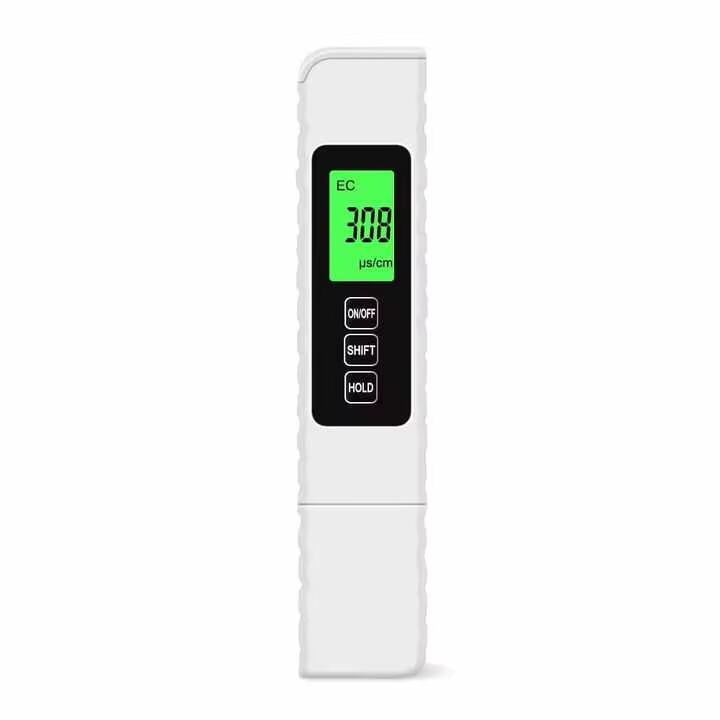
Milieutests vereisen nauwkeurige metingen om naleving van regelgeving te waarborgen en de volksgezondheid te beschermen. Onder de meest kritische instrumenten die worden gebruikt in milieulaboratoria en veldtestoperaties, is de pH-meter een onmisbaar hulpmiddel voor nauwkeurige procesregeling. Dit geavanceerde apparaat meet de concentratie waterstofionen in waterige oplossingen en levert essentiële gegevens voor de beoordeling van waterkwaliteit, bodemanalyse en milieumonitoringprogramma’s in uiteenlopende sectoren.
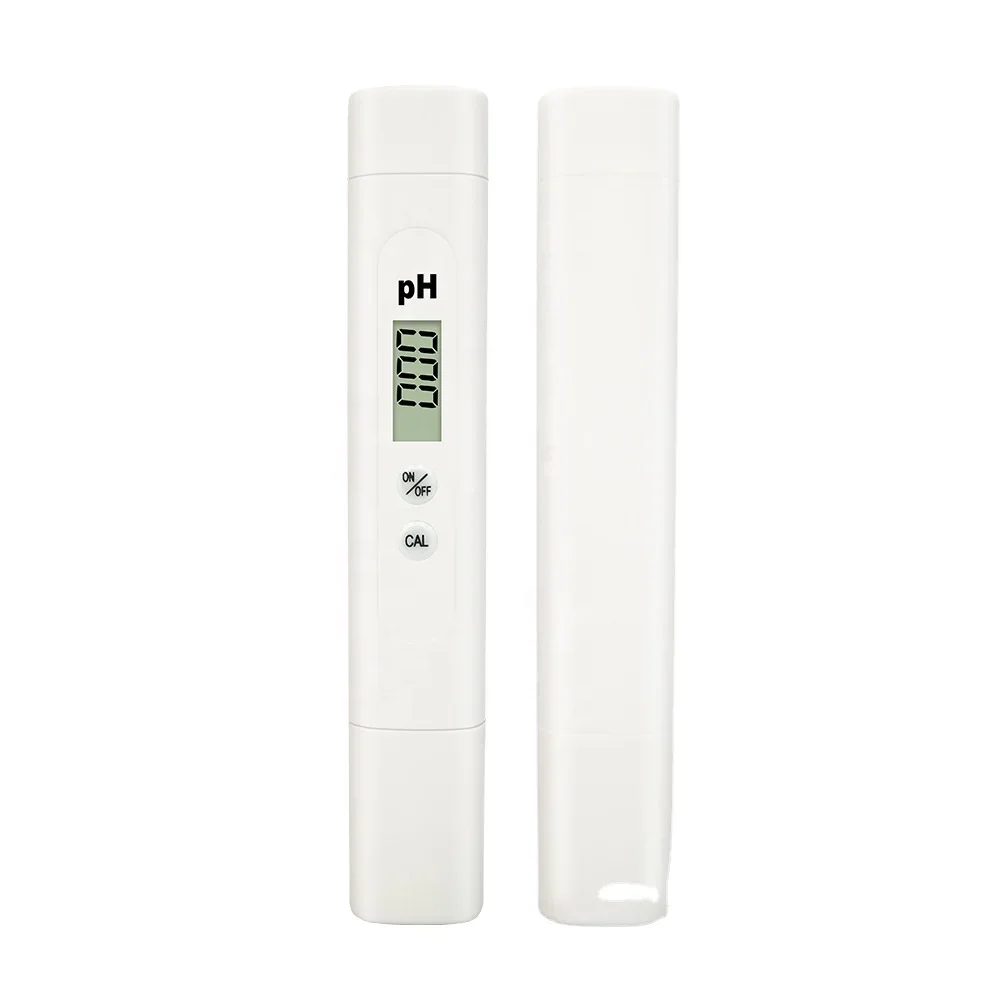
De nauwkeurigheid en betrouwbaarheid van pH-metingen hebben directe gevolgen voor de uitkomsten van milieutests, waardoor de keuze van en juiste gebruik van een pH-meter cruciaal is voor het handhaven van testnormen. Moderne milieuvoorschriften vereisen nauwkeurige documentatie van pH-waarden in diverse matrices, van industrieel afvalwater tot natuurlijke waterlichamen. Het begrijpen van de fundamentele rol van pH-metingen in milieutests helpt professionals om weloverwogen beslissingen te nemen over de keuze van apparatuur en testprotocollen.
Fundamentele principes van pH-metingen in milieutests
Begrip van de pH-schaal en milieutoepassingen
De pH-schaal meet zuurgraad en alkaliteit op een logaritmische schaal van 0 tot 14, waarbij 7 neutraal aangeeft. Bij milieuonderzoek geven pH-metingen cruciale informatie over waterkwaliteit, bodemgezondheid en verontreinigingsniveaus. Een hoogwaardige pH-meter detecteert zeer kleine veranderingen in de concentratie waterstofionen, waardoor milieuprofessionals bronnen van verontreiniging kunnen identificeren en de gezondheid van ecosystemen met opmerkelijke precisie kunnen beoordelen.
Milieuvoorbeelden vertonen vaak uitdagende meetomstandigheden, zoals wisselende temperaturen, ionsterkten en storende stoffen. Professionele pH-meters zijn voorzien van temperatuurcompensatiefuncties en speciale elektroden die zijn ontworpen om complexe monstermatrices te verwerken, zoals vaak voorkomen bij milieuonderzoek.
Elektrochemische meettechnologie
Moderne pH-meter-technologie maakt gebruik van electrochemische principes om nauwkeurige metingen te genereren. De glaselektrode reageert op de activiteit van waterstofionen door een meetbare elektrische potentiaalverschil te creëren. Referentie-elektroden bieden stabiele potentiaalpunten, waardoor het apparaat nauwkeurige pH-waarden kan berekenen via geavanceerde elektronische schakelingen.
Geavanceerde pH-meterontwerpen integreren digitale signaalverwerking en microprocessorbesturingssystemen die de meetstabiliteit verbeteren en storingen door omgevingsfactoren verminderen. Deze technologische verbeteringen garanderen een consistente prestatie onder diverse testomstandigheden, zoals vaak voorkomend bij toepassingen in milieu-monitoring.
Kritieke toepassingen in waterkwaliteitstests
Monitoring van gemeentelijke waterzuiveringsinstallaties
Gemeentelijke waterzuiveringsinstallaties zijn afhankelijk van continue pH-monitoring om chemische behandelingsprocessen te optimaliseren en veilige drinkwaterlevering te waarborgen. Een betrouwbare pH-meter stelt operators in staat om de juiste pH-waarden te handhaven tijdens alle behandelingsfasen, van coagulatie en vlokvorming tot desinfectie en distributie. Precieze pH-regeling heeft direct invloed op de behandelingsefficiëntie en helpt nutsbedrijven bij het voldoen aan de regelgevende normen die zijn vastgesteld door milieu- en natuurbeschermingsinstanties.
Operators van waterzuiveringsinstallaties gebruiken draagbare en tafelmodel pH-meters om geautomatiseerde monitoringssystemen te verifiëren en kwaliteitsborgingscontroles uit te voeren op verschillende locaties binnen de installatie. Regelmatige kalibratie en onderhoud van deze instrumenten garanderen nauwkeurige metingen die de volksgezondheid beschermen en naleving van regelgevende eisen waarborgen.
Naleving van emissienormen voor industrieel afvalwater
Industriële faciliteiten moeten de pH-waarden van afvalwater bewaken voordat dit wordt geloosd, om milieuverontreiniging te voorkomen en overtredingen van regelgeving te vermijden. Productieprocessen genereren vaak zuur- of basische afvalstromen die een pH-aanpassing vereisen voordat ze worden geloosd in gemeentelijke zuiveringsinstallaties of natuurlijke waterlichamen. Een geijkte pH-meter biedt de meetnauwkeurigheid die nodig is voor een juiste neutralisatie en voor nalevingsdocumentatie.
Milieuconsultants en industriële hygiënisten vertrouwen op draagbare pH-meters om monitoring uit te voeren voor lozingvergunningen en milieueffectbeoordelingen. Deze metingen ondersteunen de rapportagevereisten van toezichthoudende instanties en helpen faciliteiten om normen voor milieuzorg in stand te houden.
PH-analyse van bodem en sediment
Landbouwkundig bodembeheer
De pH-waarde van de grond beïnvloedt sterk de beschikbaarheid van voedingsstoffen, de microbiële activiteit en de gezondheid van planten in landbouwsystemen. Milieulaboratoria voor onderzoek gebruiken gespecialiseerde pH-meters die zijn ontworpen voor metingen in grondslurries om de toestand van landbouwgrond te beoordelen. Deze metingen leiden beslissingen over de toepassing van meststoffen en helpen landbouwers de gewasopbrengst te optimaliseren terwijl de milieubelasting wordt geminimaliseerd.
Programma’s voor precisielandbouw integreren regelmatige pH-metingen van de grond met geijkte pH-meters om gedetailleerde grondkaarten op te stellen en locatie-specifieke beheersstrategieën te ontwikkelen. Deze aanpak vermindert het verspilling van meststoffen en voorkomt het uitwassen van voedingsstoffen, wat kan leiden tot verontreiniging van oppervlaktewater- en grondwaterbronnen.
Karakterisering van verontreinigde locaties
Milieusaneringsprojecten vereisen een uitgebreide karakterisering van de pH-waarde van de grond om de omvang van verontreiniging te beoordelen en geschikte saneringstechnologieën te selecteren. Zure omstandigheden kunnen zware metalen mobiliseren, terwijl alkalische omstandigheden het gedrag van organische verontreinigingen kunnen beïnvloeden. Een betrouwbare pH-meter levert essentiële gegevens voor het ontwerp van saneringsmaatregelen en bewakingsprogramma’s.
Teamleden voor terreinsonderzoek gebruiken robuuste, draagbare pH-meters die geschikt zijn voor gebruik onder uitdagende omstandigheden. Deze instrumenten moeten nauwkeurige metingen leveren in verontreinigde matrices en bestand zijn tegen de zware omgevingsomstandigheden die typisch zijn tijdens saneringsactiviteiten.
Procesbeheersing en kwaliteitsborging
Laboratoriumkwaliteitsmanagementsystemen
Milieutestlaboratoria implementeren strenge kwaliteitsborgingsprogramma's die afhankelijk zijn van correct onderhouden en geijkte pH-meterapparatuur. Laboratoriumaccreditienormen vereisen gedocumenteerde ijkingprocedures, regelmatige prestatieverificatie en traceerbaarheid naar nationale meetstandaarden. Kwaliteitsmanagers stellen protocollen op voor het onderhoud van pH-meters, de frequentie van ijking en het bewaken van de prestaties om de betrouwbaarheid van de metingen te waarborgen.
Analytisch chemici volgen gestandaardiseerde procedures voor het gebruik van pH-meters, waaronder juiste elektrodevoorbereiding, verificatie van de ijking en protocollen voor monstermeting. Deze kwaliteitscontrolemaatregelen zorgen ervoor dat pH-metingen voldoen aan wettelijke eisen en betrouwbare milieutestresultaten ondersteunen.
Integratie van geautomatiseerde bewakingssystemen
Moderne programma's voor milieumonitoring zijn in toenemende mate afhankelijk van geautomatiseerde systemen die continue pH-metingmogelijkheden omvatten. Deze systemen maken gebruik van industriële pH-metercomponenten die zijn ontworpen voor langdurige, onbewaakte werking onder uitdagende milieuomstandigheden. Functies voor gegevensregistratie en telemetrie maken externe monitoring en realtime waarschuwingssystemen mogelijk voor toepassingen op het gebied van procesregeling.
Systeemintegratoren kiezen pH-metertechnologieën die stabiele, driftvrije metingen leveren gedurende langere perioden en minimale onderhoudsinspanning vereisen. Geavanceerde elektrodetechnologieën en intelligente diagnosefuncties dragen bij aan de betrouwbaarheid van de metingen in geautomatiseerde monitoringsapplicaties.
Technische Specificaties en Selectiecriteria
Nauwkeurigheids- en resolutie-eisen
Toepassingen voor milieuonderzoek vereisen pH-meterapparatuur met de juiste nauwkeurigheid en resolutie voor specifieke meetvereisten. Bij het bewaken van naleving van regelgeving is doorgaans een nauwkeurigheid van ±0,01 pH-eenheid vereist, terwijl sommige onderzoeksapplicaties zelfs nog hogere precisie vereisen. Resolutiespecificaties bepalen de kleinste meetbare pH-verandering en beïnvloeden het vermogen van het instrument om subtiele milieuvariaties te detecteren.
Temperatuurcompensatiefunctionaliteiten zorgen voor nauwkeurige pH-metingen binnen de temperatuurbereiken die voorkomen bij milieuvoorbeelden. Automatische temperatuurcompensatiefuncties, die zijn ingebouwd in moderne pH-meterontwerpen, elimineren meetfouten die worden veroorzaakt door temperatuurschommelingen tijdens veld- en laboratoriumtests.
Elektrodekeuze en onderhoud
Milieumonstermatrices vereisen gespecialiseerde elektrodeconfiguraties die zijn geoptimaliseerd voor specifieke meetomstandigheden. Algemene glaselektrodes werken goed voor schone watervoorbeelden, terwijl combinatie-elektrodes met ingebouwde referentie-elementen de bediening vereenvoudigen en het risico op verontreiniging verminderen. Gespecialiseerde elektrodes die zijn ontworpen voor grond, sediment of monsters met een hoog ionengehalte waarborgen optimale pH-meterprestaties in uitdagende toepassingen.
Een juiste elektrodeonderhoudsprocedure verlengt de levensduur van de pH-meter en behoudt de meetnauwkeurigheid. Regelmatige reinigingsprotocollen, juiste opbergprocedures en tijdige vervangingsplanningen voorkomen meetdrijf en zorgen voor consistente prestaties gedurende de gehele operationele levensduur van het instrument.
Naleving van regelgeving en documentatie
Milieubeschermingsnormen
Milieubeschermingsagentschappen stellen specifieke pH-metvereisten vast voor diverse monitoringprogramma's, waaronder normen voor de kwaliteit van oppervlaktewater, regelgeving voor de bescherming van grondwater en vergunningen voor industriële lozingen. Deze regelgeving specificeert aanvaardbare prestatiecriteria voor pH-meters, kalibratievereisten en documentatieprocedures die laboratoria en monitoringprogramma's moeten naleven.
Nalevingsfunctionarissen en milieuraadgevers moeten de regelgevende vereisten met betrekking tot nauwkeurigheid, frequentie en rapportageformaten voor pH-metingen begrijpen. Een juiste selectie en correct gebruik van pH-meters zorgen ervoor dat monitoringprogramma's voldoen aan de regelgevende verwachtingen en de doelstellingen van milieubescherming ondersteunen.
Gegevensbeheer en archivering
Milieutestprogramma's genereren aanzienlijke hoeveelheden pH-metgegevens die adequaat moeten worden beheerd en gearchiveerd om te voldoen aan regelgeving en voor langetermijn-trendanalyse.
Kwaliteitsborgingsprogramma's vereisen uitgebreide registratie van kalibratie, onderhoud en prestatieverificatie van pH-meters. Elektronische gegevensbeheersystemen helpen laboratoria en monitoringprogramma's volledige documentatie bij te houden en verbeteren de toegankelijkheid van gegevens voor rapportage en analyse.
Veelgestelde vragen
Hoe vaak moeten pH-meters voor milieutests worden gekalibreerd?
PH-meters voor milieuonderzoek moeten dagelijks vóór gebruik worden geijkt, of vaker indien de metingen afwijkingen vertonen of wanneer met kritieke monsters wordt gewerkt. Tweepuntsijkingen met behulp van pH 4,01- en pH 7,00-bufferoplossingen bieden voldoende nauwkeurigheid voor de meeste milieutoepassingen, terwijl driepuntsijkingen — inclusief een pH 10,01-buffer — noodzakelijk kunnen zijn voor alkalische monsters. Controleer de ijking altijd met een derde bufferoplossing om een juiste elektroderespons over het gehele meetbereik te waarborgen.
Welke factoren beïnvloeden de nauwkeurigheid van pH-meters bij milieuvoorbeelden
Verschillende factoren kunnen de nauwkeurigheid van een pH-meter bij milieuonderzoek beïnvloeden, waaronder de temperatuur van het monster, de ionsterkte, de toestand van de elektrode en storende stoffen. Temperatuurvariaties vereisen automatische compensatie of handmatige correctie om meetfouten te voorkomen. Bij monsters met een hoge ionsterkte kunnen overgangspotentiaal-effecten optreden, terwijl vervuiling van de elektrode door organische stoffen of neerslagen kan leiden tot een trage reactie en drift. Regelmatig onderhoud van de elektrode en een geschikte keuze van bufferoplossingen helpen deze effecten te minimaliseren.
Kunnen pH-meters de pH direct in grondmonsters meten?
Standaard pH-meters kunnen de pH van grond niet direct meten vanwege de vaste matrix en het beperkte vochtgehalte. Voor het meten van de pH van grond is voorbereiding van het monster vereist, meestal door de grond te mengen met gedestilleerd water of een zoutoplossing om een meetbare slurrie te verkrijgen. De verhouding grond-tot-water beïnvloedt de resultaten, waardoor genormaliseerde procedures exacte verhoudingen en mengtijden specificeren. Sommige gespecialiseerde pH-meterprobes zijn ontworpen voor directe inbrenging in vochtige grond, maar deze geven minder nauwkeurige resultaten dan laboratoriumslurriemethoden.
Wat is het verschil tussen laboratorium- en veld-pH-meters voor milieutests?
Laboratorium-pH-meters bieden doorgaans een hogere nauwkeurigheid, betere temperatuurregeling en geavanceerdere kalibratieopties in vergelijking met veldinstrumenten. Tafelmodellen bieden superieure stabiliteit en precisie voor metingen die vereist zijn voor naleving van regelgeving, terwijl draagbare veldapparaten de nadruk leggen op robuustheid, batterijbedrijf en weerbestendigheid. Veld-pH-meters doen vaak enige afstand van nauwkeurigheid ten gunste van gebruiksgemak en duurzaamheid, waardoor ze geschikt zijn voor screeningsmetingen en voorlopige beoordelingen, maar niet voor definitieve regelgevende monitoring.