EN
EN


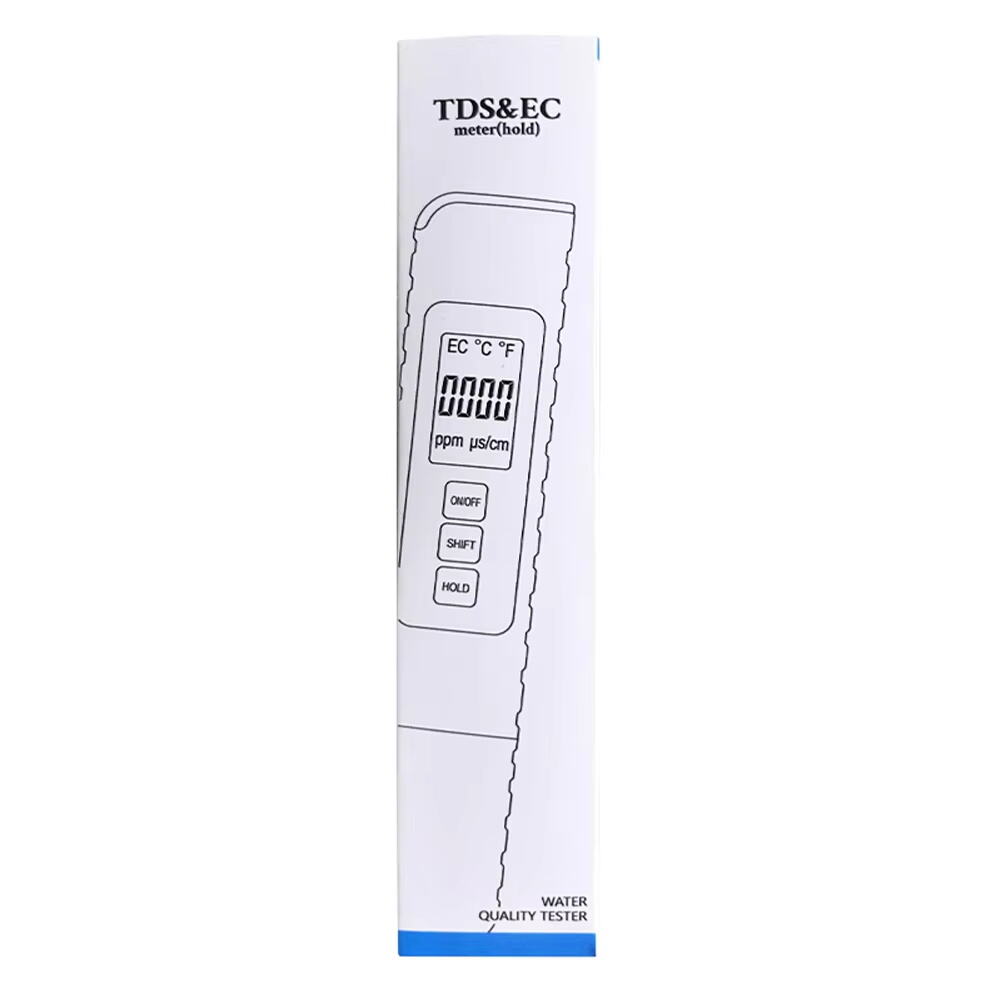
Profesioniștii care efectuează teste de teren se confruntă cu numeroase provocări în cadrul evaluărilor calității apei în medii diverse. Evoluția tehnologiei digitale pentru pH-metre a revoluționat modul în care tehnițienii abordează sarcinile de măsurare a pH-ului, oferind o lizibilitate și o precizie îmbunătățite, pe care pH-metrele analogice tradiționale nu le pot oferi. pH-metrele digitale moderne afișează valori numerice clare, eliminând necesitatea de estimare asociată cu citirile acului analogic și asigurând rezultate mai precise în aplicațiile critice de teren. Aceste instrumente avansate au devenit unelte indispensabile pentru cercetătorii din domeniul mediului, specialiștii în întreținerea bazinelor, profesioniștii din agricultură și tehnicienii din domeniul tratării apei, care necesită măsurători fiabile ale pH-ului în condiții exterioare dificile.
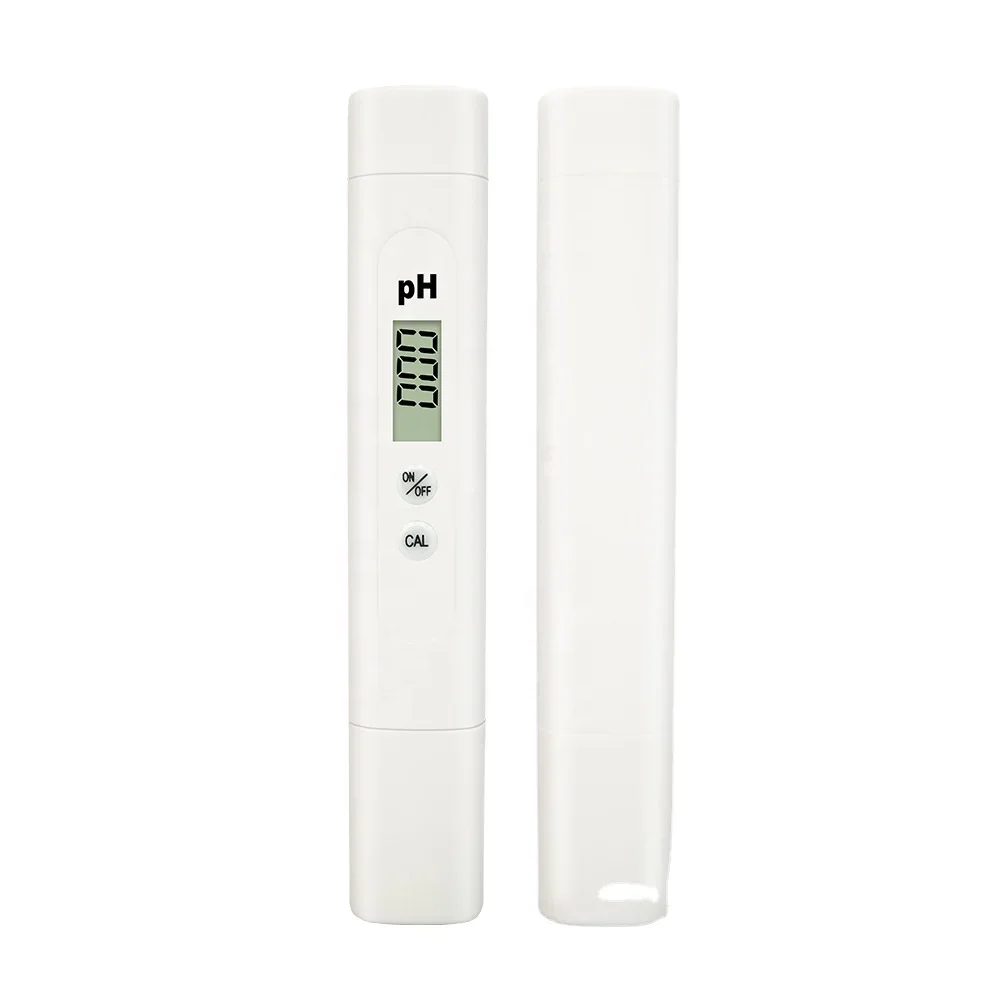
Tehnologia îmbunătățită de afișare în pH-metrele digitale
Avantajele ecranului LCD pentru utilizarea în teren
Tehnologia afișajului cu cristale lichide utilizată în dispozitivele digitale moderne de pH oferă avantaje semnificative față de tradicionalele aparate analogice. Ecranele LCD oferă indicații numerice clare și cu un contrast ridicat, care rămân vizibile chiar și în lumina intensă a soarelui sau în condiții de lumină redusă, frecvent întâlnite în timpul testărilor de teren. Afișajul digital elimină erorile de paralaxă care apar adesea la citirea poziției acului analogic din unghiuri diferite. Majoritatea unităților digitale de pH sunt echipate cu cifre mari și ușor de citit, care pot fi vizualizate rapid în timpul procedurilor de eșantionare rapide, îmbunătățind astfel eficiența generală a testărilor.
Modelele avansate de pH-metre digitale includ afișaje cu iluminare de fundal care își ajustează automat luminozitatea în funcție de condițiile de iluminare ambientală. Această caracteristică de iluminare adaptivă asigură o vizibilitate optimă, indiferent dacă măsurătorile se efectuează în albia umbroasă a unui pârâu, într-un laborator bine iluminat sau în instalații industriale slab iluminate. Afișarea digitală constantă reduce obosirea ochilor pentru tehnicienii care efectuează mai multe măsurători în cadrul sesiunilor extinse de teren, contribuind astfel la colectarea unor date mai precise și la reducerea erorilor de măsurare.
Capabilități de afișare multi-parametru
Instrumentele digitale moderne de măsurare a pH-ului adesea dispun de afișaje cu mai multe linii care afișează simultan valorile pH împreună cu citirile de temperatură și indicatorii stării de calibrare. Această prezentare cuprinzătoare a informațiilor permite tehnicilor de teren să monitorizeze mai mulți parametri fără a comuta între diferite moduri de măsurare sau fără a consulta instrumente separate. Posibilitatea de a vizualiza citirile pH compensate în funcție de temperatură direct pe afișajul digital al pH-metrului asigură faptul că variațiile termice nu compromit acuratețea măsurătorilor în timpul procedurilor de testare de teren.
Unele modele sofisticate de pH-metre digitale includ afișaje grafice care pot reda tendințele măsurătorilor în timp, oferind informații valoroase privind fluctuațiile calității apei în perioadele extinse de monitorizare. Aceste afișaje ale tendințelor ajută tehnicianii să identifice modele și anomalii care ar putea să nu fie evidente din măsurătorile punctuale individuale, sporind astfel valoarea generală a datelor obținute în timpul testărilor de teren.
Caracteristici de design ergonomic pentru aplicații în teren
Construcție portabilă și durabilitate
Designurile moderne ale pH-metrilor digitali acordă prioritate portabilității și rezistenței pentru a face față cerințelor mediilor de testare în teren. Factorii de formă compacți permit tehnicienilor să transporte ușor aceste instrumente între locurile de testare, în timp ce construcția robustă asigură o funcționare fiabilă, chiar și în prezența umidității, variațiilor de temperatură și a impacturilor fizice. Multe unități digitale pH-metru sunt echipate cu carcase impermeabile, certificate pentru scufundare, permițând măsurători directe în medii acvatice fără riscul deteriorării instrumentului.
Construcția ușoară a dispozitivelor moderne pH-metru digitale reduce obosirea în timpul sesiunilor îndelungate în teren, permițând tehnicienilor să mențină mâinile stabile pentru o poziționare precisă a sondei. Mânerul din cauciuc și suprafețele texturate asigură o prindere sigură chiar și atunci când se lucrează cu mănuși sau cu mâinile ude, situații frecvente în aplicațiile de testare în teren.
Design Interfață Utilizator Prietenoasă
Amplasarea intuitivă a butoanelor și sistemele de meniu din instrumentele digitale moderne de măsurare a pH-ului minimizează curba de învățare pentru utilizatorii noi, reducând în același timp erorile operaționale în timpul măsurătorilor critice. Butoanele mari, clar etichetate, pot fi acționate ușor chiar și când se poartă mănuși de protecție, iar structurile simplificate ale meniurilor permit accesul rapid la funcțiile esențiale, fără a fi necesară navigarea prin submeniuri complexe. Funcțiile auto-hold, frecvent întâlnite în designul digital al pH-metrilor, îngheță automat valorile măsurate în momentul în care acestea se stabilizează, permițând tehnicilor să înregistreze rezultatele fără a menține un contact vizual constant cu afișajul.
Indicațiile vocale și avertizările audio din modelele avansate etalon digital ph oferă orientare suplimentară utilizatorului, în special în situații în care lucrul se desfășoară în medii zgomotoase, unde indiciile vizuale ar putea fi pierdute. Aceste caracteristici audio sporesc fiabilitatea măsurătorilor prin confirmarea calibrărilor reușite și prin avertizarea utilizatorilor cu privire la eventualele erori de măsurare sau la necesitatea întreținerii electrozilor.
Caracteristici avansate de calibrare și precizie
Recunoaștere automată a calibrării
Instrumentele digitale sofisticate de măsurare a pH-ului includ tehnologia de recunoaștere automată a soluțiilor tampon, care identifică soluțiile de calibrare și ajustează în consecință parametrii de măsurare. Acest sistem inteligent de calibrare reduce timpul de configurare și minimizează erorile de calibrare care pot apărea atunci când tehnicianii selectează manual valori greșite pentru soluțiile tampon. Memoria digitală a pH-metrului stochează datele de calibrare și afișează starea de calibrare, asigurându-se că utilizatorii pot verifica gata-de-funcționare a instrumentului înainte de începerea secvențelor de măsurare.
Monitorizarea în timp real a calibrării în modelele avansate de pH-metre digitale evaluează în mod continuu performanța electrozilor și alertează utilizatorii atunci când devine necesară recalibrarea. Această abordare proactivă a managementului calibrării contribuie la menținerea acurateței măsurătorilor pe parcursul perioadelor prelungite de testare în teren și previne colectarea de date cu instrumente necalibrate corespunzător.
Precizia compensării temperaturii
Tehnologia modernă digitală a pH-metrului include algoritmi sofisticați de compensare a temperaturii, care iau în considerare comportamentul dependent de temperatură al electrozilor de pH și al soluțiilor analizate. Compensarea automată a temperaturii asigură faptul că măsurătorile de pH rămân precise pe întreaga gamă largă de temperaturi întâlnită frecvent în aplicațiile de testare de teren. Afișajul digital al pH-metrului indică, de obicei, atât valoarea de pH măsurată, cât și temperatura probei, oferind astfel un context complet al măsurătorii pentru interpretarea datelor.
Modelele avansate digitale ale pH-metrului permit utilizatorilor să aleagă între modurile de compensare automată și manuală a temperaturii, oferind flexibilitate pentru protocoale de testare specializate. Posibilitatea de a introduce valorile manuale ale temperaturii se dovedește deosebit de valoroasă atunci când se analizează probe care au fost colectate și transportate în condiții de temperatură diferite.
Gestionarea datelor și opțiunile de conectivitate
Capacități integrate de stocare a datelor
Instrumentele digitale moderne de măsurare a pH-ului sunt dotate cu o capacitate semnificativă de memorie internă pentru stocarea datelor de măsurare, eliminând necesitatea transcrierii imediate în timpul procedurilor de testare în teren. Funcția automată de înregistrare a datelor poate înregistra măsurătorile la intervale predeterminate, generând seturi complete de date pentru analiza tendințelor și pentru raportarea conform reglementărilor. Sistemul digital de stocare a datelor pentru pH-metre include, de obicei, marcaje de timp și identificatori de locație, asigurând o urmăribilitate completă a măsurătorilor în scopuri de asigurare a calității.
Modelele avansate de pH-metre digitale susțin formate personalizabile de înregistrare a datelor, care pot fi adaptate cerințelor specifice de raportare sau structurilor de baze de date. Utilizatorii pot configura intervalele de măsurare, câmpurile de date și parametrii de stocare pentru a corespunde protocoalelor specifice de testare sau standardelor reglementare, optimizând astfel procesele ulterioare de analiză și raportare a datelor.
Conectivitate fără fir și monitorizare la distanță
Tehnologia modernă a pH-metrilor digitali integrează din ce în ce mai mult opțiuni de conectivitate fără fir, care permit transmiterea în timp real a datelor către sistemele de monitorizare la distanță sau dispozitivele mobile. Funcționalitățile Bluetooth și Wi-Fi permit tehnicienilor să împărtășească imediat datele de măsurare cu supraveghetori sau baze de date centrale, reducând întârzierile în procesele critice de luare a deciziilor. Stocarea datelor în cloud, accesibilă prin conectivitatea digitală a pH-metrilor, asigură faptul că înregistrările de măsurare rămân sigure și accesibile din mai multe locații.
Caracteristicile de integrare cu smartphone-ul din instrumentele avansate de pH-metri digitali oferă funcționalități suplimentare prin aplicații mobile dedicate. Aceste aplicații pot afișa tendințele de măsurare, gestiona programele de etalonare și furniza instrucțiuni pentru depistarea și eliminarea defecțiunilor, extinzând astfel eficient capacitățile hardware ale pH-metrului digital prin îmbunătățiri software.
Aplicații și beneficii specifice industriei
Aplicații de monitorizare a mediului
Profesioniștii din domeniul mediului se bazează pe tehnologia digitală a pH-metrilor pentru evaluări critice ale calității apei în corpurile naturale de apă, în puțurile de monitorizare a apelor subterane și în investigațiile siturilor contaminate. Lizibilitatea îmbunătățită a afișajelor digitale se dovedește deosebit de valoroasă în efectuarea măsurătorilor în condiții de teren dificile, unde iluminatul poate fi slab sau condițiile meteorologice nefavorabile. Precizia și fiabilitatea instrumentelor digitale pentru măsurarea pH-ului asigură faptul că datele de monitorizare a mediului îndeplinesc standardele reglementare și oferă informații exacte pentru evaluările stării de sănătate a ecosistemelor.
Programele de monitorizare a cursurilor de apă beneficiază în mod semnificativ de timpii de răspuns rapizi și de citirile stabile oferite de tehnologia modernă a pH-metrelor digitale. Tehnicienii de teren pot obține măsurători precise ale pH-ului rapid, la mai multe puncte de eșantionare, permițând evaluări complete ale bazinelor hidrografice în termene limitate. Funcțiile de înregistrare a datelor ale pH-metrelor digitale sprijină programele de monitorizare pe termen lung, menținând înregistrări consistente ale măsurătorilor pe parcursul mai multor sezoane de teren.
Control al proceselor industriale
Instalațiile de producție utilizează tehnologia digitală a pH-metrului pentru aplicații critice de control al proceselor, în care variațiile de pH pot afecta în mod semnificativ calitatea produsului sau conformitatea cu reglementările. Afișajele digitale clare permit operatorilor să efectueze ajustări imediate ale procesului pe baza măsurătorilor exacte ale pH-ului, reducând la minimum deșeurile și asigurând specificațiile constante ale produsului.
Instalațiile de tratare a apei se bazează pe precizia pH-metrului digital pentru optimizarea dozării chimicale și pentru a garanta că apa tratată îndeplinește standardele de calitate. Fiabilitatea și precizia tehnologiei digitale de măsurare a pH-ului susțin sistemele automate de control, oferind în același timp capacitatea de verificare suplimentară pentru procesele critice de tratare.
Considerații privind întreținerea și durabilitatea
Îngrijirea electrozilor și performanța acestora
Întreținerea corespunzătoare a electrozilor rămâne esențială pentru menținerea preciziei digitale a pH-metrului și pentru prelungirea duratei de viață a instrumentului. Instrumentele digitale includ adesea funcții de diagnosticare a electrozilor care monitorizează performanța sondei și avertizează utilizatorii cu privire la eventualele necesități de întreținere înainte ca precizia să se deterioreze. Afișajele clare ale unităților digitale de pH facilitează recunoașterea momentului în care răspunsul electrodului devine lent sau instabil, determinând intervenții de întreținere la timp.
Designurile moderne ale pH-metrilor digitali includ caracteristici de protecție, cum ar fi protocoale automate de stocare a electrozilor și moduri de repaus cu consum redus de energie, care păstrează funcționalitatea electrozilor în perioadele de inactivitate. Aceste sisteme inteligente de gestionare a energiei prelungesc durata de viață a electrozilor, menținând în același timp pregătirea pentru măsurători, astfel încât instrumentul să fie gata de utilizare imediată în teren.
Factori de Fiabilitate Pe Termen Lung
Construcția în stare solidă a electronicii digitale a pH-metrului oferă o fiabilitate superioară comparativ cu sistemele analogice mecanice, reducând necesarul de întreținere și prelungind durata de funcționare. Circuitul digital rezistă deteriorării cauzate de vibrații și condițiilor extreme de temperatură, frecvent întâlnite în aplicațiile din teren, asigurând o performanță constantă în diverse condiții de operare. Verificarea periodică a calibrării, folosind soluții tampon certificate, menține acuratețea digitală a pH-metrului și oferă încredere în fiabilitatea măsurătorilor.
Actualizările firmware sunt disponibile pentru multe modele digitale de pH-metri, permițând utilizatorilor să beneficieze de algoritmi îmbunătățiți și funcționalități extinse, fără a fi necesară înlocuirea completă a instrumentului. Această posibilitate de actualizare prelungește durata de viață utilă a investițiilor în pH-metri digitali, păstrând în același timp compatibilitatea cu standardele de măsurare în continuă evoluție și cu cerințele reglementare.
Întrebări frecvente
Cât de des trebuie să calibrez pH-metrul meu digital pentru testarea în teren?
Frecvența calibrării depinde de intensitatea utilizării și de cerințele de precizie, dar majoritatea aplicațiilor din teren beneficiază de o calibrare zilnică efectuată cu soluții tampon proaspete. Măsurătorile critice pot necesita verificarea calibrării înainte de fiecare sesiune de testare, în timp ce monitorizarea rutinieră poate accepta programe de calibrare săptămânale. Recalibrați întotdeauna după curățarea electrodului, după stocare sau atunci când măsurătorile par inconsistente.
Ce avantaje oferă pH-metrele digitale față de cele analogice în condiții exterioare?
PH-metrele digitale oferă afișaje numerice clare, care rămân lizibile în diverse condiții de iluminare, elimină erorile de citire datorate paralaxei și asigură compensarea automată a temperaturii. Afișajul digital indică valori precise, fără necesitatea unei interpretări subiective, iar multe modele includ funcții de înregistrare a datelor și conectivitate, indisponibile în instrumentele analogice. Rezistența la intemperii și protecția împotriva șocurilor în unitățile digitale sporesc, de asemenea, fiabilitatea în teren.
Pot măsurătorile digitale de pH fi efectuate cu precizie în temperaturi extreme?
Majoritatea pH-metrelor digitale de calitate funcționează cu precizie în domeniile de temperatură specificate, de obicei între 0°C și 60°C, compensarea automată a temperaturii menținând precizia măsurătorilor. Temperaturile extreme din afara acestor domenii pot afecta precizia, astfel că verificarea specificațiilor producătorului este importantă. Unele modele specializate oferă domenii extinse de temperatură pentru aplicații specifice.
Cum pot menține precizia măsurătorilor cu pH-metrul meu digital pe parcursul timpului?
Calibrarea regulată cu soluții tampon proaspete, stocarea corectă a electrodului în soluții adecvate și curățarea blândă a suprafețelor electrodului mențin precizia. Monitorizați timpul de răspuns și stabilitatea electrodului, înlocuindu-l atunci când răspunsul devine lent. Stocați instrumentele corespunzător între utilizări și efectuați verificări periodice ale preciziei folosind soluții de referință cunoscute, pentru a vă asigura că precizia se păstrează.
Cuprins
- Tehnologia îmbunătățită de afișare în pH-metrele digitale
- Caracteristici de design ergonomic pentru aplicații în teren
- Caracteristici avansate de calibrare și precizie
- Gestionarea datelor și opțiunile de conectivitate
- Aplicații și beneficii specifice industriei
- Considerații privind întreținerea și durabilitatea
-
Întrebări frecvente
- Cât de des trebuie să calibrez pH-metrul meu digital pentru testarea în teren?
- Ce avantaje oferă pH-metrele digitale față de cele analogice în condiții exterioare?
- Pot măsurătorile digitale de pH fi efectuate cu precizie în temperaturi extreme?
- Cum pot menține precizia măsurătorilor cu pH-metrul meu digital pe parcursul timpului?