EN
EN


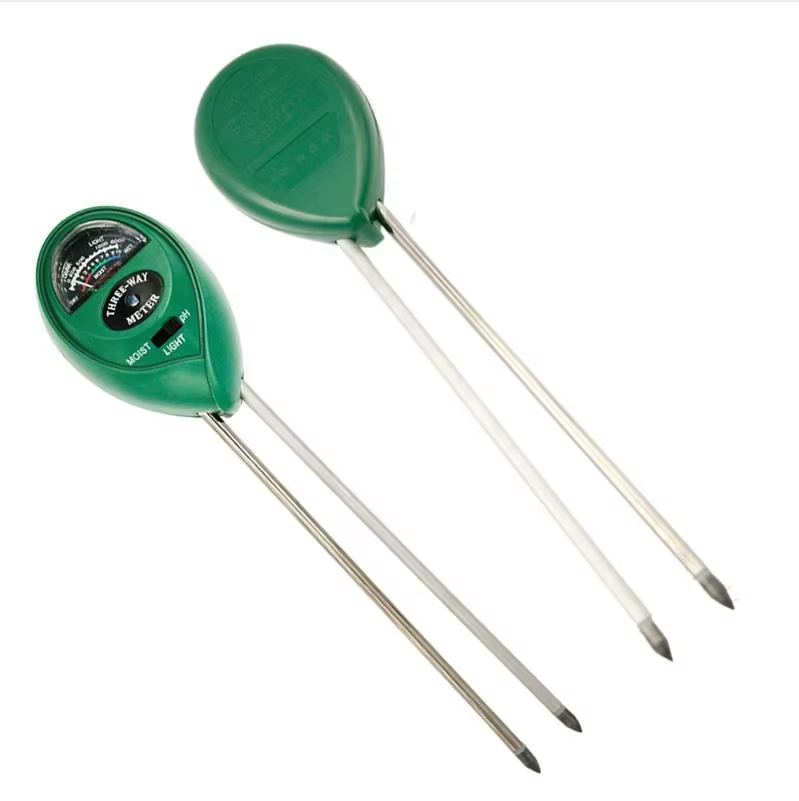
Kuptimi i kushteve të tokës është themelor për projektet e suksesshme të kopshtarisë, bujqësisë dhe peizazhit. Një tester i besueshëm i tokës shërben si një mjet diagnostikor thelbësor që ofron matje të sakta të parametrave kritikë të tokës, përfshirë përmbajtjen e lagështisë, nivelet e ushqyesve dhe ekuilibrin e pH-së. Pajisjet moderne digjitale për testimin e tokës kanë revolucionarizuar mënyrën se si profesionalët dhe entuziastët mbikëqyren shëndetin e tokës, duke ofruar lexime të sakta që lejojnë marrjen e vendimeve të informuara për rritjen optimale të bimëve dhe prodhimin e arave.
Pajisjet profesionale për testimin e tokës janë bërë gjithnjë e më të sofistikuara, duke përfshirë shumë sensorë dhe sisteme të avancuara kalibrimi për të ofruar rezultate me cilësi laboratori në kushte fushë. Këto zgjidhje komplekse testimi eliminojnë supozimet nga menaxhimi i tokës, duke ofruar përgjigje të menjëhershme që ndihmojnë në optimizimin e skedarëve të irrighimit, aplikimeve të plehrave dhe strategjive të korrigjimit të pH-së.
Kuptimi i Parimeve të Matjes së Lagështisë së Tokës
Metodat e Përcjellshmërisë Elektrike
Sensorët modernë të lagështisë së tokës përdorin parimet e përcjellshmërisë elektrike për të përcaktuar saktësisht përmbajtjen e ujit. Kur elektrodat e sondës depërtojnë në tokë, ata masin rezistencën elektrike midis pikave të kontaktit, e cila ndryshon në mënyrë inverse me nivelet e lagështisë. Përmbajtja më e lartë e ujit zvogëlon rezistencën elektrike, duke i lejuar pajisjes të llogarisë përqindjet e sakta të lagështisë. Kjo metodë ofron lexime të besueshme nëpër lloje të ndryshme toke dhe përbërje, çka e bën të përshtatshme për aplikime të ndryshme bujqësore dhe hortikole.
Qasja e përcjellshmërisë elektrike ofron disa përparësi në krahasim me metodat tradicionale gravimetrike, përfshirë rezultate të menjëhershme dhe mundësi testimi jo të shkatërrueshëm. Instrumentet digjitale të avancuara kanë algoritme kompensimi temperaturash që rregullojnë leximet bazuar në kushtet ambientale, duke siguruar saktësi të qëndrueshme pavarësisht nga lëkundjet e mjedisit. Pajisjet profesionale shpesh përfshijnë disa gamme matjesh për t'i përshtatur niveleve të ndryshme lagështie, nga kushtet e thatësirës deri te tokat e ngopura.
Kalibrimi dhe Faktorët e Saktësisë
Arritja e matjeve të sakta të lagështisë kërkon procedura të duhura kalibrimi që marrin parasysh llojin e tokës, përmbajtjen minerale dhe përbërjen e lëndës organike. Teksturat e ndryshme të tokës ndikojnë në modelet e përçueshmërisë elektrike, duke bërë të nevojshme cilësime specifike kalibrimi për argjilën, rërën, dheun dhe përbërjet e përziera. Pajisjet e testimit të tokës me cilësi të lartë përfshijnë mënyra të paracaktuara kalibrimi për llojet e zakonshme të tokës, ndërsa modelet e përparuara lejojnë kalibrimin e personalizuar për aplikime të specializuara.
Faktorët ambiental si temperatura, kripësia dhe niveli i ngjeshjes mund të ndikojnë në saktësinë e matjeve. Pajisjet profesionale për testimin e tokës përfshijnë algoritme kompensimi që minimizojnë këto efekte, duke ofruar rezultate të qëndrueshme në kushte të ndryshme fushore. Kontrollimet e rregullta të kalibrimit duke përdorur materiale referimi standarde sigurojnë besueshmëri të gjatëkohëshme të matjeve dhe ruajnë saktësinë gjatë tërë jetëgjatësisë operative të pajisjes.
zbulimi dhe Analiza e Nivelit të pH-së
Matja Elektrokimike e pH-së
Matja e saktë e pH-së në tokë kërkon sensorë elektrokimikë të specializuar që zbulojnë përqendrimin e joneve hidrogjen me anë të diferencave të potencialit të tensionit. Cilësia testues dheñsash pajisjet përdorin sisteme elektrodash prej xhami ose sensorë gjysmëpërçues që gjenerojnë sinjale elektrike të matura proporcionale me nivelet e pH-së. Këta sensorë duhet të ruajnë potenciale referimi të qëndrueshme për të siguruar lexime të konsekuenta në intervalin tipik të pH-së së tokës nga 3,0 deri në 10,0.
Qasja elektrokimike ofron saktësi superiore krahasuar me metodat kolorimetrike, duke ofruar matje të sakta me rezolucion zakonisht brenda 0,1 njësish pH. Instrumentet digjitale për testimin e tokës kanë kompensim automatik të temperaturës që rregullon leximet e pH-së bazuar në temperaturën e tokës, pasi vlerat e pH-së tregojnë sjellje të varur nga temperatura. Kjo kompensim garanton rezultate të sakta pavarësisht nga ndryshimet stinore të temperaturës ose fluktuacionet termike ditore.
Konsiderata për Kapacitetin e Pushtetit të Tokës
Matja e pH-së së tokës bëhet më e ndërlikuar për shkak të efekteve të kapacitetit buffer, ku përbërësit e tokës rezistojnë ndryshimeve të pH-së përmes mekanizmave kimikë buffer. Lënda organike, mineralët e argjilës dhe komponimet karbonate kanë një rol në kapacitetin buffer, duke ndikuar në shpejtësinë me të cilën arrin ekuilibri i pH-së gjatë testimit. Pajisjet e avancuara për testimin e tokës merren parasysh këto efekte buffer përmes periudhash të zgjatura matjeje dhe algoritmeve të stabilizimit.
Protokollet profesionale të testimit të pH-së së tokës rekomandojnë pika matjese të shumta dhe teknika mesatare për t'u përballur me variacionin hapësinor dhe jashtështësinë e kapacitetit buffer. Instrumentet moderne digjitale përfshijnë funksione analizash statistikore që llogarisin vlera mesatare, devijime standarde dhe intervale besimi nga lexime të shumta, duke ofruar vlerësime më të besueshme të pH-së për aplikime bujqësore në shkallë të madhe.
Teknikat e Vlerësimit të Niveleve të Ushqyerësve
Teknologjia e Elektrodave Selektive për Jone
Përcaktimi i koncentrimeve të ushqyesve në tokë kërkon teknologji të sofistikuara të sensorëve të aftë të zbulimit të specieve të caktuara jonike në matricat komplekse të tokës. Elektrodët e zgjedhshëm për jone përfaqësojnë metodën më të saktë për analizën fushore të ushqyesve, duke përdorur membrana specializuar që reagojnë selektivisht ndaj ushqyesve të synuar si azoti, fosfori dhe kaliumi. Këta elektroda gjenerojnë sinjale tensioni proporcionale me koncentrimin e joneve, duke lejuar matjet sasiore të ushqyesve.
Analizatorët modernë portativë të tokës integrojnë shumë elektroda të zgjedhshëm për jone në platforma kompakte testimi, duke lejuar matjen njëkohësisht të makronutrientëve kryesorë dhe të mikronutrientëve. Sistemet e elektrodave kërkojnë kalibrim të kujdesshëm duke përdorur zgjidhje standarde me koncentrime të njohura për të vendosur kurba të sakta të reagimit. Algoritmet e kompensimit të temperaturës dhe të korrigjimit të pengesave sigurojnë performancë të besueshme në kushte dhe përbërje të ndryshme toke.
Integrimi i Analizës me Ngjyrë
Teknikat komplementare të analizës së ngjyrave rrisin mundësitë e zbulimit të ushqyesve duke ofruar konfirmim vizual të rezultateve të testeve kimike. Këto metoda përdorin reagente që ndryshojnë ngjyrën dhe që reagojnë me ushqyes specifikë, duke prodhuar intensitete të matshme të ngjyrës proporcionale me nivelet e përqendrimit. Pajisjet digjitale për testimin e tokës shpesh përfshijnë sensorë optikë që matin ndryshimet e ngjyrës, duke eliminuar gabimet subjektive të interpretimit vizual.
Sistemet e avancuara kolorimetrike kanë mundësi detektimi në disa valë, duke lejuar analizën njëkohësisht të komponimeve të ndryshme të ushqyesve përmes teknikave të analizës spektrale. Ky qasje përmirëson efikasitetin e testimit dhe zvogëlon kërkesat për përgatitjen e mostrave krahasuar me metodat tradicionale të kimisë së lagur. Algoritmet e integruara të përpunimit të të dhënave i kthejnë matjet optike në njësi të standardizuara të përqendrimit të ushqyesve për krahasim të drejtpërdrejtë me udhëzimet e vendosura për fertilitetin.
Monitorimi i Temperaturës dhe i Mjedisit
Integrimi i Sensorëve Termikë
Analiza e plotë e tokës kërkon monitorim të saktë të temperaturës për të siguruar besnikërinë e matjeve dhe ofrimin e të dhënave të vlefshme mbi kushtet e rritjes. Instrumentet digjitale për testimin e tokës përfshijnë sensorë termikë të saktë që masin kushtet termike të tokës me saktësi të lartë, zakonisht brenda një rezolucion 0.1°C. Të dhënat e temperaturës shërbejnë dy qëllime: ofrojnë kompensim matësish për parametrat e tjerë dhe ofrojnë informacion kritik rreth kushteve termike të zonës rrënjore.
Matjet e temperaturës së tokës ndihmojnë në optimizimin e skedarëve të mbjelljes, në monitorimin e modeleve stinorë të ngrohjes së tokës dhe në vlerësimin e kushteve të stresit termik që ndikojnë në zhvillimin e bimës. Pajisjet e avancuara për testim kanë mundësi regjistrimi të dhënash që ruajnë profilet e temperaturës për periudha të gjata, duke lejuar analizën e tendencave termike dhe variacioneve stinore. Kjo informacion është e pavlerësueshme për menaxhimin e ujërimit, planifikimin e mbrojtjes kundër ngricës dhe vendimet mbi kohëzgjatjen e kulturës.
Vlerësimi i Intensitetit të Dritës
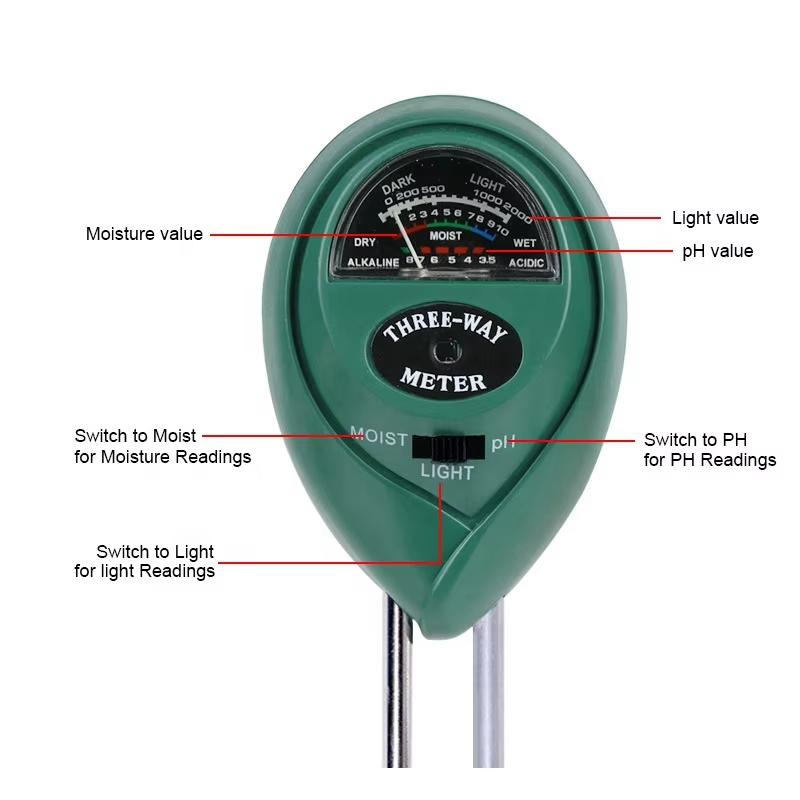
Shumë instrumente moderne për testimin e tokës përfshijnë sensorë drite ambientale që masin nivelet e rrezatimit të veprimtë fotosintetik, duke ofruar mundësi të plota për monitorimin e mjedisit. Matjet e intensitetit të dritës ndihmojnë në vlerësimin e kushteve të rritjes mbi tokë, ndërkohë që parametrat e tokës vlerësohen nën tokë, duke ofruar një analizë të plotë të vendit për vendimet e zgjedhjes dhe vendosjes së bimëve.
Ekspozimet e integruara zakonisht masin ndricimin në njësi luks ose kandela-këmbë, me disa modele të avancuara që ofrojnë matje të dendësisë së rrymës së fotonëve fotosintetikë, të cilat janë veçanërisht të rëndësishme për rritjen e bimëve. Këto të dhëna mjedisore i plotësojnë rezultatet e analizës së tokës, duke lejuar vlerësime të holistike të vendit që merren parasysh njëkohësisht kushtet e rritjes së tokës dhe atmosferike.
Zgjerime për Menaxhim dhe Analizë të Dhënash
Ekrani Digital dhe Ndërfaqja e Përdoruesit
Pajisjet moderne për testimin e tokës kanë ekranë digjitalë intuitivë që paraqesin rezultatet e matjeve në formate të qarta dhe të lehtë për tu lexuar. Teknologjitë e ekranit LCD ose LED ofrojnë dukshmëri të shkëlqyeshme në kushte të ndryshme drite, ndërsa mundësia e prapavijës siguron lexueshmërinë gjatë operacioneve fushore me dritë të pakrueshme. Dizajni i interfejsit të përdoruesit thekson thjeshtësinë dhe efikasitetin, duke lejuar lundrim të shpejtë midis modëve të ndryshëm matës dhe zgjedhjeve të parametrave.
Instrumentet e avancuara për testimin e tokës ofrojnë mundësi të personalizuara të ekranit që prioritojnë parametra specifikë bazuar në paragjykime të përdoruesit dhe kërkesa aplikimi. Ekranet me shumë parametra lejojnë monitorimin njëkohës të gjendjeve të ndryshme të tokës, ndërsa ekranet grafike të tendencave ndihmojnë në vizualizimin e modeleve të matjeve në kohë. Sistemet intuitive të menysë dhe kontrollit me etiketa të qarta minimizojnë lakoren e mësimit dhe zvogëlojnë gabimet operative gjatë testimeve fushore.
Ruajtja e të Dhënave dhe Lidhja
Ekipamenti profesional për testimin e tokës përfshin gjithnjë më shpesh mundësi ruajtjeje të të dhënave që ruajnë historinë e matjeve për analizë dhe qëllime raportimi. Sistemet e kujtesës së brendshme mund të ruajnë qindra ose mijëra matjeve me informacione të shoqëruara kohore dhe vendndodhje. Kjo qëndrueshmëri e të dhënave lejon analizën e trendeve, krahasimet sezonale dhe programe të hollësishme mbikëqyrjeje të tokës.
Pajisjet moderne shpesh ofrojnë mundësi lidhjeje pa tel, përfshirë Bluetooth ose Wi-Fi, që lejojnë transferimin e të dhënave në smartphone, tablet ose sisteme kompjuterike. Platformat e menaxhimit të të dhënave në reju lejojnë hyrje nga distanca në rezultatet e testimit të tokës, gjenerim automatik të raporteve dhe integrim me sisteme menaxhimi të bujqësisë së saktë. Këto veçori lidhjeje transformojnë testerët portativë të tokës në pjesë përbërëse të ekosistemeve të plotë të menaxhimit të fermave.
Praktikat dhe Metodologjitë Më të Mirë të Aplikimit
Teknikat dhe Protokollet e Marrjes së Shembujve
Testimi efektiv i tokës kërkon qasje sistematike të mostrimit që garantojnë matje reprezentative në tërë zonën e testimit. Protokollet profesionale rekomandojnë pika të shumta matjese të rregulluara në modele rrjeti ose skema mostrimesh të rastësishme, në varësi të madhësisë së fushës dhe pritshmërisë së ndryshueshmërisë. Teknikat e duhura të futjes së sondës, duke përfshirë thellësinë e konstante të penetrimit dhe kontaktin adekuat me tokën, janë të domosdoshme për rezultate të sakta.
Konsideratat e kohës së mostrimit përfshijnë gjendjen e lagështisë së tokës, ngjarjet e fundit të irrigacionit ose të reshjeve dhe faktorët stinorë që ndikojnë në kiminë e tokës. Kushtet optimale të testimit zakonisht ndodhin kur nivelet e lagështisë së tokës janë moderate, duke shmangur kushtet ekstremisht të thata ose të ngopura që mund të komprometojnë saktësinë e matjes. Dokumentimi i vendndodhjeve të mostrimit, kushteve mjedisore dhe parametrave të matjes mbështet interpretimin e rezultateve dhe krahasimet e ardhmëre.
Procedurat e Mirëmbajtjes dhe Kalibrimit
Planet e rregullta të mirëmbajtjes sigurojnë performancë të qëndrueshme dhe zgjatin kohëzgjatjen e funksionimit të pajisjeve për testimin e tokës. Procedurat e pastrimit të elektrodave të sondeve dhe sipërfaqeve të sensorëve parandalojnë grumbullimin e ndotjes që mund të ndikojë në saktësinë e matjeve. Teknikat e ruajtjes së duhura, përfshirë kuti mbrojtëse dhe mjedise të kontrolluara, mbrojnë pjesët elektronike të ndjeshme nga dëmtimi dhe degradimi.
Verifikimi i kalibrimit duke përdorur materiale referuese të certifikuara vërteton saktësinë e matjes dhe identifikon problemet e zhvendosjes ose degradimit para se të ndikojnë në rezultate. Pajisjet profesionale për testimin e tokës zakonisht përfshijnë sisteme të integruara kujtese kalibrimesh dhe funksione diagnostikore që njoftojnë përdoruesit për kërkesat e mirëmbajtjes. Ndiqja e intervaleve dhe procedurave të rekomanduara nga prodhuesi për kalibrimin ruan gjurmëshmërinë e matjeve dhe siguron performancë të besueshme në afat të gjatë.
FAQ
Cilët faktorë ndikojnë në saktësinë dhe besueshmërinë e testerit të tokës?
Disa faktorë ndikojnë në saktësinë e testuesit të tokës, përfshirë pastërtinë e sondës, kalibrimin e duhur, temperaturën e tokës, përmbajtjen e lagështisë dhe teknikën e marrjes së mostrave. Kushtet ambientale si niveli i thatësisë, përmbajtja e materies organike dhe kompaktimi i tokës mund të ndikojnë gjithashtu në leximet. Kalibrimi i rregullt me tretësira standarde, mirëmbajtja e duhur e sondës dhe ndjekja e protokolleve të rekomanduara të marrjes së mostrave ndihmojnë në sigurimin e matjeve të besueshme. Veçoritë e kompensimit të temperaturës në pajisjet e cilësore minimizojnë efektet termike mbi leximet.
Sa shpesh duhet të kryhet testimi i tokës për rezultate optimale?
Frekuenca e testimit varet nga aplikimet specifike dhe kushtet e tokës. Për qëllime bujqësore, testimi para sezonit të mbjelljes dhe monitorimi gjatë periudhës së rritjes ofron udhëzime optimale. Aplikimet në kopshte dhe peizazhe përfitojnë nga testimi mujor gjatë sezoneve aktive të rritjes. Tokat e reja të përmirësuara mund të kërkojnë testime më të shpeshta për të monitoruar ndryshimet e pH-së dhe të ushqyesve. Krijimi i matjeve bazike dhe ndjekja e tendencave në kohë ofron informacion më të vlefshëm sesa testimi në një pikë të vetme.
A mund të zëvendësojnë testerët digitalë të tokës analizën laboratorike plotësisht?
Testuesit dixhitalë të tokës ofrojnë matje të shkëlqyera bazuar në fushë për monitorimin e rutinës dhe marrjen e vendimeve menjëherë, por nuk mund të zëvendësojnë plotësisht analizën komprehensive laboratorike për të gjitha aplikimet. Testimi profesional laboratorik ofron profile më të hollësishme të ushqyesve, analiza mikroushqyesish dhe teste specializuar si përqindja e lëndës organike dhe aftësia e shkëmbimit kationik. Pajisjet portative dallohen në monitorimin e shpeshtë, skanimin e shpejtë dhe vendimet menaxhuese bazuar në fushë, ndërsa analiza laboratorike ofron vlerësime fillestare të hollësishme dhe kërkesa testesh specializuar.
Cilat procedura mirëmbajtjeje sigurojnë performancë të gjatë kohësh për testuesin e tokës?
Mirëmbajtja e duhur përfshin pastrimin e rregullt të sondës me ujë të distiluar, ruajtjen e saj në kuti mbrojtëse dhe shmangien e ekspozimit ndaj temperaturave ekstreme. Verifikimi i kalibrimit duhet të kryhet sipas rekomandimeve të prodhuesit, zakonisht një herë në muaj ose para periudhave të rëndësishme testimi. Mirëmbajtja e baterisë, përditësimet e firmware-it kur janë të disponueshme dhe trajtimi i kujdesshëm gjatë përdorimit në terren zgjatin jetëgjatësinë e pajisjes. Zëvendësimi i komponentëve që harxhohen, si elektrotë referimi, sipas specifikimeve, ruan saktësinë e matjeve me kalimin e kohës.
Përmbajtja
- Kuptimi i Parimeve të Matjes së Lagështisë së Tokës
- zbulimi dhe Analiza e Nivelit të pH-së
- Teknikat e Vlerësimit të Niveleve të Ushqyerësve
- Monitorimi i Temperaturës dhe i Mjedisit
- Zgjerime për Menaxhim dhe Analizë të Dhënash
- Praktikat dhe Metodologjitë Më të Mirë të Aplikimit
-
FAQ
- Cilët faktorë ndikojnë në saktësinë dhe besueshmërinë e testerit të tokës?
- Sa shpesh duhet të kryhet testimi i tokës për rezultate optimale?
- A mund të zëvendësojnë testerët digitalë të tokës analizën laboratorike plotësisht?
- Cilat procedura mirëmbajtjeje sigurojnë performancë të gjatë kohësh për testuesin e tokës?