EN
EN


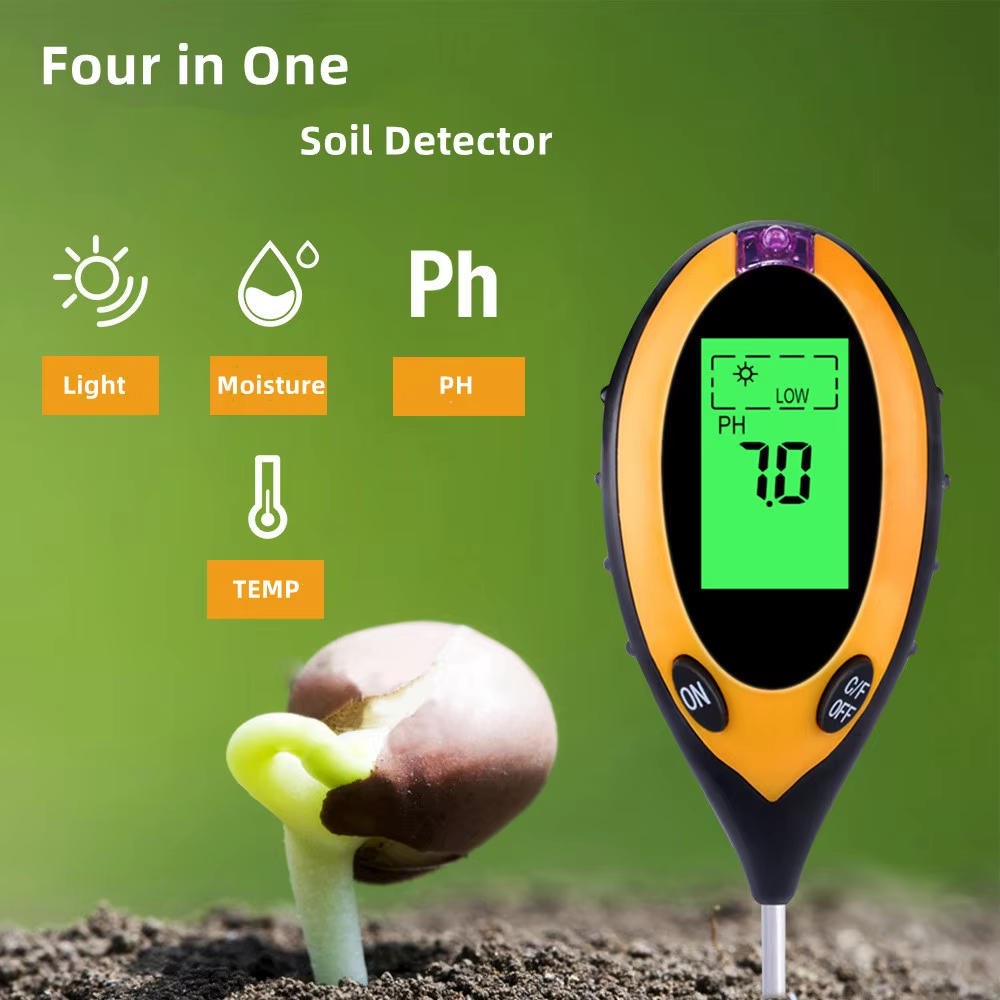
Modern agriculture faces increasing pressure to maximize crop yields while maintaining environmental sustainability. One of the most critical challenges farmers and gardeners encounter is preventing over-fertilization and subsequent soil damage. Excessive fertilizer application not only wastes valuable resources but can also lead to nutrient runoff, groundwater contamination, and long-term soil health deterioration. The solution lies in precise soil monitoring using advanced soil testers that provide accurate, real-time data about soil conditions. These sophisticated instruments enable agricultural professionals to make informed decisions about fertilizer application, ensuring optimal plant nutrition without compromising soil integrity.
Understanding Soil Health and Fertilization Balance
The Science Behind Proper Soil Nutrition
Soil health depends on a delicate balance of nutrients, pH levels, moisture content, and organic matter. When this equilibrium is disrupted through excessive fertilization, the consequences can be severe and long-lasting. Over-fertilization typically occurs when farmers apply nutrients without understanding their soil's current nutrient status, leading to chemical imbalances that harm beneficial microorganisms and alter soil structure. The accumulation of excess salts from synthetic fertilizers can create toxic conditions for plant roots, while nutrient leaching contaminates nearby water sources.
Professional soil testers have revolutionized how agricultural specialists approach fertilization by providing precise measurements of key soil parameters. These devices eliminate the guesswork traditionally associated with fertilizer application, enabling users to apply exactly what their soil needs. By understanding the current nutritional status of their soil, farmers can avoid the costly mistakes of over-application while ensuring their crops receive adequate nutrition for optimal growth and development.
Environmental Impact of Over-Fertilization
The environmental consequences of excessive fertilizer use extend far beyond individual farms or gardens. Nitrogen and phosphorus runoff from over-fertilized fields contributes to eutrophication in lakes, rivers, and coastal waters, creating dead zones where aquatic life cannot survive. This ecological damage has been documented worldwide, from the Gulf of Mexico to the Baltic Sea, highlighting the urgent need for more precise fertilization practices.
Soil testers play a crucial role in environmental protection by enabling precision agriculture techniques that minimize fertilizer waste and runoff. When agricultural professionals use these devices to monitor soil conditions regularly, they can apply fertilizers only when and where needed, significantly reducing the environmental footprint of farming operations. This targeted approach not only protects surrounding ecosystems but also helps farmers comply with increasingly strict environmental regulations governing agricultural practices.
Advanced Features of Modern Digital Soil Testing Equipment
Multi-Parameter Measurement Capabilities
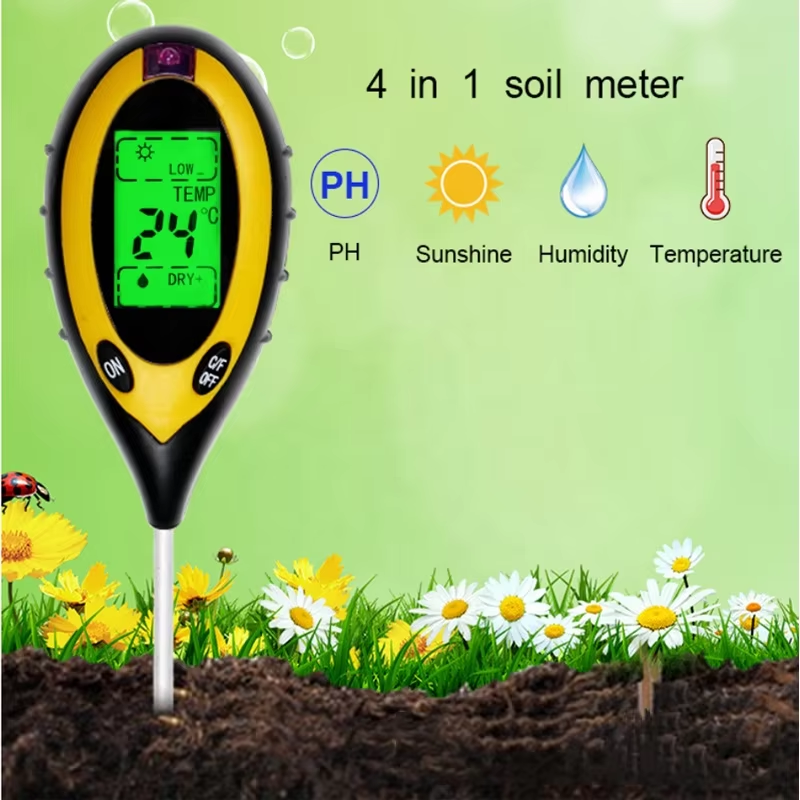
Contemporary soil testing instruments offer comprehensive analysis capabilities that extend far beyond basic pH measurement. These sophisticated devices typically measure soil pH, moisture content, temperature, and light levels simultaneously, providing a complete picture of growing conditions. The integration of multiple sensors in a single device allows for more efficient soil monitoring and eliminates the need for separate instruments for different parameters.
The pH measurement function is particularly crucial for preventing over-fertilization, as soil pH directly affects nutrient availability and uptake. When soil becomes too acidic or alkaline due to excessive fertilizer application, plants cannot effectively absorb nutrients even when they are present in adequate quantities. By monitoring pH levels regularly with digital soil testers, farmers can maintain optimal pH ranges for their specific crops and adjust fertilization programs accordingly.
Real-Time Data and Decision Making
The ability to obtain instant soil measurements represents a significant advancement over traditional laboratory testing methods. While lab analysis remains important for comprehensive soil evaluation, portable soil testers provide immediate feedback that enables timely decision-making during critical growing periods. This real-time capability is especially valuable when assessing fertilizer needs before application, allowing farmers to adjust their plans based on current soil conditions rather than relying on outdated information.
Digital displays on modern soil testing equipment provide clear, easy-to-read measurements that require minimal interpretation. Many devices feature color-coded indicators or digital readouts that immediately show whether soil parameters are within optimal ranges for specific crops. This user-friendly design makes soil testing accessible to growers with varying levels of technical expertise, democratizing precision agriculture practices across different farming operations.
Implementing Precision Fertilization Strategies
Seasonal Monitoring and Application Timing
Effective fertilization management requires understanding how soil conditions change throughout growing seasons. Soil testers enable farmers to track these variations and adjust their fertilization schedules accordingly. Spring soil testing can reveal winter nutrient losses and help determine baseline fertilizer needs, while mid-season monitoring allows for supplemental applications based on crop growth stages and changing soil conditions.
Temperature measurements provided by advanced soil testers are particularly valuable for timing fertilizer applications. Soil temperature affects microbial activity, nutrient release from organic matter, and root growth patterns, all of which influence fertilizer uptake efficiency. By monitoring soil temperature trends, farmers can optimize application timing to maximize nutrient utilization and minimize waste through leaching or volatilization.
Zone-Based Management Approaches
Large agricultural operations often benefit from implementing zone-based fertilization strategies guided by systematic soil testing. Different areas within the same field may have varying soil characteristics due to topography, drainage patterns, or historical management practices. Portable soil testers allow farmers to quickly assess multiple locations and create fertilization maps that address specific needs in different zones.
This precision approach prevents the common mistake of applying uniform fertilizer rates across diverse soil conditions, which often leads to over-fertilization in some areas while leaving others under-nourished. By using soil testers to establish management zones, farmers can optimize fertilizer efficiency, reduce input costs, and minimize environmental impact while maintaining or improving crop yields across their entire operation.
Long-Term Soil Health Monitoring and Improvement
Tracking Soil Condition Trends
Consistent use of soil testers creates valuable historical data that reveals long-term trends in soil health and fertility. Regular monitoring allows farmers to identify gradual changes in soil pH, organic matter content, and nutrient levels that might indicate developing problems or successful management practices. This longitudinal approach to soil management helps prevent the accumulation of problems that could lead to soil degradation or crop failure.
Data logging capabilities in advanced soil testing equipment enable systematic record-keeping that supports evidence-based management decisions. By documenting soil conditions over multiple seasons, farmers can evaluate the effectiveness of their fertilization programs and make adjustments based on observed trends rather than assumptions. This scientific approach to soil management leads to more sustainable farming practices and better long-term outcomes for both crop production and environmental stewardship.
Rehabilitation of Over-Fertilized Soils
When soil testing reveals evidence of past over-fertilization, such as excessive salt accumulation or pH imbalances, soil testers become essential tools for guiding rehabilitation efforts. Recovery strategies may include reducing fertilizer inputs, applying soil amendments like organic matter or lime, improving drainage, or implementing cover crop rotations to help restore natural soil balance.
The rehabilitation process requires frequent monitoring to track progress and adjust treatment strategies as needed. Soil testers provide the frequent, cost-effective measurements necessary to monitor recovery without the expense and delays associated with repeated laboratory testing. This enables farmers to fine-tune their rehabilitation efforts and achieve faster recovery of soil health and productivity.
Economic Benefits of Precision Soil Management
Fertilizer Cost Optimization
The rising costs of fertilizers make precision application increasingly important from an economic perspective. Soil testers help farmers avoid over-purchasing and over-applying expensive fertilizers by providing accurate information about actual soil needs. This targeted approach can result in significant cost savings, especially for large-scale operations where even small percentage reductions in fertilizer use translate to substantial financial benefits.
The return on investment for quality soil testing equipment is typically realized within the first growing season through reduced fertilizer costs and improved crop performance. When farmers apply fertilizers based on actual soil needs rather than general recommendations or guesswork, they eliminate waste while maintaining or improving yields. This economic efficiency makes soil testers valuable tools for both commercial farmers and serious gardeners seeking to optimize their input costs.
Yield Stability and Quality Improvement
Proper fertilization guided by accurate soil testing leads to more consistent crop yields and improved product quality. Over-fertilized crops often exhibit problems such as excessive vegetative growth at the expense of fruit or grain production, increased susceptibility to diseases, or poor storage characteristics. By maintaining optimal nutrient levels through precision soil management, farmers can achieve better crop quality that commands premium prices in the marketplace.
Soil health improvements resulting from proper fertilization practices also contribute to long-term yield stability. Healthy soils with balanced nutrient levels and good biological activity are more resilient to weather stress, pest pressure, and disease problems. This resilience translates to more predictable yields and reduced risk of crop losses, providing economic security for agricultural operations of all sizes.
FAQ
How often should soil testing be performed to prevent over-fertilization?
The frequency of soil testing depends on crop type, growing conditions, and management intensity. For annual crops, testing at the beginning of each growing season is recommended, with additional mid-season testing if conditions change significantly. Intensive operations like greenhouse production or high-value specialty crops may benefit from weekly or monthly testing. Perennial crops typically require testing twice yearly, in spring and fall, to monitor seasonal nutrient cycling and guide fertilization programs.
Can digital soil testers replace laboratory soil analysis completely?
Digital soil testers are excellent tools for regular monitoring and immediate decision-making, but they complement rather than completely replace comprehensive laboratory analysis. Laboratory testing provides detailed information about micronutrients, organic matter content, and cation exchange capacity that portable devices cannot measure. The ideal approach combines regular field testing with periodic laboratory analysis to ensure complete soil health assessment and management.
What is the typical accuracy range of modern electronic soil testers?
High-quality electronic soil testers typically provide pH measurements accurate to within ±0.1 to ±0.2 pH units, moisture readings within ±5%, and temperature measurements within ±1°C. While this accuracy is sufficient for most field management decisions, users should calibrate their devices regularly and follow manufacturer guidelines for proper use. The accuracy of any soil tester depends on proper calibration, clean sensors, and appropriate sampling techniques.
How do soil testers help with organic farming practices?
Soil testers are particularly valuable in organic farming systems where synthetic fertilizers are prohibited and nutrient management relies on organic amendments and natural processes. These devices help organic farmers monitor the effectiveness of compost applications, cover crop rotations, and other organic management practices. By tracking soil pH and nutrient levels, organic farmers can optimize their natural fertilization programs and maintain soil health without relying on synthetic inputs that could damage beneficial soil organisms.