EN
EN


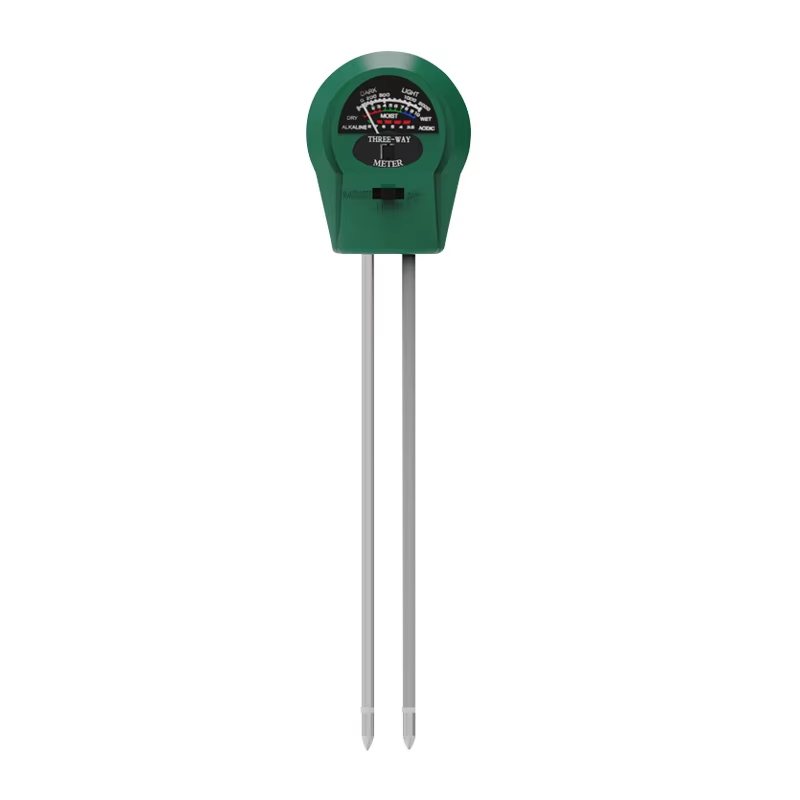
Modern agriculture and gardening have evolved significantly with the introduction of advanced testing equipment that provides accurate soil analysis. A multi-function soil tester represents a revolutionary approach to soil management, combining multiple measurement capabilities in a single device. These sophisticated instruments enable farmers, gardeners, and agricultural professionals to make informed decisions about soil treatment, irrigation, and plant nutrition. Understanding the comprehensive benefits of using such advanced testing equipment can transform how we approach soil management and plant cultivation.
Comprehensive Soil Analysis Capabilities
Simultaneous Multi-Parameter Testing
The primary advantage of modern soil testing equipment lies in its ability to measure multiple soil parameters simultaneously. Traditional testing methods required separate instruments for different measurements, leading to increased costs and time consumption. Today's advanced testing devices combine pH measurement, moisture detection, temperature monitoring, and light intensity evaluation in one compact unit. This integration eliminates the need for multiple devices and provides a complete soil profile analysis within minutes.
The simultaneous measurement capability ensures that all readings are taken under identical conditions, providing more accurate correlations between different soil parameters. This comprehensive approach enables users to understand the complex relationships between soil chemistry, physical properties, and environmental conditions that affect plant growth and development.
Enhanced Measurement Accuracy
Advanced soil testing instruments incorporate sophisticated sensor technology that delivers precise measurements across all monitored parameters. The digital display systems provide clear, easy-to-read results that eliminate guesswork and subjective interpretation. These devices typically feature calibrated sensors that maintain accuracy over extended periods, ensuring consistent and reliable data collection for ongoing soil management programs.
The enhanced accuracy of modern testing equipment enables users to detect subtle changes in soil conditions that might indicate emerging problems or opportunities for optimization. This precision allows for more targeted interventions and resource allocation, ultimately leading to improved plant health and productivity.
Economic Advantages and Cost Effectiveness
Reduced Equipment Investment
Investing in a comprehensive soil testing solution significantly reduces the total equipment costs compared to purchasing separate instruments for each measurement parameter. A single multi-function device replaces the need for individual pH meters, moisture sensors, thermometers, and light meters. This consolidation not only reduces initial investment costs but also minimizes ongoing maintenance expenses and storage requirements.
The cost-effectiveness extends beyond equipment savings to include reduced labor costs and improved efficiency. Users can complete comprehensive soil assessments in a fraction of the time required by traditional methods, allowing for more frequent monitoring and better resource utilization across larger areas.
Long-Term Operational Savings
Regular use of advanced soil testing equipment leads to substantial long-term savings through optimized resource management. Accurate soil analysis enables precise application of fertilizers, amendments, and irrigation water, reducing waste and minimizing unnecessary expenses. Users can avoid over-fertilization, excessive watering, and inappropriate soil treatments that waste resources and potentially harm plant growth.
The ability to monitor soil conditions continuously allows for preventive management approaches that avoid costly emergency interventions. Early detection of soil imbalances or environmental stress enables proactive corrections that maintain optimal growing conditions and prevent crop losses or plant damage.
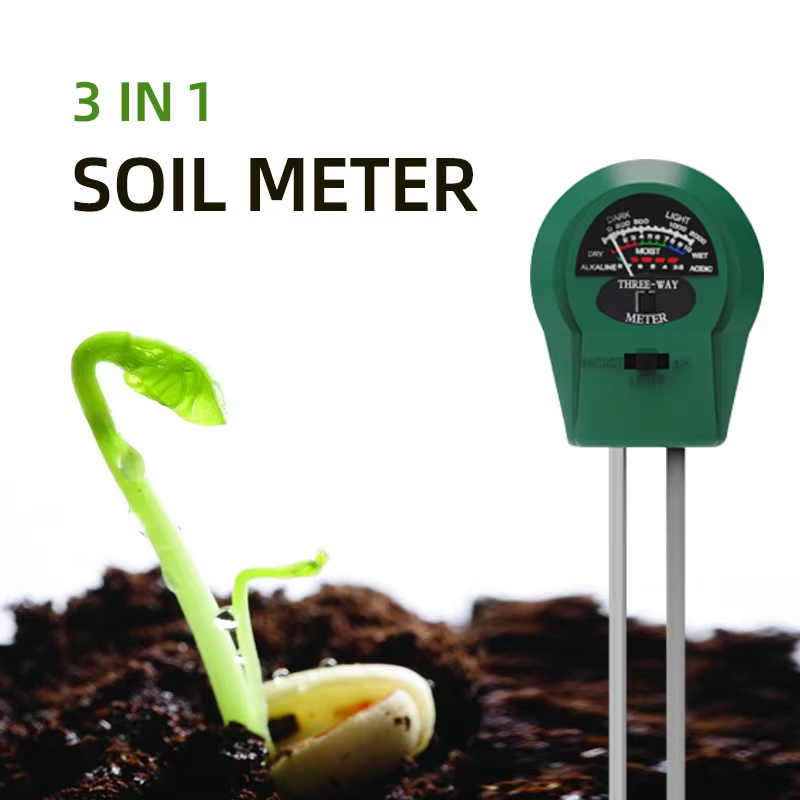
Agricultural and Horticultural Applications
Professional Farming Operations
Large-scale agricultural operations benefit tremendously from comprehensive soil monitoring capabilities. Modern farming requires precise control over growing conditions to maximize yields and maintain consistent crop quality. A multi-function soil tester enables farmers to monitor vast areas efficiently and make data-driven decisions about irrigation scheduling, fertilizer application, and crop rotation planning.
The detailed soil data collected through regular monitoring helps farmers optimize their growing strategies and adapt to changing environmental conditions. This information proves invaluable for precision agriculture practices that require accurate understanding of soil variability across different field zones and growing seasons.
Home Gardening and Landscaping
Home gardeners and landscape professionals also gain significant advantages from using advanced soil testing equipment. These devices enable precise monitoring of garden beds, lawn areas, and landscaping projects without requiring extensive technical knowledge or laboratory analysis. The immediate results provided by digital testing equipment allow for quick adjustments to watering schedules, soil amendments, and plant placement decisions.
For landscaping professionals, the ability to provide clients with detailed soil analysis data enhances service quality and supports recommendations for plant selection and site preparation. This professional approach builds customer confidence and demonstrates expertise in creating optimal growing environments for various plant species.
Technical Features and User Benefits
Digital Display and Data Management
Modern soil testing instruments feature advanced digital display systems that present measurement results in clear, easily interpretable formats. These displays often include backlit screens for use in various lighting conditions and may incorporate color-coded indicators that quickly communicate whether soil conditions fall within optimal ranges for plant growth.
Many advanced devices also include data logging capabilities that allow users to record and track soil conditions over time. This historical data proves valuable for identifying trends, evaluating the effectiveness of soil management practices, and planning future interventions based on seasonal patterns and long-term soil health trends.
Portability and Field Use Convenience
The compact design of contemporary soil testing equipment makes it ideal for field use across diverse environments. These devices typically feature ergonomic designs that facilitate comfortable handling during extended monitoring sessions. Weather-resistant construction ensures reliable operation in various outdoor conditions, while battery-powered operation eliminates the need for external power sources in remote locations.
The portability advantage extends to professional applications where soil testing must be conducted across multiple sites or large areas. Technicians can carry a single device that provides comprehensive analysis capabilities, streamlining fieldwork and reducing the logistical challenges associated with transporting multiple instruments.
Environmental Monitoring and Sustainability
Resource Conservation Benefits
Accurate soil monitoring contributes significantly to environmental sustainability by promoting efficient resource use and reducing environmental impact. Precise measurement of soil moisture content enables optimal irrigation scheduling that conserves water while maintaining proper plant hydration. This approach becomes increasingly important in regions facing water scarcity or where water conservation regulations limit agricultural water use.
Similarly, accurate pH and nutrient monitoring reduces the need for excessive fertilizer applications that can contribute to groundwater contamination and soil degradation. By applying amendments only when needed and in appropriate quantities, users minimize their environmental footprint while maintaining productive growing conditions.
Soil Health Monitoring
Regular monitoring with comprehensive testing equipment enables users to track soil health indicators over time and detect changes that might indicate degradation or improvement. This ongoing assessment supports sustainable land management practices that preserve soil quality for long-term productivity. Understanding soil temperature patterns, moisture retention characteristics, and pH stability helps users make informed decisions about crop rotation, cover crop selection, and soil amendment programs.
The environmental benefits extend to supporting biodiversity and ecosystem health through maintenance of balanced soil conditions that support beneficial microorganisms and soil fauna. Healthy soils contribute to carbon sequestration, improved water infiltration, and reduced erosion, providing broader environmental benefits beyond immediate agricultural productivity.
FAQ
How accurate are digital soil testing devices compared to laboratory analysis
Digital soil testing devices provide highly accurate measurements for field applications, typically within acceptable ranges for most agricultural and gardening purposes. While laboratory analysis may offer slightly higher precision for research applications, modern digital devices deliver sufficient accuracy for practical soil management decisions. The immediate results and convenience of field testing often outweigh the marginal accuracy differences, especially when regular monitoring is more important than absolute precision.
What maintenance requirements do these testing instruments have
Most modern soil testing instruments require minimal maintenance, typically involving periodic calibration checks and basic cleaning of sensor probes. Users should follow manufacturer guidelines for probe care, which usually includes gentle cleaning after use and proper storage in protective cases. Battery replacement or charging represents the most common maintenance requirement, while sensor calibration may be needed annually or after extended use periods.
Can these devices be used for different soil types and growing media
Advanced soil testing equipment is designed to work effectively across various soil types, including clay, sandy, loamy, and organic soils. Many devices also function well with soilless growing media, potting mixes, and hydroponic solutions. However, users should verify compatibility with specific growing media and may need to adjust interpretation of results based on the unique characteristics of different soil types or artificial growing substrates.
How often should soil testing be performed for optimal results
Testing frequency depends on specific applications and growing conditions, but most experts recommend regular monitoring throughout growing seasons. For active agricultural operations, weekly or bi-weekly testing during critical growth periods provides optimal information for management decisions. Home gardeners may find monthly testing sufficient for most applications, while increasing frequency during establishment periods or when addressing specific soil problems. The convenience of modern testing equipment makes frequent monitoring practical and cost-effective.