EN
EN


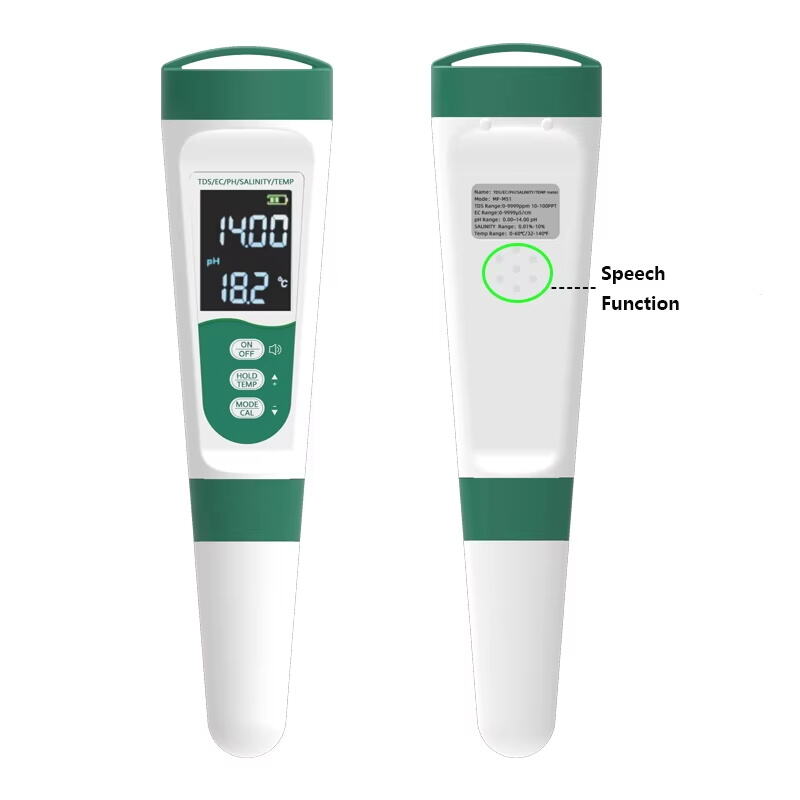
Agricultural professionals and hydroponic growers increasingly rely on precise monitoring tools to optimize crop yields and maintain healthy growing environments. Among the most essential instruments for this purpose are EC meters, which provide critical insights into nutrient concentration levels and overall growing medium conditions. These sophisticated devices enable farmers and cultivators to make data-driven decisions that directly impact plant health, resource efficiency, and ultimately, harvest quality. Understanding how EC meters function and their applications across different agricultural systems has become fundamental to modern farming practices.
Understanding Electrical Conductivity in Plant Nutrition
The Science Behind EC Measurement
Electrical conductivity measurement represents one of the most reliable methods for assessing dissolved nutrient concentrations in water and growing solutions. When nutrients dissolve in water, they create ions that carry electrical current, and the conductivity level directly correlates with the total dissolved solids present. This relationship allows growers to quickly evaluate whether their nutrient solutions contain appropriate concentrations for optimal plant growth. The measurement process involves passing a small electrical current through the solution and measuring the resistance encountered, which inversely relates to the conductivity level.
Professional-grade EC meters utilize advanced sensor technology to provide accurate readings across various temperature ranges and solution types. The measurement units typically appear as millisiemens per centimeter (mS/cm) or microsiemens per centimeter (μS/cm), depending on the concentration levels being measured. Temperature compensation features in modern meters ensure consistent readings regardless of ambient conditions, which is particularly important since conductivity naturally varies with temperature changes. This technological advancement has made EC measurement more accessible and reliable for growers operating in diverse environmental conditions.
Relationship Between EC Values and Plant Health
Different crop varieties require specific EC ranges for optimal growth, and understanding these requirements enables growers to fine-tune their nutrient delivery systems. Leafy greens typically thrive in EC ranges between 1.2 to 2.0 mS/cm, while fruiting plants like tomatoes and peppers often require higher concentrations ranging from 2.0 to 3.5 mS/cm. Monitoring these levels consistently helps prevent both nutrient deficiencies and toxicities that can severely impact plant development. When EC levels fall below optimal ranges, plants may exhibit stunted growth, yellowing leaves, and reduced fruit production.
Conversely, excessively high EC readings indicate over-concentration of nutrients, which can lead to salt stress, root damage, and reduced water uptake capacity. This condition often manifests as leaf burn, wilting despite adequate moisture, and overall plant stress. Regular EC monitoring allows growers to identify these issues early and make necessary adjustments before permanent damage occurs. The ability to maintain proper EC levels throughout different growth stages ensures that plants receive appropriate nutrition as their needs change from vegetative growth to flowering and fruiting phases.
Applications in Traditional Agriculture
Soil Fertility Assessment and Management
In conventional farming operations, EC meters serve as valuable tools for evaluating soil fertility and guiding fertilizer application strategies. Soil EC measurements provide insights into the overall nutrient availability and can help identify areas within fields that may require different treatment approaches. High-resolution mapping using portable EC meters allows farmers to create detailed fertility maps that guide precision agriculture practices. This approach enables targeted fertilizer application, reducing input costs while maximizing nutrient efficiency across varying soil conditions.
Regular soil EC monitoring throughout growing seasons helps farmers track nutrient depletion and plan appropriate supplementation schedules. The data collected supports informed decision-making regarding organic matter additions, lime applications, and specific nutrient amendments. Seasonal variations in soil EC can indicate changes in microbial activity, organic matter decomposition rates, and overall soil health. This information proves particularly valuable for organic farmers who rely on natural nutrient cycling processes and need to understand how their soil management practices affect long-term fertility.
Irrigation Water Quality Management
Agricultural irrigation water often contains dissolved minerals and salts that can accumulate in soil over time, potentially reaching levels that stress crops or reduce yields. EC meters enable farmers to monitor irrigation water quality and make informed decisions about water treatment or alternative source usage. Understanding the baseline EC of irrigation water helps establish appropriate nutrient mixing ratios and prevents over-application of fertilizers. This monitoring becomes especially critical in regions where water sources have naturally high mineral content or where recycled water is used for irrigation.
Seasonal variations in water quality require ongoing monitoring to maintain consistent growing conditions. During drought periods, water sources may become more concentrated, while heavy rainfall can dilute natural mineral content. Continuous EC monitoring allows farmers to adjust their fertilization programs accordingly and maintain optimal growing conditions regardless of seasonal water quality fluctuations. This proactive approach helps prevent salt buildup in soils and ensures sustainable long-term production systems.
Hydroponic System Integration
Nutrient Solution Optimization
Hydroponic systems rely entirely on carefully balanced nutrient solutions to support plant growth, making EC meters absolutely essential for system success. Unlike soil-based growing where nutrients are naturally buffered and slowly released, hydroponic solutions require precise monitoring and frequent adjustments to maintain optimal conditions. The ability to measure EC in real-time allows growers to detect nutrient depletion quickly and respond with appropriate solution changes or supplements. This immediate feedback loop is crucial for preventing stress conditions that could compromise entire crops.
Advanced hydroponic operations often integrate automated EC monitoring systems that continuously track solution conductivity and trigger alerts when levels drift outside predetermined ranges. These systems can automatically adjust nutrient concentrations by controlling dosing pumps and mixing valves, maintaining consistent growing conditions without constant manual intervention. The precision possible with electronic monitoring far exceeds manual testing methods and enables hydroponic growers to achieve remarkable consistency in plant quality and yield outcomes.
Recirculating System Maintenance
Recirculating hydroponic systems present unique challenges for nutrient management since solution composition changes as plants selectively absorb different nutrients at varying rates. Regular EC monitoring helps identify when solution imbalances develop and guides decisions about partial solution changes or complete system flushes. The accumulation of unused salts can gradually increase system EC beyond optimal levels, even when individual nutrients become depleted. Understanding these dynamics through consistent monitoring prevents the buildup of potentially harmful salt concentrations.
Temperature fluctuations in recirculating systems can affect both nutrient availability and EC readings, making temperature-compensated meters particularly valuable for accurate monitoring. Seasonal greenhouse temperature variations require careful attention to EC measurements since warmer conditions can increase salt concentration through evaporation while cooler periods may slow plant uptake rates. Professional growers often maintain detailed logs of EC trends alongside environmental data to identify patterns and optimize their nutrient management protocols for different seasons and growth stages.
Economic Benefits and Resource Efficiency
Fertilizer Cost Optimization
Precise EC monitoring enables significant cost savings through optimized fertilizer usage and reduced waste. Over-application of nutrients not only represents unnecessary expense but can also harm plant health and environmental quality. By maintaining EC levels within optimal ranges, growers can minimize fertilizer costs while maximizing nutrient utilization efficiency. The investment in quality EC monitoring equipment typically pays for itself within a single growing season through reduced input costs and improved yields.
Data-driven fertilization programs based on EC monitoring help eliminate guesswork and prevent costly nutrient imbalances. Growers can track the relationship between EC levels and crop performance over multiple seasons, developing refined fertilization protocols that consistently deliver optimal results. This approach becomes particularly valuable for high-value crops where small improvements in quality or yield can translate to substantial profit increases. The ability to maintain consistent EC levels also supports more predictable harvest timing and quality standards.
Water Conservation and Sustainability
EC monitoring supports water conservation efforts by enabling precise nutrient management that reduces the need for frequent solution changes or excessive irrigation. In hydroponic systems, the ability to maintain optimal EC levels extends solution life and reduces waste disposal requirements. Traditional farming operations benefit from EC monitoring through more targeted irrigation practices that deliver appropriate nutrient concentrations without excess water application. This efficiency becomes increasingly important as water resources become scarcer and more expensive in many agricultural regions.
Environmental sustainability benefits from EC monitoring include reduced nutrient runoff and groundwater contamination risks. By maintaining precise nutrient levels, growers minimize the excess salts and fertilizers that might otherwise leach into surrounding ecosystems. This responsible approach to nutrient management supports both regulatory compliance and environmental stewardship goals. Long-term soil health also benefits from balanced EC management, which prevents salt accumulation and maintains proper soil structure and microbial activity levels.
Technology Advances and Future Applications
Digital Integration and Smart Farming
Modern EC meters increasingly feature digital connectivity options that enable integration with comprehensive farm management systems. Wireless data transmission allows real-time monitoring from remote locations and supports automated alert systems that notify growers of conditions requiring immediate attention. Cloud-based data storage and analysis platforms help identify long-term trends and support predictive maintenance schedules for optimal system performance. These technological advances make professional-grade monitoring accessible to operations of all sizes.
Smartphone applications and web-based dashboards provide intuitive interfaces for monitoring multiple EC measurement points across large facilities or diverse growing areas. The ability to track historical data and generate automated reports supports regulatory compliance and quality assurance programs. Integration with other environmental monitoring systems creates comprehensive growing environment profiles that support sophisticated crop management decisions. This level of integration represents the future of precision agriculture and controlled environment growing systems.
Sensor Technology and Accuracy Improvements
Advances in sensor manufacturing have produced EC meters with improved accuracy, durability, and calibration stability. Modern sensors can maintain calibration for extended periods under demanding agricultural conditions, reducing maintenance requirements and ensuring consistent measurement quality. Enhanced temperature compensation algorithms provide more accurate readings across wider temperature ranges, supporting year-round growing operations in various climates. These improvements make EC monitoring more reliable and accessible for diverse agricultural applications.
Miniaturization of sensor technology has enabled the development of affordable, portable EC meters that deliver professional-grade performance in compact packages. Battery life improvements and low-power design features support extended field use without frequent charging requirements. Rugged construction standards ensure reliable operation in challenging agricultural environments where moisture, dust, and temperature extremes are common. These technological advances have made precise EC monitoring available to growers who previously relied on less accurate testing methods.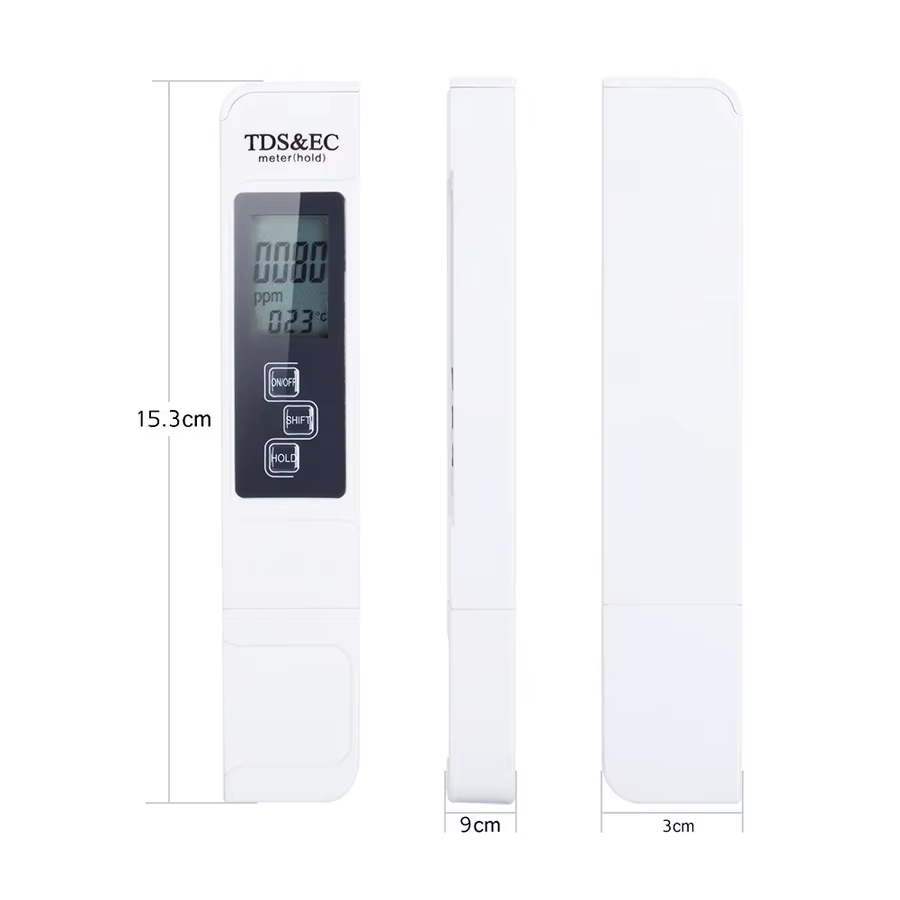
FAQ
How often should EC levels be measured in hydroponic systems
In hydroponic systems, EC levels should be measured daily for optimal results, with some high-precision operations monitoring multiple times per day. Recirculating systems may require more frequent monitoring since nutrient concentrations change as plants absorb nutrients selectively. Automated monitoring systems can provide continuous measurements, alerting growers to significant changes that require immediate attention. The frequency of measurement should increase during periods of rapid plant growth or environmental stress when nutrient uptake rates fluctuate significantly.
What EC range is appropriate for different types of crops
Leafy greens typically perform best with EC levels between 1.2 and 2.0 mS/cm, while fruiting vegetables like tomatoes and peppers require higher levels ranging from 2.0 to 3.5 mS/cm. Herbs generally thrive in moderate EC ranges between 1.0 and 2.5 mS/cm, depending on the specific variety. Root vegetables may require different EC levels throughout their growth cycle, starting lower during germination and increasing as plants mature. Consulting crop-specific guidelines and adjusting based on observed plant response ensures optimal growing conditions.
Can EC meters be used for both soil and hydroponic applications
Yes, many EC meters are designed for versatile use in both soil and hydroponic applications, though some specialized models are optimized for specific environments. Soil EC measurement requires different techniques compared to solution testing, and some meters include specific soil probes or measurement modes. For hydroponic use, meters should feature appropriate measurement ranges and temperature compensation for nutrient solutions. Selecting meters with appropriate specifications for intended applications ensures accurate measurements across different growing systems.
How do temperature changes affect EC measurements and accuracy
Temperature significantly affects EC measurements since conductivity naturally increases with rising temperature. Quality EC meters include automatic temperature compensation features that adjust readings to standardized reference temperatures, ensuring consistent accuracy across varying conditions. Without temperature compensation, readings can vary by approximately two percent per degree Celsius of temperature change. Maintaining calibrated temperature sensors and understanding the relationship between temperature and conductivity helps ensure reliable measurements for effective nutrient management decisions.