EN
EN

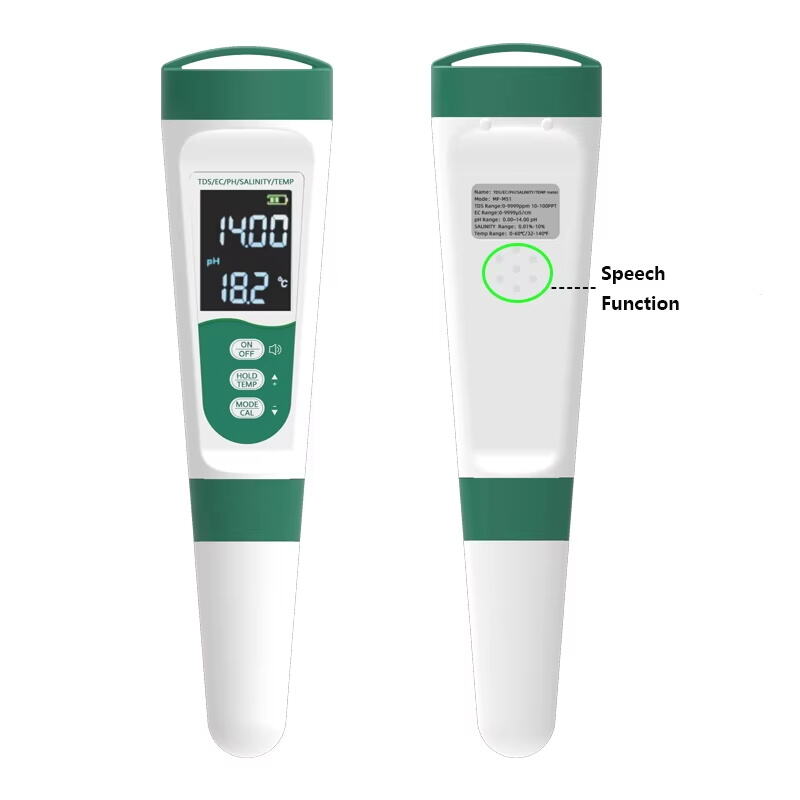
In today's demanding professional environments, accurate environmental monitoring has become essential for maintaining optimal working conditions and ensuring product quality. The HTC digital thermometer hygrometer represents a sophisticated solution that combines precision measurement capabilities with user-friendly design elements. These devices have gained significant recognition among professionals across various industries, from laboratories and manufacturing facilities to office spaces and storage areas, where precise temperature and humidity control directly impacts operational success.
Professional-grade environmental monitoring equipment must deliver consistent performance while remaining accessible to users with varying technical backgrounds. The integration of advanced sensor technology with intuitive interfaces has revolutionized how businesses approach climate control and environmental compliance. Understanding the key features that distinguish reliable monitoring devices helps organizations make informed decisions when selecting equipment that will serve their long-term operational needs.
Advanced Measurement Technology and Precision
Dual-Function Sensor Integration
Modern professional monitoring devices incorporate sophisticated dual-sensor systems that simultaneously track both temperature and humidity levels with exceptional accuracy. This integrated approach eliminates the need for separate instruments, reducing installation complexity and maintenance requirements while ensuring synchronized readings. The sensor technology employed in quality devices typically features calibrated components that maintain accuracy across extended operating periods, even in challenging environmental conditions.
The precision of these measurement systems directly impacts their utility in professional applications. High-quality sensors can detect minute changes in environmental conditions, enabling proactive responses to potential issues before they affect sensitive processes or stored materials. This level of sensitivity proves particularly valuable in environments where even small fluctuations can result in significant operational or financial consequences.
Real-Time Data Processing
Contemporary monitoring devices process environmental data continuously, providing users with immediate feedback on changing conditions. This real-time capability enables rapid decision-making and allows professionals to maintain optimal environments for their specific applications. The processing speed and accuracy of these systems directly influence their effectiveness in dynamic environments where conditions change frequently.
Advanced data processing also enables the detection of trends and patterns that might not be immediately apparent to human observers. This analytical capability supports predictive maintenance strategies and helps professionals anticipate potential environmental challenges before they impact operations.
User Interface Design and Accessibility
Large Screen Display Technology
The visual presentation of environmental data plays a crucial role in device usability and professional adoption. Large, clear displays ensure that critical information remains easily readable from various distances and viewing angles, accommodating diverse workplace layouts and user preferences. High-contrast screens with well-organized layouts reduce eye strain during extended monitoring periods and minimize the risk of misreading critical values.
Modern display technology often incorporates adjustable brightness settings and multiple viewing modes, allowing users to customize the interface according to their specific working conditions. This adaptability ensures optimal visibility whether the device operates in brightly lit laboratories or dimmer storage areas.
Intuitive Control Systems
Professional monitoring equipment benefits significantly from streamlined control systems that minimize the learning curve for new users. Well-designed interfaces feature logical menu structures and clearly labeled functions that enable quick access to essential features without requiring extensive training or reference materials. This accessibility proves particularly valuable in environments where multiple team members need to interact with the monitoring equipment.
The responsiveness of control systems also impacts user satisfaction and operational efficiency. Professional-grade devices typically feature responsive buttons or touch interfaces that provide immediate feedback, confirming user inputs and reducing the likelihood of operational errors.
Installation Flexibility and Mounting Options
Versatile Mounting Solutions
Professional environments often present unique installation challenges that require flexible mounting solutions. Quality monitoring devices accommodate these diverse requirements through multiple mounting options, including desktop stands and wall-mount configurations. This versatility enables optimal placement for accurate readings while considering workspace constraints and user accessibility needs.
Desktop mounting provides portability and easy repositioning, making it ideal for applications where monitoring requirements change frequently or where temporary measurements are needed. The stability of desktop stands ensures consistent positioning while allowing users to relocate devices as operational needs evolve.
Wall-Mount Convenience
Wall-mounted installations offer permanent positioning solutions that maximize space efficiency while providing clear sightlines to the display. This mounting option proves particularly valuable in crowded work environments where floor or desk space is limited. Professional-grade wall mounting systems feature secure attachment mechanisms that maintain device positioning even in environments with vibration or frequent activity.
The positioning flexibility of wall-mount systems allows users to optimize placement for both accurate environmental sensing and convenient data viewing. Strategic placement can improve measurement accuracy by avoiding areas with localized heating or cooling effects while maintaining easy access for users who need to check readings regularly.
Calendar and Clock Integration Features
Time-Stamped Data Recording
The integration of calendar and clock functions transforms basic environmental monitoring into comprehensive data logging systems. Time-stamped measurements enable professionals to correlate environmental conditions with specific events or processes, supporting detailed analysis and compliance documentation. This temporal context proves invaluable for identifying patterns, troubleshooting issues, and maintaining detailed records for regulatory purposes.
Accurate timekeeping also supports scheduled monitoring protocols and helps ensure compliance with industry standards that require measurements at specific intervals. The reliability of internal clock systems directly impacts the credibility of recorded data in professional and regulatory contexts.
Multi-Function Display Efficiency
Combining environmental monitoring with timekeeping functions creates efficient workspace solutions that reduce the need for multiple devices. This integration streamlines desk or wall space usage while providing users with comprehensive information from a single source. The ability to view current time alongside environmental data supports workflow management and helps professionals coordinate activities with environmental conditions.
Professional users particularly appreciate devices that display multiple data types simultaneously without requiring navigation between different screens or modes. This comprehensive view enables quick assessment of all relevant information during busy periods when efficiency is paramount.
Durability and Reliability Considerations
Build Quality and Materials
The construction quality of professional monitoring equipment directly impacts its longevity and performance consistency in demanding environments. Quality devices feature robust housings that protect sensitive internal components from dust, moisture, and physical impacts common in industrial and commercial settings. The selection of appropriate materials ensures that devices maintain their accuracy and appearance throughout extended service periods.
Professional-grade construction also considers the thermal properties of housing materials to minimize self-heating effects that could compromise measurement accuracy. Well-designed devices incorporate materials and ventilation strategies that maintain stable internal temperatures regardless of ambient conditions.
Long-Term Performance Stability
Reliability in professional applications requires consistent performance over extended periods without frequent recalibration or maintenance interventions. Quality monitoring devices incorporate stable sensor technologies and robust electronic components that maintain their specifications throughout their operational lifespan. This stability reduces maintenance costs and ensures continuous reliable operation in critical applications.
The predictable performance of reliable devices enables professionals to establish confidence in their measurements and develop standard operating procedures based on consistent device behavior. This predictability proves essential for maintaining quality standards and meeting regulatory requirements.
Power Management and Operational Efficiency
Energy Efficient Operation
Modern professional monitoring devices prioritize energy efficiency to reduce operational costs and minimize environmental impact. Advanced power management systems optimize energy consumption while maintaining continuous operation and display visibility. Efficient operation extends battery life in portable applications and reduces electricity costs for permanently installed devices.
Energy efficiency also contributes to device reliability by reducing internal heat generation and minimizing stress on electronic components. Lower power consumption typically correlates with longer component lifespans and reduced maintenance requirements.
Continuous Monitoring Capabilities
Professional applications often require continuous environmental monitoring without interruption, making reliable power management essential. Quality devices incorporate features such as low-power standby modes and efficient display technologies that enable extended operation periods. The ability to maintain monitoring functions during brief power interruptions ensures data continuity in critical applications.
Continuous operation capabilities also include automatic recovery systems that restore normal function after power restoration, minimizing the impact of electrical disturbances on monitoring programs. This resilience proves particularly important in environments where power stability cannot be guaranteed.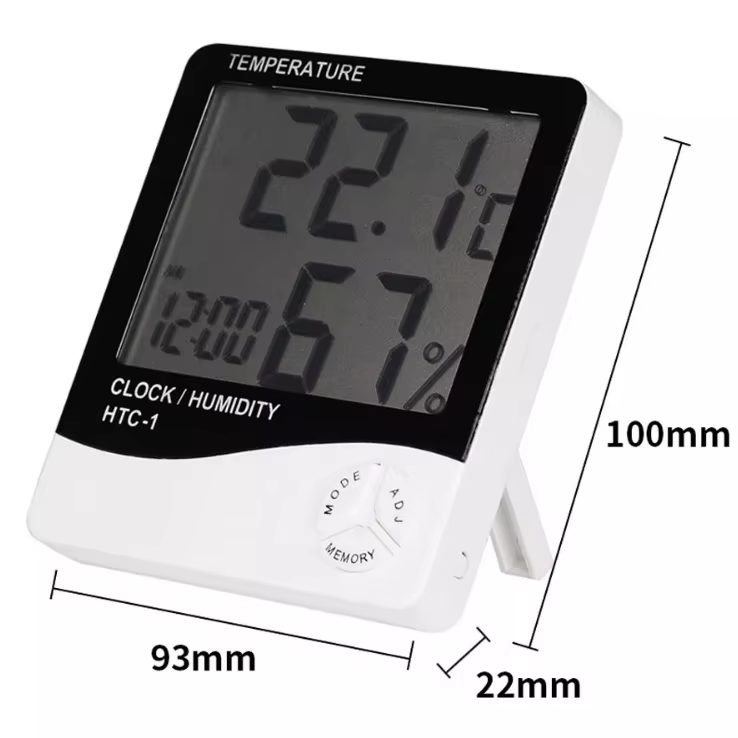
FAQ
What accuracy levels can professionals expect from quality environmental monitoring devices?
Professional-grade environmental monitoring devices typically provide temperature accuracy within ±1°C and humidity accuracy within ±3% relative humidity under normal operating conditions. These precision levels meet or exceed requirements for most commercial and industrial applications, including laboratory environments, storage facilities, and manufacturing processes where environmental control impacts product quality or regulatory compliance.
How do mounting options affect measurement accuracy and device performance?
Proper mounting significantly impacts measurement accuracy by ensuring optimal sensor positioning away from heat sources, air currents, and other environmental influences that could skew readings. Wall mounting often provides more stable positioning and better air circulation around sensors compared to desktop placement, while desktop mounting offers flexibility for applications requiring frequent relocation or temporary measurements in different areas.
What maintenance requirements should professionals expect for reliable monitoring equipment?
Quality environmental monitoring devices typically require minimal maintenance, with periodic calibration checks being the primary requirement. Most professional-grade devices maintain their accuracy for 12-24 months under normal operating conditions before requiring recalibration. Regular cleaning of the display and sensor areas helps maintain optimal performance, while protecting devices from extreme conditions extends their operational lifespan and maintains measurement reliability.
How do integrated calendar and clock features enhance professional monitoring applications?
Integrated timekeeping functions enable automatic time-stamping of environmental data, supporting detailed record-keeping and trend analysis required for quality control and regulatory compliance. The HTC digital thermometer hygrometer with calendar functionality allows professionals to correlate environmental conditions with specific dates and times, facilitating comprehensive documentation and supporting investigation of process variations or quality issues that may be linked to environmental factors.
Table of Contents
- Advanced Measurement Technology and Precision
- User Interface Design and Accessibility
- Installation Flexibility and Mounting Options
- Calendar and Clock Integration Features
- Durability and Reliability Considerations
- Power Management and Operational Efficiency
-
FAQ
- What accuracy levels can professionals expect from quality environmental monitoring devices?
- How do mounting options affect measurement accuracy and device performance?
- What maintenance requirements should professionals expect for reliable monitoring equipment?
- How do integrated calendar and clock features enhance professional monitoring applications?