EN
EN


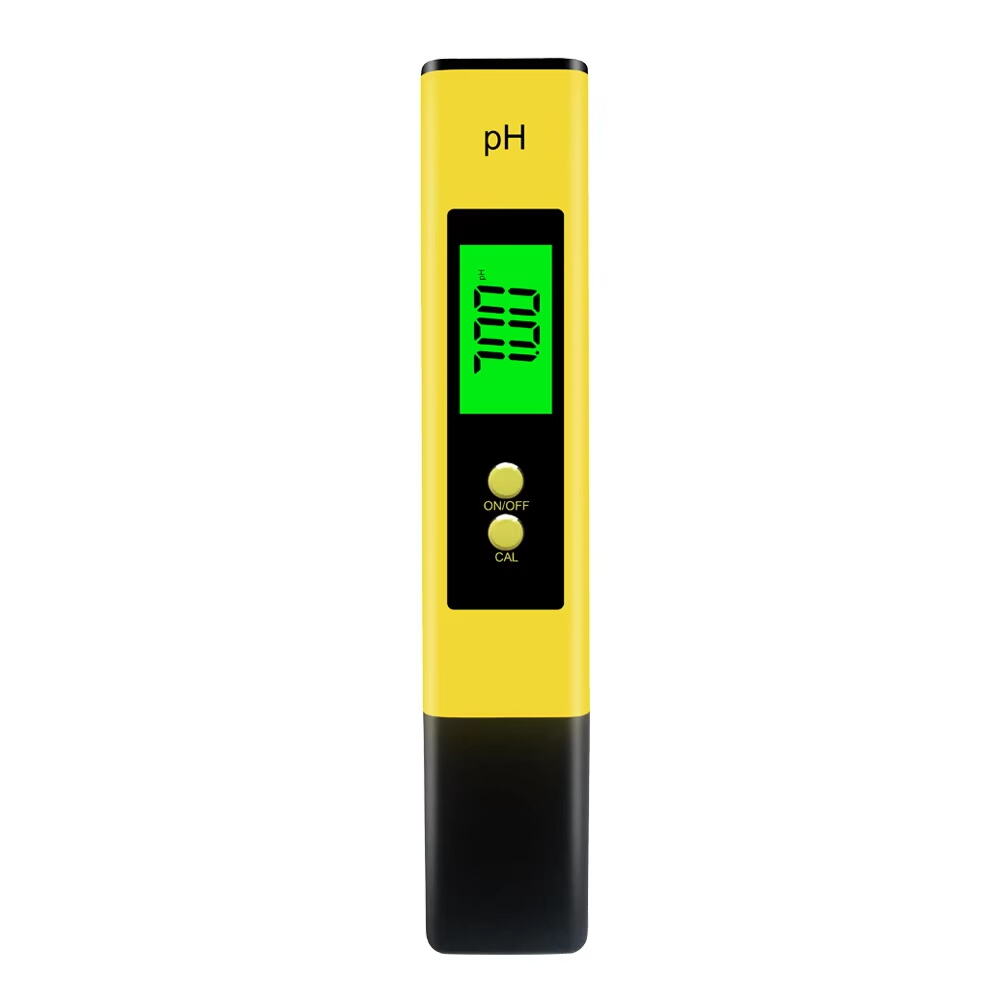
Water quality monitoring relies heavily on precise measurements, and ph meter accuracy plays a crucial role in determining the reliability of testing results. When monitoring swimming pools, aquaculture systems, laboratories, or drinking water supplies, even small deviations in pH readings can lead to significant consequences for water safety and treatment protocols. Understanding how ph meter accuracy affects overall monitoring outcomes helps professionals make informed decisions about equipment selection and measurement procedures. The precision of pH measurements directly correlates with the effectiveness of water treatment processes, regulatory compliance, and public health protection measures.
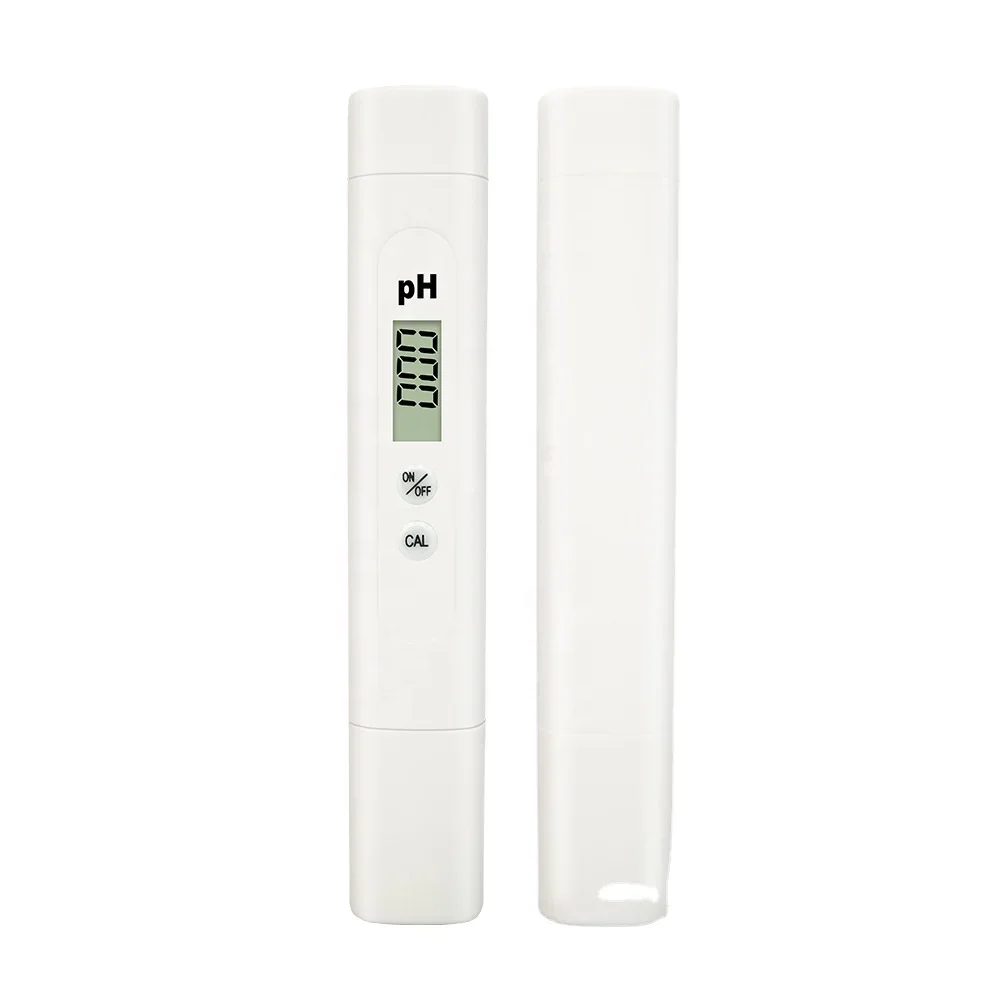
Understanding pH Meter Accuracy Fundamentals
Technical Specifications and Measurement Precision
Ph meter accuracy encompasses several technical parameters that determine measurement reliability and consistency. Most professional-grade pH meters specify accuracy ratings ranging from ±0.01 to ±0.1 pH units, with higher-end instruments achieving better precision. The accuracy specification indicates how closely the meter's readings match the true pH value of a solution under optimal conditions. Temperature compensation features also influence ph meter accuracy by automatically adjusting readings based on solution temperature variations. Advanced digital pH meters incorporate microprocessor-controlled calibration systems that maintain consistent accuracy across extended operating periods.
Resolution and accuracy represent distinct measurement characteristics that both affect overall performance. While resolution refers to the smallest measurable change a pH meter can detect, accuracy describes how closely readings correspond to actual pH values. High-quality instruments typically offer 0.01 pH resolution combined with superior accuracy specifications for demanding applications. Electronic drift compensation mechanisms help maintain ph meter accuracy over time by correcting for electrode aging and environmental factors. Regular calibration procedures ensure that measurement accuracy remains within specified tolerances throughout the instrument's operational lifespan.
Calibration Impact on Measurement Reliability
Proper calibration procedures directly influence ph meter accuracy and determine the reliability of subsequent measurements. Standard buffer solutions with precisely known pH values serve as reference points for establishing accurate measurement baselines. Two-point calibration using pH 4.01 and pH 7.00 buffers provides adequate accuracy for most applications, while three-point calibration incorporating pH 10.01 buffer enhances precision across wider measurement ranges. The frequency of calibration procedures significantly impacts ph meter accuracy, with daily calibration recommended for critical applications requiring maximum precision.
Temperature effects during calibration can substantially impact ph meter accuracy if not properly addressed. Buffer solutions exhibit temperature-dependent pH variations that must be compensated through automatic temperature compensation features or manual temperature corrections. Fresh calibration buffers ensure optimal accuracy since degraded or contaminated solutions introduce measurement errors that compromise overall reliability. Quality assurance protocols typically specify acceptable calibration drift limits that trigger recalibration requirements when exceeded. Professional water quality monitoring programs establish standardized calibration schedules that maintain consistent ph meter accuracy across all measurement activities.
Water Quality Assessment Applications
Swimming Pool Water Management
Swimming pool water quality depends critically on maintaining proper pH levels, making ph meter accuracy essential for effective pool management. Optimal swimming pool pH ranges between 7.2 and 7.6, requiring precise measurements to ensure bather comfort and sanitizer effectiveness. Inaccurate pH readings can lead to over-treatment or under-treatment scenarios that compromise water safety and increase operational costs. Chlorine sanitizer efficiency varies significantly with pH levels, with effectiveness decreasing rapidly when pH exceeds optimal ranges. Professional pool operators rely on accurate pH measurements to optimize chemical dosing programs and maintain consistent water quality standards.
Automated pool monitoring systems integrate high-accuracy pH sensors that continuously track water conditions and trigger corrective actions when parameters drift outside acceptable ranges. The precision of these monitoring systems directly depends on ph meter accuracy specifications and proper maintenance procedures. Pool chemistry imbalances caused by inaccurate pH measurements can result in equipment corrosion, scale formation, and reduced sanitizer performance. Regular validation of pH meter accuracy using certified reference solutions helps ensure reliable pool water monitoring and regulatory compliance. Commercial pool facilities often implement multiple pH monitoring points to verify measurement consistency and maintain comprehensive water quality oversight.
Aquaculture and Fishery Applications
Aquaculture operations require exceptional ph meter accuracy to maintain optimal growing conditions for fish and other aquatic organisms. Fish health and growth rates are highly sensitive to pH variations, with most species thriving within narrow pH ranges specific to their natural habitats. Accurate pH monitoring enables aquaculture managers to detect water quality changes before they negatively impact livestock health and productivity. Feeding efficiency, reproduction rates, and disease resistance in aquatic organisms correlate strongly with maintaining proper pH levels through precise monitoring. Commercial aquaculture facilities implement continuous pH monitoring systems that provide real-time data for immediate response to water quality fluctuations.
Water treatment interventions in aquaculture systems depend on accurate pH measurements to determine appropriate corrective actions and chemical dosing rates. Buffering capacity assessments require precise pH readings to establish effective alkalinity management strategies that stabilize water conditions. Ph meter accuracy becomes particularly critical during disease outbreaks when medication effectiveness depends on maintaining specific pH ranges for optimal therapeutic results. Regulatory compliance in aquaculture operations often mandates documented pH monitoring with specified accuracy requirements that ensure environmental protection and food safety standards. Advanced aquaculture monitoring platforms integrate multiple water quality parameters with pH measurements to provide comprehensive environmental management capabilities.
Industrial and Laboratory Monitoring Systems
Process Control Applications
Industrial process control systems rely heavily on ph meter accuracy to maintain product quality and optimize manufacturing efficiency across diverse applications. Chemical manufacturing processes often require pH control within narrow tolerances to ensure proper reaction conditions and prevent unwanted side reactions. Water treatment facilities depend on accurate pH measurements to optimize coagulation, flocculation, and disinfection processes that remove contaminants and pathogens. ph meter accuracy specifications directly influence the precision of automated control systems that adjust chemical feed rates based on real-time measurements.
Pharmaceutical manufacturing environments maintain stringent pH control requirements where measurement accuracy affects product potency, stability, and safety characteristics. Food and beverage production processes utilize precise pH monitoring to ensure consistent flavor profiles, shelf stability, and regulatory compliance with safety standards. Pulp and paper manufacturing operations depend on accurate pH measurements to optimize bleaching processes and minimize environmental discharge impacts. Industrial pH monitoring systems typically incorporate redundant sensors and cross-validation protocols that enhance measurement reliability and process safety margins.
Environmental Monitoring Programs
Environmental monitoring programs require exceptional ph meter accuracy to assess ecosystem health and track pollution impacts on natural water bodies. Regulatory agencies specify strict accuracy requirements for pH measurements used in compliance monitoring and environmental impact assessments. Acid rain monitoring networks rely on precise pH measurements to document environmental changes and evaluate the effectiveness of emission control programs. Surface water quality assessments utilize accurate pH data to identify pollution sources and track remediation progress over time.
Groundwater monitoring programs depend on ph meter accuracy to detect contamination plumes and assess natural attenuation processes that affect pollutant mobility. Environmental consulting firms must demonstrate measurement accuracy through quality assurance protocols that include regular calibration verification and proficiency testing programs. Climate change research applications utilize long-term pH monitoring data to assess ocean acidification trends and freshwater ecosystem responses to atmospheric changes. Field portable pH meters used in environmental monitoring require robust accuracy specifications that maintain performance under challenging outdoor conditions and temperature variations.
Factors Affecting Measurement Accuracy
Environmental and Operational Variables
Temperature fluctuations represent one of the most significant factors affecting ph meter accuracy in field and laboratory applications. pH electrode response varies predictably with temperature, requiring automatic temperature compensation systems to maintain measurement accuracy across varying conditions. Altitude and atmospheric pressure changes can influence pH readings in open systems where carbon dioxide exchange affects solution chemistry. Electromagnetic interference from nearby equipment can introduce noise and drift that compromises ph meter accuracy in industrial environments.
Sample turbidity and suspended solids can interfere with electrode function and reduce measurement accuracy by creating unstable readings or electrode fouling conditions. Ionic strength variations in test solutions affect electrode response characteristics and require consideration when interpreting pH measurements for maximum accuracy. Electrode aging and drift phenomena gradually reduce ph meter accuracy over time, necessitating regular replacement schedules and performance verification procedures. Proper sample handling techniques, including adequate mixing and temperature equilibration, help ensure optimal measurement accuracy and reproducible results.
Equipment Maintenance and Quality Assurance
Regular maintenance procedures play a crucial role in preserving ph meter accuracy throughout the instrument's operational lifetime. Electrode storage solutions maintain sensor performance by preventing dehydration and contamination that can compromise measurement accuracy and response time. Cleaning protocols remove accumulated deposits and biofilms that interfere with electrode function and introduce measurement errors. Quality control procedures using certified reference materials verify ph meter accuracy and identify performance degradation before it affects critical measurements.
Documentation requirements for regulated applications mandate detailed records of calibration procedures, maintenance activities, and accuracy verification results. Preventive maintenance schedules help identify potential problems before they compromise measurement reliability and ensure consistent ph meter accuracy over extended periods. Replacement parts availability and service support considerations affect long-term measurement accuracy and operational continuity in critical monitoring applications. Training programs for operators ensure proper equipment handling and calibration procedures that maintain optimal ph meter accuracy and extend instrument lifespan.
Selecting Appropriate pH Measurement Equipment
Application-Specific Requirements
Different water quality monitoring applications require varying levels of ph meter accuracy based on specific measurement objectives and regulatory requirements. Laboratory analytical work typically demands the highest accuracy specifications, often requiring instruments with ±0.01 pH accuracy or better for quantitative analysis. Field monitoring applications may accept slightly lower accuracy specifications in exchange for enhanced portability and environmental durability. Process control systems require consistent accuracy over extended operating periods with minimal maintenance requirements.
Budget considerations must balance ph meter accuracy requirements against available resources while ensuring adequate performance for intended applications. High-accuracy instruments typically command premium prices but provide superior reliability and reduced measurement uncertainty for critical applications. Cost-benefit analyses should consider long-term operational costs, including calibration materials, maintenance requirements, and replacement schedules. Application-specific features such as waterproofing, data logging, and wireless connectivity may influence equipment selection beyond basic accuracy specifications.
Technology Advances and Future Trends
Recent technological advances continue to improve ph meter accuracy while reducing operational complexity and maintenance requirements. Digital sensor technology incorporates advanced signal processing algorithms that enhance measurement stability and reduce noise interference. Wireless connectivity enables remote monitoring capabilities that maintain high accuracy while providing convenient data access and alarm functions. Smart calibration systems automatically recognize buffer solutions and guide users through proper procedures that optimize measurement accuracy.
Future developments in pH measurement technology focus on improving sensor longevity and reducing calibration frequency while maintaining or enhancing accuracy specifications. Nanotechnology applications may enable new electrode designs with enhanced selectivity and reduced interference susceptibility. Integration with cloud-based data management systems provides advanced analytics and predictive maintenance capabilities that optimize ph meter accuracy throughout operational lifecycles. Artificial intelligence applications may enable adaptive calibration algorithms that continuously optimize measurement accuracy based on historical performance data and environmental conditions.
FAQ
What accuracy level should I expect from a professional pH meter?
Professional pH meters typically provide accuracy specifications ranging from ±0.01 to ±0.05 pH units, depending on the instrument quality and intended application. Laboratory-grade instruments often achieve ±0.01 pH accuracy under optimal conditions, while portable field meters may specify ±0.02 to ±0.05 pH accuracy. The actual achievable accuracy depends on proper calibration, maintenance procedures, and environmental conditions during measurement. High-quality digital pH meters with automatic temperature compensation generally provide more consistent accuracy across varying operating conditions.
How often should I calibrate my pH meter to maintain accuracy?
Calibration frequency depends on the specific application requirements and desired ph meter accuracy level. Critical applications such as pharmaceutical manufacturing or regulatory compliance monitoring may require daily calibration to maintain maximum accuracy. General laboratory use typically requires calibration every few days or weekly, depending on usage intensity and accuracy requirements. Field monitoring applications may require calibration before each sampling event or daily during extended monitoring campaigns. Always recalibrate after electrode maintenance, extended storage periods, or when quality control checks indicate accuracy drift.
Can environmental factors affect pH meter accuracy?
Yes, several environmental factors significantly influence ph meter accuracy and measurement reliability. Temperature variations affect both electrode response and sample pH values, requiring automatic temperature compensation for optimal accuracy. Electromagnetic interference from nearby electrical equipment can introduce noise and measurement instability. Atmospheric pressure changes and altitude variations may affect pH readings in open systems through carbon dioxide exchange effects. Proper environmental controls and compensation techniques help maintain consistent ph meter accuracy across varying operating conditions.
What maintenance procedures are essential for preserving pH meter accuracy?
Essential maintenance procedures include regular calibration using fresh buffer solutions, proper electrode storage in recommended solutions, and periodic cleaning to remove deposits and contamination. Quality control checks using certified reference materials verify continued accuracy and identify performance degradation. Electrode replacement schedules based on age and usage help maintain optimal accuracy over time. Documentation of all maintenance activities and accuracy verification results supports quality assurance programs and regulatory compliance requirements. Following manufacturer recommendations for storage, handling, and maintenance procedures ensures maximum ph meter accuracy and instrument longevity.