EN
EN


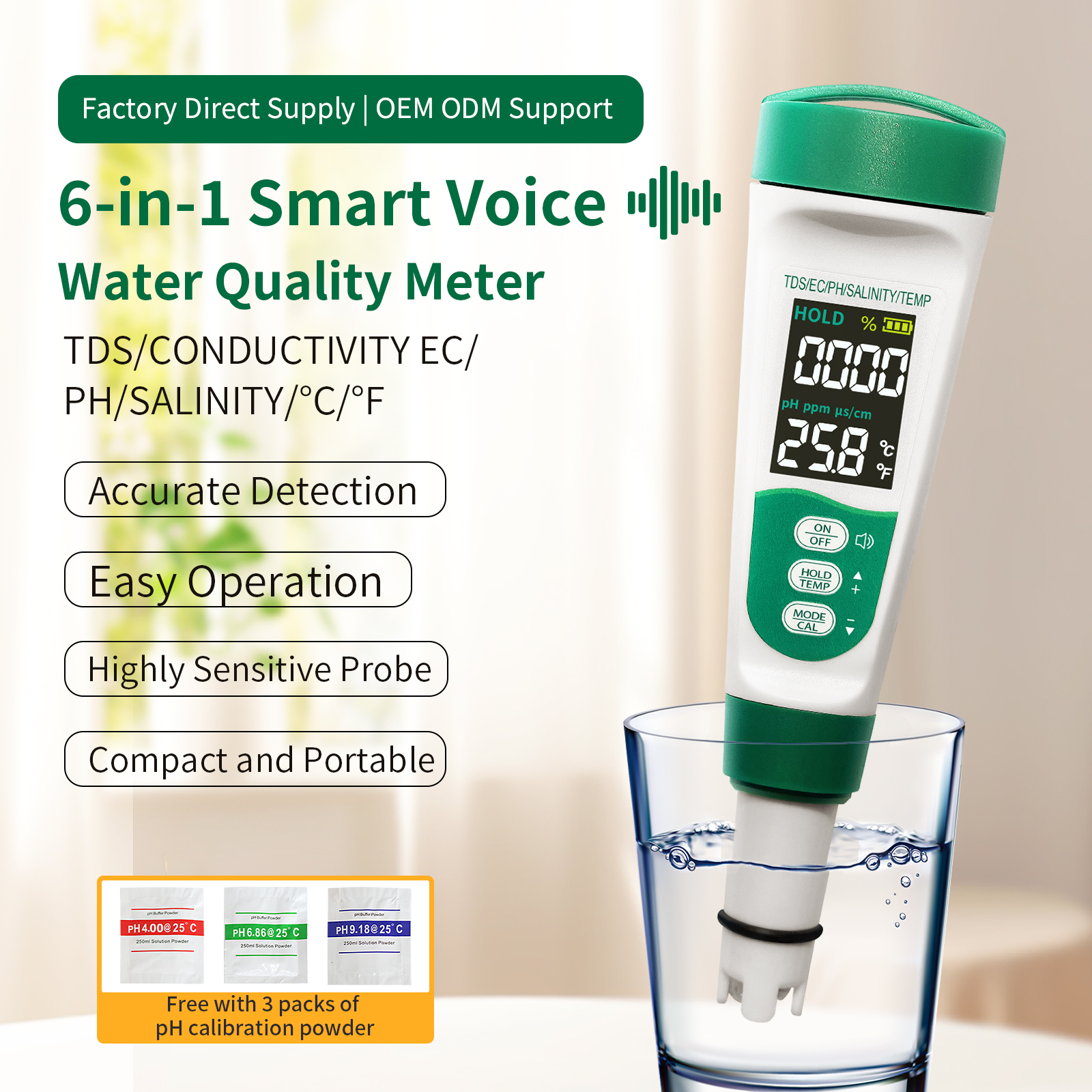
Wastewater facilities face one of the most critical operational challenges in modern water treatment: maintaining stable pH levels consistently, day and night, regardless of incoming water composition or seasonal changes. The pH of wastewater directly affects chemical reactions, microbial activity, equipment longevity, and regulatory compliance. When pH drifts outside the optimal range, treatment efficacy drops sharply, corrosion accelerates, and facilities risk environmental violations. Understanding how professional wastewater facilities accomplish this 24/7 pH balance requires insight into real-time monitoring, automated control systems, and strategic chemical management that operate continuously without interruption.
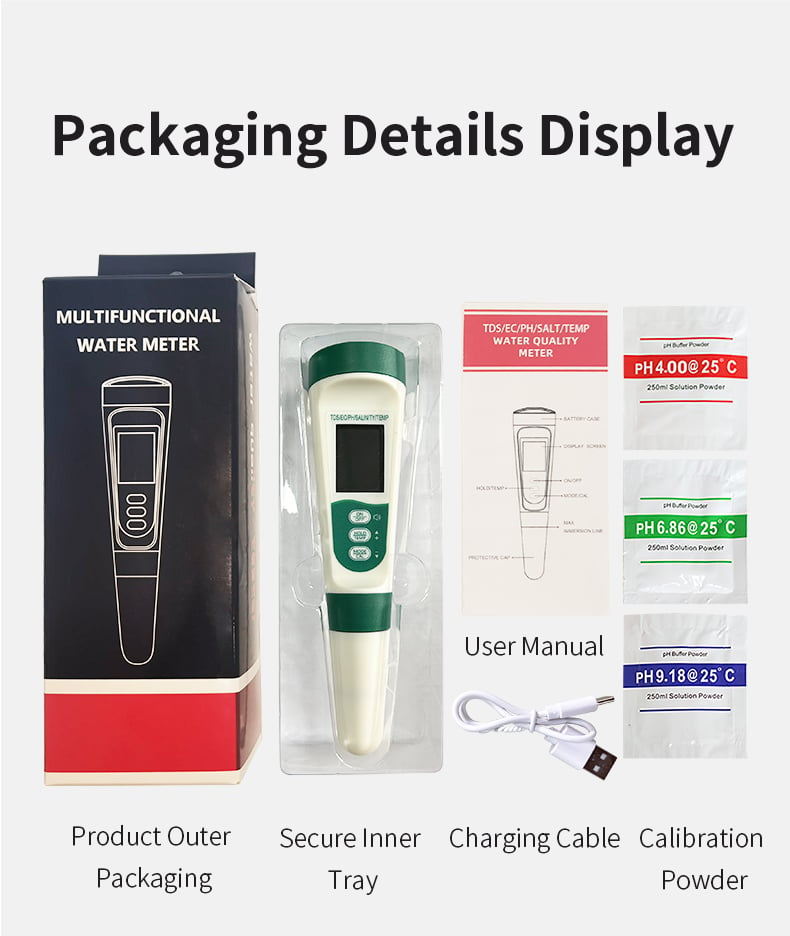
The stability of pH in wastewater treatment is not accidental; it is the result of deliberate engineering, constant vigilance, and sophisticated instrumentation working in concert. Large treatment plants employ a multi-layered strategy that combines real-time pH sensing, automated dosing systems, storage capacity for chemical buffers, and trained personnel ready to respond to deviations at any moment. This article explores the proven methods that enable wastewater facilities to maintain stable pH around the clock, ensuring consistent treatment performance and meeting stringent environmental discharge standards.
Continuous Real-Time pH Monitoring and Sensor Technology
The Role of Digital pH Sensors in 24/7 Operations
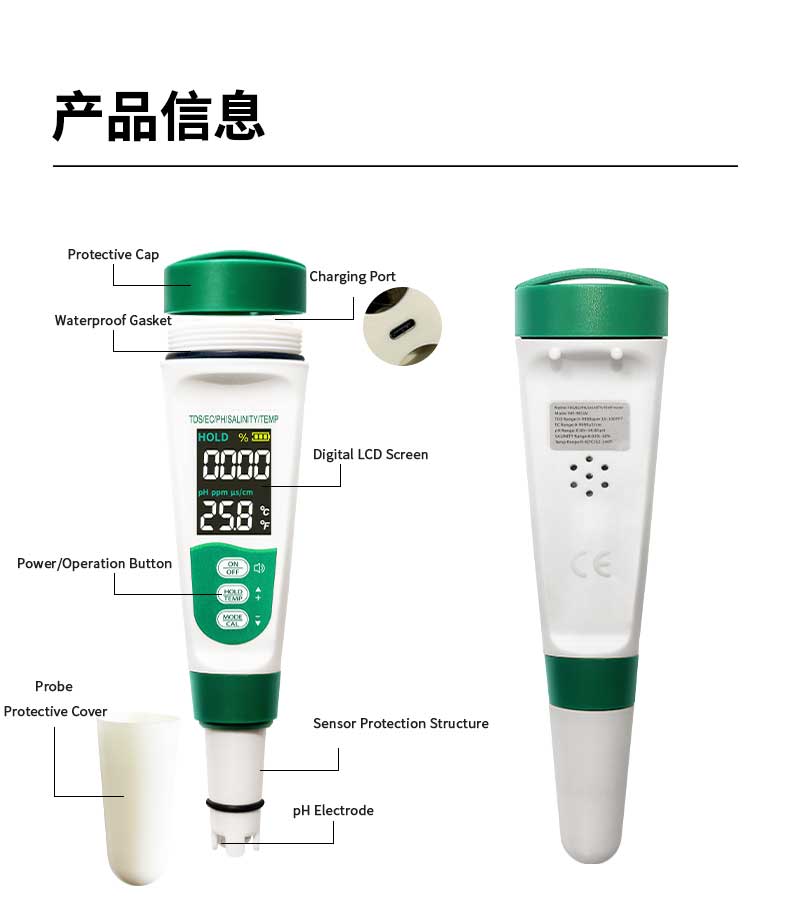
At the heart of any successful pH management system lies continuous monitoring using advanced digital pH sensors. Modern wastewater facilities deploy multiple pH probes at strategic points throughout the treatment train: influent lines, after primary clarification, within biological reactors, and at discharge points. Each sensor measures pH in real time and transmits data to a central control system, often updating readings every few seconds. These sensors are not passive devices; they actively drive operational decisions and trigger automated responses the moment pH drifts outside acceptable ranges. A pH sensor designed for accuracy and durability becomes the foundation upon which the entire pH management strategy rests, ensuring that facility operators have the precise data they need to make informed adjustments.
Redundancy and Failsafe Probe Configurations
Wastewater facilities do not rely on a single pH probe; redundancy is built into every critical monitoring point. Facilities typically install dual sensors at each critical location so that if one probe fouled, drifted, or failed, the second sensor continues providing reliable pH data. This redundancy prevents blind spots in pH monitoring and eliminates the risk that a facility would miss a pH excursion due to instrument failure. Sensors are calibrated regularly, often daily or every shift, using buffer solutions of known pH values. When a probe reading deviates unexpectedly from the backup sensor or from expected treatment patterns, technicians know to investigate the probe condition rather than trust a potentially faulty measurement. Regular maintenance and automatic cleaning systems keep probe windows free of biofilm and mineral deposits, ensuring that pH measurements remain accurate and responsive throughout every 24-hour cycle.
Automated Dosing Systems and Chemical pH Adjustment
Proportional and PID Control Logic
The automatic adjustment of pH relies on control algorithms that respond proportionally to detected pH deviations. Most wastewater facilities employ Proportional-Integral-Derivative (PID) controllers that continuously calculate the difference between the actual pH and the desired setpoint. Based on that error, the PID logic automatically increases or decreases the rate of chemical dosing. If pH rises above target, the system injects acid; if pH falls below target, the system injects base or alkaline material. This proportional response prevents overshoot and wild oscillations in pH, instead producing a smooth, stable trajectory toward the target range. The strength of PID control is that it learns the treatment system's response characteristics over time and adjusts its sensitivity accordingly. A poorly tuned PID system might cause pH to swing widely; a well-configured PID system maintains pH within just a few tenths of a unit constantly, even as incoming wastewater pH fluctuates dramatically.
Rapid-Response Chemical Injection Equipment
To achieve stable pH around the clock, facilities must be able to inject chemicals quickly and precisely. Centrifugal pumps connected to acid or caustic chemical tanks feed into the wastewater stream at speeds controlled by the automated PID system. These pumps are selected for low dead volume and rapid response; when the controller signals them to increase flow, the injection rate changes within seconds rather than minutes. The chemical lines are designed to promote immediate mixing, often through in-line static mixers or rapid mixing chambers, so that the injected acid or base distributes uniformly through the entire wastewater flow. Overflow collection systems and secondary containment ensure safety if a pump fails or chemical line ruptures. Standby power, typically an on-site generator, keeps dosing equipment operational during power outages, preventing pH crashes that could halt treatment or damage equipment. The combination of responsive equipment and redundant power ensures that pH adjustment never stops, regardless of external disruptions.
Chemical Strategy and Buffer Capacity Management
Selection of Appropriate Acids, Bases, and Alkalinity Agents
The choice of pH adjustment chemicals has profound implications for 24/7 pH stability. Facilities treating industrial wastewater with volatile acidity often employ sulfuric acid for pH reduction because of its cost-effectiveness and rapid action. Conversely, facilities needing to raise pH typically use caustic soda (sodium hydroxide), lime (calcium hydroxide), or sodium bicarbonate. The selection depends on local discharge regulations, the nature of incoming wastewater, and treatment objectives. Many municipal wastewater treatment plants also manage alkalinity carefully; they may add lime not just for pH control but also to precipitate metals and improve settling. The chemical combination must be compatible with the treatment processes downstream. For example, if the plant operates a nitrification-denitrification biological reactor, maintaining pH within 6.5 to 8.0 is critical for microbial activity, and the chosen pH adjustment chemicals must not introduce substances that inhibit these beneficial microbes. Strategic chemical selection ensures that pH remains stable without creating secondary operational problems.
Balancing Incoming Buffering Capacity
One reason why wastewater treatment plants can maintain stable pH is that incoming wastewater itself often contains buffering capacity. Natural alkalinity from dissolved carbonates and bicarbonates, as well as proteins and other organic matter, help resist drastic pH swings. Experienced operators understand the buffering characteristics of their incoming water and adjust their pH setpoint and chemical injection rates accordingly. During periods when incoming wastewater has high buffering capacity, less chemical is needed to hold pH steady; during low-buffer periods, more frequent and larger dosing adjustments become necessary. Facilities monitor total alkalinity alongside pH to anticipate how much chemical adjustment will be required and to detect unusual shifts in wastewater composition. Some plants maintain strategic pH presets for different seasons or incoming water conditions; they may fine-tune the PID controller parameters when seasonal changes alter the influent water chemistry. This proactive, data-informed approach to buffer management allows facilities to maintain stable pH with fewer dramatic chemical corrections and reduces the risk of uncontrolled pH swings.
Operational Protocols and Staff Training for Continuous Stability
24/7 Shift Coverage and Alarm Response Procedures
No automated system operates perfectly without human oversight. Wastewater facilities maintain 24/7 staffing specifically to monitor control system performance and respond to alarms. Operators on each shift review pH trends, check sensor calibration status, inspect chemical tanks, and ensure all equipment functions as designed. When an alarm sounds—indicating that pH has drifted too far or a sensor appears faulty—trained technicians investigate immediately. They may recalibrate a probe, adjust the pH setpoint, check chemical pump operation, or investigate whether incoming wastewater composition has shifted. By maintaining continuous human presence, facilities prevent small pH excursions from becoming major events. Documentation of all pH adjustments, chemical additions, and sensor maintenance creates a record that helps operators understand patterns and predict future adjustments. This combination of automation and human judgment ensures that pH management adapts to changing conditions while remaining stable and reliable throughout every 24-hour cycle.
Preventive Maintenance and System Redundancy Culture
Facilities that successfully maintain stable pH embrace a preventive maintenance mindset. They schedule regular cleaning and replacement of pH probes before they drift or fail, preventing data gaps that could lead to pH upset. Chemical pump seals are inspected and replaced on schedule. Backup chemicals are always in stock so that a depleted tank never interrupts dosing. Emergency procedures are practiced regularly so that staff can respond quickly if a primary system fails. Many large treatment plants maintain secondary or standby pH dosing systems that can be activated if the primary system malfunctions. This redundancy culture transforms pH management from a reactive crisis-response exercise into a predictable, managed process. When operators know that backup systems exist and that maintenance prevents surprises, they operate with confidence and can respond thoughtfully rather than frantically to any deviation. The result is remarkably stable pH maintained consistently across every 24-hour period, week after week, year after year.
FAQ
Why is maintaining stable pH so critical in wastewater treatment?
Stable pH ensures that biological treatment organisms thrive, chemical reactions proceed predictably, metals precipitate correctly, and equipment resists corrosion. Wastewater with uncontrolled pH can pass through the treatment train without being adequately treated, leaving pollutants in the effluent. Unstable pH also accelerates wear on pipes and pumps, shortens the life of treatment equipment, and can trigger regulatory violations. By maintaining stable pH, facilities protect both the environment and their own operational infrastructure while demonstrating compliance with discharge permits.
How often do wastewater facilities calibrate their pH sensors?
Most facilities perform pH probe calibration at least once per shift, and many do so twice daily or even continuously with automatic calibration systems. Daily calibration ensures that sensors have not drifted and that the data driving pH adjustment logic remains accurate. Some advanced facilities employ automated calibration systems that perform multi-point calibration without manual intervention, reducing the risk of human error and ensuring that pH measurements stay reliable around the clock without requiring technician presence at every calibration moment.
What happens if a wastewater facility loses power during the night?
Well-designed wastewater facilities maintain backup power generation, typically diesel or natural gas generators, to keep pH monitoring and dosing systems operational during outages. Generator fuel tanks are sized to run for many hours or even days, ensuring that pH adjustment never stops. Additionally, facilities maintain buffer tanks with enough chemical reserve to sustain pH control even if power is interrupted before the generator starts. These redundant power and chemical strategies prevent pH from crashing during the night or during unexpected outages, keeping the treatment process stable and protecting the environment from untreated wastewater discharge.