EN
EN


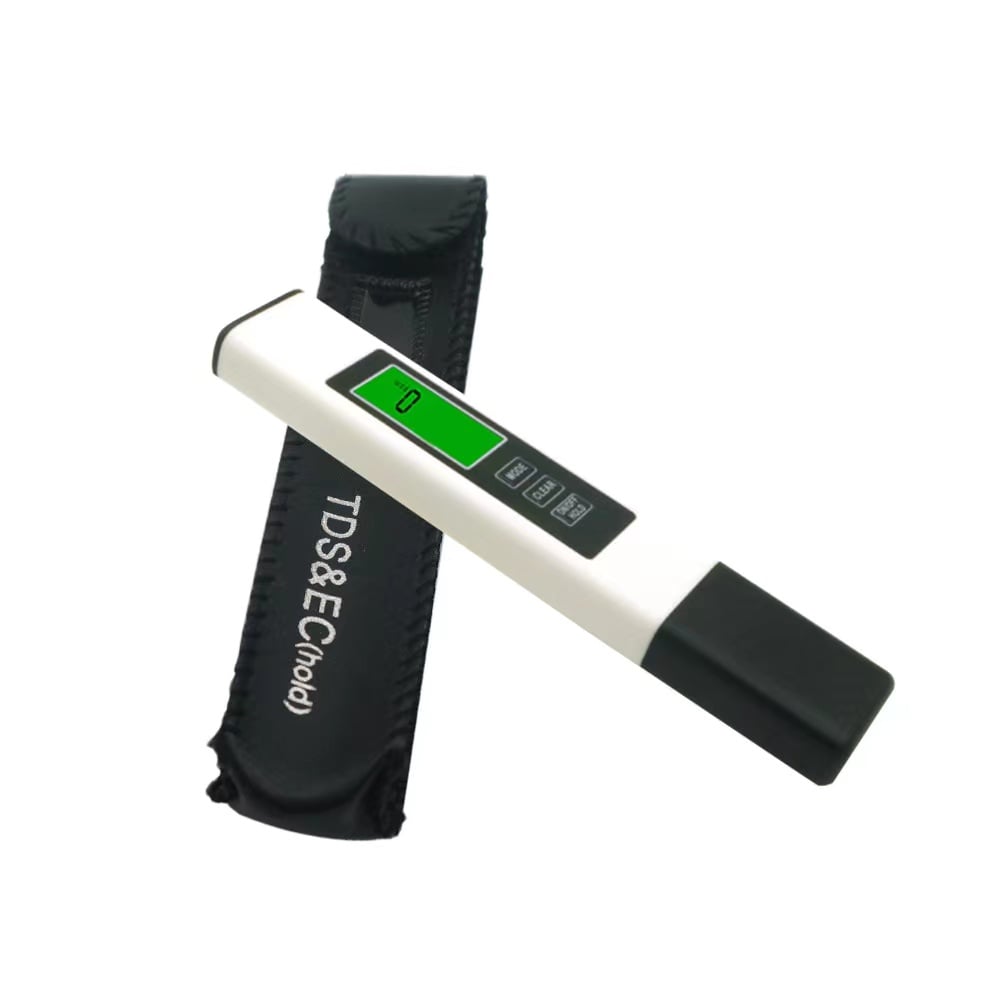
Understanding when to replace your reverse osmosis membrane is critical for maintaining water quality and system performance. One of the most reliable indicators is monitoring tds, or total dissolved solids, which directly reflects how effectively your membrane is filtering contaminants from water. When tds levels begin to rise significantly, it signals that your membrane is degrading and approaching the end of its useful life. Learning to recognize the critical tds threshold will help you maintain consistent water purity and avoid system failures.
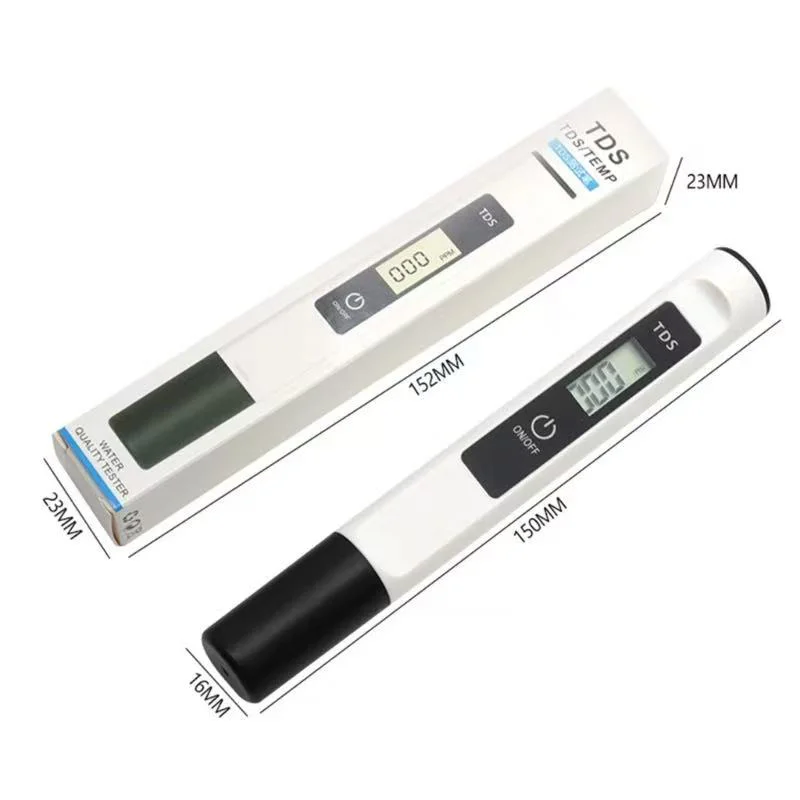
Reverse osmosis systems work by forcing water through a semi-permeable membrane that blocks dissolved minerals and impurities. The tds measurement in parts per million (ppm) quantifies these remaining solids in your filtered water. As your membrane ages, its ability to reject these particles diminishes, causing tds readings in the output water to increase. Recognizing when your output tds has reached an unacceptable level is essential for maintaining the quality of your drinking water, aquarium environment, or hydroponics system.
Understanding TDS Baseline and Normal Operating Ranges
Establishing Your System's Initial TDS Performance
When you first install or service your reverse osmosis system with a new membrane, document the baseline tds reading from your tap water and the output tds produced by your system. Typical municipal tap water contains tds levels between 150 and 500 ppm, depending on your location and water source. A properly functioning reverse osmosis membrane should reduce this to between 10 and 50 ppm, depending on input tds and system design. This baseline comparison becomes your reference point for determining when tds output begins degrading beyond acceptable limits.
Typical TDS Reduction Performance
Most residential and commercial reverse osmosis systems are designed to achieve 85 to 95 percent tds rejection rates. This means if your incoming water has a tds of 300 ppm, your output water should measure between 15 and 45 ppm under ideal conditions. Over time, as the membrane accumulates sediment and mineral buildup, this rejection efficiency decreases progressively. Monitoring your tds output month by month provides a clear trend line that predicts when replacement becomes necessary. Establishing this early baseline is the foundation for effective membrane maintenance planning.
Recognizing Critical TDS Thresholds for Membrane Replacement
When Output TDS Doubles or Exceeds Initial Performance
The most commonly accepted indicator for reverse osmosis membrane replacement occurs when your output tds level reaches double the original baseline. If your system initially produced 25 ppm tds, replacement becomes necessary when output rises to 50 ppm or higher. This doubling threshold reflects significant degradation in the membrane's rejection capability and indicates that filter cartridges and pre-treatment stages are no longer effectively protecting the membrane core. At this tds point, the membrane has typically lost 50 percent or more of its original filtration efficiency. Many industrial and household users follow this tds doubling rule as a reliable maintenance trigger.
Application-Specific TDS Replacement Thresholds
Different applications have varying tolerance levels for output tds, which affects when replacement becomes urgent. For drinking water applications, the EPA recommends output tds remain below 500 ppm, though most quality-conscious users prefer under 100 ppm. For aquarium and hydroponics systems, output tds above 50 ppm begins affecting nutrient balance and water chemistry stability, necessitating earlier membrane replacement. Swimming pool and spa applications may tolerate slightly higher tds but still benefit from replacement when tds output exceeds 75 ppm. Understanding your specific application's acceptable tds range determines your unique replacement threshold.
Monitoring TDS Trends and Planning Proactive Replacement
Establishing a Regular Testing Schedule
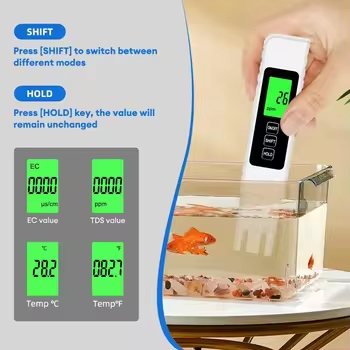
Regular tds monitoring using a reliable digital tds meter allows you to track membrane performance trends over time. Testing weekly or bi-weekly during the first three months after membrane installation establishes how quickly tds naturally rises in your specific water conditions. Once you understand your system's degradation curve, monthly tds testing becomes sufficient for most applications. This consistent monitoring prevents sudden system failures and allows you to schedule membrane replacement during convenient maintenance windows. Tracking tds data in a simple spreadsheet provides visual evidence of when replacement thresholds approach.
Predictive Replacement Planning Using TDS Data
By plotting your monthly tds measurements, you can create a predictive model of when your membrane will reach critical threshold levels. If your tds increases by 5 ppm per month, you can calculate approximately when doubling will occur and plan replacement accordingly. This proactive approach prevents periods where your output water quality is compromised while you scramble to find replacement membranes. Industrial users often establish tds targets that trigger automatic reordering of replacement cartridges and membranes. Seasonal variations in water quality may accelerate tds degradation, so adjust your predictions accordingly during high-sediment periods.
Additional Factors Beyond TDS That Signal Replacement
Recognizing Complementary Warning Signs
While rising output tds is the primary indicator, several other signs confirm membrane replacement timing. Reduced water production rate, increasing noise during system operation, or visible discoloration in output water often accompany rising tds levels. Unusual odors or taste changes in filtered water suggest that tds rejection is failing and contaminant breakthrough is occurring. High system pressure readings combined with elevated output tds indicate the membrane is becoming increasingly restricted by accumulated minerals and sediment. These complementary signals strengthen the case for immediate replacement when tds thresholds are approached.
Pre-Filter Maintenance and TDS Impact
Proper pre-filter maintenance directly influences how quickly tds rises in your output water. Sediment filters clogged with particles force water through incomplete filtration, causing more minerals and sediment to reach the reverse osmosis membrane and accelerating tds degradation. Replacing sediment and carbon filters according to your system manufacturer's schedule extends membrane life and delays when output tds reaches critical thresholds. Regular pre-filter maintenance can extend the interval between tds-driven membrane replacements by 6 to 12 months. Neglecting pre-filter changes causes tds thresholds to be reached 30 to 40 percent faster than properly maintained systems.
FAQ
What TDS reading indicates immediate membrane replacement is necessary?
When your output tds reaches double the baseline level your system initially achieved, replacement becomes necessary. For most residential systems starting at 25 to 30 ppm output tds, replacement is triggered at 50 to 60 ppm. However, application-specific needs vary; aquariums may need replacement at 50 ppm, while some industrial applications tolerate 100 ppm. Always reference your system manual for manufacturer-recommended tds limits and replace when output levels consistently exceed these thresholds.
How often should I test TDS levels to monitor membrane condition?
During the first three months after installation, test tds weekly to establish your system's degradation pattern. After the initial period, monthly tds testing provides sufficient data to predict when replacement thresholds approach. If your system serves critical applications like drinking water or aquariums, test tds bi-weekly or more frequently. Seasonal water quality changes may require increased tds testing frequency during high-sediment periods to catch threshold approaches early.
Can high input TDS affect when output TDS requires membrane replacement?
Yes, systems with high input tds levels experience faster membrane degradation and reach critical output tds thresholds sooner than systems with lower input tds. Hard water areas with input tds above 400 ppm may require membrane replacement annually, while areas with input tds below 150 ppm may extend replacement intervals to 18 to 24 months. Calculate your system's output tds reduction percentage (current output minus original output, divided by original output) to determine true membrane degradation independent of input water variations. This percentage-based assessment provides the most accurate replacement trigger regardless of your specific water source.