EN
EN



Soil pH is one of the most critical factors determining whether crops can access the nutrients they need to thrive. When soil pH falls outside the optimal range, essential nutrients become locked in forms that plant roots cannot absorb, regardless of how much fertilizer a farmer applies. Understanding how pH directly influences nutrient availability is fundamental to improving crop yields and making informed decisions about soil management. The relationship between pH and nutrient uptake is not simply about acidity or alkalinity—it is a complex chemical process that affects the solubility and mobility of every major and minor nutrient plants require.
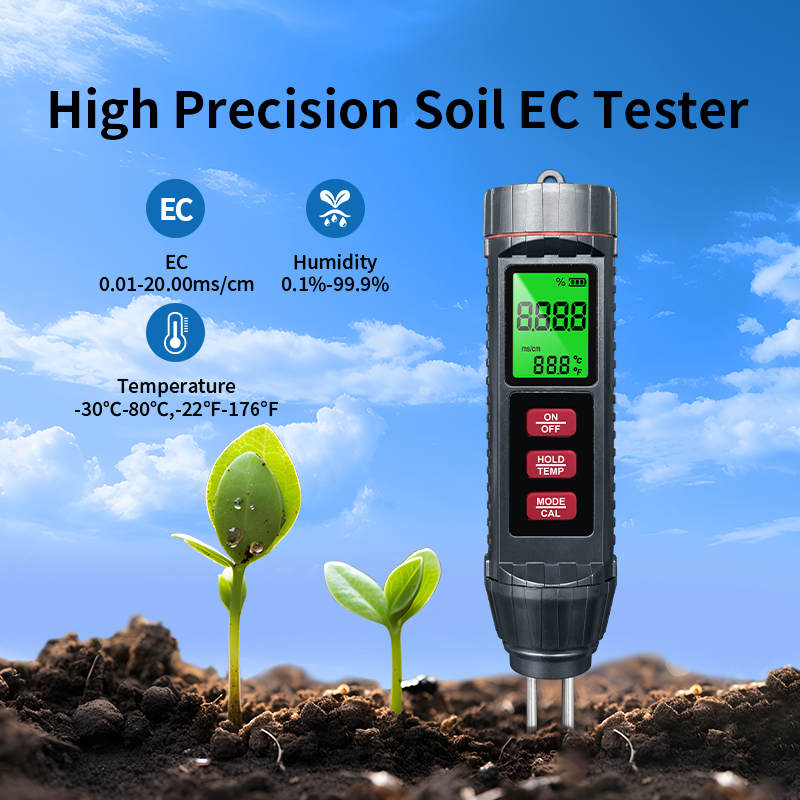
Most crop plants perform best within a pH range of 6.0 to 7.5, where the majority of nutrients remain available in forms that roots can readily absorb. Outside this range, nutrient deficiencies emerge even in nutrient-rich soils because pH controls the chemical equilibrium that determines which nutrients dissolve in soil water. Measuring and managing soil pH has become indispensable for agronomists, farm managers, and soil scientists who want to maximize productivity and reduce nutrient waste. This article explores exactly how pH regulates nutrient availability, which nutrients are most sensitive to pH changes, and how to use pH testing to optimize crop nutrition.
How pH Controls Nutrient Solubility and Availability
The Chemistry Behind pH and Nutrient Forms
Soil pH is fundamentally about hydrogen ion concentration, which directly affects whether nutrients bond with soil particles or remain dissolved in the soil solution where roots can absorb them. When pH is too low, meaning the soil is too acidic, aluminum and manganese become overly soluble and can reach toxic levels, while calcium and magnesium become less available despite being present in the soil. Conversely, when pH is too high, meaning the soil is alkaline, iron, manganese, zinc, and copper form insoluble compounds that plants cannot access, leading to severe micronutrient deficiencies even on fertile soils. The pH value essentially acts as a chemical switch that determines the oxidation state and bonding behavior of every nutrient, making it impossible to separate nutrient availability from the soil's pH status.
Nutrient Availability Across the pH Spectrum
Different nutrients reach peak availability at different pH values, which means that finding the optimal pH for a specific crop requires understanding its particular nutrient demand profile. Nitrogen remains relatively available across a wide pH range, but phosphorus availability peaks between pH 6.0 and 7.0, dropping sharply in both acidic and alkaline soils where it binds with iron, aluminum, or calcium. Potassium availability is less pH-dependent than phosphorus, but macronutrients like calcium and magnesium become increasingly soluble at lower pH levels. Micronutrients like zinc, copper, iron, and boron show a steep inverse relationship with pH—their availability increases dramatically as pH decreases, which means they can become toxic at very low pH but severely deficient at high pH. This variability means that soil pH testing and management must be tailored to the nutrient needs of the crop being grown and the specific soil conditions present.
Practical Implications of pH for Crop Nutrition
Why Standard Fertilizer Recommendations Often Fail
Farmers and agronomists frequently encounter situations where standard fertilizer applications based on nutrient analysis fail to produce expected yield improvements, and pH imbalance is often the hidden cause. A soil test might show adequate phosphorus content, but if pH is misaligned, that phosphorus remains bound and unavailable to the crop, resulting in symptoms of deficiency despite adequate fertilizer input. This phenomenon is especially common in regions with naturally acidic soils or alkaline soils, where pH can override the effects of fertility management. Before increasing fertilizer rates—an expensive and often ineffective response—measuring soil pH and adjusting it to match crop requirements can unlock nutrient availability and dramatically improve nutrient use efficiency. Precision agriculture increasingly recognizes that pH management is not optional but central to rational fertilizer strategy and cost-effective nutrient management.
Field Variability and Localized pH Management
Modern soil mapping has revealed that pH can vary significantly across a single field, with some zones optimally suited for crop nutrient uptake while others limit availability due to localized acidity or alkalinity. Variable-rate pH management, enabled by soil testing at multiple points across a field, allows farmers to apply lime or acidifying amendments where needed rather than treating the entire field uniformly. Some regions naturally develop acidic zones due to leaching of base cations, while other areas may accumulate salts that increase pH and reduce nutrient availability. Understanding these patterns requires systematic soil sampling and pH testing, followed by targeted application of soil amendments. This zone-based approach to pH management optimizes both yield potential and input efficiency by ensuring that each area of the field operates at the pH that maximizes nutrient availability for the planned crop.
Testing, Monitoring, and Adjusting Soil pH
The Importance of Accurate pH Measurement
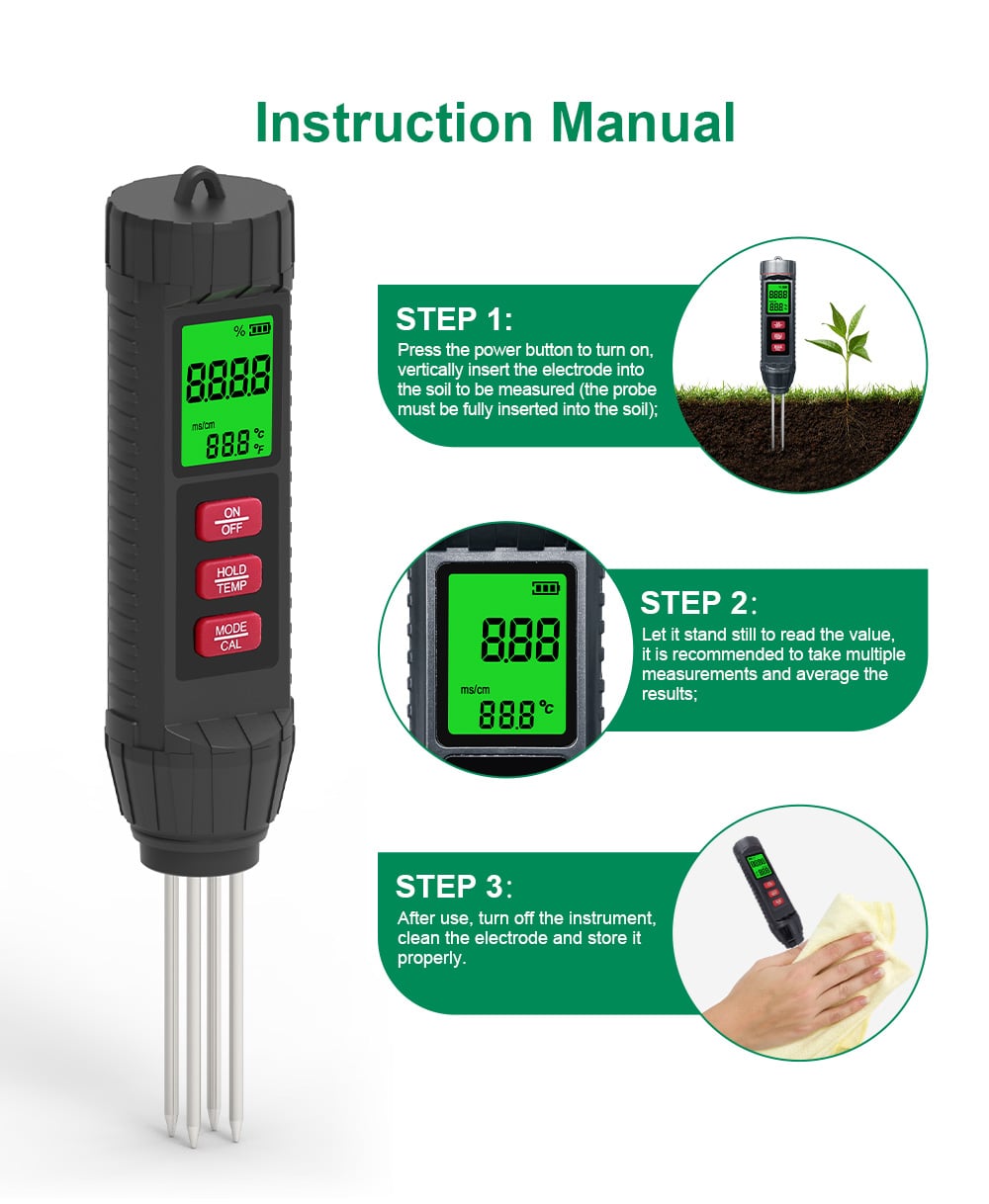
Accurate soil pH testing is the foundation of any nutrient management program, as even small pH errors can lead to significantly different nutrient availability profiles and crop outcomes. Laboratory soil pH tests using water extraction or buffer extraction provide standardized results that agronomists use as benchmarks, but field-based pH meters allow real-time assessment and rapid decision-making during growing seasons. A reliable pH meter capable of measuring soil samples across different moisture conditions ensures that farmers and agronomists understand the current pH status before making lime or sulfur applications. Since pH changes gradually in response to amendments, regular monitoring with accurate instrumentation helps track progress and prevents over-correction. Many commercial pH testing devices now integrate multiple soil parameters, allowing simultaneous assessment of moisture, temperature, and light conditions alongside pH, providing a comprehensive soil health snapshot in one measurement.
Strategies for pH Adjustment and Long-Term Management
Once pH testing reveals that adjustment is needed, farmers choose between lime application to raise pH in acidic soils or sulfur or acidifying fertilizers to lower pH in alkaline soils. Lime acts slowly, often requiring six months to a year for full pH adjustment, so applications must be planned well in advance of the growing season when optimal pH is most critical. The amount of lime needed depends not only on current pH but on soil texture and organic matter content—clay and high-organic-matter soils require more lime to achieve the same pH change than sandy, low-organic-matter soils. Ongoing pH management involves monitoring trends over multiple years, as soil pH naturally drifts in response to weathering, nitrogen fertilizer type, crop removal of base cations, and other factors. Building pH management into a multi-year nutrient strategy, informed by regular soil testing, ensures that soil conditions remain optimal for nutrient availability and crop performance rather than allowing pH to drift into suboptimal ranges.
FAQ
What is the optimal pH range for most agricultural crops?
Most crop plants achieve peak nutrient availability and growth in soils with pH between 6.0 and 7.5, though some crops prefer slightly more acidic or alkaline conditions. Within this range, phosphorus, potassium, and macronutrients remain sufficiently available while micronutrient levels remain non-toxic. Specific crops like potatoes prefer more acidic pH to reduce disease risk, while alfalfa thrives in slightly alkaline soils, so crop-specific pH targets are important for optimization.
How does pH affect phosphorus availability differently than other nutrients?
Phosphorus shows the steepest and most dramatic pH-availability relationship of all major nutrients, with availability peaking sharply between pH 6.0 and 7.0. Below pH 6.0, phosphorus binds with aluminum and iron, while above pH 7.5 it binds with calcium, making phosphorus unavailable at both low and high pH extremes. This is why pH management is especially critical for phosphorus-responsive crops and why phosphorus deficiency symptoms often indicate a pH problem rather than true phosphorus deficiency.
How often should farmers test soil pH to maintain optimal nutrient availability?
Soil pH should be tested every three to four years under normal conditions, though annual testing is recommended if lime or acidifying amendments have been recently applied to monitor the effectiveness of pH adjustment. More frequent testing is warranted if crops show nutrient deficiency symptoms despite adequate fertilizer application, as pH drift may be limiting nutrient availability. Field variability also justifies more intensive pH sampling across different soil zones to identify localized areas requiring targeted amendment.