EN
EN


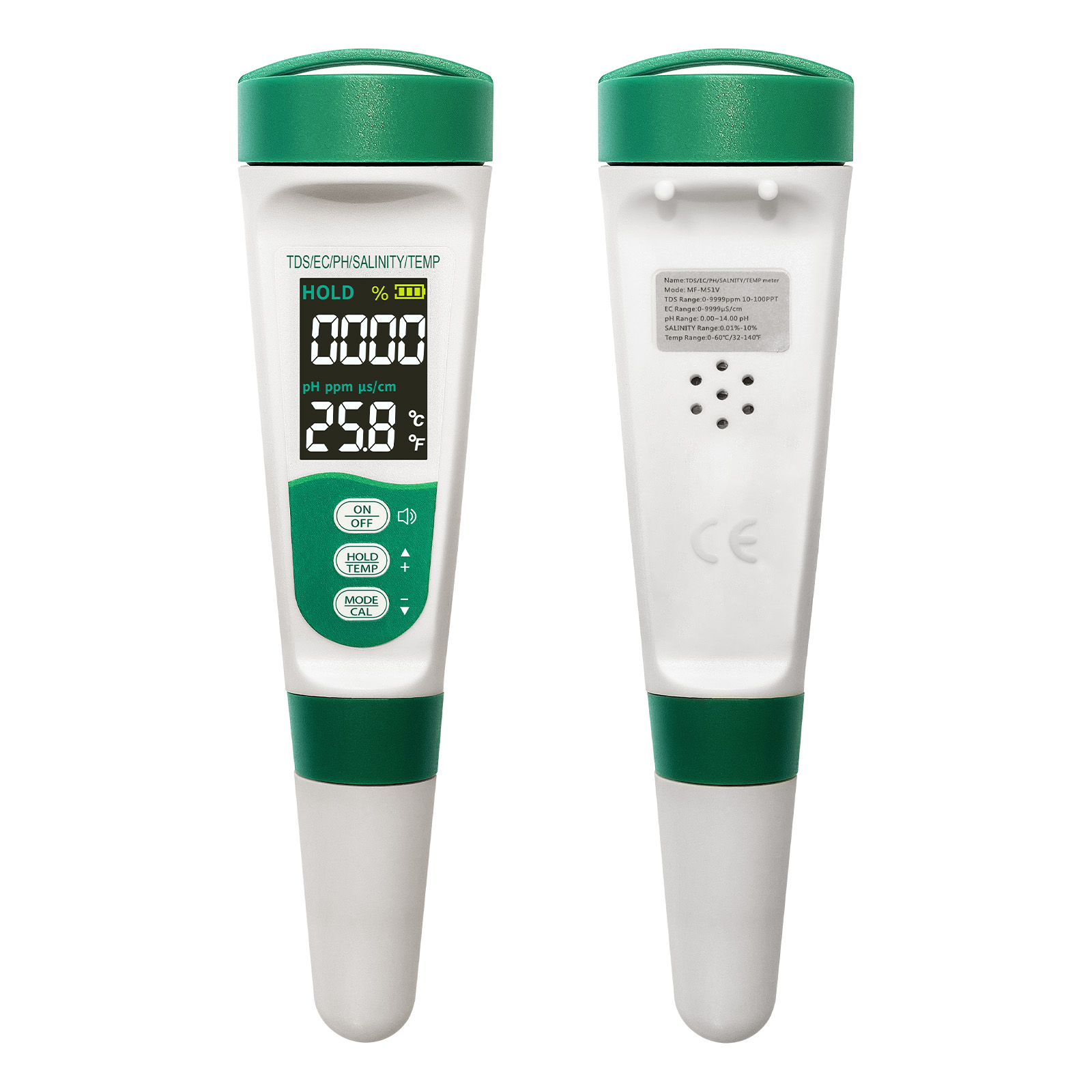
Municipal water quality varies dramatically throughout the year, and understanding these fluctuations is essential for water managers and consumers alike. Total Dissolved Solids, commonly referred to as tds, represent one of the most important indicators of water quality. Seasonal changes directly influence tds concentrations in municipal water sources, affecting everything from taste and odor to potential health implications. By examining how tds responds to seasonal variation, we can better understand the forces shaping our drinking water and make informed decisions about water treatment and testing protocols.
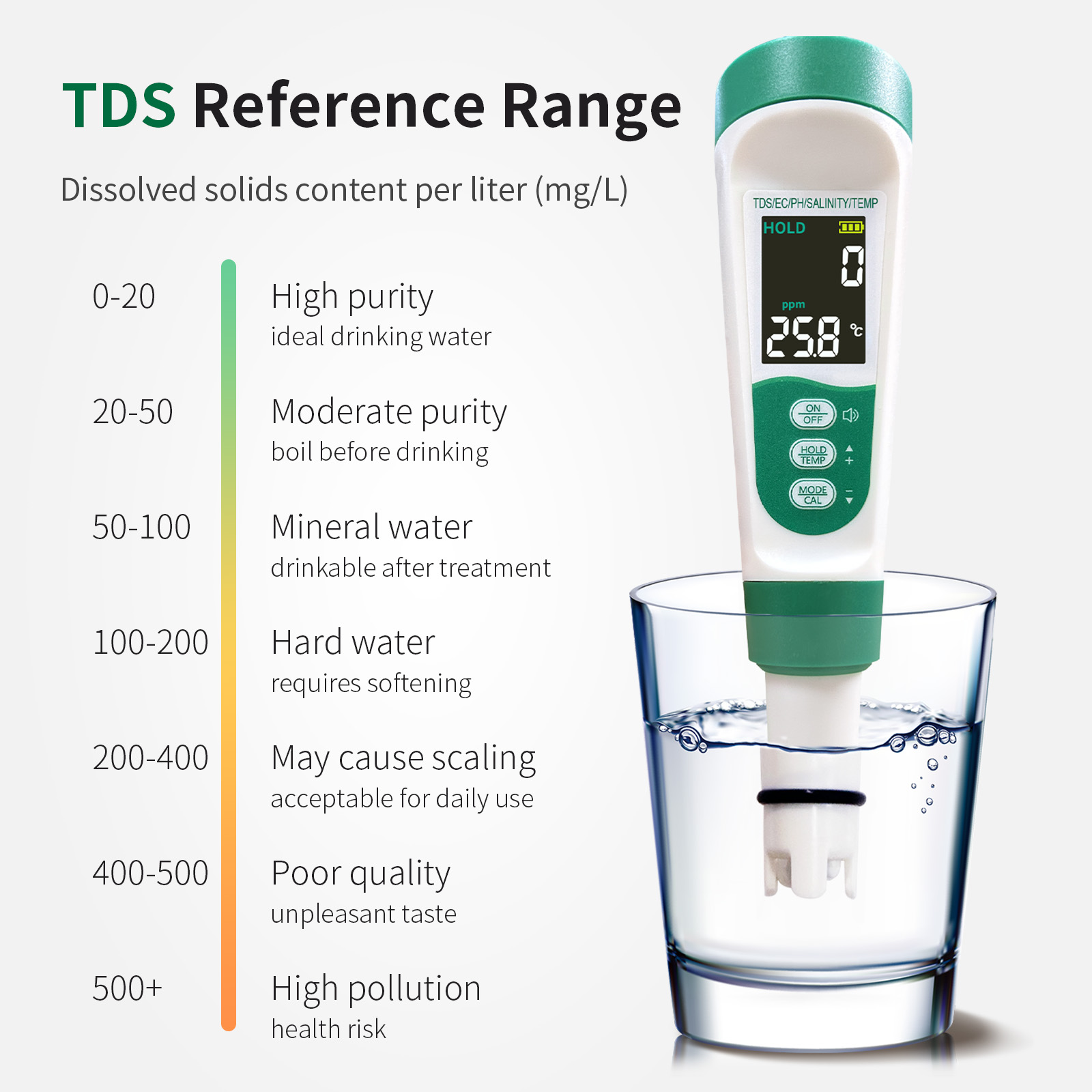
The relationship between seasonal cycles and tds concentrations reveals why municipal water systems must constantly monitor and adjust their treatment processes. Spring snowmelt, summer evaporation, autumn leaf decomposition, and winter precipitation patterns all create unique conditions that alter tds levels. These seasonal shifts are not random fluctuations but predictable patterns driven by hydrology, temperature, and precipitation cycles. Understanding these patterns enables water utilities to anticipate tds changes and maintain consistent water quality year-round.
Seasonal Patterns and Their Impact on TDS Concentration
Spring Snowmelt and Dilution Effects
When spring arrives, melting snow and increased precipitation dramatically increase water flow through municipal water sources. This surge of relatively pure water dilutes the existing tds concentrations, causing overall tds levels to drop significantly during spring months. The massive volume of water from snowmelt overwhelms the dissolved minerals that were concentrated during winter, resulting in lower tds readings. However, this dilution effect varies depending on the geographical location and the specific water source characteristics of each municipality.
The tds reduction during spring can be substantial, sometimes dropping by 20 to 40 percent compared to winter levels. This seasonal decline in tds is generally viewed positively by water quality managers, as lower tds often correlates with softer water and fewer mineral-related operational challenges. However, utilities must still maintain monitoring programs to track tds throughout the spring period, as the rate of change can affect water treatment effectiveness and customer perception of water quality.
Summer Evaporation and Concentration Mechanisms
Summer brings heat and reduced precipitation, creating conditions that concentrate tds in municipal water sources. As water evaporates from reservoirs, lakes, and surface water bodies, the minerals and dissolved solids remain behind, increasing tds concentrations. This natural evaporative process mirrors what happens in a kettle when water boils away but minerals stay in the vessel. Summer tds levels can rise substantially, sometimes increasing by 30 to 50 percent above spring baseline measurements, making this season critical for tds monitoring programs.
The summer concentration of tds creates operational challenges for municipal water systems. Higher tds levels can increase the tendency for scale formation in pipes, reduce the effectiveness of certain treatment chemicals, and alter the taste and appearance of delivered water. Water utilities must increase their monitoring frequency during summer months and may need to adjust treatment processes to manage elevated tds concentrations. Understanding the predictable summer increase in tds allows utilities to plan their operational schedules and chemical dosing more effectively.
Environmental and Hydrological Drivers of Seasonal TDS Variation
Precipitation Patterns and Mineral Dissolution
Precipitation is the primary driver of tds fluctuations across all seasons. When rainfall and snowfall are abundant, tds concentrations typically decrease due to dilution effects. Conversely, drought conditions cause tds to rise as limited water flow concentrates dissolved minerals. The seasonal distribution of precipitation varies significantly by region, creating different tds patterns in different municipalities. In areas with winter precipitation dominance, tds tends to be higher during dry summers and lower during wet winters, while the opposite pattern may occur in regions with summer rainfall peaks.
The chemistry of precipitation also affects tds concentration. Rainwater is naturally slightly acidic due to dissolved carbon dioxide, which enhances mineral dissolution as it infiltrates soil and rock formations. This means that seasonal variations in precipitation type, intensity, and frequency directly control how much tds enters municipal water sources. Tracking precipitation patterns allows water utilities to predict tds changes and prepare treatment strategies in advance.
Temperature Effects on Solubility and Decay Processes
Temperature changes throughout the year influence tds through multiple mechanisms. Warmer water dissolves minerals more readily than cold water, meaning summer temperatures can naturally increase tds as existing minerals dissolve more completely. Additionally, elevated temperatures accelerate biological processes in water sources, including the decomposition of organic matter. This decomposition produces dissolved organic compounds and increases overall tds concentration during warm months.
Autumn and winter temperature drops reverse these processes. Cold water dissolves minerals more slowly, and reduced biological activity decreases the production of dissolved organic matter. These temperature-driven changes combine with precipitation patterns to create the seasonal tds cycles observed in municipal water sources. Understanding the interplay between temperature and tds helps water quality professionals anticipate seasonal challenges and adjust treatment protocols accordingly. Seasonal temperature variations can shift tds levels by 15 to 35 percent depending on local climate conditions.
Municipal Water System Implications and Management Strategies
Treatment Process Adjustments for Seasonal TDS Variation
Water utilities must modify their treatment approaches as tds levels change seasonally. When tds increases during summer months, facilities may need to increase coagulant and flocculant dosages to maintain water clarity and safety. Reverse osmosis and other membrane-based treatment systems require different operating parameters depending on tds concentrations, making seasonal adjustments essential for optimal performance. tds monitoring equipment must be calibrated and used regularly to guide these operational decisions.
Municipal water managers develop seasonal operation schedules that account for predictable tds variations. These schedules specify when treatment processes should be intensified, when maintenance windows should occur, and when additional monitoring should be implemented. Some municipalities employ seasonal storage strategies, storing water during low tds periods for blending with higher tds water during peak seasons. These proactive management approaches help maintain consistent water quality despite seasonal tds fluctuations and ensure reliable service to customers.
Consumer Communication and Water Quality Awareness
Public awareness of seasonal tds variation improves community understanding of water quality dynamics. When municipalities communicate that tds levels rise naturally during summer or fall during spring snowmelt, customers better understand the reasons behind occasional water quality variations. This transparency builds trust and reduces unnecessary concerns about water safety during seasonal tds fluctuations. Educational campaigns explaining seasonal tds patterns help customers recognize normal variation from actual quality problems requiring intervention.
Providing seasonal tds data to consumers also empowers individuals to make informed decisions about water treatment at home. Some customers may choose to install filtration systems or point-of-use tds monitoring devices to track how seasonal variations affect their household water. This individual awareness complements municipal management efforts and creates a culture of water quality consciousness within communities. Regular reporting of tds levels throughout the year demonstrates municipal commitment to transparency and customer service.
FAQ
What causes tds to increase during summer months?
Summer tds increases result from multiple factors working together. Evaporation concentrates dissolved minerals in reservoirs and surface water sources. Warmer temperatures increase mineral solubility, dissolving more minerals into the water. Reduced precipitation limits dilution, allowing mineral concentrations to rise. Additionally, higher temperatures accelerate biological processes that produce dissolved organic compounds. These factors combine to create the predictable summer tds elevation observed in most municipal water sources.
How does spring snowmelt affect tds levels in municipal water?
Spring snowmelt dramatically reduces tds through dilution with relatively pure water. Large volumes of snowmelt water enter municipal sources, overwhelming and diluting the minerals concentrated during winter months. This influx of low-tds water causes overall tds concentrations to drop significantly, sometimes by 20 to 40 percent from winter peaks. The dilution effect lasts as long as snowmelt continues, typically several weeks in spring. This predictable seasonal decline allows water utilities to anticipate lower tds periods and adjust their treatment processes accordingly.
How can consumers monitor seasonal tds changes in their water?
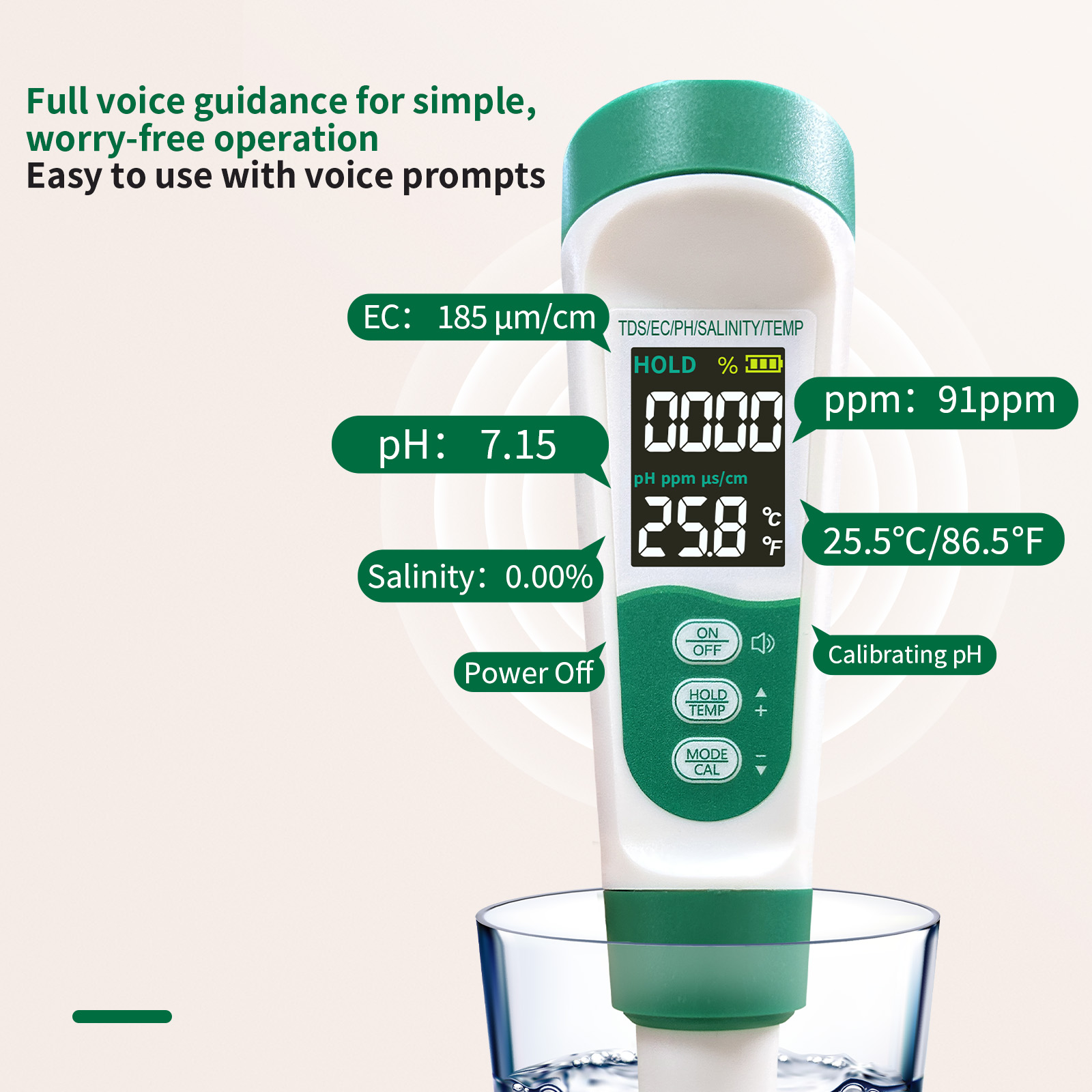
Consumers can track seasonal tds variations using simple point-of-use tds meters available at reasonable cost. These portable devices provide immediate tds readings and allow homeowners to compare measurements across different seasons. Many municipalities also publish regular tds reports that consumers can access online or request directly. By comparing municipal reports with home measurements, consumers gain insight into how seasonal patterns affect their local water. This monitoring helps individuals understand normal tds fluctuations and identify when actual problems requiring attention occur.