EN
EN


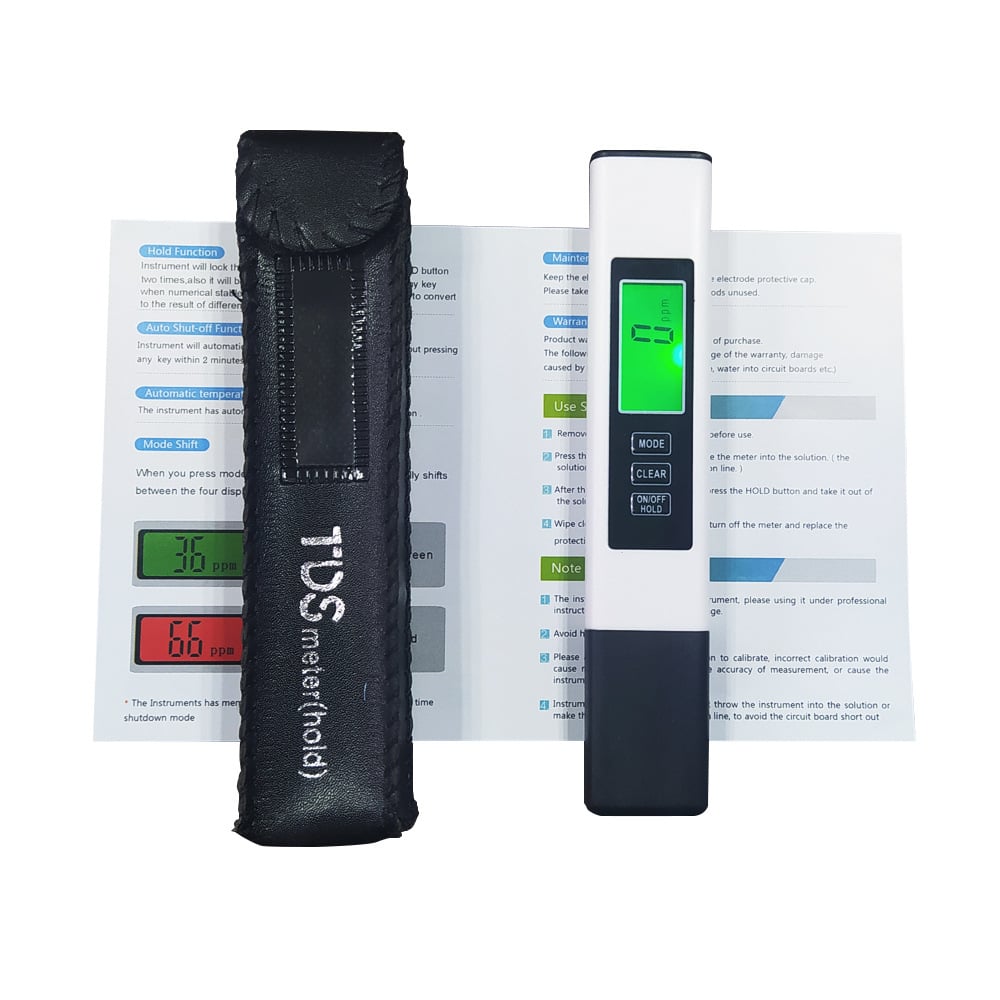
Water quality professionals and facility managers frequently encounter two critical parameters when evaluating water safety: TDS levels and corrosivity potential. Understanding the relationship between TDS and water corrosivity is essential for protecting pipes, equipment, and infrastructure from premature deterioration. TDS, which stands for total dissolved solids, represents all inorganic and organic substances suspended in water, and it plays a significant role in determining how aggressive water becomes toward metals and materials. Many assume that high TDS automatically means corrosive water, but the actual relationship is more nuanced and requires careful analysis.
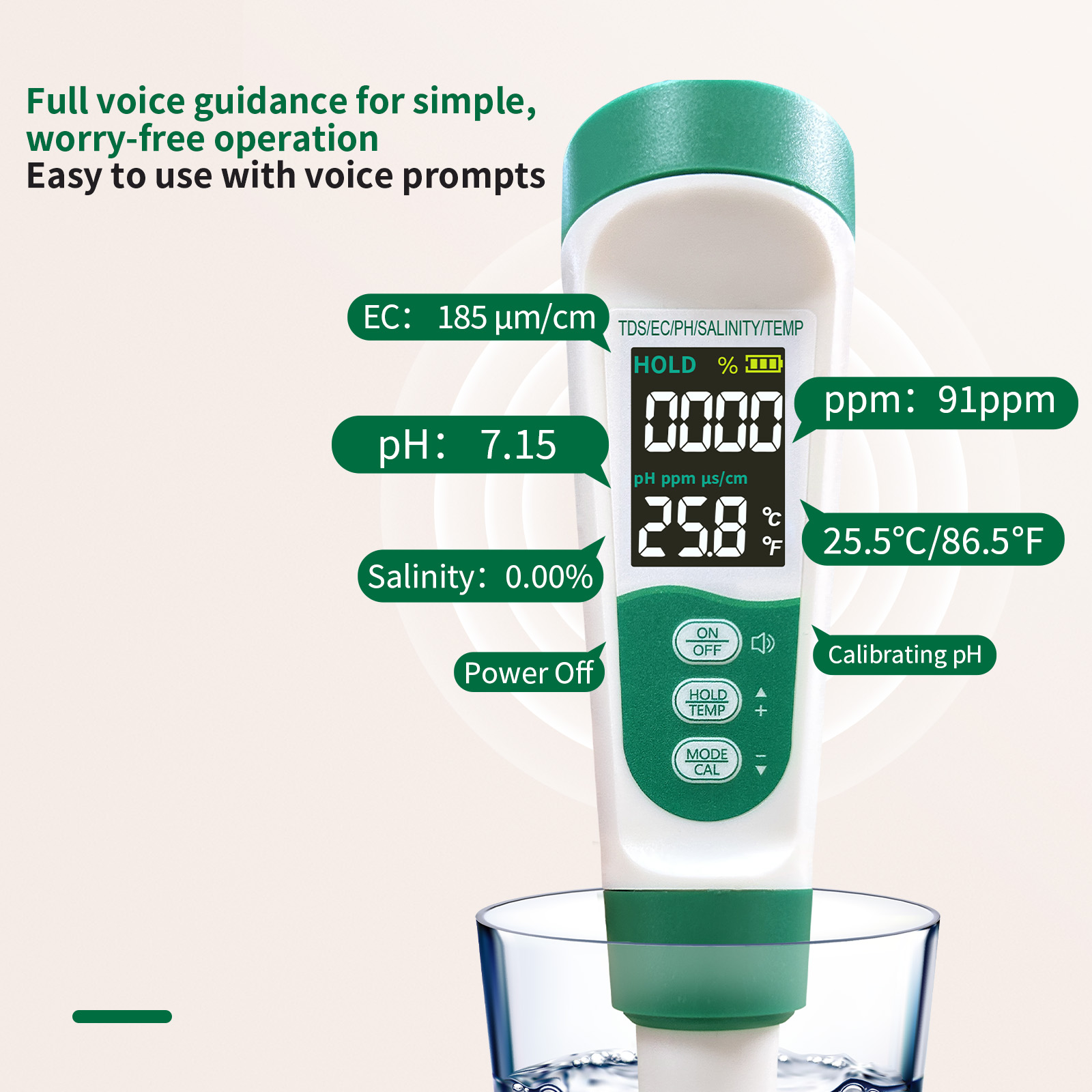
The connection between TDS and water corrosivity depends on the chemical composition of those dissolved solids, not merely their total concentration. Water with identical TDS values can behave completely differently in terms of corrosion potential depending on what substances comprise that TDS. Calcium, magnesium, chlorides, sulfates, and other ions each influence corrosivity in distinct ways. Professional water testing reveals that TDS alone is an incomplete picture; corrosivity assessment requires understanding alkalinity, pH, hardness, and specific ion concentrations alongside TDS measurements. This article explores how TDS interacts with water corrosivity, why both parameters matter for facility maintenance, and how to interpret these readings for practical water management decisions.
Understanding TDS and Its Chemical Composition
What TDS Represents in Water Systems
Total dissolved solids, or TDS, refers to the cumulative concentration of all inorganic and organic substances dissolved in water, measured in parts per million or milligrams per liter. TDS includes minerals like calcium and magnesium, salts such as sodium chloride, and various other ionic compounds. Every water source contains some TDS because water is an excellent solvent that naturally dissolves minerals from soil, rock, and other environmental sources. Measuring TDS provides a general indicator of water mineralization and overall dissolved content, but this single metric cannot distinguish between beneficial minerals and problematic contaminants. High TDS might indicate mineral-rich water that builds scale deposits, or it might reflect the presence of corrosive chlorides and sulfates—two very different situations requiring different responses. Industrial facilities, municipal water systems, and residential users all benefit from understanding what specific substances make up their water's TDS value.
How TDS Relates to Water Composition Variety
The same TDS concentration can result from numerous different mineral and salt combinations, making TDS a broad-brush measurement rather than a precise diagnostic tool. Two water samples with identical TDS readings of 500 mg/L might contain completely different ion profiles. One might be rich in calcium bicarbonate, creating scale-forming but less corrosive water, while the other might contain significant chlorides and sulfates, presenting higher corrosion risks despite the same TDS number. This compositional variability explains why water treatment professionals insist on detailed water analysis beyond simple TDS testing. TDS measurement serves as a useful screening tool that prompts further investigation, but relying solely on TDS to assess corrosivity leads to incomplete conclusions. Understanding local water sources, seasonal variations, and specific TDS composition becomes critical for accurate corrosivity predictions and appropriate treatment strategies.
The Mechanism of Water Corrosivity and TDS Interaction
How Specific Dissolved Solids Promote or Inhibit Corrosion
Water corrosivity depends primarily on which dissolved solids are present, not simply how many total dissolved solids exist in the water. Alkalinity and pH primarily control corrosion potential, with calcium and magnesium ions typically forming protective scale layers on metal surfaces. Conversely, chlorides and sulfates act as aggressive corrosion promoters that penetrate protective films and attack underlying metals directly. When TDS derives primarily from calcium bicarbonate and magnesium carbonate—common in hard water regions—higher TDS often correlates with lower corrosivity because these minerals form passivating deposits. However, when TDS includes significant chloride and sulfate concentrations from industrial contamination, seawater intrusion, or road salt applications, high TDS becomes a corrosivity red flag. The Langelier Saturation Index and Ryznar Stability Index are technical tools that water professionals use to predict corrosivity by weighing pH, alkalinity, and hardness alongside TDS composition, demonstrating that corrosivity assessment requires looking beyond raw TDS numbers.
pH, Alkalinity, and Their Complex Interaction with TDS
Acidic water with low pH and alkalinity poses significant corrosion risks regardless of TDS content, because acidic conditions actively dissolve protective metal oxide layers and expose bare metal to further attack. Adding TDS in the form of minerals like calcium carbonate can increase pH and alkalinity, reducing corrosivity even as total dissolved solids rise. Conversely, acidic water containing high TDS from corrosive salts creates a double threat to metal infrastructure. Alkaline water with substantial TDS from scaling minerals offers better protection but may cause scale buildup and maintenance challenges. This complex interplay explains why water treatment involves balancing multiple parameters rather than simply minimizing TDS. Industrial cooling systems, boiler operations, and municipal distribution networks all require sophisticated understanding of how TDS composition affects corrosivity, because adding TDS indiscriminately or removing it completely without considering alkalinity and pH adjustments can worsen overall water quality and accelerate corrosion damage.
Practical Implications for Water System Management
Monitoring TDS as Part of Comprehensive Water Testing
Effective water quality management requires continuous monitoring of TDS alongside corrosivity indicators like pH, alkalinity, hardness, and specific ion concentrations. TDS measurement provides valuable context about overall mineralization trends and helps detect contamination events or treatment system changes, but TDS alone cannot predict corrosion behavior. Professional water testing programs establish baseline TDS values, seasonal variation patterns, and alarm thresholds that trigger deeper investigation when TDS levels shift unexpectedly. Residential users often rely on simple TDS meters to assess water quality, but interpreting those TDS readings demands awareness that high TDS does not automatically mean corrosive water, nor does low TDS guarantee protection from corrosion. Industrial facilities invest in automated TDS sensors integrated into comprehensive water quality monitoring systems that simultaneously track multiple parameters, enabling real-time detection of conditions that promote corrosion or scale formation. Understanding the relationship between TDS and water corrosivity helps facility managers respond appropriately to test results and avoid both over-treatment that wastes resources and under-treatment that allows infrastructure damage.
Treatment Strategies Based on TDS and Corrosivity Assessment
Once water testing reveals both TDS levels and corrosivity characteristics, treatment strategies can be customized to address specific problems rather than applying generic solutions. Water with high TDS from scale-forming minerals might require softening to reduce calcium and magnesium while maintaining alkalinity that protects against corrosion. Water with moderate TDS but high corrosivity might need pH adjustment, alkalinity increase, or chemical inhibitor addition rather than wholesale demineralization that removes beneficial minerals along with problematic ones. Reverse osmosis and distillation systems reduce TDS dramatically but also remove alkalinity and minerals that provide corrosion protection, making such systems suitable for specific applications like electronics manufacturing but potentially harmful for boiler feed water or cooling tower makeup. Blending high-TDS water with treated water, adjusting pH through mineral addition, and using corrosion inhibitors represent alternative approaches that maintain TDS at acceptable levels while controlling corrosivity. The relationship between TDS and water corrosivity thus informs whether treatment should focus on TDS reduction, composition modification, pH adjustment, or protective chemical addition depending on local water characteristics and system requirements.
FAQ
Does high TDS always mean water is corrosive?
No, high TDS does not automatically indicate corrosive water. The corrosivity of TDS depends entirely on which dissolved solids comprise that TDS value. Water high in calcium and magnesium minerals may have substantial TDS but form protective scale deposits that inhibit corrosion. Water with lower TDS composed primarily of chlorides and sulfates can prove far more corrosive. This distinction explains why TDS must be evaluated alongside specific ion analysis, pH, and alkalinity when assessing corrosion risk in pipes and equipment.
What TDS level is considered safe for drinking and industrial use?
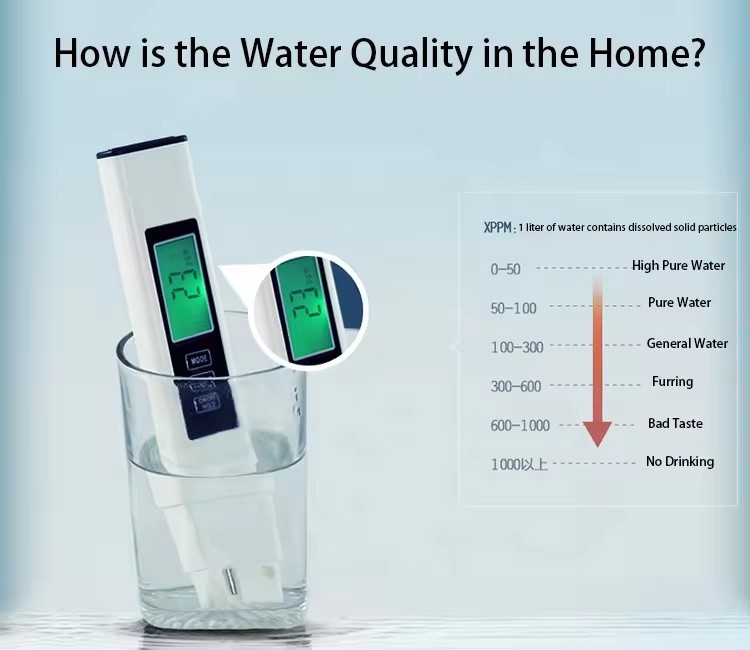
Safe TDS levels vary by application and local regulations. Drinking water guidelines typically recommend TDS below 500 mg/L for taste and odor, though some standards permit up to 1500 mg/L. Industrial applications have different TDS requirements depending on the process; boiler systems often require TDS below 50 mg/L, while cooling towers might tolerate higher TDS if corrosivity is controlled. Rather than applying a universal TDS limit, water professionals evaluate TDS alongside corrosivity indicators to determine appropriate treatment and management strategies for specific systems.
How can I test whether my water has problematic TDS and corrosivity?
Professional laboratory water analysis provides comprehensive testing that measures TDS, pH, alkalinity, hardness, specific ions like chlorides and sulfates, and calculates corrosivity indices. Alternatively, portable TDS meters offer quick on-site TDS measurement, though they cannot assess corrosivity directly. For complete understanding, combine TDS meter readings with professional testing to understand the specific composition of your TDS and its corrosivity implications, enabling informed decisions about water treatment and system protection.