EN
EN


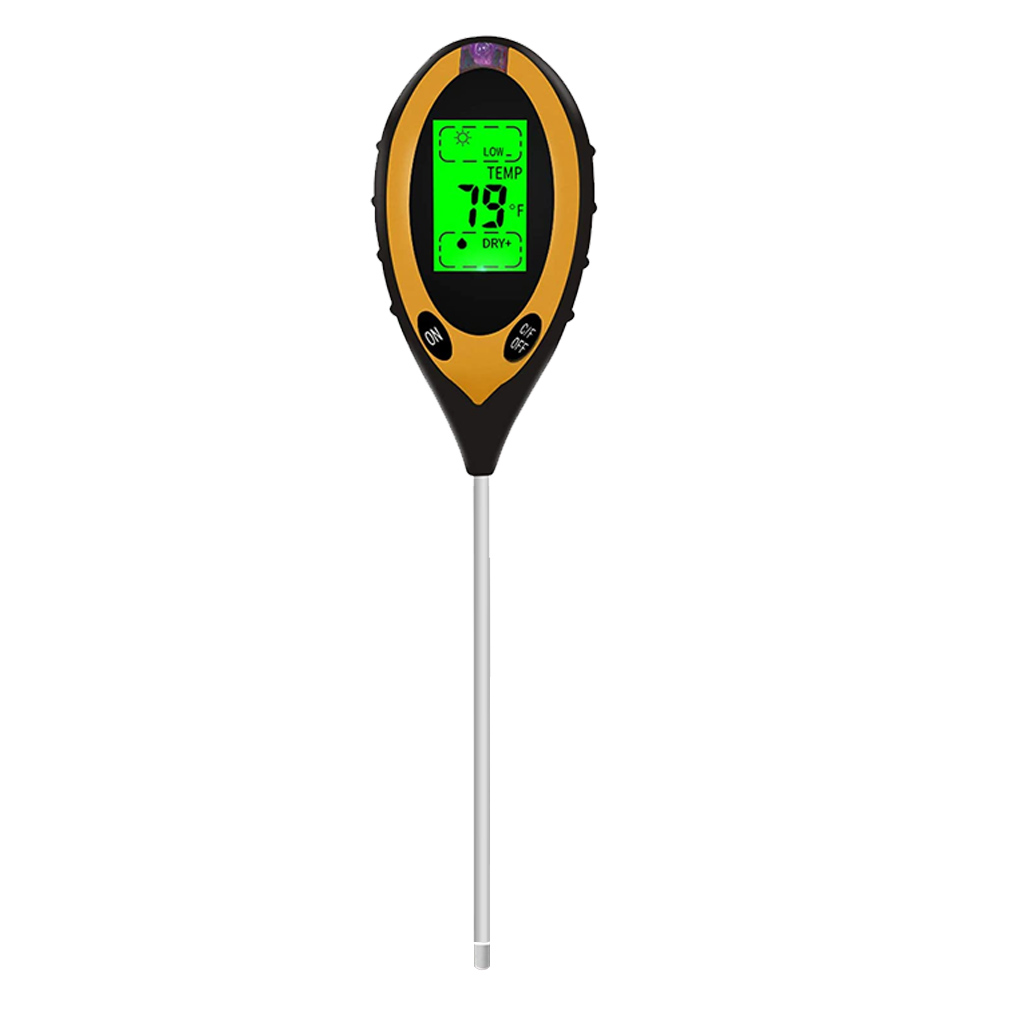
Choosing the right soil sensor technology is critical for accurate moisture measurement and informed agricultural decisions. A soil sensor measures water content in soil, but the underlying technology determines how reliably it performs in various conditions and over extended periods. Understanding the fundamental differences between capacitive soil sensor designs and resistive soil sensor approaches helps professionals and farmers select equipment that meets their specific measurement needs and environmental demands.
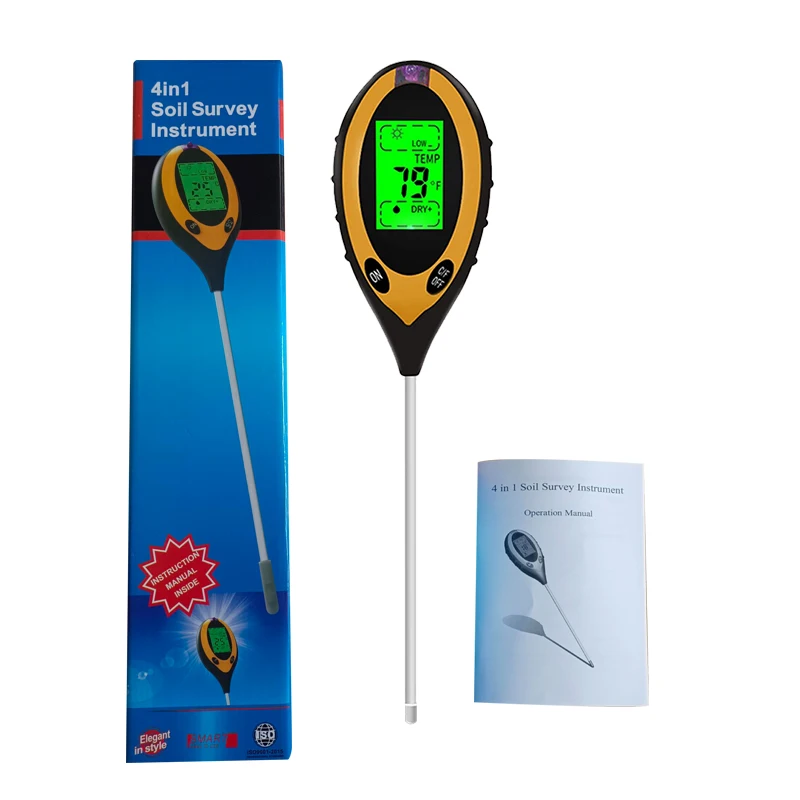
Both capacitive soil sensor and resistive soil sensor technologies serve the same purpose—quantifying soil moisture content—yet they achieve this goal through distinctly different physical mechanisms. The choice between these soil sensor types affects measurement accuracy, sensor lifespan, maintenance requirements, and total cost of ownership. This guide explains how each soil sensor technology functions, highlights their key differences, and provides practical guidance for selecting the most appropriate soil sensor for your application.
How Capacitive and Resistive Soil Sensor Technologies Function
Capacitive Soil Sensor Operating Principle
A capacitive soil sensor operates by measuring the dielectric constant of soil, which changes with moisture content. When water fills soil pores, the dielectric constant increases because water has a much higher dielectric constant than air or dry soil minerals. The soil sensor generates a high-frequency electrical field and detects how the soil's dielectric properties affect this field. This capacitive soil sensor design outputs a signal proportional to moisture content without direct electrical contact with the soil matrix, making it inherently more resistant to mineral accumulation and salt deposits that degrade measurement accuracy over time.
Resistive Soil Sensor Operating Principle
A resistive soil sensor functions by measuring electrical conductivity between two metal probes inserted into soil. When soil moisture increases, conductivity between the probes increases, causing measurable resistance to decrease. This resistive soil sensor approach relies on direct ionic conduction through the soil solution. As water fills soil pores and connects mineral ions, the soil sensor pathway for current flow improves, and the resistive soil sensor registers lower resistance values. However, this direct contact mechanism makes the soil sensor vulnerable to corrosion, mineral coating, and false readings from high salt concentrations in the soil solution.
Key Performance Differences Between Capacitive and Resistive Soil Sensor Technology
Measurement Accuracy and Environmental Factors
Capacitive soil sensor technology delivers more stable and accurate readings across varying soil compositions because the dielectric constant response is fundamentally related to water content rather than soil chemistry. A capacitive soil sensor maintains consistent calibration across different soil types—sandy, loamy, or clay-rich soils all produce reliable measurements. In contrast, a resistive soil sensor exhibits significant accuracy variance depending on soil salinity, mineral content, and temperature fluctuations. The resistive soil sensor reading shifts unpredictably when soil conductivity changes due to dissolved salts rather than moisture alone, requiring frequent recalibration and making the soil sensor less suitable for long-term unattended monitoring in variable soil conditions.
Durability and Maintenance Requirements
The design of a capacitive soil sensor eliminates the direct-contact corrosion problems that plague resistive soil sensor implementations. Because the capacitive soil sensor measures dielectric properties without forcing current through soil minerals, probe degradation occurs slowly over years rather than months. Conversely, a resistive soil sensor experiences accelerated probe oxidation, pitting, and mineral buildup at the electrode surface. The resistive soil sensor typically requires cleaning or replacement every one to two years in field conditions, while a robust capacitive soil sensor can operate effectively for five to ten years with minimal maintenance. This durability advantage makes the soil sensor investment in capacitive technology more cost-effective over extended deployment periods.
Salt and Mineral Sensitivity
High soil salinity presents a critical challenge for resistive soil sensor deployments. A resistive soil sensor interprets increased conductivity from dissolved salts as moisture presence, generating false high readings even when soil moisture is actually low. This soil sensor error can trigger unnecessary irrigation or cause growers to miss drought stress signals. The capacitive soil sensor remains unaffected by soil salinity because it measures only the dielectric constant, not conductivity. Agricultural operations in arid regions or coastal areas with elevated soil salinity will find the soil sensor accuracy advantage of capacitive technology essential for preventing costly irrigation mistakes and maintaining crop health.
Cost, Installation, and Practical Deployment Considerations
Initial Equipment and Installation Costs
A resistive soil sensor typically carries lower upfront purchase cost than comparable capacitive soil sensor models because resistive soil sensor manufacturing involves simpler electronics and less specialized probe engineering. For small-scale projects or temporary soil sensor deployments, the budget advantage of resistive soil sensor options remains attractive. However, total cost of replacement, recalibration, and maintenance quickly erases this initial savings. The soil sensor economics favor capacitive technology when operations require accurate readings over multiple years because the reduced replacement frequency and minimal calibration drift deliver substantially lower lifetime costs than repeated resistive soil sensor purchases and adjustments.
Integration with Monitoring Systems
Both capacitive soil sensor and resistive soil sensor technologies integrate with standard data logging systems, wireless networks, and agricultural management platforms. The capacitive soil sensor output typically exhibits lower noise and more stable signal characteristics, reducing post-processing complexity and improving real-time decision-making in automated irrigation controllers. A resistive soil sensor requires more aggressive filtering and frequent baseline adjustments, increasing software complexity and reducing responsiveness to genuine moisture changes. When selecting a soil sensor for integration with precision agriculture systems or automated soil sensor monitoring networks, capacitive soil sensor advantages in signal stability and minimal recalibration make implementation and ongoing operation substantially simpler.
Application-Specific Soil Sensor Selection Guidance
Optimal Use Cases for Each Soil Sensor Type
Select a capacitive soil sensor for permanent field installations, high-accuracy precision agriculture applications, high-salinity soils, and situations requiring extended unattended operation. The soil sensor reliability and minimal maintenance of capacitive technology justifies premium pricing for vineyard monitoring, research plots, and large-scale commercial farms implementing sensor networks. Choose a resistive soil sensor for short-term trials, temporary research projects, budget-constrained educational applications, or quick soil sensor assessments where lower initial cost outweighs durability limitations. The resistive soil sensor remains acceptable for coarse moisture categories—distinguishing between wet, moist, and dry soil—in relatively uniform soil environments without extreme salinity challenges.
Hybrid and Future Soil Sensor Approaches
Advanced soil sensor manufacturers increasingly combine capacitive and resistive soil sensor elements or employ multi-parameter designs that measure dielectric constant, temperature, and electrical conductivity simultaneously. These integrated soil sensor platforms leverage capacitive soil sensor precision for primary moisture measurement while using resistive soil sensor data to detect salinity anomalies and trigger alerts for recalibration needs. Emerging soil sensor technologies incorporating neural network analysis and machine learning promise to extract even greater accuracy and environmental context from sensor data streams. The trajectory of soil sensor innovation continues advancing toward the reliability and environmental insensitivity offered by capacitive technology, suggesting that modern soil sensor deployments should prioritize capacitive approaches for future-proof installations.
FAQ
Which soil sensor type provides better accuracy in clay soils?
Capacitive soil sensor technology delivers superior accuracy in clay-rich soils because the dielectric constant measurement remains stable across soil texture variations. A resistive soil sensor can provide misleading readings in clay because the mineral composition and electrical conductivity in clay differ substantially from sandy soils, requiring separate calibration for each soil type. The soil sensor advantage of capacitive technology means users can deploy a single calibration curve across multiple fields without recalibration, whereas a resistive soil sensor demands field-specific adjustments to maintain acceptable accuracy.
How frequently must a resistive soil sensor be replaced compared to a capacitive soil sensor?
In typical field conditions, a resistive soil sensor requires replacement or recalibration every twelve to twenty-four months due to probe corrosion and mineral coating. A capacitive soil sensor typically maintains calibration accuracy for five to ten years before replacement becomes necessary. This soil sensor longevity difference means that a capacitive soil sensor installation cost is amortized across a significantly longer timeframe, making the soil sensor total cost of ownership substantially lower despite higher initial purchase price for capacitive technology.
Can a capacitive soil sensor measure salinity directly?
A capacitive soil sensor measures only dielectric constant and therefore cannot directly quantify soil salinity, though this limitation actually represents an advantage for soil moisture monitoring. Because the soil sensor response remains independent of salt content, capacitive technology delivers accurate moisture readings even in high-salinity soils where resistive soil sensor measurements become unreliable. Some advanced soil sensor systems combine capacitive measurement with separate conductivity sensors to simultaneously track moisture and salinity, providing comprehensive soil sensor data for irrigation management and crop health assessment.