EN
EN


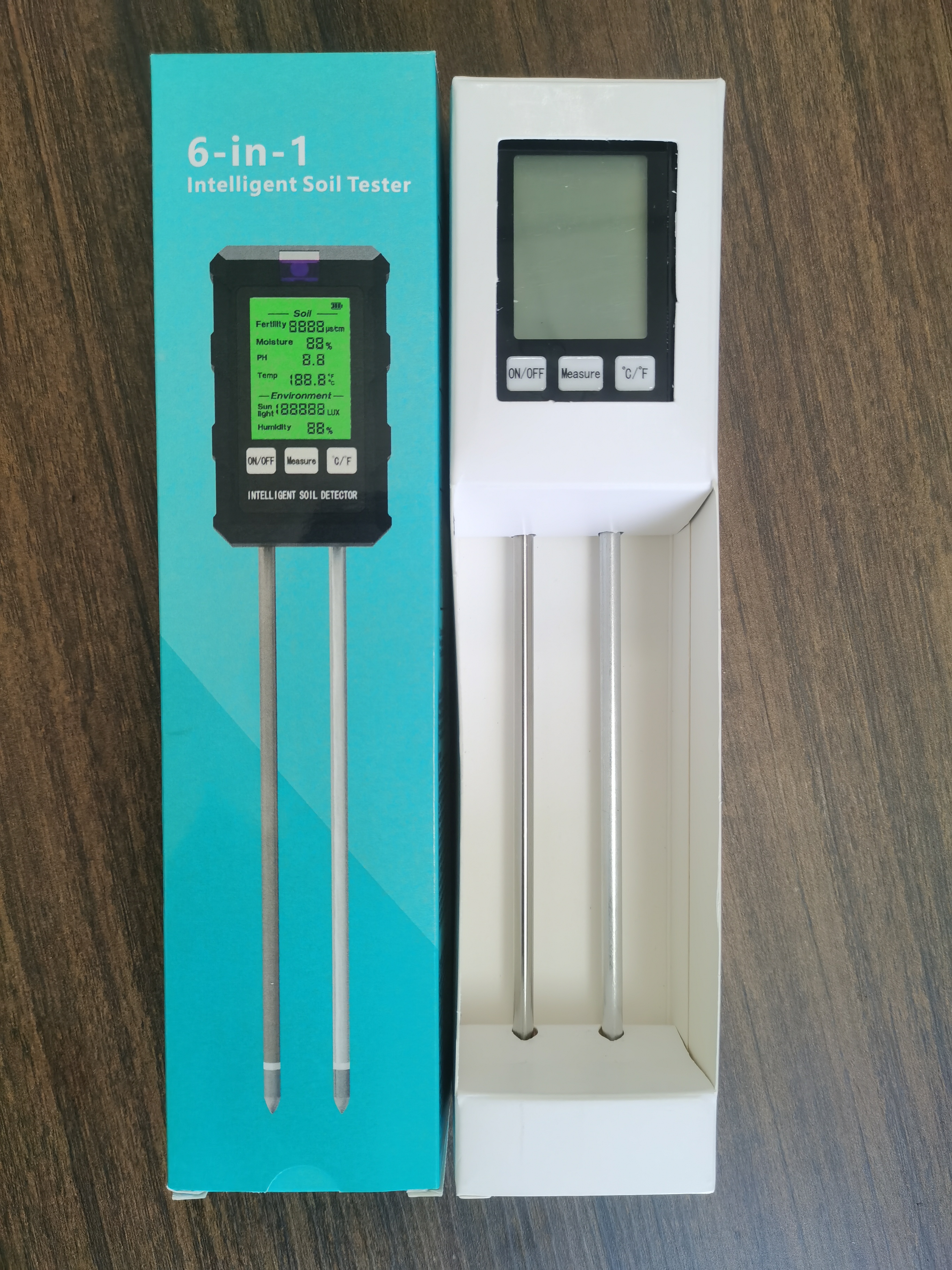
Modern agriculture and environmental management depend on accurate, continuous data collection from the ground beneath our feet. A soil sensor serves as the foundation of precision agriculture, delivering critical information that shapes irrigation decisions, fertilization schedules, and crop health strategies. Multi-parameter soil sensor technology has transformed how farmers, landscape managers, and environmental professionals understand soil conditions in real time. Unlike traditional soil testing methods that require lab analysis and take weeks to deliver results, a soil sensor provides instant feedback on multiple soil characteristics simultaneously, enabling faster decisions and better resource allocation.
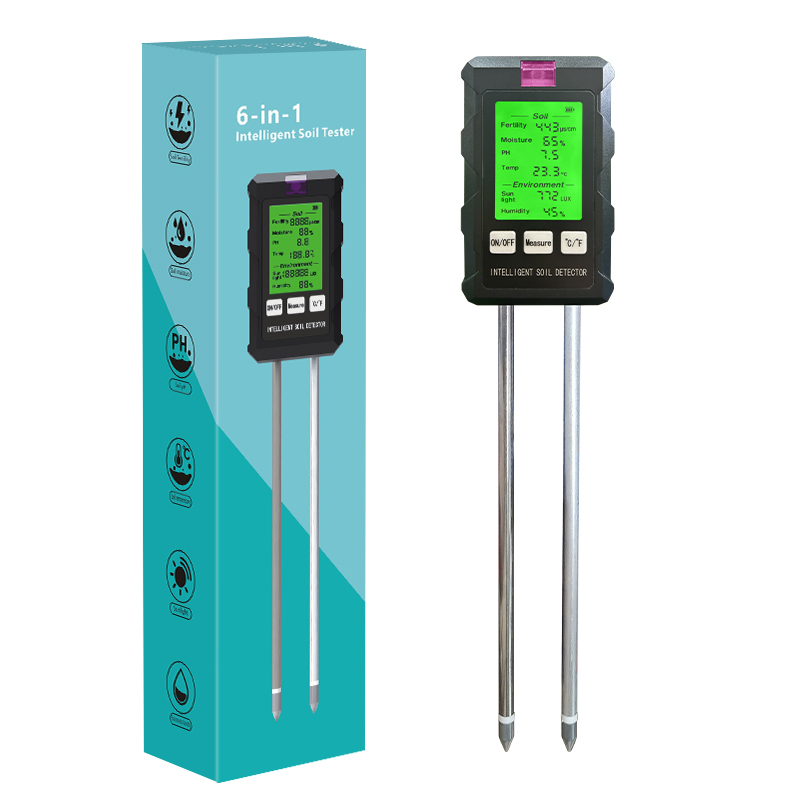
The power of a soil sensor lies in its ability to measure multiple environmental parameters at once, eliminating the need for separate instruments and reducing operational complexity. When you deploy a soil sensor in the field, you gain comprehensive insights into soil chemistry, moisture dynamics, temperature fluctuations, and light exposure that directly influence plant growth and soil microbial activity. This integrated approach allows managers to monitor soil conditions across large areas efficiently, identify spatial variations within fields, and respond to changing conditions before they negatively impact yields or plant health.
Core Parameters That a Soil Sensor Measures
Soil pH and Nutrient Status
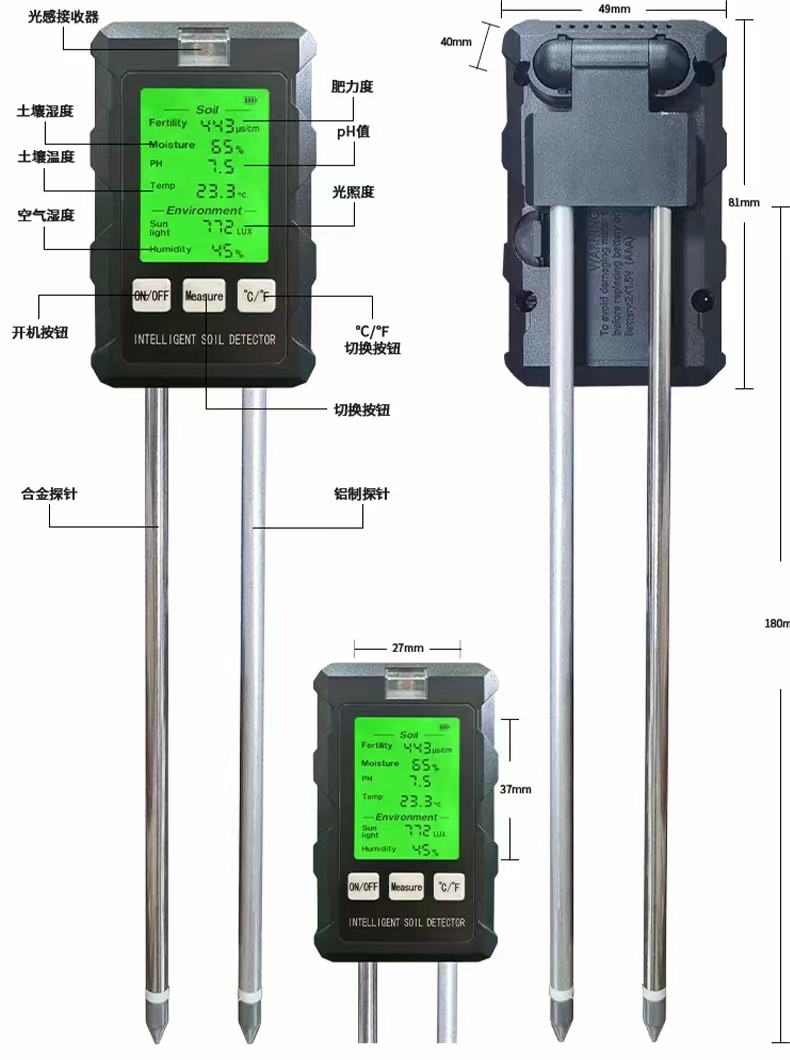
Soil pH represents one of the most critical parameters a soil sensor captures in real time. The acidity or alkalinity of soil directly affects nutrient availability, microbial activity, and plant root function. A soil sensor equipped with pH measurement capabilities allows you to monitor pH drift throughout the growing season without waiting for laboratory results. Many soil sensor models also measure electrical conductivity (EC), which correlates with total dissolved salts and dissolved nutrient concentration. By tracking EC levels continuously, you can identify leaching problems, salt accumulation, or nutrient depletion as they occur, enabling immediate corrective action before crop damage develops.
Moisture Content and Water Availability
Volumetric water content stands as perhaps the most economically significant parameter that a soil sensor delivers. Real-time moisture readings enable irrigation managers to apply water precisely when needed, avoiding both drought stress and costly overwatering. A soil sensor detects moisture levels at the root zone, providing direct insight into plant-available water rather than relying on weather forecasts or surface conditions. This real-time capability transforms irrigation from a guessing game into a data-driven process, reducing water consumption by 20 to 40 percent while maintaining or improving crop yields. Continuous soil sensor data also identifies drainage problems, compacted layers, and uneven water infiltration patterns that might otherwise go undetected.
Environmental Parameters Beyond Traditional Soil Testing
Temperature Dynamics and Microbial Activity
A soil sensor measures temperature at the root zone, revealing how thermal conditions drive microbial metabolism, nutrient cycling, and root respiration. Soil temperature affects seed germination timing, nutrient uptake rates, and the activity of beneficial soil organisms. Real-time soil sensor temperature data helps you identify frost risk windows, predict when soil conditions support optimal root development, and time fertilizer applications for maximum microbial processing. In greenhouse and nursery operations, continuous soil sensor monitoring prevents temperature extremes that could stress plants or create pest-friendly conditions. Understanding soil thermal patterns through your soil sensor enables more sophisticated crop scheduling and reduces climate-related yield variability.
Light Exposure and Photosynthetically Active Radiation
Many advanced soil sensor configurations include ambient light measurement, which correlates with canopy development, shading effects, and microclimate conditions at the plant level. Light data collected by a soil sensor helps you assess whether plants receive adequate radiation for photosynthesis or whether competition, shading, or structural issues limit light availability. This parameter proves especially valuable in high-density planting systems, vertical farming operations, and dense perennial crops where light penetration becomes critical. By monitoring light alongside other soil sensor parameters, managers gain a complete picture of growing conditions and can adjust spacing, pruning, or structure design to optimize light distribution and crop performance.
Practical Applications and Decision-Making Benefits
Precision Irrigation Management
The moisture data provided by a soil sensor revolutionizes irrigation scheduling in agriculture, horticulture, and landscape management. Rather than applying water on fixed schedules, a soil sensor enables deficit irrigation strategies that maintain soil water potential within optimal ranges for your specific crop. This real-time soil sensor feedback reduces water waste, lowers pumping energy costs, and decreases disease pressure from excessive soil moisture. In arid and semi-arid regions where water scarcity constrains agricultural expansion, a soil sensor delivers measurable economic and environmental value by maximizing water productivity. Integration of soil sensor data with weather forecasts and evapotranspiration models creates fully automated irrigation systems that adjust application timing and duration based on actual root-zone conditions rather than assumptions.
Nutrient Management and Fertilizer Optimization
Nutrient management decisions rely heavily on data that a soil sensor provides regarding pH, electrical conductivity, and soil moisture status. When soil pH drifts outside the optimal range for your target crop, nutrient availability declines sharply even when total nutrient levels remain adequate. A soil sensor alerts you to pH changes before visual deficiency symptoms appear, allowing preventive amendments that restore nutrient solubility. Electrical conductivity measurements from your soil sensor help quantify total salinity and indicate whether excessive fertilization or salt accumulation is occurring. This real-time soil sensor intelligence prevents costly over-application of fertilizers, reduces environmental leaching of nutrients, and maintains soil chemical balance that supports microbial communities essential for long-term soil health.
Environmental Monitoring and Compliance Reporting
Environmental regulators and sustainability certification programs increasingly require documentation of soil and water management practices. A soil sensor generates the continuous, timestamped data required for compliance reporting and demonstrates your commitment to environmental stewardship. Real-time soil sensor records show that irrigation decisions followed soil moisture availability rather than arbitrary schedules, supporting claims of water-efficient management. For operations near sensitive water resources or subject to nutrient runoff regulations, soil sensor monitoring provides the evidence base for best practice implementation and regulatory compliance. This documentation capability transforms a soil sensor from a production tool into a risk management asset that protects your operation's license to operate.
FAQ
What is the typical frequency of data collection from a multi-parameter soil sensor?
Most modern soil sensor systems collect data every 15 to 60 minutes and transmit readings to cloud-based dashboards or local receivers at intervals ranging from hourly to daily. This frequent sampling captures diurnal temperature cycles, moisture depletion patterns, and pH fluctuations that would be invisible with daily or weekly testing. The specific collection frequency depends on your crop type, soil conditions, and management objectives, but 30-minute intervals represent a common balance between data completeness and power consumption for wireless soil sensor networks.
How deep should a soil sensor be installed to capture meaningful root-zone data?
A soil sensor should be installed at the depth where most active root development occurs for your target crop, typically 6 to 12 inches for vegetable and grain crops, and 12 to 24 inches for tree and vine crops. Installing your soil sensor at the proper depth ensures measurements reflect conditions that actually influence plant water and nutrient uptake rather than surface variations. Multiple soil sensor installations at different depths within the same field reveal vertical variability in soil conditions and help identify compaction layers or drainage restrictions that constrain root development.
Can a soil sensor data be integrated with automated irrigation or fertigation systems?
Yes, many modern soil sensor systems connect directly to irrigation controllers, valve actuators, and fertigation equipment through standardized communication protocols. This integration enables a soil sensor to trigger irrigation cycles automatically when soil moisture drops below a programmed threshold or to adjust fertilizer concentrations based on real-time nutrient availability data. Automated soil sensor-driven systems reduce labor requirements, respond faster than manual adjustments, and maintain more consistent growing conditions than operator-based management alone.