EN
EN


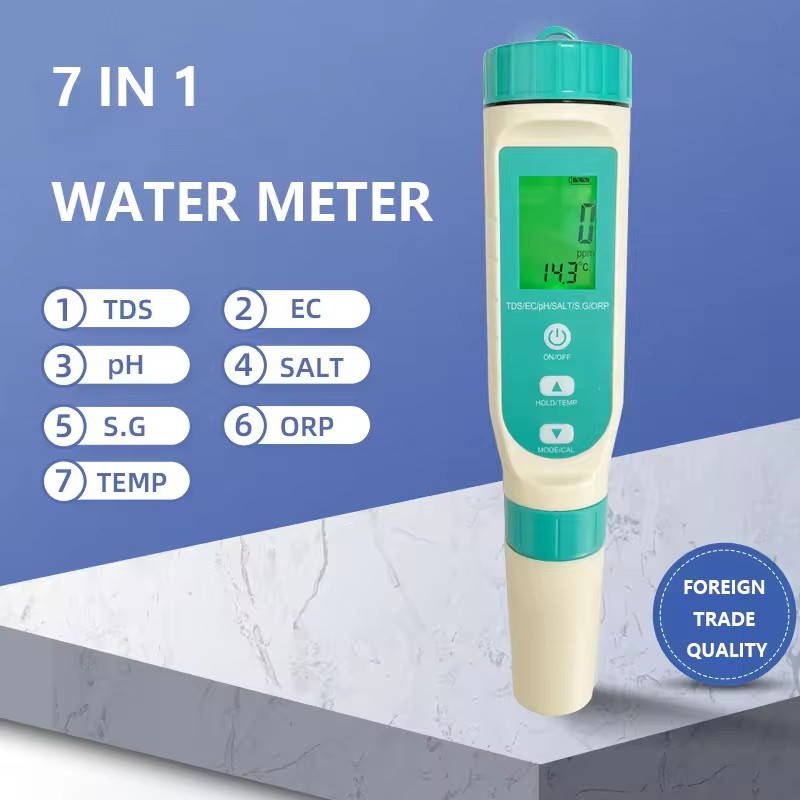
Understanding water quality requires more than just visual inspection or basic chemical testing. An orp meter is a specialized instrument that measures oxidation-reduction potential, a critical indicator of water disinfection effectiveness. This measurement reveals whether your water treatment process is successfully eliminating harmful microorganisms and contaminants. For water facilities, swimming pools, aquaculture systems, and industrial applications, an orp meter provides real-time insight into disinfection performance and helps operators maintain safe, clean water consistently.
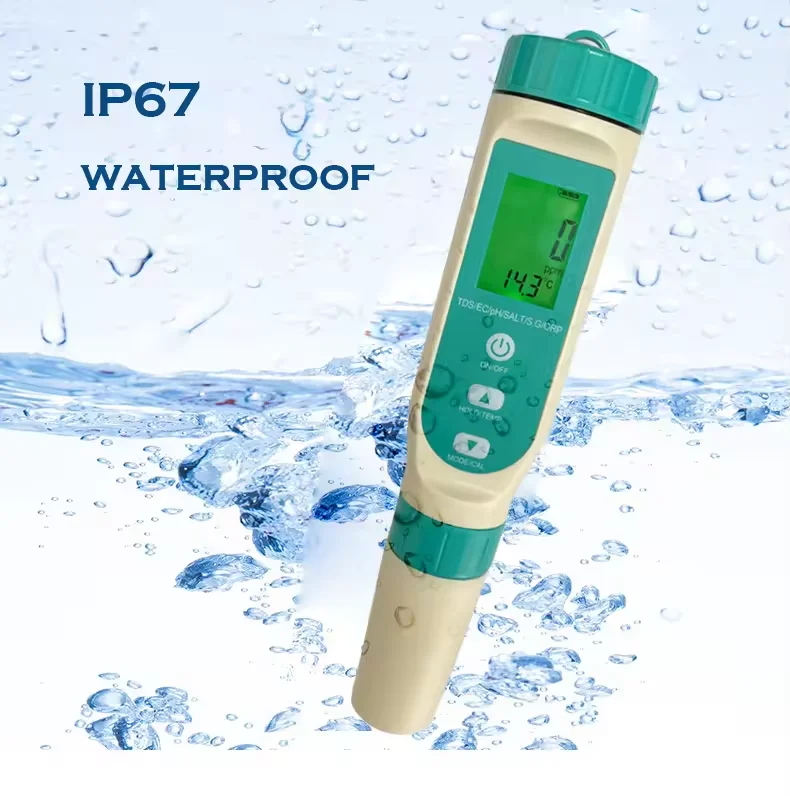
An orp meter works by detecting the electrical potential between water molecules when oxidizing agents are present. Higher orp meter readings indicate stronger disinfection capacity, meaning the water is better protected against pathogens and bacteria. By understanding what your orp meter displays, you gain control over water safety outcomes and can adjust treatment protocols before problems develop. This proactive monitoring approach is essential for regulatory compliance and public health protection across diverse water applications.
How an ORP Meter Measures Disinfection Capacity
The Science Behind ORP Meter Readings
An orp meter measures the electron transfer potential in water, expressed in millivolts (mV). When disinfectants like chlorine, ozone, or other oxidizing agents are added to water, they create an electrical environment that an orp meter can quantify. This reading reflects the oxidation-reduction potential—the water's ability to attract electrons from microorganisms and break down their cell structures. A higher orp meter value signals more aggressive disinfection action taking place in your water system.
The orp meter sensor contains a platinum electrode and a reference electrode that work together to detect this potential difference. Unlike pH meters or conductivity meters that measure different water properties, an orp meter specifically reveals the oxidizing power of your treatment chemistry. This specificity makes an orp meter invaluable for operators who need to know whether their disinfection strategy is actually working in real time, not just after costly laboratory analysis.
Target ORP Meter Ranges for Different Applications
Different water applications require different orp meter targets. Swimming pools typically maintain orp meter readings between 650 and 750 mV to ensure safe recreational use while avoiding excessive chlorine levels. Drinking water systems often aim for orp meter readings of 400 to 600 mV, depending on the disinfectant used and local regulations. An orp meter reading below the recommended range suggests insufficient disinfection, while readings above optimal levels may indicate over-treatment.
Understanding your specific application's orp meter requirements is essential for effective water management. An orp meter reading that falls consistently outside target ranges signals either a process adjustment need or equipment malfunction. By monitoring your orp meter trends daily, you can identify drift patterns before they create water safety risks. Regular orp meter calibration ensures your readings remain accurate and actionable throughout the monitoring period.
Why ORP Meter Monitoring Protects Water Safety
Real-Time Detection of Disinfection Failures
An orp meter provides immediate feedback on disinfection status, whereas traditional lab testing often reveals problems after delays. If your orp meter suddenly drops below target levels, you know disinfection capacity has degraded and can respond within minutes rather than waiting for laboratory results. This rapid response capability makes an orp meter far superior to periodic testing alone for protecting public health. Many regulations now require continuous orp meter monitoring in municipal water systems precisely because of this early warning ability.
When an orp meter shows declining readings, operators can investigate causes immediately—whether chemical feed issues, sensor fouling, or system problems. Without an orp meter, these dangerous situations might persist undetected for hours or days. An orp meter essentially acts as a safety net that catches disinfection breakdowns before contaminated water reaches customers or swimmers.
Optimizing Chemical Dosing With ORP Meter Data
An orp meter helps operators fine-tune disinfectant dosing to maintain ideal conditions without waste. If your orp meter shows readings are creeping above target ranges, you can reduce chemical feed slightly to save costs and avoid taste or odor problems. Conversely, an orp meter reading trending downward tells you to increase dosing before disinfection becomes inadequate. This dynamic adjustment capability transforms an orp meter from a monitoring tool into an active optimization instrument.
Smart systems that respond automatically to orp meter signals represent the frontier of water treatment automation. An orp meter connected to automatic dosing equipment can maintain tight control around target levels, reducing both chemical waste and disinfection variability. This integration of an orp meter with control systems delivers consistent water quality outcomes while lowering operational costs and chemical consumption rates.
Interpreting ORP Meter Results in Practical Scenarios
Recognizing Normal and Abnormal ORP Meter Patterns
Normal orp meter operation shows stable readings within your target range with minimal fluctuation throughout the day. Small variations are expected due to temperature changes or minor demand fluctuations, but an orp meter reading that swings wildly or drifts consistently in one direction indicates a problem. A sudden orp meter drop might signal a chemical feed interruption, while a gradual orp meter increase over weeks might indicate sensor fouling or a calibration drift that requires attention.
Experienced operators learn to recognize their system's baseline orp meter behavior and spot deviations quickly. An orp meter that shows readings 50 to 75 mV lower than yesterday deserves investigation even if still within acceptable ranges. By tracking your orp meter trends over time, you develop intuition about what normal looks like and catch problems earlier. An orp meter trend chart becomes your early warning system for equipment maintenance needs and process adjustments.
Troubleshooting Common ORP Meter Issues
When your orp meter readings seem inconsistent or unreliable, several causes should be investigated systematically. Sensor fouling is common in high-turbidity water or when biofilm accumulates on the orp meter electrode. Regular cleaning of your orp meter sensor following manufacturer instructions often restores accuracy immediately. Temperature changes also affect orp meter readings—a 10-degree temperature shift can change readings by 50 mV or more, so temperature-compensated orp meter models offer better reliability in variable conditions.
Calibration drift causes another frequent orp meter problem, especially in continuous-duty applications where the sensor operates 24/7 without maintenance breaks. Monthly or quarterly orp meter calibration using standard solutions maintains reading accuracy and prevents silent errors that could compromise water safety. If your orp meter readings seem systematically high or low compared to laboratory results, recalibration should be your first troubleshooting step. Keeping detailed records of every orp meter calibration and adjustment helps identify patterns and predict maintenance needs before failures occur.
FAQ
What ORP meter reading indicates safe drinking water?
Safe drinking water typically requires an orp meter reading between 400 and 600 mV, though specific requirements vary by region and disinfectant type. Your local water authority can provide the exact orp meter target range mandated for your system. An orp meter reading consistently below 400 mV suggests inadequate disinfection, while readings above 800 mV may indicate over-treatment. Regular orp meter monitoring ensures your water stays within the safe zone established by health regulations.
How often should I calibrate my ORP meter?
Most operators should calibrate their orp meter monthly or quarterly, depending on usage intensity and environmental conditions. Continuous-duty orp meter installations in harsh conditions may require monthly calibration, while intermittent-use orp meter applications might calibrate every three months. Always consult your orp meter manufacturer's recommendations for your specific model and application. Maintaining a calibration log proves compliance during regulatory audits and helps track whether your orp meter is drifting consistently over time.
Can an ORP meter replace laboratory water testing?
An orp meter provides real-time disinfection capacity information but should complement, not completely replace, laboratory testing. While an orp meter excels at detecting immediate disinfection status, laboratory tests measure specific contaminant levels and verify microbial safety through culturing methods. An orp meter and laboratory testing together create a comprehensive water quality assurance program—orp meter monitoring for operational control and lab testing for regulatory verification. This combined approach gives you both immediate operational insight and defensible compliance documentation.