EN
EN


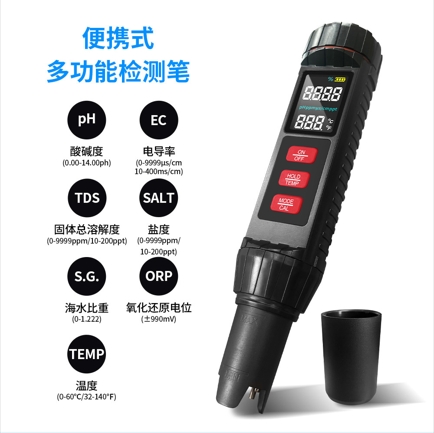
Pool operators face a critical challenge: maintaining safe, balanced water without over-treating or under-treating with chlorine. An orp meter is the precision instrument that transforms chlorine management from guesswork into a data-driven process. Rather than relying on visual inspections or outdated testing methods, professional pool facilities use an orp meter to monitor oxidation-reduction potential in real time, ensuring that chlorine levels remain within safe ranges that protect swimmer health while minimizing chemical waste and operational costs.
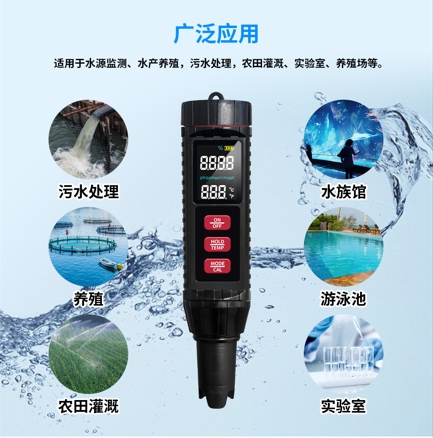
Understanding how to use an orp meter effectively separates competent pool operators from those struggling with chemical balance issues. This guide explains the practical application of an orp meter in daily pool operations, the relationship between ORP readings and chlorine efficacy, and how operators calibrate, interpret, and act on data from an orp meter to maintain consistently safe water conditions.
Understanding ORP Meter Fundamentals for Chlorine Management
What an ORP Meter Measures and Why It Matters
An orp meter measures oxidation-reduction potential, expressed in millivolts, which directly correlates to the sanitizing power of chlorine in water. Unlike free chlorine tests that measure only residual concentration, an orp meter captures the actual disinfection capability available at any given moment. Pool operators depend on an orp meter because it accounts for water temperature, pH, and organic contaminant loads that affect how effectively chlorine neutralizes bacteria, viruses, and algae. When using an orp meter, operators see a single, actionable number that reflects whether their chlorine is working as intended, making dosing decisions more precise and defensible.
The Role of ORP in Chlorine Effectiveness
Chlorine's disinfecting strength depends not just on its concentration but on its oxidation state, which an orp meter quantifies directly. A high ORP reading from an orp meter indicates that available chlorine is in its most potent form, capable of rapid pathogen inactivation. Conversely, when an orp meter shows a low reading, it signals that either chlorine levels are insufficient or that water conditions have degraded the chlorine's efficacy. Professional operators recognize that an orp meter is more informative than total chlorine alone because it integrates multiple water chemistry variables into one measurement. This integration makes an orp meter an invaluable decision-making tool for chlorine dosing adjustments throughout operational hours.
Practical Chlorine Dosing Protocols Using an ORP Meter
Establishing Target ORP Ranges and Response Procedures
Pool operators using an orp meter establish facility-specific target ranges based on pool type, bather load, and regulatory standards. For most public pools, an orp meter reading between 650 and 750 millivolts indicates adequate disinfection capacity. When an orp meter drops below this range, operators increase chlorine feed rates or verify that dispensing equipment is functioning correctly. An orp meter that reads above 800 millivolts suggests excessive chlorination, prompting operators to reduce dosing to avoid irritation, taste, and odor issues. By referencing an orp meter multiple times daily, pool operators respond to real conditions rather than sticking to fixed schedules. This responsive approach using an orp meter conserves chemicals, extends equipment lifespan, and maintains superior water clarity.
Integrating ORP Meter Data into Dosing Workflows
Effective pool operations integrate orp meter readings into systematic workflows that define when and how to adjust chlorine. Most facilities using an orp meter establish morning baseline readings, midday verification checks, and evening monitoring to capture changes across operational hours. When an orp meter indicates drift from target range, operators document the reading, assess contributing factors such as high bather load or weather changes, and implement proportional chlorine adjustments. Some advanced facilities automate this process using controller systems that accept input from an orp meter and modulate chlorine feed pumps continuously. Whether manual or automated, an orp meter enables operators to maintain stable disinfection without excessive chemical swings, reducing operational expense and environmental impact.
Calibration, Maintenance, and Common ORP Meter Challenges
Ensuring ORP Meter Accuracy Through Proper Calibration
An orp meter requires regular calibration to maintain measurement accuracy and reliability. Pool operators must calibrate an orp meter at least monthly using standard calibration solutions, typically a 475 millivolt reference solution and a 675 millivolt solution. During calibration, an orp meter should read within plus-minus 5 millivolts of the known reference value; readings outside this tolerance indicate that the electrode requires cleaning or replacement. An orp meter with a deteriorating electrode produces inconsistent or drifting readings that lead to inappropriate chlorine dosing decisions. Operators who maintain an orp meter calibration schedule reduce false alarms and prevent both under-chlorination hazards and over-chlorination inefficiencies. Proper orp meter care extends electrode life and preserves the instrument's value as a reliable control tool.
Troubleshooting ORP Meter Readings and Environmental Factors
An orp meter reading can fluctuate due to factors beyond chlorine levels, and operators must understand these variables to interpret data correctly. Water temperature significantly affects an orp meter reading; warmer water produces lower ORP measurements for the same chlorine concentration, so an orp meter in heated pools may require adjusted target ranges compared to ambient temperature facilities. pH drift also influences an orp meter accuracy; when pH rises above 7.8, an orp meter may underestimate disinfection capacity because chlorine becomes less potent in alkaline conditions. An orp meter experiencing erratic readings often signals electrode fouling from organic deposits or scale buildup, resolved by gentle cleaning with distilled water and soft cloth. When an orp meter consistently disagrees with laboratory chemical tests, electrode replacement is typically necessary. Understanding these nuances allows operators to trust an orp meter as a genuine control parameter rather than dismissing it as unreliable.
FAQ
How often should pool operators check their ORP meter readings?
Pool operators should reference an orp meter at minimum twice daily during normal operations, with additional checks during high bather periods or after chemical additions. Many facilities using an orp meter implement hourly monitoring during peak hours to catch deviations immediately. An orp meter in automated controller systems may log readings continuously, providing comprehensive historical data for trend analysis and regulatory documentation.
What ORP meter range indicates safe chlorine levels?
Most regulatory agencies recommend that an orp meter maintain readings between 650 and 750 millivolts for effective disinfection. Some jurisdictions accept readings as low as 600 millivolts for commercial pools when combined with adequate free chlorine residual verified by independent testing. An orp meter consistently above 800 millivolts suggests over-treatment and should prompt immediate dosage reduction to reduce chemical exposure and operational cost.
Can an ORP meter replace traditional chlorine testing methods?
While an orp meter is a powerful management tool, most regulations still require independent free chlorine and pH testing alongside orp meter monitoring for compliance and safety verification. An orp meter provides real-time control data, but periodic laboratory verification ensures that the electrode remains calibrated and that actual sanitizer residual matches ORP predictions. Best practice combines an orp meter for continuous process control with daily manual test strips and weekly professional lab analysis for comprehensive pool management.