EN
EN


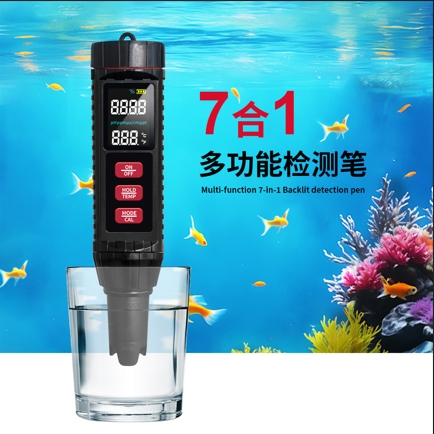
Water quality monitoring is critical across municipal water treatment, swimming pools, industrial processes, and food production facilities. Operators and technicians face a fundamental choice when assessing chlorine levels and overall water disinfection effectiveness: rely on traditional free chlorine testing methods or adopt an ORP meter. Understanding when and why an ORP meter delivers superior performance helps decision-makers select the right testing approach for their specific operational demands and safety requirements.
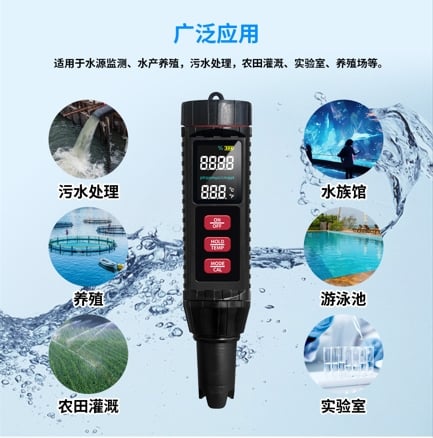
An ORP meter measures oxidation-reduction potential, which reflects the overall disinfection capacity of water regardless of the specific disinfectant used. This indirect but comprehensive measurement method has become increasingly preferred in scenarios where speed, multi-parameter tracking, and real-time decision-making are essential. In contrast, free chlorine testing typically relies on colorimetric methods or chemical reagents that provide point-in-time snapshots rather than continuous monitoring capability. The choice between these approaches depends on operational priorities, facility type, regulatory requirements, and the need for immediate corrective action.
Real-Time Monitoring and Instant Decision-Making
Speed of Measurement with ORP Meter Technology
An ORP meter delivers measurement results within seconds, allowing operators to make immediate decisions without waiting for laboratory processing or color comparison procedures. Traditional free chlorine testing often requires physical observation, color matching, or reagent mixing that introduces both time delays and subjective interpretation errors. When water conditions change rapidly, such as during peak usage hours in swimming pools or during treatment adjustments in municipal systems, an ORP meter provides the responsiveness that reactive management requires. The instantaneous nature of ORP meter readings enables operators to fine-tune disinfectant dosing in real-time, preventing under-treatment scenarios that compromise safety and over-treatment situations that generate unwanted byproducts.
Continuous Monitoring Capability
An ORP meter can be installed in fixed or portable configurations to enable continuous or frequent measurement cycles throughout operational periods. This ongoing assessment capability distinguishes ORP meter-based monitoring from discrete free chlorine testing intervals, which typically occur at scheduled times or when specific conditions trigger manual testing. Industrial food processing plants, large municipal water systems, and high-traffic aquatic facilities benefit significantly from ORP meter deployment because equipment-based measurement ensures no critical time window is missed. Operators receive consistent data trending that reveals whether disinfection levels remain stable or drift outside optimal ranges, enabling proactive rather than reactive management protocols.
Broader Disinfection Assessment Beyond Single Parameters
Oxidation-Reduction Potential Reflects Disinfection Capacity
An ORP meter measures the oxidative strength of water, which correlates with its ability to kill pathogens and prevent microbial growth. Free chlorine testing quantifies only the concentration of available chlorine species, which does not necessarily reflect actual disinfection effectiveness in all conditions. Water temperature, pH, organic matter content, and the presence of chlorine-resistant organisms all influence the relationship between measured free chlorine levels and true disinfection capacity. An ORP meter accounts for these combined factors because it measures the net oxidative environment rather than isolating a single chemical parameter. This holistic perspective makes an ORP meter a more direct indicator of whether water is genuinely safe and properly treated, particularly when conditions deviate from standard scenarios.
Handling Variable Water Chemistry Scenarios
Water quality varies significantly depending on source water characteristics, seasonal changes, and treatment history. An ORP meter performs consistently across these variations because oxidation-reduction potential adapts to the actual disinfection environment present in each specific water sample. Free chlorine testing assumes that measured chlorine concentration directly translates to safety, but organic compounds and suspended particles can interact with chlorine in ways that reduce its available disinfectant strength. Swimming pools with high bather loads, hospitals with specialized water needs, and industrial cooling systems often experience complex chemistry that makes an ORP meter more reliable than free chlorine data alone. Facilities operating under these challenging conditions increasingly prefer ORP meter monitoring because it reduces the risk of false-negative safety assessments.
Operational Efficiency and Cost-Benefit Analysis
Reduced Labor Requirements and Testing Frequency
An ORP meter reduces manual testing frequency because continuous or semi-continuous monitoring eliminates the need for multiple daily measurements with traditional methods. Staff time previously spent on colorimetric comparisons, reagent preparation, and result documentation becomes available for other critical facility tasks. An ORP meter also minimizes errors introduced by human interpretation of color changes or inconsistent technique, which improves data reliability and regulatory compliance documentation. Facilities operating with tight staffing or budget constraints find that an ORP meter investment pays dividends through labor hour savings and fewer testing-related mistakes that lead to equipment downtime or regulatory citations.
Integration with Automated Control Systems
An ORP meter connects seamlessly to automated control systems, programmable logic controllers, and data management platforms that orchestrate chlorine injection, pH adjustment, and other treatment functions. Free chlorine testing generates manual data points that require human interpretation and manual dosing decisions, which is incompatible with modern facility automation. An ORP meter enables closed-loop control where measurement drives proportional disinfectant addition without operator intervention. This automation reduces the likelihood of over-dosing or under-dosing while maintaining consistent treatment quality regardless of varying water demand or source water characteristics. Wastewater treatment plants and large municipal systems benefit substantially from this automated integration capability, which an ORP meter provides but traditional free chlorine testing cannot.
Regulatory Compliance and Data Documentation
Standards and Monitoring Requirements
Many regulatory frameworks and industry standards recommend or require oxidation-reduction potential monitoring as part of comprehensive water quality assessment. Public water systems, food production facilities, and healthcare institutions often face regulatory pressure to demonstrate consistent disinfection effectiveness across all operational periods. An ORP meter provides digitally timestamped records that clearly document compliance with these requirements. Free chlorine testing, particularly when performed manually at scheduled intervals, creates gaps in monitoring documentation that regulators may question. An ORP meter generates continuous data trails that satisfy audit requirements and provide objective evidence of treatment adequacy even during off-hours or high-demand periods when manual testing may be impractical.
Risk Mitigation and Liability Protection
Facilities that deploy an ORP meter establish a documented, technology-based monitoring protocol that demonstrates diligent care in maintaining water safety. This creates defensible documentation if questions about water quality or treatment adequacy ever arise in legal or regulatory contexts. Free chlorine testing relies more heavily on operator judgment and protocol adherence, which introduces subjective elements that may not withstand scrutiny if incidents occur. An ORP meter provides objective, continuous evidence that treatment remained within established parameters, which substantially reduces institutional risk exposure. Facilities managing public or employee health protection prioritize ORP meter implementation specifically for this liability reduction benefit.
FAQ
When is free chlorine testing still preferable to ORP meter monitoring?
Free chlorine testing remains appropriate for small facilities, emergency response situations, or initial water quality assessments where capital investment in an ORP meter is not justified. Portable free chlorine test kits provide immediate answers in field conditions without requiring electrical infrastructure or training on electronic equipment. However, facilities with ongoing monitoring needs, large water volumes, or regulatory compliance requirements almost always benefit more from an ORP meter than from continued reliance on free chlorine testing alone.
Does an ORP meter eliminate the need for free chlorine testing entirely?
An ORP meter provides superior real-time monitoring, but many facilities maintain periodic free chlorine testing as a secondary verification method. This dual approach confirms that the ORP meter is functioning correctly and that measured oxidation-reduction potential aligns with actual available chlorine levels. The combination of both methods creates redundancy that enhances confidence in treatment adequacy, particularly in high-stakes environments like public water systems or healthcare facilities where treatment failures carry serious consequences.
What types of facilities gain the most advantage from ORP meter deployment?
Municipal water treatment plants, large swimming pool facilities, food production and beverage plants, hospitals, and wastewater treatment systems benefit most from ORP meter technology because these facilities handle large water volumes, operate continuously, and face significant regulatory oversight. Smaller facilities, rural systems, and occasional-use environments may not generate sufficient economic justification for ORP meter investment, though growing regulatory emphasis on water quality monitoring makes an ORP meter increasingly attractive even in smaller applications.