EN
EN


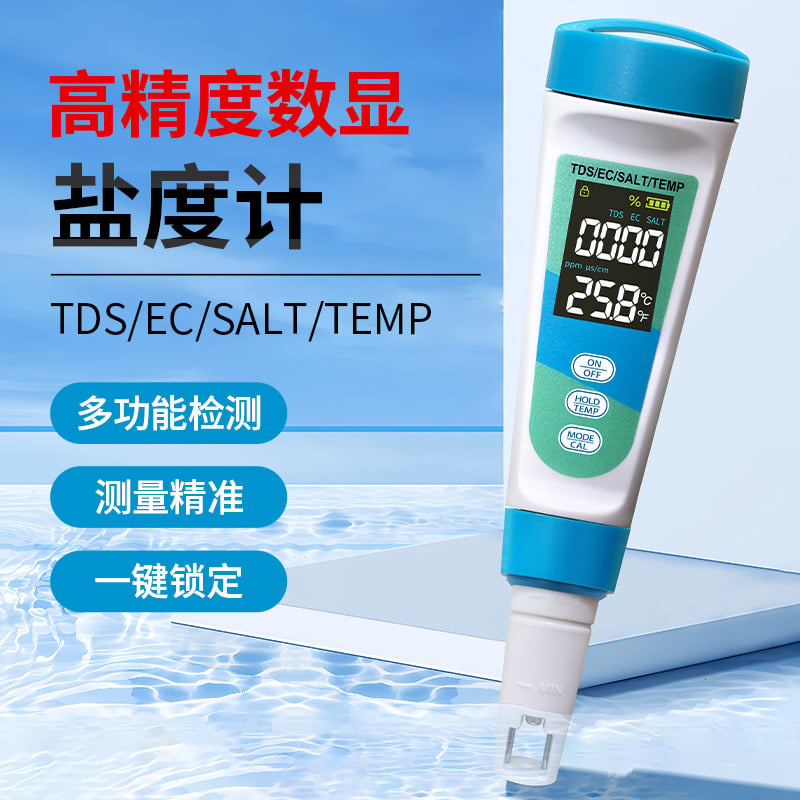
A salinity tester using refractometer technology represents one of the most reliable and portable methods for measuring salt concentration in water. Unlike electrical conductivity sensors or digital probes that require battery power and calibration protocols, a refractometer-based salinity tester operates through the optical principle of light refraction, making it an invaluable tool for marine biologists, aquaculture professionals, food processors, and laboratory technicians. Understanding how this salinity tester functions provides insight into why refractometer technology has remained a gold standard in water quality analysis across diverse industries.
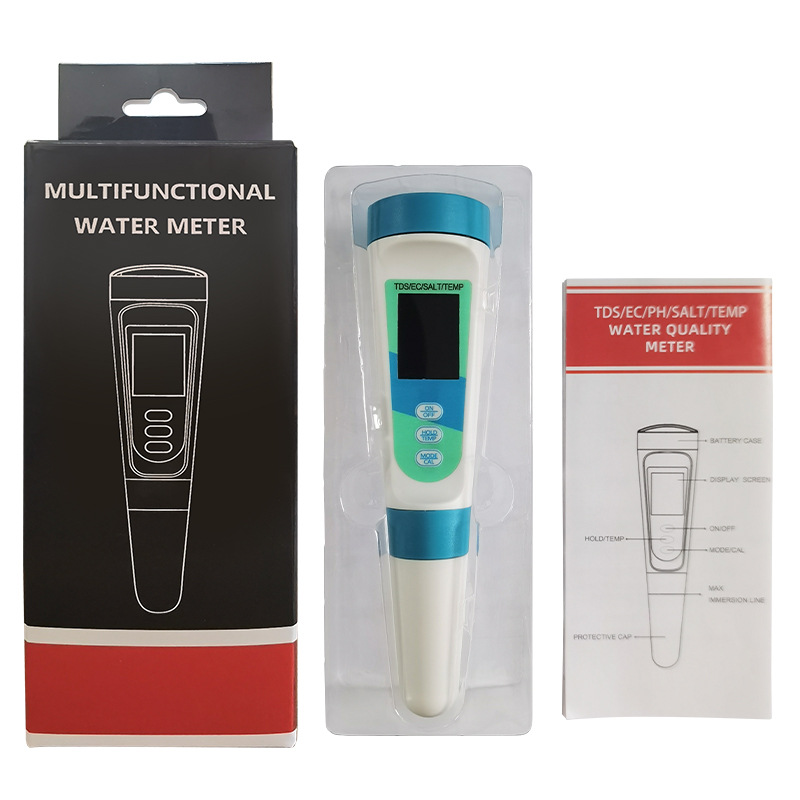
The refractometer-based salinity tester operates on a fundamentally different principle than electronic measurement devices. While conductivity-based instruments measure electrical resistance in saltwater, a salinity tester built on refractometer technology analyzes how light bends when passing through a liquid sample. This optical measurement approach eliminates many variables that affect electronic instruments, such as temperature fluctuations during initial use, battery degradation, and electrode fouling. The salinity tester delivers accurate results in seconds without requiring power sources, making it ideal for field work, onsite testing, and environments where charging equipment is impractical.
The Optical Principle Behind Refractometer Technology
Understanding Light Refraction in Salinity Measurement
Light refraction occurs when light travels from one medium into another and changes direction based on the density of each medium. A salinity tester harnesses this principle by placing a liquid sample between a prism and a lens assembly. When light passes through saltwater containing dissolved minerals and sodium chloride, the salt particles increase the liquid's refractive index, causing light to bend at a measurable angle. A salinity tester's optical scale measures this bending angle and converts it into a direct salinity reading, typically expressed in parts per thousand (ppt), specific gravity (sg), or Baumé degrees. This direct conversion eliminates the need for complex calculations or digital processors, which represents a key advantage of the refractometer-based salinity tester.
Comparing Refraction-Based and Conductivity-Based Detection
A conductivity-based salinity tester measures electrical current flow through salt ions suspended in water, which varies significantly with temperature changes. A salinity tester using refractometer technology remains largely unaffected by ambient temperature variations during measurement, though most modern refractometer designs include automatic temperature compensation for extreme conditions. Conductivity devices require frequent electrode cleaning and calibration to maintain accuracy, whereas a salinity tester with optical measurement needs only occasional lens cleaning and zero calibration using distilled water. For professionals conducting rapid field assessments, a salinity tester based on refractometry provides faster operation and more durable long-term performance than electronic alternatives.
Design and Construction of Refractometer-Based Salinity Testers
Internal Optical Components and Sample Chamber
A typical salinity tester contains several critical optical components arranged in a compact housing. The sample chamber, usually a small flat surface, holds a droplet of the liquid being tested. Above this chamber sits a prism made from high-density glass, which focuses light from an internal light source or external daylight through the sample. A salinity tester's light path then travels through a series of lenses to an eyepiece where an operator views the measurement scale. The optical scale appears as a clear boundary line between a light and dark region, with numeric values corresponding to specific salinity concentrations. This elegant design of a salinity tester allows instant visual reading without electronic display or power requirements, contributing to its reliability and portability.
Durability and Field-Ready Features
Modern refractometer designs position a salinity tester as a rugged field instrument suitable for harsh marine and industrial environments. Most professional-grade salinity tester models feature waterproof housing, corrosion-resistant metal components, and protective cases to withstand saltwater spray, temperature extremes, and accidental drops. A salinity tester's lens assembly is often coated with anti-reflective materials to improve optical clarity and reduce measurement errors caused by light loss. The compact, handheld form factor of a salinity tester makes it ideal for aquarium monitoring, saltwater pool maintenance, research vessel operations, and food processing facilities where precise but portable measurement is essential. Unlike digital instruments, a salinity tester requires no protective electronics or display screens that could fail in harsh conditions.
Practical Applications and Measurement Accuracy
Industry-Specific Use Cases for Salinity Testers
Marine aquaculture operations depend on a salinity tester to maintain optimal salt levels for fish and crustacean health, with accuracy critical for species survival and growth rates. Researchers studying coral reefs, estuaries, and coastal ecosystems rely on a salinity tester for rapid, non-invasive field measurements that do not disturb delicate water samples. Food and beverage processing facilities use a salinity tester to verify brine concentrations in curing operations, cheese production, and sauce manufacturing where salt content affects product quality and shelf stability. The pharmaceutical and laboratory sectors employ a salinity tester for quality control in saline solutions and parenteral preparations where regulatory compliance demands precise measurement documentation. In all these applications, a salinity tester provides a straightforward, reliable method for confirming salt concentration without sophisticated equipment or technical expertise.
Accuracy Limitations and Compensation Strategies
A salinity tester's measurement accuracy typically ranges from 0.5 to 2.0 percent of full scale, depending on the instrument quality and optical calibration. Temperature variations can introduce measurement drift in older salinity tester models, though most contemporary designs include automatic temperature compensation that adjusts readings to a standard reference temperature. A salinity tester achieves maximum accuracy when the sample temperature falls within the compensation range, usually 10 to 30 degrees Celsius. Certain dissolved substances other than sodium chloride, such as potassium nitrate or calcium chloride, can cause a salinity tester to read higher than true sodium chloride concentration because these compounds also increase the refractive index. Operators using a salinity tester in environments with mixed salt profiles should verify readings against calibration standards or reference samples to ensure measurement reliability. High-end professional salinity tester models address this limitation through multi-scale displays showing salinity in multiple units simultaneously.
Advantages of Refractometer-Based Salinity Testers Over Electronic Alternatives
Operational Independence and Maintenance Efficiency
The defining advantage of a salinity tester using refractometer technology is complete operational independence from electrical power. A salinity tester functions equally well in sunlight, under laboratory lighting, or with an internal light source that operates for years without battery replacement. Electronic conductivity meters, by contrast, require regular battery changes, periodic charging, and preventive maintenance to replace worn electrodes. A salinity tester demands only occasional cleaning with distilled water and periodic zero-point verification, making it ideal for organizations operating in remote locations or developing regions where technical support is limited. The long service life of a salinity tester, often exceeding ten years with minimal maintenance, significantly reduces the total cost of ownership compared to digital instruments.
Portability, Speed, and User Accessibility
A handheld salinity tester provides instant results requiring only two to three seconds from sample placement to measurement confirmation. The visual nature of a salinity tester's display eliminates the need for operator training in digital interfaces, software navigation, or data logging procedures, making it accessible to personnel with minimal technical background. A salinity tester's compact size fits easily in a shirt pocket, and its absence of delicate electronic components means field operators can use it in situations where dropping or environmental contamination would ruin expensive laboratory equipment. For professional divers conducting underwater surveys or technicians working in confined spaces, a salinity tester offers unmatched convenience and reliability. The non-destructive nature of a salinity tester's measurement means samples remain available for alternative analysis methods if required.
FAQ
What is the typical measurement range of a refractometer-based salinity tester?
Most standard salinity tester models measure from 0 to 10 parts per thousand, covering freshwater through seawater ranges. Specialized high-range salinity tester models extend measurement capability to 50 or 100 parts per thousand for highly concentrated brines or industrial applications. Some dual-scale salinity tester designs display salinity in both parts per thousand and specific gravity simultaneously, providing flexibility for different professional standards.
How often should a salinity tester be calibrated for accuracy?
A salinity tester should be zeroed with distilled water before each measurement session and calibrated against a known reference standard monthly or after 50 to 100 measurements. Professional-grade salinity tester models include calibration reference fluids in their accessory kits. If a salinity tester shows inconsistent readings or deviates more than 2 percent from reference samples, optical surfaces require professional cleaning and optical realignment.
Can a salinity tester accurately measure salt concentration in all water types?
A salinity tester measures dissolved solids that increase refractive index, so it responds accurately to sodium chloride but may provide slightly elevated readings when other dissolved minerals are present. For applications requiring distinction between sodium chloride and other salts, a salinity tester should be verified against conductivity instruments or chemical titration methods. The salinity tester remains ideal for consistent monitoring within a single water system where salt composition remains relatively stable.