EN
EN


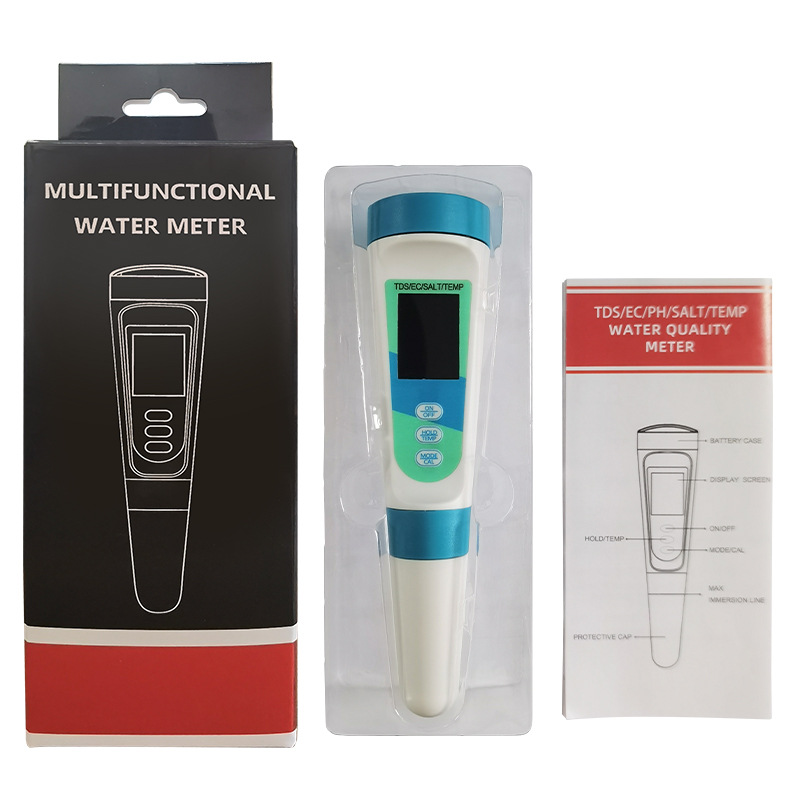
Shrimp farming demands rigorous attention to water chemistry, and among the most critical parameters is salinity concentration. A salinity tester serves as the foundation for maintaining optimal growing conditions, yet precision requirements vary significantly based on shrimp species, farming stage, and production goals. Understanding what accuracy level your operation truly needs prevents costly errors, stress-related disease outbreaks, and reduced yield.
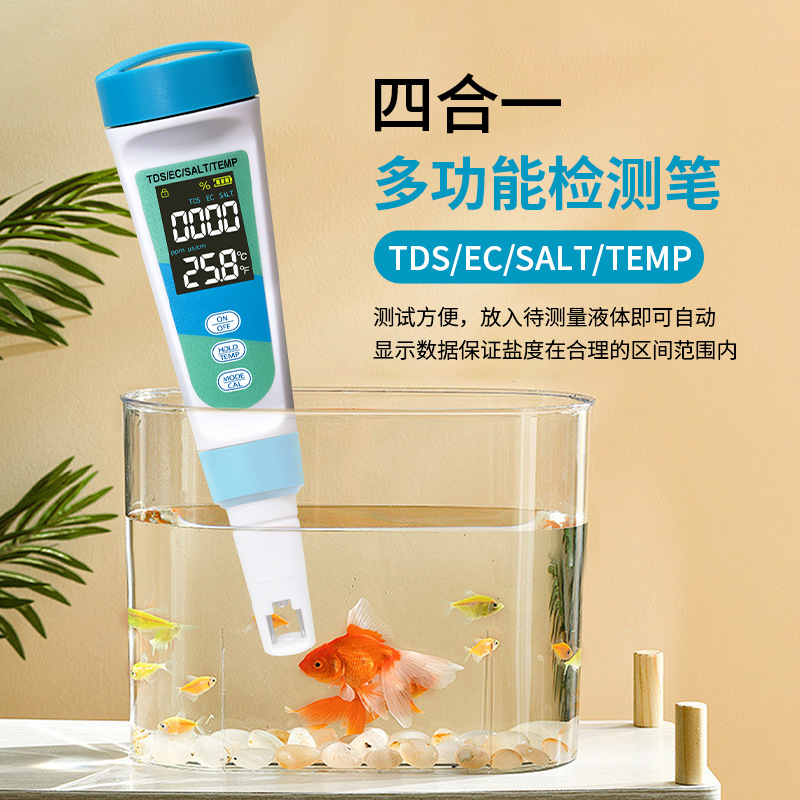
The precision demands of commercial shrimp farming extend far beyond simple water salinity readings. Different species exhibit distinct osmoregulatory tolerances, and juvenile shrimp often require narrower salinity bands than mature stock. A reliable salinity tester becomes the operational backbone for intensive, semi-intensive, and extensive farming systems, each with unique precision thresholds that directly impact survival rates, growth metrics, and feed conversion efficiency.
Species-Specific Salinity Tester Precision Standards
Whiteleg Shrimp Salinity Requirements
Whiteleg shrimp, the most commercially farmed species globally, thrive in salinity ranges typically between 5 and 25 parts per thousand, though optimal growth occurs near 15–20 ppt. Your salinity tester must resolve to ±0.5 ppt or better to maintain these narrow bands consistently. Fluctuations outside target ranges stress osmoregulatory systems, compromising immune function and increasing susceptibility to bacterial and viral pathogens. A precision salinity tester with ±0.2 ppt accuracy provides the operational margin necessary for hatcheries and nursery systems where juvenile shrimp occupy the most sensitive developmental stages.
Giant Tiger and Black Tiger Shrimp Preferences
Giant tiger and black tiger shrimp tolerate somewhat broader salinity windows compared to whiteleg species, accepting ranges from 5 to 30 ppt with reasonable performance. However, best growth still occurs within tightly controlled bands, making a quality salinity tester essential. For these species, a salinity tester capable of ±0.3 ppt accuracy ensures productivity and reduces environmental stress markers. When salinity drifts beyond these carefully maintained ranges due to inadequate measurement precision, shrimp exhibit slower growth, increased molting stress, and higher mortality during vulnerable post-molt periods.
Precision Levels Across Production Stages
Hatchery and Larval Rearing Systems
The hatchery phase represents the most precision-critical stage in shrimp production. Larval development depends on exceptionally stable salinity conditions, requiring a salinity tester with resolution to ±0.1 ppt or finer. During nauplii and zoea stages, wild swings in measured salinity—often caused by imprecise test equipment—trigger developmental abnormalities, delayed metamorphosis, and catastrophic mortality events. A high-precision salinity tester used multiple times daily during hatchery operations prevents the cascade failures that can eliminate entire breeding cohorts within hours.
Nursery and Growing Phases
Once shrimp progress to post-larval and early juvenile stages in dedicated nursery ponds, salinity tester precision requirements relax slightly but remain stringent. A salinity tester accurate to ±0.2–0.3 ppt suffices for these operational phases. Nursery managers typically conduct salinity readings 1–3 times daily, and marginal precision in the salinity tester introduces cumulative error when decisions depend on continuous monitoring. Stocking density, feed application rates, and water exchange protocols all hinge partly on accurate salinity tester feedback, making even moderate imprecision operationally expensive.
Market-Size Growing Ponds
Adult shrimp in production ponds tolerate broader salinity variance than juvenile cohorts, permitting relaxation of measurement precision. A salinity tester maintaining ±0.5 ppt accuracy generally proves adequate for these final growing phases. Larger animals exhibit superior osmoregulatory capacity, and moderate fluctuations—within bounds detected by a standard precision salinity tester—produce minimal stress. However, consistent monitoring remains important for disease prevention and feed conversion tracking.
Calibration, Maintenance, and Practical Implementation
Calibration Standards for Salinity Testers
A salinity tester's nominal precision specification only translates to operational value when proper calibration protocols are followed. Daily multi-point calibration using standard solutions at 0 ppt, 10 ppt, and 25 ppt ensures drift compensation and maintains the advertised precision window. Neglecting calibration degrades salinity tester accuracy rapidly; devices tested weekly without calibration accumulate errors exceeding 2–3 ppt within months. For hatchery operations, calibrating a salinity tester before each critical procedure—spawning induction, larval stocking, or mass selection events—prevents precision loss from compromising production outcomes.
Practical Measurement Protocols
Beyond raw salinity tester precision, consistent sampling technique matters enormously for reliable aquaculture data. Measuring water samples from multiple pond zones and averaging results mitigates localized salinity gradients that a single salinity tester reading cannot capture. Temperature also affects salinity tester readings; most modern instruments auto-compensate, yet verifying this feature prevents misinterpretation. Taking measurements at consistent times and depths, then recording results systematically, transforms a precise salinity tester into a decision-support tool that informs stocking, feeding, and water management interventions.
Equipment Redundancy and Backup Systems
Professional farming operations maintain multiple salinity testers, ensuring no single instrument failure disrupts critical monitoring. Cross-checking readings between units at identical sample points verifies performance and detects calibration drift early. A backup salinity tester—calibrated identically and stored under controlled conditions—activates immediately if the primary unit malfunctions, preserving measurement continuity. This redundancy proves especially valuable during hatchery seasons when daily precision salinity tester readings guide irreplaceable breeding cycles.
FAQ
What precision level does a salinity tester need for shrimp hatcheries?
Hatcheries demand the highest precision from any salinity tester in the operation, typically ±0.1 ppt accuracy or finer. Larval shrimp occupy the most sensitive developmental stage, and even minor salinity fluctuations detected poorly by imprecise equipment trigger stress responses, developmental delays, and mass mortality. A premium salinity tester designed for aquaculture hatchery work justifies its cost through improved larval survival rates and consistent metamorphosis timing.
Can a basic salinity tester work for commercial shrimp farming?
A basic salinity tester rated ±1–2 ppt may suffice for very large, established ponds where gradual salinity shifts present the primary concern. However, most commercial operations benefit from investing in a mid-range salinity tester with ±0.3–0.5 ppt accuracy, which balances cost and operational reliability. Basic instruments often lack auto-temperature compensation, calibration memory, and durability features that agriculture-grade salinity testers provide, creating hidden costs through frequent replacement and unreliable data.
How frequently should a salinity tester be calibrated in shrimp farming?
Daily calibration before critical measurements ensures a salinity tester maintains advertised precision throughout the farming season. For routine monitoring, weekly calibration generally prevents drift from exceeding 0.2–0.3 ppt in most environments. Hatchery operations often perform pre-procedure calibration on their salinity tester to guarantee accuracy during high-stakes events. Maintaining calibration records tied to specific production batches helps identify whether performance variations stem from management factors or equipment drift.