EN
EN


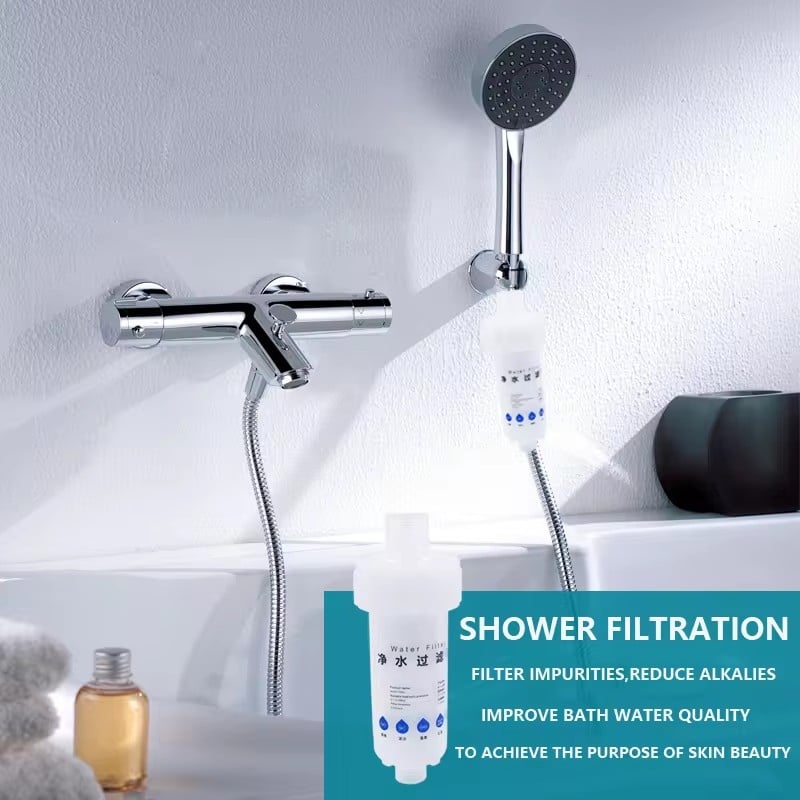
Hard water is a common challenge in many households and industrial facilities, affecting everything from appliances to personal hygiene products. When hard water passes through a shower filter, the mineral content directly influences how effectively that shower filter can reduce contaminants and improve water quality. Understanding this relationship is crucial for anyone investing in water treatment solutions, as the composition of your incoming water determines whether your shower filter will deliver optimal performance or require more frequent maintenance and replacement cycles.
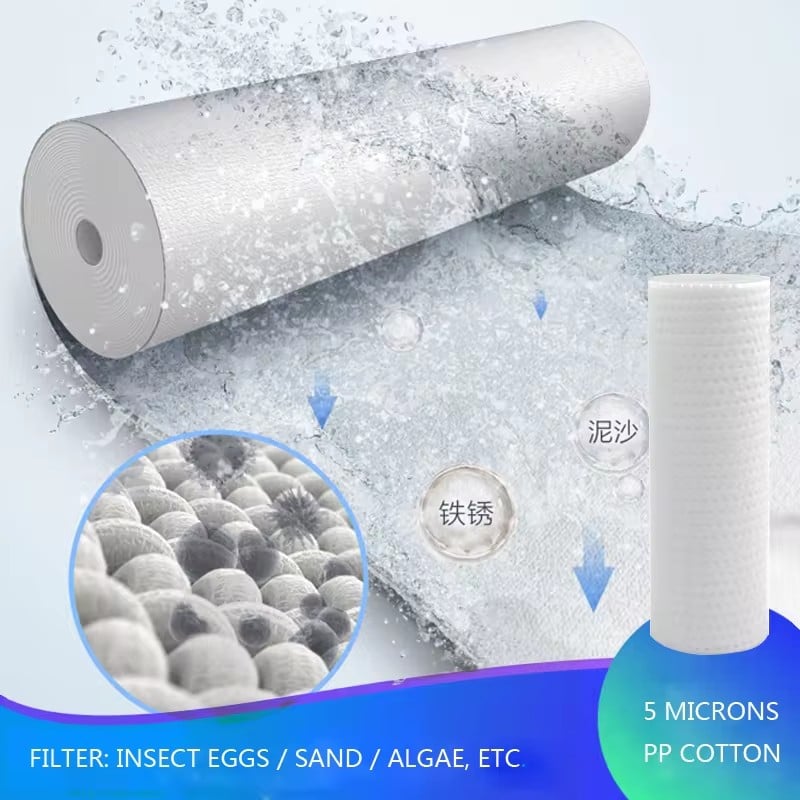
The efficiency of any shower filter depends on multiple factors, but water hardness stands out as one of the most significant variables affecting its lifespan and contaminant removal capacity. Hard water contains dissolved minerals, primarily calcium and magnesium ions, which interact with shower filter media in ways that directly reduce performance metrics. This article explores the specific mechanisms by which hard water composition compromises shower filter effectiveness and provides practical strategies for maintaining optimal filtration in hard water environments.
Understanding Hard Water Composition and Its Impact on Shower Filter Performance
Mineral Content in Hard Water
Hard water is classified by its mineral concentration, typically measured in parts per million (ppm) or grains per gallon (gpg). The primary minerals responsible for water hardness are calcium carbonate and magnesium, which dissolve easily in water and remain suspended throughout distribution systems. When this mineral-laden water reaches your shower filter, these dissolved solids begin accumulating on the filter media surface. A standard shower filter designed for average mineral content will experience accelerated saturation when exposed to highly mineralized water, reducing its ability to capture additional contaminants like chlorine and sediment.
Scale Formation on Filter Media
One of the most damaging effects of hard water on a shower filter is mineral scale buildup. As water passes through the filter cartridge, minerals precipitate and form solid deposits on the activated carbon and other filtration media. This scale layer creates a barrier that prevents water from flowing freely through the shower filter, reducing water pressure and filtration effectiveness simultaneously. Over time, this mineral coating can completely block pores in the shower filter material, causing the device to fail long before its rated service life expires.
How Shower Filter Efficiency Declines Under Hard Water Stress
Reduced Contaminant Adsorption Capacity
The primary mechanism by which a shower filter removes impurities is adsorption, a process where contaminant molecules attach to the surface of activated carbon and other media. However, when hard water minerals occupy these adsorption sites, they prevent chlorine, volatile organic compounds, and other harmful substances from being captured effectively. A shower filter subjected to consistently hard water may achieve only 40 to 60 percent of its intended contaminant removal rate compared to the same shower filter operating in soft water conditions. This performance degradation directly impacts water quality at the shower head, reducing the health and cosmetic benefits users expect.
Accelerated Media Saturation
Hard water composition forces your shower filter to work harder and fail faster than design specifications predict. Laboratory testing consistently shows that a shower filter rated for 100,000 gallons in soft water may only effectively treat 40,000 to 60,000 gallons in hard water environments. The mineral concentration overwhelms the filter's capacity to differentiate between beneficial minerals and harmful contaminants, causing the shower filter to become saturated more quickly. This means more frequent cartridge replacements, higher maintenance costs, and periods of compromised water quality between filter changes.
Optimization Strategies for Shower Filters in Hard Water Environments
Selecting Hard Water Compatible Shower Filter Models
Not all shower filter designs perform equally in hard water conditions. Advanced shower filter systems now incorporate pre-filtration stages specifically designed to handle high mineral content before water reaches the primary media. A multi-stage shower filter with sediment pre-filters and mineral-specific media can significantly extend service life and maintain efficiency in hard water. When evaluating a shower filter for hard water use, verify that the manufacturer provides performance data specifically for your water hardness level, measured in ppm or gpg, rather than relying on generic efficiency ratings.
Maintenance and Cartridge Replacement Protocols
Maintaining a shower filter in hard water requires more disciplined cartridge replacement schedules than soft water installations. Rather than following the manufacturer's standard replacement interval, users with hard water should inspect their shower filter every 30 days for visible scale formation and pressure reduction. A shower filter experiencing reduced flow rates or visible mineral deposits should be replaced immediately, even if the standard interval suggests the cartridge retains capacity. Some advanced shower filter models include pressure gauges that indicate when mineral saturation has compromised performance, making maintenance decisions more objective and preventing periods of reduced water quality.
FAQ
Does a shower filter work in hard water?
Yes, a shower filter will function in hard water, but its efficiency and lifespan are significantly compromised compared to soft water operation. Hard water minerals accumulate on the filter media, reducing both the flow rate and contaminant removal capacity. To achieve effective results with a shower filter in hard water, select models specifically designed for mineral-rich water and expect to replace cartridges more frequently than standard recommendations suggest.
How often should you replace a shower filter in hard water?
The replacement frequency for a shower filter in hard water depends on your specific mineral concentration, but generally ranges from every 3 to 6 months compared to 12 months in soft water. Rather than following calendar-based schedules, monitor your shower filter for reduced water pressure and visible scale buildup. Many users find that checking their shower filter monthly and replacing when performance noticeably declines provides the best balance between cost and water quality.
Can you use a water softener with a shower filter?
Using a shower filter downstream of a whole-house water softener is an effective approach to handling hard water. A water softener removes minerals before they reach your shower filter, allowing the shower filter to focus on chlorine and other chemical contaminants rather than managing mineral accumulation. This combination significantly extends shower filter life and maintains consistent filtration efficiency, though it requires investment in both systems and ongoing maintenance of the water softener with salt or potassium.