EN
EN


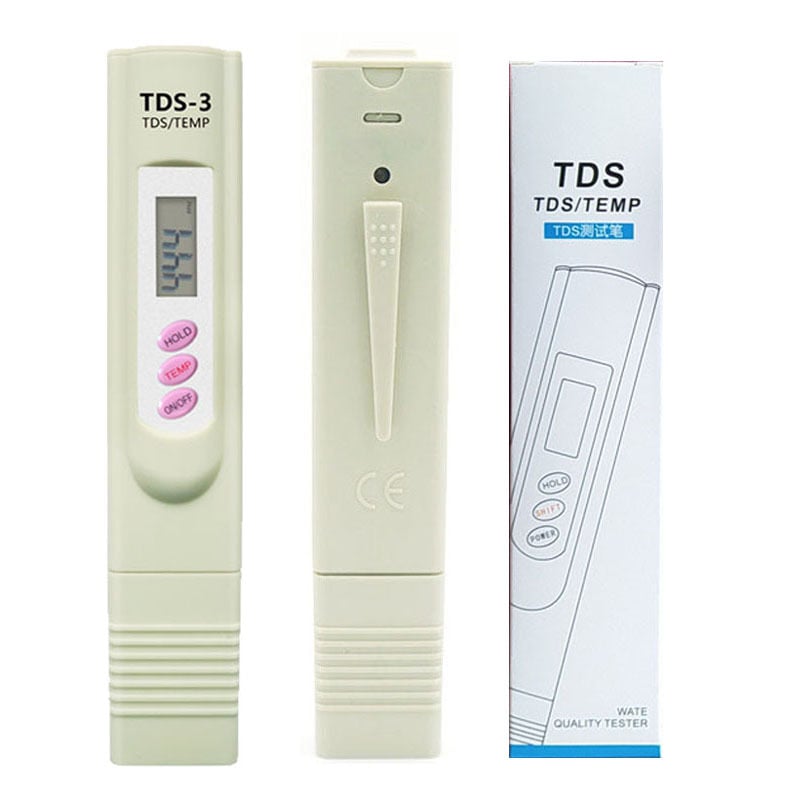
Understanding how a portable pH meter functions requires knowledge of its core measurement principles and the environmental factors that influence accuracy. Temperature is one of the most significant variables affecting pH readings, yet many users overlook this critical aspect when conducting water quality tests. A portable pH meter must account for temperature fluctuations to deliver reliable, repeatable results in the field. This is where temperature compensation technology becomes invaluable for professionals and enthusiasts alike who depend on precise measurements.
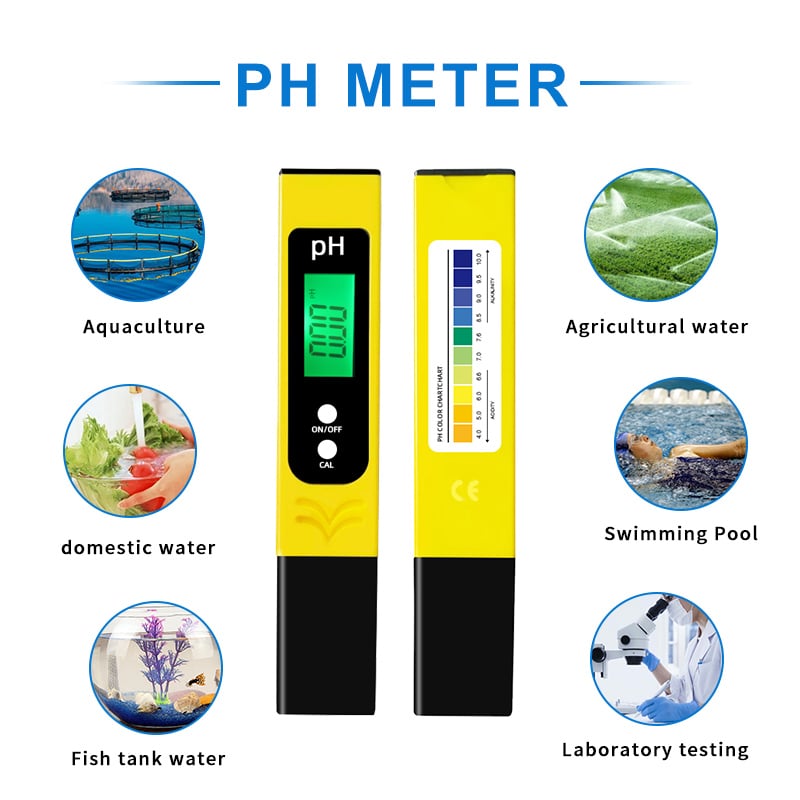
A portable pH meter equipped with temperature compensation ensures that readings remain accurate across varying environmental conditions. Temperature affects the ionization of water and the electrochemical potential of the measurement electrode, which directly impacts the displayed pH value. Without proper temperature correction, a portable pH meter can produce significantly skewed results that compromise water quality analysis and decision-making. Modern instruments integrate automatic temperature compensation (ATC) technology to address this challenge, enabling users to obtain consistent data whether testing water in cold winter conditions or hot summer environments.
The Science Behind Temperature Effects on pH Readings
How Temperature Alters Electrochemical Potential
Temperature directly influences the electrochemical cell within a portable pH meter by changing the activity of hydrogen ions in solution. As temperature increases, the dissociation of water molecules increases, which shifts the neutral pH point from 7.0 at 25°C to lower values at higher temperatures. A portable pH meter's glass electrode responds to these changes in ion activity, and without correction, the instrument will display misleading values. The relationship between temperature and pH is non-linear, meaning that the correction factor cannot be applied uniformly across all temperature ranges.
The Nemst Equation and Temperature Compensation Algorithms
The Nernst equation forms the mathematical foundation for temperature correction in a portable pH meter. This equation describes how electrode potential varies with temperature and the concentration of ions in solution. Engineers calibrate portable pH meter sensors using this relationship to predict how readings will shift at different temperatures. By incorporating a temperature sensor into the instrument, manufacturers enable the device to automatically calculate the appropriate correction factor and adjust displayed values in real time. The algorithm continuously compensates for temperature drift, ensuring that a portable pH meter delivers accuracy whether operating at 5°C or 45°C.
Automatic Temperature Compensation Technology
How ATC Sensors Detect and Correct Temperature Variations
A portable pH meter with automatic temperature compensation (ATC) includes a built-in thermistor or resistance temperature detector (RTD) that continuously monitors the solution temperature. This temperature sensor communicates with the meter's microprocessor, which applies the appropriate correction algorithm to the pH measurement in real time. The portable pH meter's display updates to reflect the temperature-corrected value, allowing users to trust the reading regardless of ambient conditions. Modern ATC systems in a portable pH meter are designed to be transparent to the operator, requiring no manual input or calculation. The correction happens instantaneously, making field testing faster and more reliable than instruments requiring manual temperature adjustments.
Manual Temperature Compensation for Specialized Applications
While most modern portable pH meter models offer automatic temperature compensation, some specialized instruments still provide manual temperature input for unique laboratory scenarios. Users can input the sample temperature manually on a portable pH meter that supports this feature, allowing the device to apply the correction using stored calibration data. This approach is less common in portable pH meter designs because automatic sensing is faster and eliminates operator error. However, some professionals prefer the transparency of manual correction when validating measurement protocols or conducting research in controlled environments. A portable pH meter with both ATC and manual override capabilities offers maximum flexibility for diverse testing applications.
Practical Implications for Field Water Quality Testing
Why Temperature Compensation Matters in Real-World Scenarios
Field technicians rely on a portable pH meter to deliver consistent results across multiple sampling locations and time periods. Without temperature compensation, a portable pH meter used to test groundwater emerging from a spring at 8°C would give different readings than the same water tested at room temperature of 20°C. This discrepancy leads to false conclusions about water quality, potential regulatory violations, or incorrect treatment decisions. Temperature compensation in a portable pH meter ensures that variations in readings reflect actual pH changes in the sample, not instrumental drift from environmental factors. Regulatory compliance, environmental monitoring, and industrial process control all depend on the accuracy that a temperature-compensated portable pH meter provides.
Calibration Considerations for Temperature-Compensated Instruments
Proper calibration of a portable pH meter remains essential even with automatic temperature compensation technology. Users should calibrate a portable pH meter using buffer solutions at or near the expected sample temperature for maximum accuracy. When a portable pH meter's ATC sensor is dirty or malfunctioning, temperature compensation becomes unreliable, leading to measurement errors that can go undetected. Regular maintenance of the temperature probe on a portable pH meter is just as important as electrode maintenance. Many professionals recalibrate their portable pH meter before fieldwork to ensure both the pH electrode and temperature sensor are functioning optimally. A portable pH meter that has been properly maintained and calibrated delivers measurements that users can confidently act upon.
FAQ
What is the difference between automatic and manual temperature compensation in a portable pH meter?
Automatic temperature compensation (ATC) in a portable pH meter uses a built-in temperature sensor to detect sample temperature and automatically apply corrections without user intervention. Manual temperature compensation requires users to input the sample temperature manually on a portable pH meter, allowing the device to calculate the correction factor based on stored calibration data. ATC is faster, more convenient, and reduces user error, which is why it is the standard feature in modern portable pH meter designs. Manual compensation offers transparency for specialized research applications but is less practical for routine field testing.
Can a portable pH meter give accurate readings without temperature compensation?
A portable pH meter without temperature compensation can produce readings that differ significantly from the true pH value when sample temperature deviates from the calibration temperature, typically 25°C. The error magnitude increases as the temperature difference grows, potentially resulting in measurement errors of 0.2 to 0.5 pH units or more. For casual educational use or rough screening, a portable pH meter without ATC may be acceptable, but professional applications require temperature-compensated instruments. Regulatory testing, environmental monitoring, and process control applications rely on a portable pH meter with reliable temperature compensation to meet accuracy standards.
How often should the temperature sensor on a portable pH meter be checked or replaced?
The temperature sensor on a portable pH meter should be checked during routine calibration procedures, typically before each field session or at minimum monthly for regular users. If a portable pH meter's ATC readings seem inconsistent or if the temperature display appears incorrect, the sensor should be professionally evaluated or replaced. Most manufacturers recommend replacing a portable pH meter's temperature sensor every 2–3 years depending on usage intensity and storage conditions. Proper storage, regular cleaning, and protective practices extend the life of both the pH electrode and temperature sensor on a portable pH meter, ensuring reliable performance throughout the instrument's operational lifespan.