EN
EN


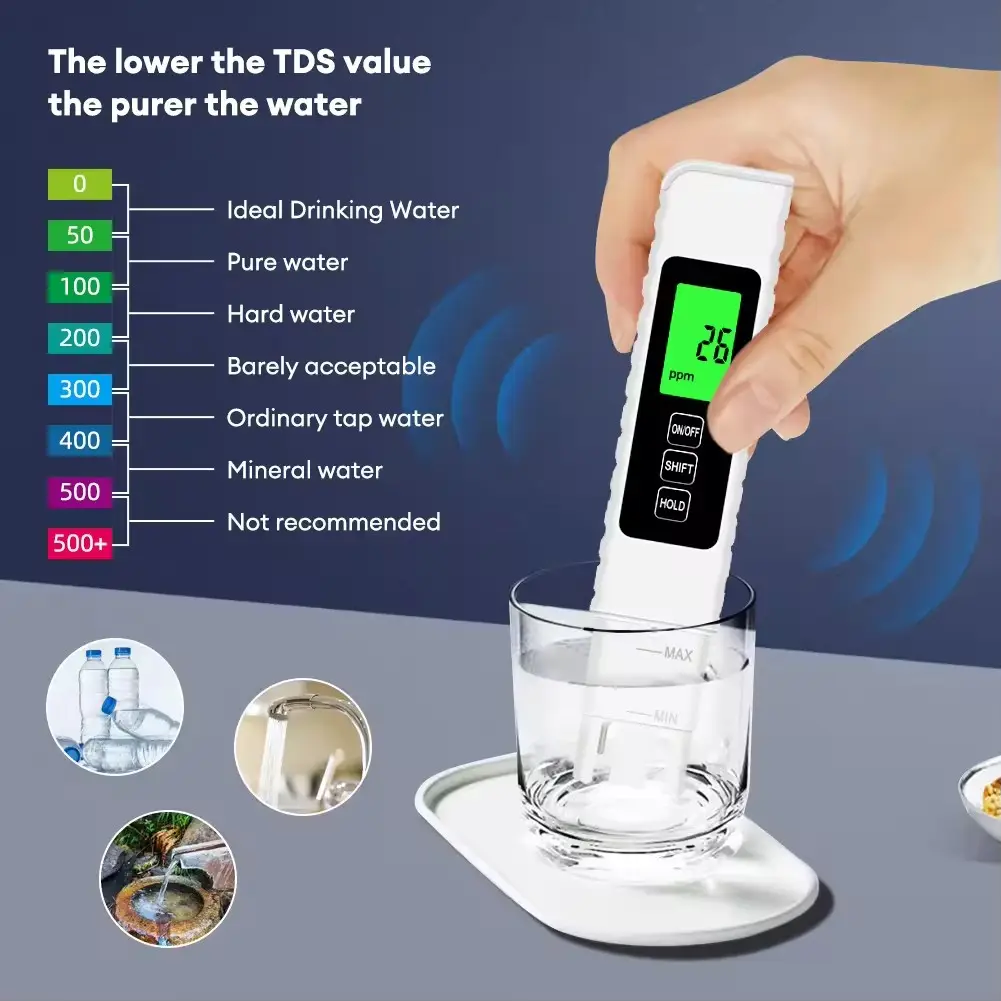
Greenhouse operators face a critical challenge: delivering the right nutrient concentration to crops at the right time. Too much fertilizer wastes resources and damages plants; too little stunts growth and reduces yield. An ec meter solves this problem by measuring electrical conductivity, which directly correlates to dissolved nutrient concentration in irrigation water. Understanding how to use an ec meter effectively transforms fertigation from guesswork into precision management, enabling operators to optimize crop nutrition, reduce fertilizer waste, and maintain consistent product quality across growing cycles.
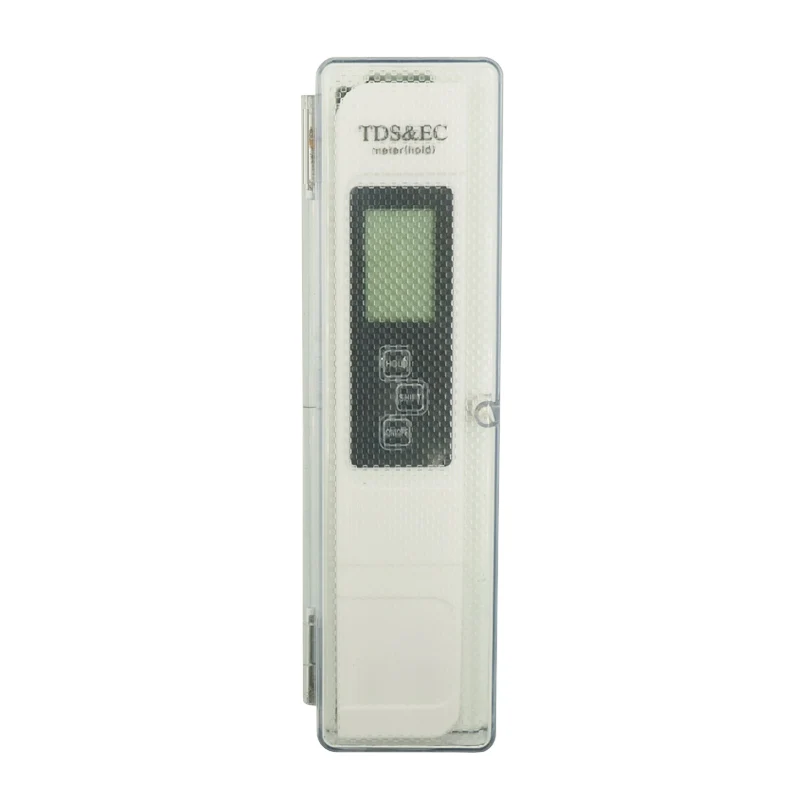
An ec meter measures the electrical conductivity of nutrient solution in parts per million (ppm) or milliemhos per centimeter (mS/cm). Greenhouse operators rely on this real-time data to calibrate fertilizer dosing, adjust nutrient ratios, and maintain the ideal solution strength for each crop stage. By incorporating an ec meter into daily monitoring routines, growers detect drift in nutrient concentration before it impacts plant health, enabling rapid corrective action and preventing costly crop losses.
Understanding EC Meter Fundamentals for Fertigation Control
How an EC Meter Measures Nutrient Concentration
An ec meter works by applying a small electrical current across two electrodes immersed in nutrient solution. Dissolved salts (nutrients) conduct electricity; higher salt concentration means higher conductivity. The ec meter converts this conductivity reading into ppm or mS/cm values, providing operators with an instant snapshot of nutrient strength. This measurement is non-destructive, allowing operators to test solution repeatedly throughout the day without affecting the nutrient tank or irrigation lines.
Greenhouse operators understand that an ec meter reading reflects total dissolved solids rather than individual nutrient ratios. A specific ec meter value might contain nitrogen, phosphorus, potassium, and trace elements in varying proportions. For this reason, growers combine ec meter data with periodic tissue testing and visual plant assessment to ensure balanced nutrition. The ec meter remains the fastest way to detect when nutrient concentration drifts outside the target range, triggering tank adjustments or dilution.
Temperature Compensation and Reading Accuracy
Temperature affects conductivity measurements, so a reliable ec meter includes automatic temperature compensation (ATC). Without ATC, the same nutrient solution reads differently at 60°F versus 80°F, leading to incorrect fertilizer adjustments. Greenhouse operators who invest in an ec meter with built-in ATC eliminate this source of error. Modern ec meter devices automatically adjust readings to a standard reference temperature (usually 25°C), ensuring consistency regardless of fluctuations in greenhouse climate or irrigation water temperature.
Practical Fertigation Management with an EC Meter
Establishing Target EC Ranges by Crop and Growth Stage
Each crop has an optimal ec meter range that maximizes growth, yield, and quality. Tomatoes, for instance, typically thrive at 1.8 to 2.4 mS/cm, while lettuce prefers 1.2 to 1.6 mS/cm. Greenhouse operators establish these target ranges based on crop variety, media type, and local water quality, then use an ec meter to verify that irrigation solution stays within the target window. During seedling stages, a lower ec meter reading protects tender roots from salt burn; as plants mature, operators gradually increase the ec meter value to support heavier nutrient demand during flowering and fruiting.
An ec meter also tracks how plants consume nutrients unevenly over the growing cycle. Early vegetative growth requires nitrogen-rich solution; peak flowering demands more phosphorus and potassium. Operators monitor ec meter trends daily, noticing when the reading starts to rise (indicating evaporation concentrating salts) or fall (indicating plant uptake outpacing fertilizer delivery). This vigilance allows greenhouse operators to adjust fertilizer concentrators, dilution rates, or nutrient formulations proactively using ec meter feedback.
Daily Monitoring and Corrective Action Protocols
Professional greenhouse operators establish a daily routine: measure the irrigation tank solution with an ec meter at the same time each morning, log the reading, and compare it to the target range. If the ec meter reading is above target, operators dilute the tank by adding fresh water; if below target, they increase fertilizer concentrate. This disciplined approach prevents nutrient drift and ensures consistent crop feeding. An ec meter measurement takes seconds, so the cost of daily monitoring is negligible compared to the value of preventing even one day of improper nutrition.
When an ec meter reading falls outside the target window, operators investigate the cause. A rising ec meter value in a static tank suggests water evaporation; a falling ec meter indicates plants are absorbing water faster than nutrients, diluting the solution. An unexpected spike in ec meter readings might signal equipment malfunction, contaminated water source, or a change in fertilizer concentrate batch. By using an ec meter as an early warning system, operators catch problems early and maintain the stable nutrient environment that high-quality crops demand.
Integration of EC Meter Data into Crop Management Decisions
Linking EC Meter Data to Yield and Quality Outcomes
Progressive greenhouse operations track correlations between ec meter readings, plant health observations, and final harvest metrics. Operators discover, for example, that maintaining an ec meter value within a narrow 0.2 mS/cm window produces the most consistent fruit size and sugar content, even if slightly wider ranges are theoretically acceptable. This data-driven insight becomes the standard operating procedure for that specific crop and greenhouse. An ec meter becomes not just a measurement tool but a productivity lever: small improvements in ec meter precision compound across thousands of plants and multiple crop cycles.
Greenhouse operators also use an ec meter to benchmark performance across multiple growing units or seasons. If unit A consistently maintains an ec meter reading of 1.95 mS/cm and produces higher-quality fruit than unit B (which runs at 2.1 mS/cm), operators replicate unit A's ec meter protocol in other zones. This systematic approach to ec meter management transforms fertility from an art into a science, reducing variability and improving predictability in commercial production.
Troubleshooting Nutrient Issues Using EC Meter Insight
When plants show symptoms of nutrient stress (chlorosis, stunted growth, or abnormal leaf color), an ec meter reading reveals whether the root cause is insufficient nutrient concentration or an imbalance issue. If the ec meter shows adequate total salts but symptoms persist, operators suspect a specific nutrient deficiency or pH-driven unavailability; if the ec meter reading is too low, the solution is straightforward: increase fertilizer. This diagnostic clarity saves time and prevents operators from blindly adding more fertilizer to a solution that already contains adequate total salts but poor nutrient distribution.
An ec meter also helps identify when source water quality changes. Municipal water systems or well water can shift mineral content seasonally, affecting baseline EC. Greenhouse operators who monitor an ec meter regularly notice when incoming water hardness increases, prompting them to adjust fertilizer concentrate downward to maintain the same target ec meter value. Without ec meter awareness, operators would continue adding the same fertilizer dose, gradually pushing actual nutrient concentration too high and triggering salt-related crop damage.
FAQ
What is the ideal EC meter range for most vegetable crops?
Most greenhouse vegetable crops thrive at an ec meter reading between 1.4 and 2.2 mS/cm, depending on the specific crop, growth stage, and local water quality. Leafy greens prefer the lower end of this range, while fruiting crops like tomatoes and peppers tolerate the higher end. Greenhouse operators should confirm crop-specific recommendations from seed suppliers or extension resources, then use daily ec meter monitoring to stay within that window. Each operation may fine-tune the target ec meter range based on observed yield and quality outcomes.
How often should greenhouse operators measure with an EC meter?
Best-practice greenhouse operations measure with an ec meter at least once daily, typically in the early morning before irrigation begins. High-precision operations may measure multiple times daily or use continuous ec meter monitoring systems integrated into automated controllers. Daily ec meter measurement takes only minutes but catches drift early, prevents major nutrient imbalances, and significantly improves crop consistency. The minimal time investment in ec meter monitoring pays enormous returns in crop quality and reduced waste.
Can an EC meter detect individual nutrient deficiencies?
An ec meter measures total dissolved salts but cannot identify which specific nutrients are present or in what proportions. A solution with adequate total EC may still be deficient in a particular nutrient like iron or manganese. To diagnose specific deficiencies, greenhouse operators combine ec meter readings with periodic plant tissue testing, visual symptom assessment, and pH monitoring. The ec meter confirms that total nutrient strength is adequate; tissue testing reveals whether the nutrient balance is correct. This combination of tools gives operators the complete picture needed for optimal fertigation management.