EN
EN


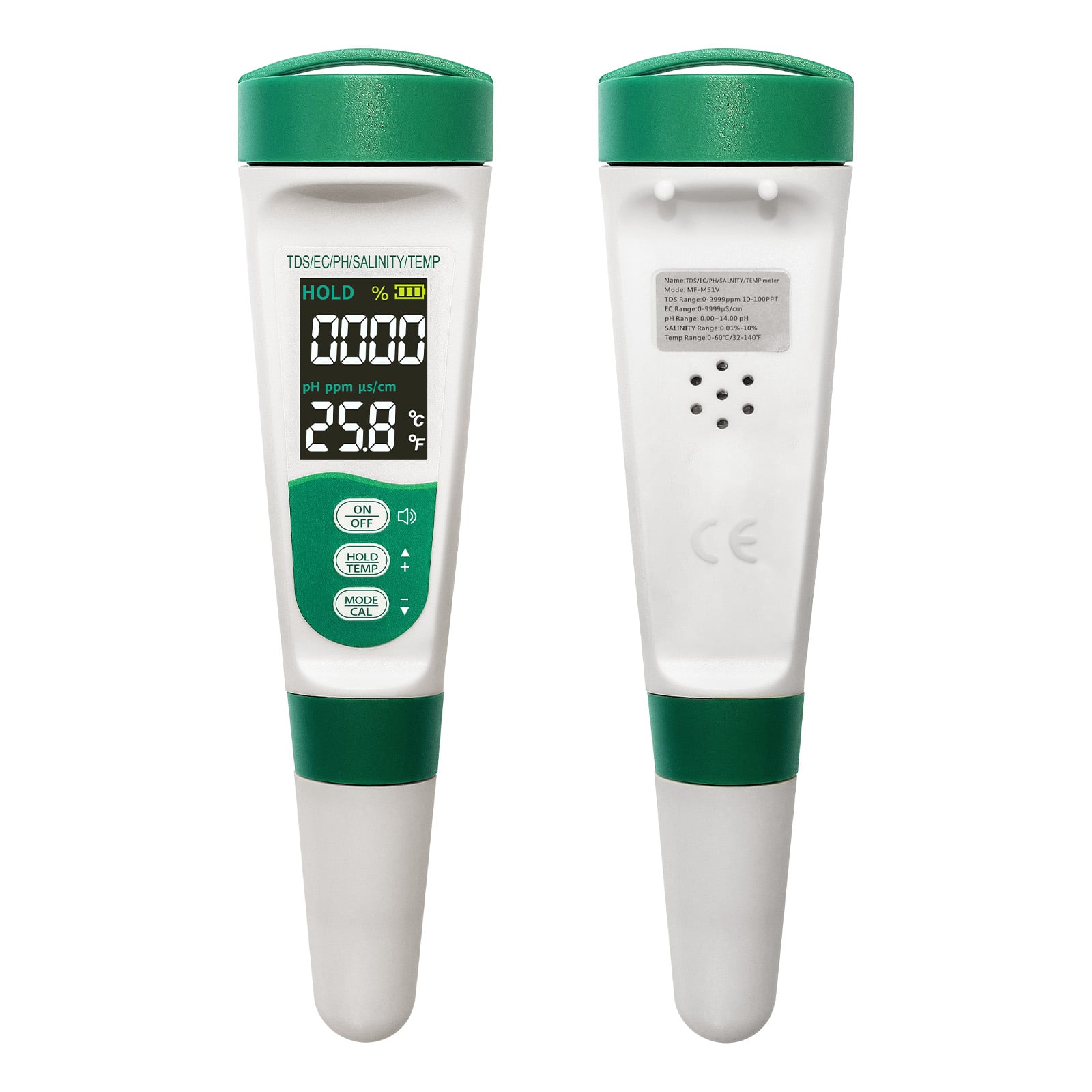
An ec meter is an essential tool for any hydroponic grower who wants to maintain optimal nutrient concentrations in their growing system. The electrical conductivity measurement provided by an ec meter directly reflects the total dissolved solids present in your nutrient solution, which determines whether your plants receive the right balance of nutrients for healthy growth. Understanding what ec meter range is ideal for your hydroponic setup is crucial because incorrect conductivity levels can lead to nutrient deficiencies, toxicities, or stunted plant development. This guide explores the optimal ec meter readings for different crop types, growth stages, and system configurations.
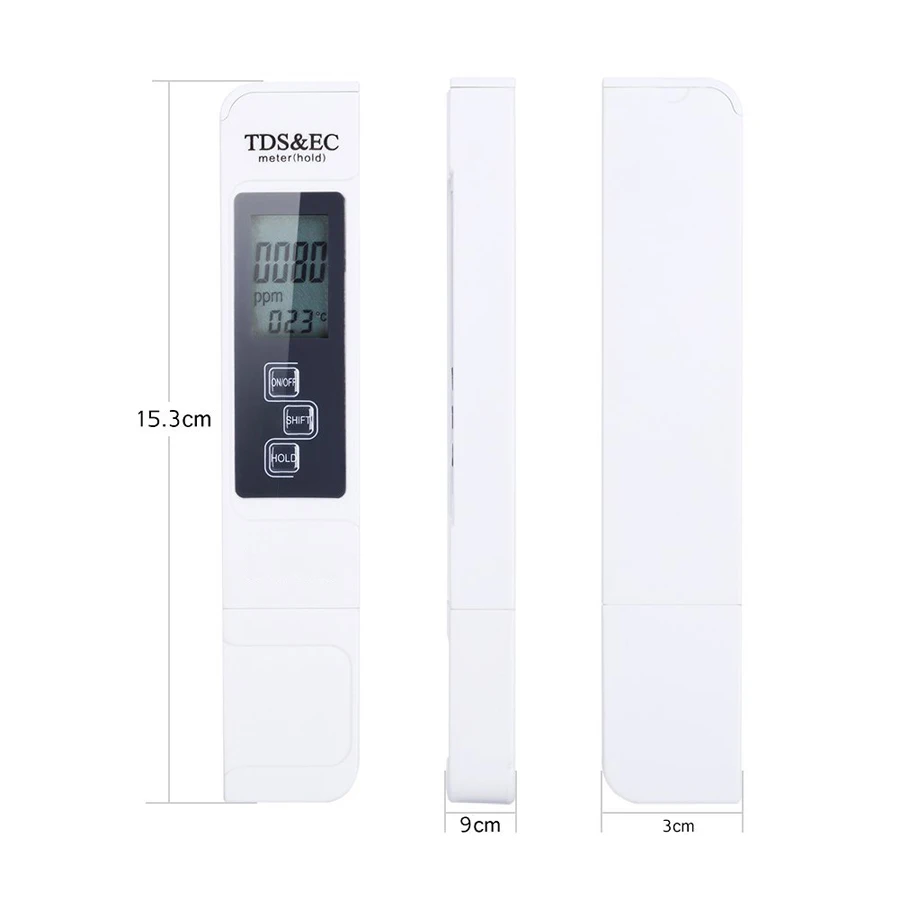
Every hydroponic system requires precise monitoring using an ec meter to ensure consistent plant nutrition and productivity. The ideal ec meter range varies depending on the crop type, growth stage, and water quality at your location. Most commercial hydroponic operations maintain ec meter readings between 1.2 and 2.0 millisiemens per centimeter (mS/cm) during the vegetative stage, adjusting upward for flowering plants or crops with higher nutrient demands. Knowing how to interpret your ec meter readings and maintain the correct range prevents costly crop failures and maximizes yield potential.
Understanding EC Meter Measurements and Conductivity Basics
What an EC Meter Measures in Hydroponic Solutions
An ec meter measures the electrical conductivity of your nutrient solution by detecting the concentration of dissolved ions and minerals. Every dissolved nutrient in your hydroponic system carries an electrical charge, and an ec meter quantifies the total ionic strength by running a small electrical current through the solution. The higher your ec meter reading, the more dissolved solids are present in the water. This relationship between ec meter readings and nutrient concentration makes it the most practical way to monitor whether your plants are receiving adequate nutrition without needing expensive laboratory testing.
Why EC Meter Range Matters for Plant Health
The ec meter range you maintain directly impacts nutrient uptake efficiency and plant metabolism. When an ec meter reading falls too low, plants experience nutrient starvation, leading to pale leaves, weak stems, and reduced flowering. Conversely, when an ec meter reading climbs too high, nutrient toxicity develops, causing burned leaf edges, salt accumulation in the growing medium, and root damage. The ideal ec meter range keeps all essential nutrients in solution at concentrations plants can readily absorb. A quality ec meter allows you to make real-time adjustments before problems become visible, protecting your investment and ensuring consistent harvests.
Optimal EC Meter Range by Growth Stage and Crop Type
Vegetative Stage Conductivity Levels
During the vegetative stage, most hydroponic crops require an ec meter range of 1.2 to 1.8 mS/cm for optimal growth. This ec meter range supports robust leaf development and strong root establishment without overwhelming the plant with excess nutrients. Leafy greens like lettuce and spinach typically prefer the lower end of this ec meter range, around 1.2 to 1.4 mS/cm, because they have lower nutrient demands and can become prone to calcium deficiencies at higher conductivity. A consistent ec meter reading in this range ensures plants develop strong vegetative tissue that will support flowering and fruiting later.
Flowering and Fruiting Stage Conductivity Levels
When plants transition to flowering and fruiting, the ideal ec meter range increases to between 1.6 and 2.2 mS/cm for most crop types. This elevated ec meter range reflects the increased phosphorus and potassium demand plants experience during reproductive growth. Tomatoes, peppers, and cucumbers typically thrive at an ec meter range of 1.8 to 2.0 mS/cm during this stage, while some specialty crops may tolerate higher readings. Monitoring your ec meter closely during flowering prevents both nutrient deficiencies that reduce fruit quality and conductivity levels that stress plants and reduce flavor development.
Practical EC Meter Monitoring and Adjustment Strategies
Daily EC Meter Testing and Documentation
Successful growers test their nutrient solution with an ec meter at least once daily, preferably at the same time each morning when environmental conditions are most stable. Recording your ec meter readings in a logbook or digital system reveals trends that help you predict when nutrient adjustments become necessary. If your ec meter reading drops gradually over several days, it indicates plants are consuming nutrients faster than water uptake, requiring a nutrient solution top-up. When your ec meter reading climbs despite constant feeding, it suggests water is evaporating faster than minerals, requiring additional water addition to restore the ideal ec meter range.
Calibration and Maintenance of Your EC Meter Device
An ec meter remains accurate only when properly calibrated before each testing session and maintained according to manufacturer specifications. Most quality ec meter devices require calibration using standard conductivity solutions, typically at either 1413 mS/cm or 12.88 mS/cm depending on your growing system scale. Always rinse your ec meter probe with distilled water between measurements and store it in the appropriate storage solution to prevent probe corrosion and sensor drift. A poorly maintained ec meter can provide readings that are significantly off, leading to incorrect nutrient adjustments that compromise your crop performance and reduce profitability.
Adjusting Nutrient Solution Based on EC Meter Readings
When your ec meter reading falls below the target range for your crop and growth stage, dilute your nutrient solution by adding fresh, high-quality water until the ec meter reaches the appropriate level. If your ec meter reading exceeds the target range, you have two options: add more plain water to reduce concentration, or perform a partial water change if you suspect nutrient imbalance rather than simple over-concentration. Always make incremental adjustments rather than drastic changes, testing your ec meter again after 15 minutes to verify the new reading has stabilized. This patient approach prevents overcorrection and maintains system stability that keeps your plants healthy and productive.
FAQ
What does EC meter range mean in hydroponics?
EC meter range refers to the recommended electrical conductivity measurement band appropriate for your specific crop type and growth stage. The ec meter range defines the ideal concentration of dissolved nutrients in your solution, with readings below the range indicating nutrient deficiency and readings above indicating potential toxicity. Staying within the recommended ec meter range ensures plants absorb nutrients efficiently while minimizing stress and maximizing yield.
How often should I check my EC meter in a hydroponic system?
Testing your ec meter daily is the industry standard practice for commercial and serious hobby hydroponic operations. Daily ec meter testing allows you to detect trends early and make adjustments before nutrient problems develop. If you operate a small hobby system, checking your ec meter every 2 to 3 days remains acceptable, but daily monitoring provides more reliable data for maintaining consistent plant health and productivity.
Can different crops have different EC meter range requirements?
Yes, absolutely. Different crops have vastly different nutrient requirements and tolerance for conductivity levels. Leafy greens like lettuce prefer an ec meter range of 1.2 to 1.4 mS/cm, while fruiting crops like tomatoes thrive at 1.8 to 2.0 mS/cm. Specialty crops like cannabis may require ec meter ranges of 1.5 to 2.5 mS/cm depending on the strain and growth stage. Always research the specific ec meter range recommendations for each crop before beginning cultivation.