EN
EN


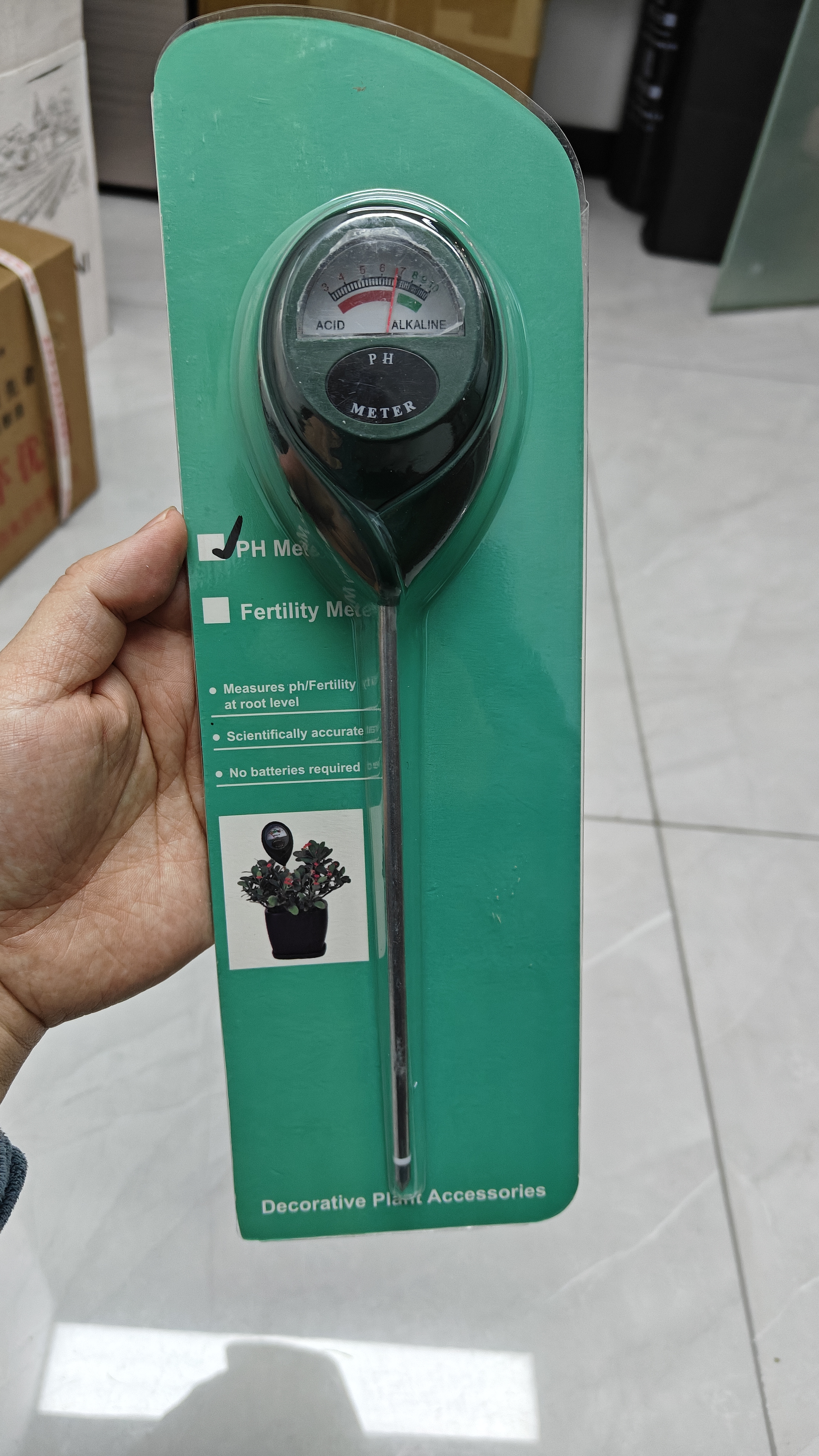
A modern soil moisture meter does far more than provide a single point-in-time reading. Today's advanced models include data logging capabilities that transform how agricultural professionals, landscape managers, and horticulturists understand soil conditions over time. By recording moisture measurements at regular intervals and storing this historical data, a soil moisture meter becomes an invaluable tool for trend analysis, irrigation optimization, and predictive plant health management. The difference between a basic soil moisture meter and one equipped with comprehensive data logging features can mean the margin between crop failure and optimal yield, between water waste and conservation.
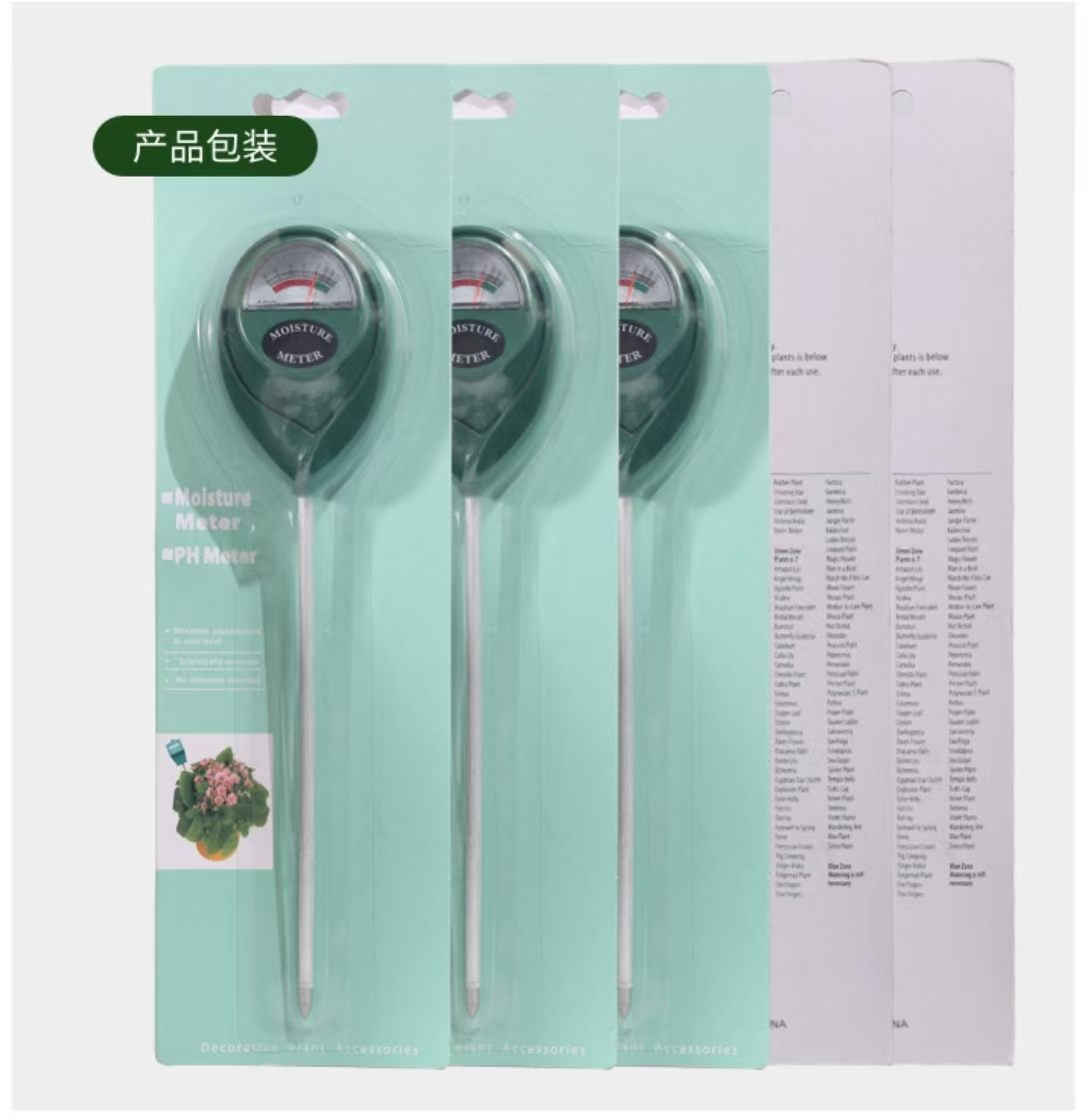
Understanding which data logging features deliver genuine value requires examining how each capability supports real-world decision-making. A soil moisture meter with robust data logging capabilities connects field conditions to actionable insights, enabling users to move beyond reactive management toward strategic, data-driven irrigation strategies. This article explores the critical data logging features that distinguish professional-grade soil moisture meter instruments from conventional alternatives, and how these features translate into measurable benefits across diverse growing environments and operational scales.
Why Data Logging Features Matter in Modern Soil Moisture Assessment
Moving Beyond Single-Point Readings
Traditional soil moisture meter designs rely on instantaneous measurements, capturing only what the soil contains at the exact moment of testing. This approach leaves significant blind spots in understanding moisture dynamics. A soil moisture meter equipped with data logging eliminates this limitation by recording sequential measurements, creating a temporal record that reveals patterns invisible in isolated readings. When a soil moisture meter automatically logs data at preset intervals—whether every 15 minutes, hourly, or daily—it builds a comprehensive picture of how soil moisture fluctuates throughout the day, across weather events, and through seasonal transitions. This continuous monitoring enables professionals to identify optimal irrigation windows, detect drainage problems, and respond to stress conditions before visible plant damage occurs.
Operational Efficiency and Labor Cost Reduction
Manual soil moisture meter readings require physical site visits, which consume labor resources and limit sampling frequency. When a soil moisture meter incorporates automatic data logging, it eliminates the need for constant manual checks while actually increasing the volume and frequency of data collection. Facilities managing multiple growing areas or large agricultural operations can deploy a soil moisture meter at each critical location, allow it to log continuously, then retrieve months of data in a single session. This approach dramatically reduces field time while improving data quality and consistency. A soil moisture meter that logs data becomes a passive monitoring device requiring minimal human intervention, freeing staff to focus on analysis, interpretation, and strategic decision-making rather than routine data collection tasks.
Essential Data Logging Capabilities That Drive Decision-Making
Timestamp Recording and Historical Context
The foundation of meaningful data logging is accurate, reliable timestamp recording. Every measurement captured by your soil moisture meter must be paired with precise date and time information, creating an unambiguous historical record. A soil moisture meter with robust timestamp functionality allows you to correlate moisture patterns with specific events—rainfall, irrigation applications, temperature fluctuations, or management activities. This contextual linkage transforms raw numbers into meaningful narratives about soil behavior. When analyzing months of soil moisture meter data, timestamps enable you to identify seasonal trends, detect recurring dry spells, and quantify the lag time between irrigation and moisture absorption. Without precise timestamping, even a soil moisture meter collecting abundant data becomes difficult to interpret accurately or act upon strategically.
Adjustable Logging Intervals and Flexible Storage Capacity
Different management scenarios require different monitoring frequencies. A soil moisture meter designed for intensive nursery production might log readings every 10 or 15 minutes to capture rapid moisture changes in shallow containers, while the same soil moisture meter deployed in field agriculture might operate on hourly or daily intervals for long-term trend analysis. Professional-grade soil moisture meter instruments offer configurable logging intervals, allowing users to match data collection frequency to their specific operational needs and battery life requirements. Storage capacity directly impacts how long a soil moisture meter can operate autonomously before requiring data retrieval or clearing. A soil moisture meter with substantial onboard memory—capable of storing thousands or tens of thousands of readings—enables extended deployment periods and reduces the frequency of site visits needed for data management. This flexibility allows a single soil moisture meter to adapt across multiple deployment scenarios and environmental conditions.
Data Export and Integration Capabilities
Data logging value depends critically on the ease of extracting and utilizing that information. A soil moisture meter that stores data internally but offers no practical export mechanism leaves that information trapped in the device. Leading models now feature USB connectivity, wireless transmission, or cloud integration, allowing logged data from your soil moisture meter to transfer seamlessly into spreadsheet applications, data analytics platforms, or specialized irrigation management software. Some advanced soil moisture meter systems support direct integration with SCADA systems, weather stations, and automated irrigation controllers, enabling the soil moisture meter data to drive real-time equipment responses. Export flexibility means the soil moisture meter becomes part of a larger data ecosystem rather than an isolated collection device, multiplying the value of every measurement captured.
Practical Value Delivered by Data Logging Features
Optimizing Irrigation Scheduling and Water Conservation
Water conservation represents both an environmental imperative and a significant operational cost factor across agriculture, landscaping, and turf management. A soil moisture meter with comprehensive data logging illuminates exactly how much and how frequently irrigation must actually occur to maintain target soil conditions. By reviewing historical soil moisture meter records, managers can identify irrigation applications that are too frequent, insufficiently timed, or excessive for current conditions. A soil moisture meter showing that soil reaches adequate moisture within two hours of irrigation—while current schedules irrigate daily—directly justifies schedule adjustments that reduce water consumption by 20 percent or more. Over a full season, this optimization compounds significantly. The soil moisture meter essentially pays for itself through demonstrated water savings, making the investment in data logging features financially justified within a single growing cycle.
Early Problem Detection and Risk Mitigation
Soil moisture meter data logging enables early recognition of developing problems before they become catastrophic. Unexpectedly rapid moisture depletion detected by your soil moisture meter might indicate developing root disease, insect pressure, or microbial activity affecting water uptake. Conversely, moisture that fails to decline normally after irrigation—as shown in soil moisture meter logs—might signal drainage obstruction, compaction, or salt accumulation. A soil moisture meter functioning as a monitoring system, rather than a simple point-in-time tester, can detect these anomalies in early stages when corrective action remains feasible and cost-effective. Historical soil moisture meter records also serve as baseline documentation for troubleshooting investigations, helping managers distinguish between normal seasonal variation and genuine system failures requiring intervention.
Supporting Regulatory Compliance and Documentation Requirements
Increasingly, agricultural operations, commercial landscapes, and research facilities face regulatory requirements or client expectations for documented environmental stewardship. A soil moisture meter with data logging and export capabilities creates defensible, objective records of irrigation practices and soil conditions. This documentation proves particularly valuable for certified organic operations, water-restricted jurisdictions, or research applications requiring audit trails. When a soil moisture meter logs data continuously and timestamps each measurement, it provides unimpeachable evidence of management decisions and actual site conditions. This capability transforms a soil moisture meter from a simple field instrument into a compliance tool, enabling facilities to demonstrate adherence to water management protocols, best practice standards, or research methodologies.
FAQ
What is the typical data storage capacity of a professional soil moisture meter?
A professional-grade soil moisture meter typically stores between 10,000 and 100,000 individual readings, depending on the specific model and its memory architecture. A soil moisture meter with 50,000 data points capacity can store 12 months of continuous hourly measurements. Higher-capacity models often include optional cloud backup, allowing unlimited historical retention. A soil moisture meter with adequate storage capacity ensures that deployment periods can extend months without requiring intermediate data retrieval, though cloud-connected models enable indefinite logging by automatically synchronizing to remote servers.
Can a soil moisture meter with data logging integrate with automated irrigation systems?
Many modern soil moisture meter devices feature wireless or wired communication protocols specifically designed for integration with smart irrigation controllers. A soil moisture meter equipped with these capabilities can transmit readings directly to irrigation systems, enabling closed-loop automation where water application responds to real-time soil conditions rather than preset schedules. A soil moisture meter functioning as part of an automated system eliminates human interpretation delays and optimizes water use by dynamically adjusting irrigation based on continuously monitored soil moisture levels. Integration quality and compatibility vary by manufacturer, so verification during selection ensures your soil moisture meter will work effectively with your existing or planned irrigation infrastructure.
How frequently should data be retrieved from a soil moisture meter, and what format does it typically take?
Data retrieval frequency depends on storage capacity and logging interval settings; a soil moisture meter configured for daily readings with large memory might require retrieval only quarterly, while intensive monitoring scenarios may necessitate monthly downloads. A soil moisture meter typically exports data in standard formats—CSV spreadsheets, JSON files, or direct cloud synchronization—enabling analysis in common software tools or specialized agronomic applications. Most professional soil moisture meter systems allow scheduled automatic uploads to cloud platforms, eliminating manual retrieval requirements entirely and ensuring data security through redundant backup systems.