EN
EN


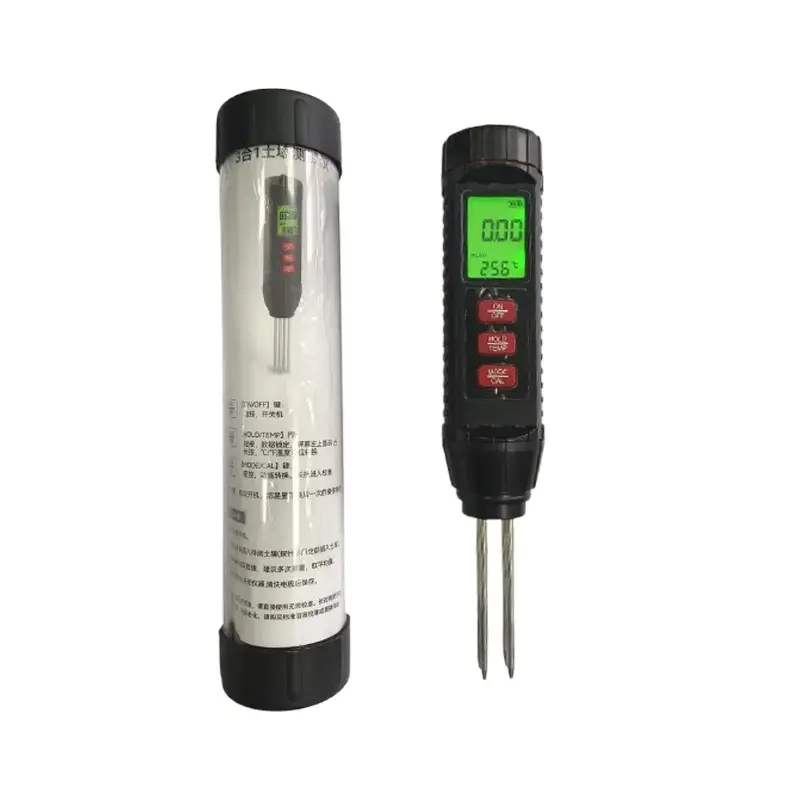
Successful greenhouse management depends on understanding your growing medium at every stage of the production cycle. A soil tester provides real-time data about pH levels, nutrient content, moisture, and temperature—critical factors that directly influence crop quality and yield. However, many greenhouse operators struggle with a fundamental question: how often should a soil tester actually be used? The answer is not one-size-fits-all, as testing frequency depends on crop type, growth stage, environmental conditions, and specific management goals. Understanding the optimal soil tester usage schedule helps optimize nutrient delivery, prevent deficiencies, reduce waste, and maintain consistent plant performance across your entire greenhouse operation.
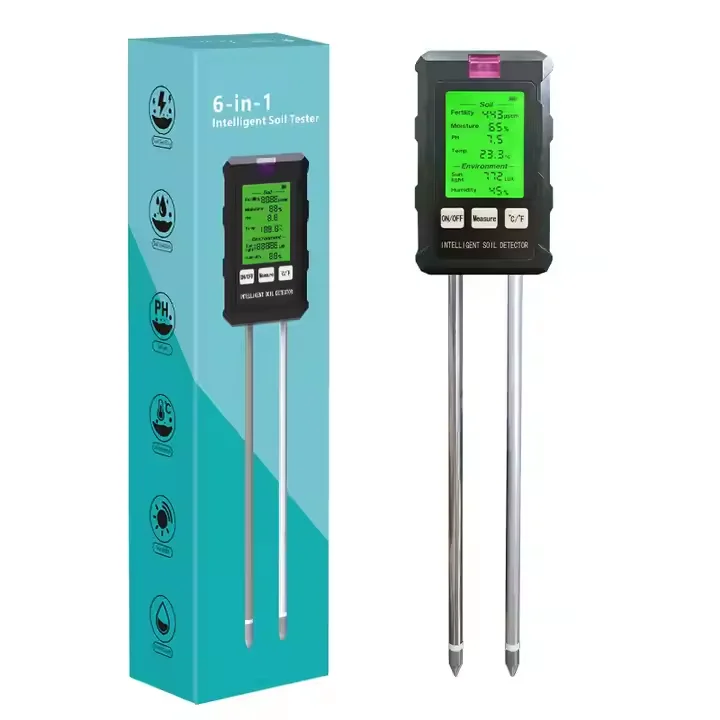
Greenhouse production differs fundamentally from field agriculture because every environmental variable is controlled and measurable. This controlled environment makes consistent soil tester monitoring even more valuable, as you can quickly detect and correct imbalances before they affect crop performance. Regular soil tester readings allow you to track changes in real time, adjust irrigation practices, modify fertilizer applications, and maintain the precise growing conditions that premium greenhouse crops demand. The frequency of soil tester use directly correlates with production success, resource efficiency, and profitability in commercial greenhouse operations.
Recommended Soil Tester Frequency During Different Growth Stages
Pre-Planting and Initial Establishment Phase
Before planting any crop, use a soil tester to establish a baseline reading of your growing medium. This initial soil tester assessment should include pH, electrical conductivity (EC), macro and micronutrient levels, moisture content, and temperature. For new growing beds or significantly amended media, conduct soil tester readings at least weekly during the first two to three weeks after planting. This frequent soil tester use during establishment helps identify any amendments needed to optimize the root environment and ensures young plants develop in ideal conditions. After plants are well-established, the soil tester frequency can transition to a standard maintenance schedule.
Active Vegetative and Reproductive Growth
Once plants enter their primary growth and flowering stages, use a soil tester biweekly under most conditions. This soil tester schedule maintains awareness of nutrient depletion rates, allows you to catch pH drift before it becomes problematic, and tracks moisture levels relative to irrigation scheduling. If you observe nutrient deficiency symptoms or pH stress, increase soil tester monitoring to weekly intervals until conditions stabilize. During reproductive phases when nutrient demand peaks, a soil tester becomes particularly valuable for monitoring phosphorus and potassium availability, which directly affect flowering, fruiting, and overall crop quality. Advanced growers often use a soil tester immediately after major irrigation events to assess how water quality and quantity affect growing medium chemistry.
Environmental and Operational Factors Affecting Soil Tester Use
Water Quality and Salinity Monitoring
If your water source contains high mineral content or fluctuating quality, use a soil tester more frequently to monitor EC and salt accumulation. Some greenhouse operations in regions with hard water or mineral-rich groundwater employ a soil tester weekly specifically to track electrical conductivity and prevent salinity stress. A soil tester reading helps quantify whether salt accumulation from water or fertilizer is reaching toxic levels, especially in recirculating irrigation systems where salt concentrations can rise quickly. When EC values from your soil tester start trending upward, implement leaching programs or adjust your water management strategy before plants show visible stress symptoms.
Seasonal and Climate Variations
Greenhouse temperature and humidity fluctuate seasonally, which affects how quickly soil tester readings change. During warm, dry seasons when evapotranspiration rates are high, use a soil tester more frequently to track moisture depletion and nutrient concentration changes. Winter months typically require less frequent soil tester monitoring because plant metabolism slows and nutrient uptake decreases. However, humid winter conditions can create disease pressure and root stress, making a soil tester useful for detecting moisture problems before they lead to fungal issues. Extreme seasons—heat waves or unusually cold periods—warrant increased soil tester frequency because plant physiology and growing medium chemistry become less predictable.
Strategic Soil Tester Implementation for Maximum Operational Value
Location-Based Soil Tester Sampling
Greenhouse beds often exhibit micro-variations in drainage, compaction, and growing medium composition. Rather than testing just one spot, develop a soil tester sampling protocol that covers multiple zones within your greenhouse—perimeter areas, center rows, well-drained sections, and areas prone to water pooling. Use a soil tester systematically across these zones on your regular testing schedule to identify whether management adjustments are needed greenhouse-wide or in specific problem areas. This spatial approach to soil tester use helps pinpoint irrigation dead zones, reveals substrate degradation patterns, and highlights areas where nutrient management needs adjustment. The insights from multi-point soil tester readings drive much more precise corrective decisions than single-spot testing.
Record-Keeping and Trend Analysis with Soil Tester Data
The true power of consistent soil tester use emerges when you maintain detailed records and track trends over weeks and months. Document soil tester readings with dates, crop stage, recent amendments, weather conditions, and any observable plant stress symptoms. Over time, your soil tester data reveals patterns—how quickly pH typically drifts, normal nutrient depletion rates for each crop, optimal moisture ranges for different growth phases, and seasonal patterns. This historical soil tester database becomes invaluable for forecasting when interventions will be needed, predicting nutrient deficiencies before symptoms appear, and optimizing your entire fertility and irrigation program. Growers who analyze soil tester trends outperform those who react only to immediate problems.
FAQ
Should I use a soil tester before each irrigation event?
Using a soil tester immediately before and after irrigation is not necessary for routine operations, but it is valuable when troubleshooting moisture or nutrient problems. For standard greenhouse management, a soil tester schedule of once or twice weekly during active growth, combined with daily moisture checks using your hands or a simple moisture meter, provides sufficient information for most crops. However, if you suspect irrigation timing problems, overwatering, or inconsistent water distribution, then a soil tester reading both before and after irrigation can reveal critical relationships between water application and growing medium conditions. This diagnostic approach helps optimize your entire irrigation system.
Can I use the same soil tester measurement spot every time?
Testing the exact same spot repeatedly risks missing important variations across your greenhouse beds. A better soil tester protocol rotates sampling locations within each bed or bench, taking readings from multiple depth zones (top 2 inches, then 4 to 6 inches down) to understand vertical gradients in your growing medium. This soil tester approach reveals whether stratification or uneven settling has created problem areas. If you do establish permanent soil tester sampling zones for consistency, test multiple points within that zone rather than inserting your soil tester probe in the identical spot each time, which can cause soil compaction and unreliable readings.
What happens if I skip soil tester monitoring for a month?
Skipping soil tester monitoring for extended periods leaves you blind to developing nutrient imbalances, pH drift, and salinity accumulation that can silently stress plants for weeks before symptoms become visible. A month without soil tester data means you might miss the ideal window for correcting problems, resulting in crop damage that your soil tester could have prevented if used consistently. Even one skipped soil tester reading breaks your trend analysis and makes it harder to diagnose problems when they do emerge. For professional greenhouse operations, consistent soil tester use is a non-negotiable part of crop management discipline that directly protects yield and quality.