EN
EN


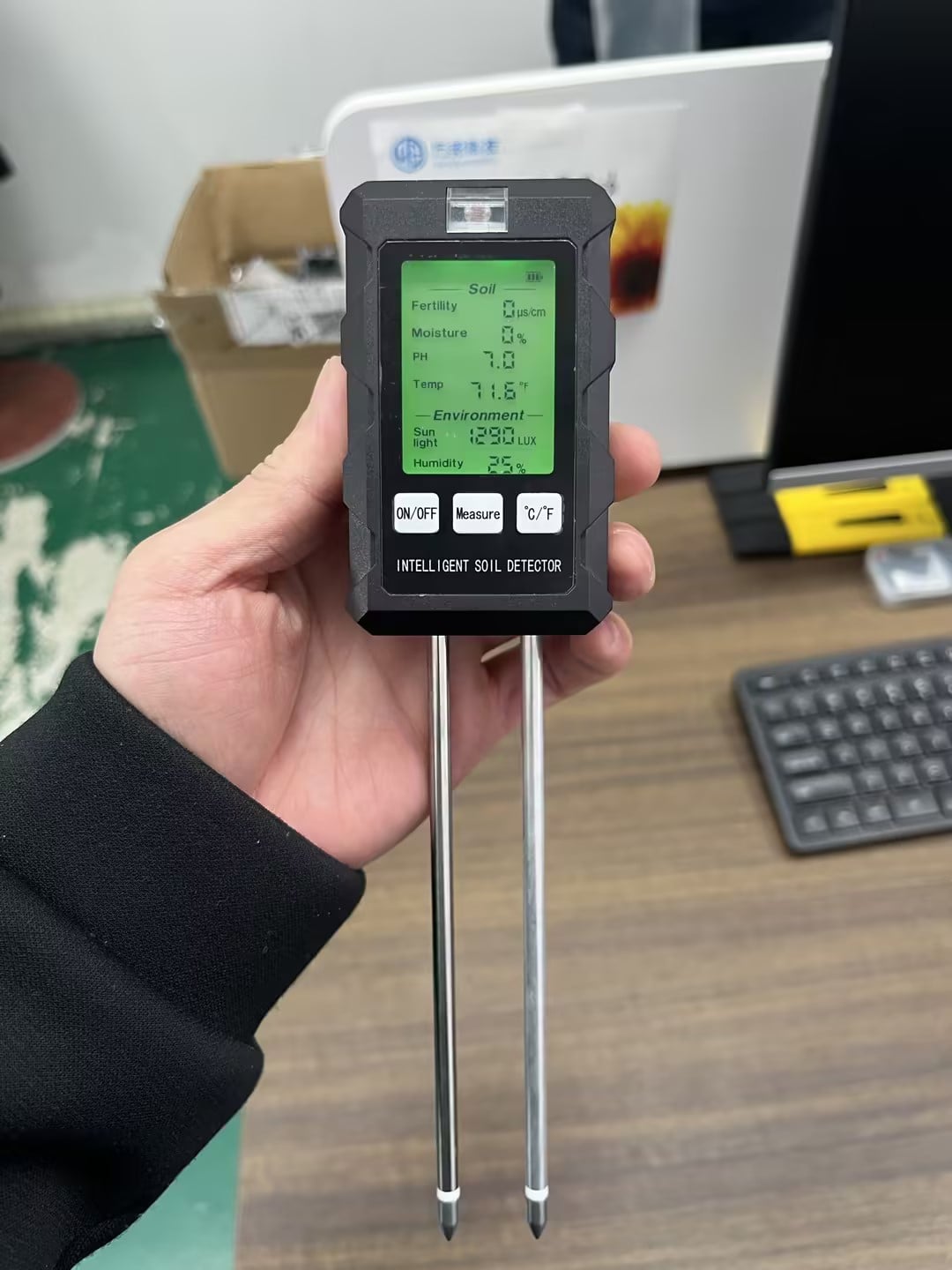
A soil tester is an invaluable tool for gardeners, farmers, and landscaping professionals who need to understand soil composition and conditions. However, before relying heavily on a soil tester for critical agricultural or environmental decisions, it is essential to recognize the inherent limitations that come with these devices. Understanding these constraints helps users make better decisions about soil management and prevents costly mistakes based on incomplete or inaccurate data. A soil tester can provide helpful guidance, but it should rarely be your only source of soil information.
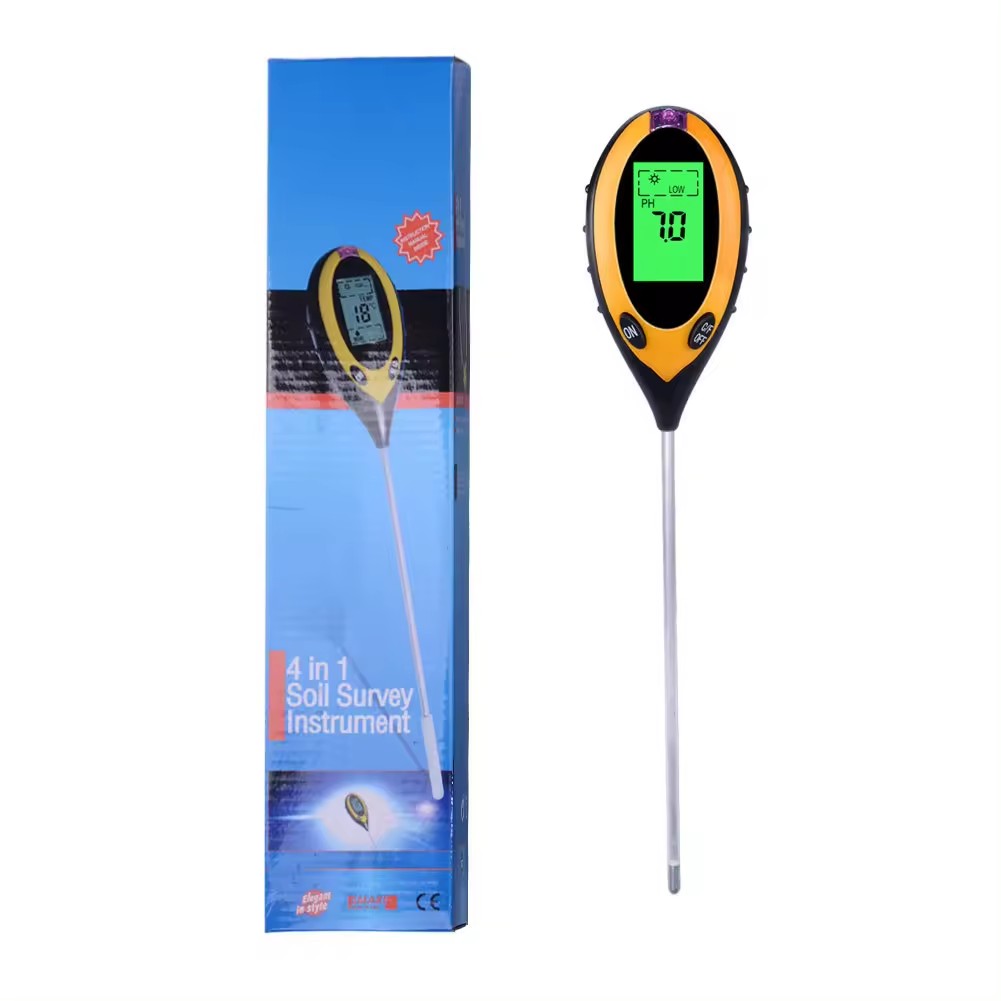
The market offers many types of soil tester devices, ranging from basic analog meters to advanced digital models. Each soil tester type has specific strengths and weaknesses that affect measurement reliability and suitability for different applications. While convenient and portable, a soil tester cannot replicate the comprehensive analysis provided by professional laboratory testing. Recognizing when a soil tester is adequate and when professional testing is necessary is crucial for effective soil management strategies.
Accuracy and Measurement Limitations of Soil Tester Devices
Precision Constraints in Soil Tester Technology
Most consumer-grade soil tester models operate within acceptable accuracy ranges for general gardening and landscaping purposes, but they rarely match the precision of laboratory-grade equipment. A soil tester typically has an error margin ranging from 5% to 15%, depending on the manufacturer and device quality. This means your soil tester reading for pH might show 7.0 when the actual value is closer to 6.5 or 7.5. For many household gardening projects, this margin is acceptable, but for commercial agricultural operations or environmental remediation work, such variance can lead to incorrect fertilization decisions.
Environmental Factors Affecting Soil Tester Readings
A soil tester's accuracy depends heavily on how you use it and the environmental conditions surrounding the measurement. Soil moisture content, temperature fluctuations, and organic matter composition all influence how your soil tester performs. If you use a soil tester immediately after watering, the moisture readings will be artificially high. Similarly, a soil tester used in very cold conditions may provide inaccurate readings because sensor sensitivity decreases at lower temperatures. The ambient light when using a soil tester with a light meter function can also introduce measurement errors if external light sources interfere with the sensor.
Calibration Requirements and Maintenance Challenges
Regular Calibration Needs for Soil Tester Accuracy
A soil tester requires periodic calibration to maintain accuracy over time, yet many users neglect this critical maintenance step. Calibration procedures vary depending on your soil tester model, but they typically involve using reference solutions or standards to ensure the device reads correctly. Without proper calibration, even a high-quality soil tester gradually drifts from accurate measurements. Professional laboratories calibrate their equipment regularly, sometimes monthly or quarterly, but consumer users often use a soil tester for years without any calibration. This lack of maintenance directly undermines the reliability of your soil tester and any conclusions you draw from its readings.
Sensor Degradation Over Time
Every soil tester contains sensors that degrade with repeated use and exposure to harsh soil conditions. The metal probes on a soil tester corrode when exposed to acidic soils, alkaline solutions, or high salt concentrations. Over time, a soil tester's sensor performance declines, making readings less dependable. Battery degradation in electronic soil tester models also affects measurement consistency. A soil tester that functioned accurately when new may produce questionable results after two or three years of field use without proper maintenance and recalibration.
Limitations in Measurement Scope and Soil Tester Capabilities
Limited Parameter Range of Soil Tester Devices
A typical soil tester measures only a few parameters, commonly pH, moisture, and light levels. However, comprehensive soil health requires understanding nutrient availability, soil texture, organic matter content, cation exchange capacity, and microbial activity. Your soil tester cannot measure nitrogen, phosphorus, potassium concentrations, or trace elements directly. A soil tester provides a narrow snapshot of soil conditions, not the complete picture. Professional soil analysis through laboratory testing examines dozens of soil properties that a basic soil tester cannot detect. For serious agricultural planning or environmental site assessment, relying solely on a soil tester is insufficient.
Spatial Variability and Sampling Limitations
Soil properties vary significantly across space, but most users take soil tester measurements from only one or two locations in their yard or field. A soil tester reading from one spot does not represent conditions ten meters away. Professional soil sampling protocols require multiple samples from different depths and locations to create an accurate map of soil variation. A single soil tester reading represents conditions at that exact moment and location only. You might use a soil tester in a sunny afternoon and get very different moisture readings compared to early morning measurements from the same spot. This spatial and temporal variability means a soil tester provides limited guidance for managing large or heterogeneous field areas.
FAQ
Can a soil tester completely replace professional soil testing?
No, a soil tester cannot fully replace professional laboratory testing for important agricultural, environmental, or construction decisions. While a soil tester is useful for general monitoring and quick assessments, laboratory analysis provides comprehensive nutrient profiles, detailed texture classification, contamination screening, and other critical data that a soil tester simply cannot deliver. For planning crop rotations, addressing persistent plant problems, or assessing property contamination, professional soil testing is necessary. A soil tester serves best as a supplementary tool for ongoing monitoring between professional tests.
How often should I calibrate my soil tester?
Calibration frequency for your soil tester depends on usage intensity and environmental conditions. If you use a soil tester frequently in harsh conditions or varied soil types, calibrate every 3 to 6 months. Light users might calibrate annually. Always calibrate a soil tester after storage periods or before important measurements. Consult your soil tester's manual for specific calibration procedures and recommended schedules. Proper calibration maintains accuracy and prevents accumulated measurement errors that compound over time.
What soil tester readings should I trust most?
Trust soil tester readings that show consistent patterns across multiple measurements and locations. If your soil tester consistently shows pH near 6.5 across several spots in your garden, that reading is more reliable than an isolated measurement. Soil tester moisture readings are generally more accurate than nutrient estimations because moisture sensors are simpler and more stable. However, always cross-reference important soil tester findings with visual observations and plant performance. A soil tester reading that contradicts obvious soil characteristics deserves skepticism and warrants professional verification before making major management decisions.