EN
EN


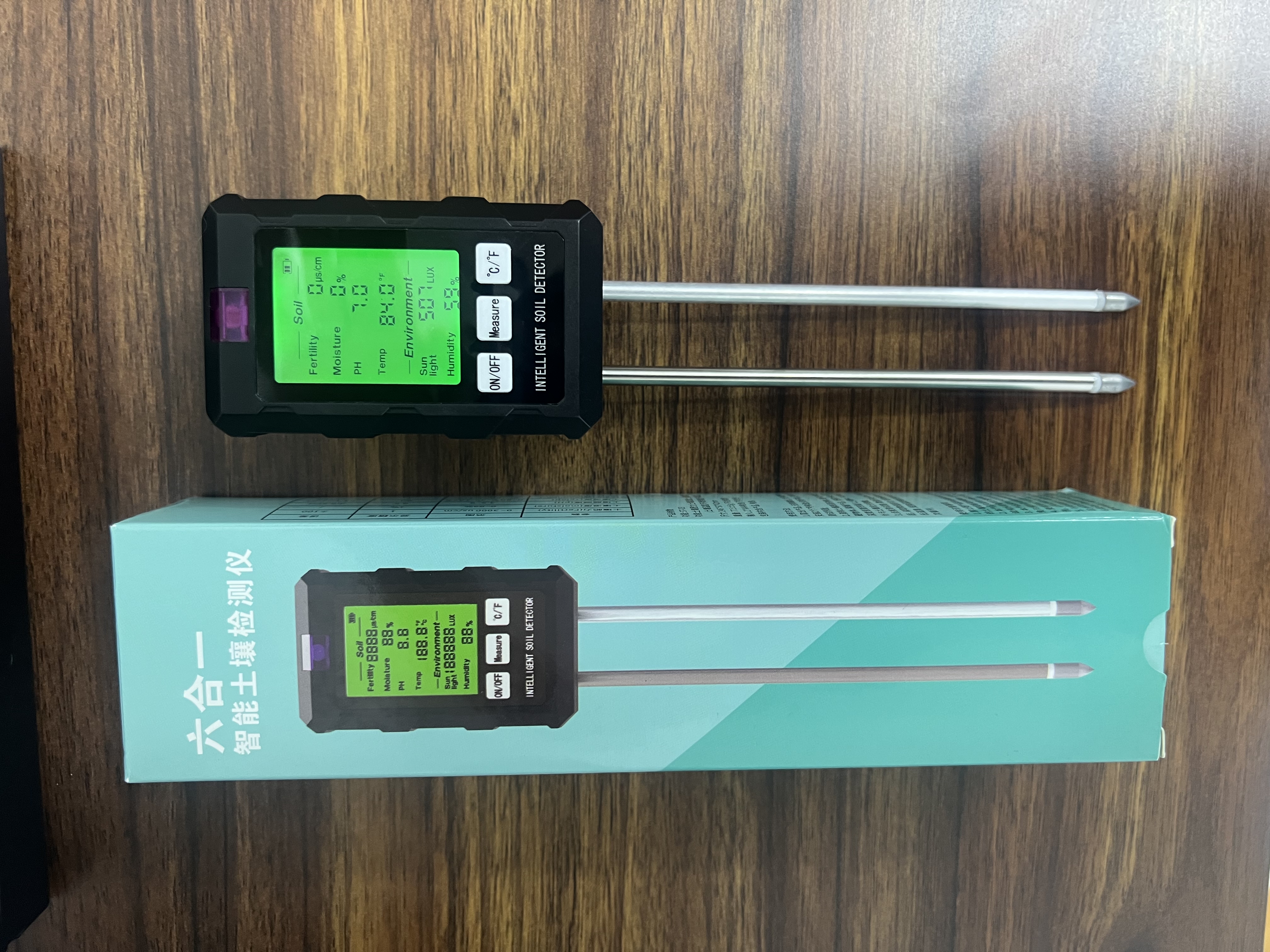
Precision agriculture demands accurate data about your soil conditions, and selecting the right soil tester is fundamental to making informed farming decisions. A comprehensive soil tester goes far beyond simple moisture readings—it captures multiple critical parameters that collectively define soil health and crop potential. Understanding what parameters your soil tester should cover is essential for maximizing yield, optimizing fertilizer application, and maintaining long-term soil productivity on your farm.
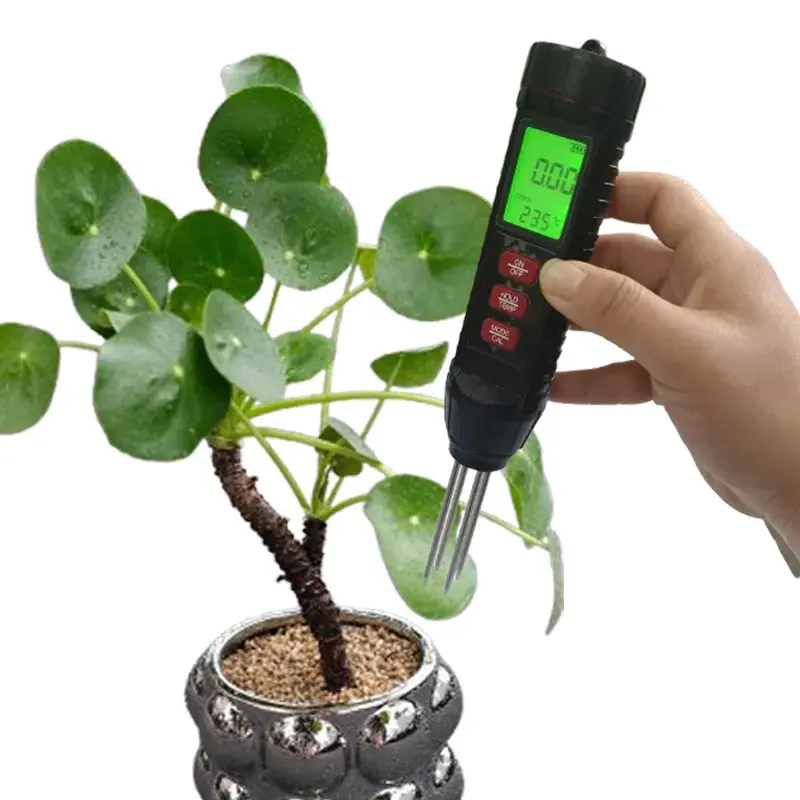
Modern farming operations recognize that a soil tester capable of measuring multiple soil parameters simultaneously saves time, reduces costs, and provides the comprehensive data needed for precision irrigation, nutrient management, and crop planning. Whether you manage field crops, horticultural operations, or specialty plantings, investing in a multi-parameter soil tester that aligns with your agricultural objectives ensures you have the intelligence needed to support sustainable productivity and profitability across your operation.
Core Soil Chemistry Parameters Every Soil Tester Must Include
pH Level Measurement for Nutrient Availability
Soil pH is arguably the most fundamental parameter a soil tester must measure because it directly controls nutrient availability and microbial activity in the soil. When a soil tester accurately reads pH between 4.0 and 9.0 on its scale, you understand whether your soil is acidic, neutral, or alkaline, which determines how effectively plants can access essential nutrients like phosphorus, potassium, and calcium. A quality soil tester provides pH readings to one decimal place, allowing you to make precise lime or sulfur amendments that bring your soil into the optimal range for your specific crops.
Many farmers rely on soil testers that measure pH in conjunction with conductivity readings because together these two parameters reveal both the soil's acid-base balance and its overall nutrient concentration. When your soil tester shows elevated pH with low conductivity, you may have a nutrient-poor alkaline soil requiring targeted amendment strategies different from what high pH with high conductivity would suggest.
Electrical Conductivity and Nutrient Density Assessment
Electrical conductivity (EC) is a critical parameter that a quality soil tester measures to estimate the total dissolved salts and nutrient concentration in your soil. This parameter becomes particularly important when managing intensively cultivated fields or when addressing salinity issues that can severely limit crop productivity. A soil tester displaying EC values helps you identify whether your soil has sufficient nutrient reserves to support the crop you plan to grow, or whether additional fertilization or amendments are necessary before planting.
Professional soil testers measure EC in millisiemens per centimeter (mS/cm) or decisiemens per meter (dS/m), and this parameter guides critical decisions about irrigation water quality, salt leaching requirements, and fertilizer application rates. When your soil tester reveals that EC is below optimal levels, you know remedial nutrient additions will be necessary; conversely, excessively high EC readings warn of potential salt accumulation that could damage sensitive crops.
Physical Properties Your Soil Tester Must Measure for Optimal Growth
Soil Moisture Content for Precise Irrigation Management
Soil moisture is the parameter that a soil tester must measure consistently and accurately to guide irrigation decisions that directly impact water conservation, energy costs, and crop stress prevention. Modern soil testers use capacitive or TDR (time domain reflectometry) sensors that measure volumetric water content as a percentage, allowing you to determine whether your soil is at field capacity, wilting point, or somewhere in the plant-available water range. When your soil tester indicates moisture levels below the optimal range for your crop stage, you know irrigation is needed; readings above the optimal range signal waterlogging risks that can trigger root disease and anaerobic soil conditions.
A professional soil tester that tracks soil moisture patterns across different field zones reveals spatial variability that allows variable-rate irrigation scheduling tailored to actual soil conditions rather than calendar-based watering routines. This precision moisture measurement capability transforms your soil tester from a diagnostic tool into a dynamic resource optimization instrument that delivers substantial water savings and yield improvements.
Temperature Monitoring for Crop Stage Alignment
Soil temperature is a parameter that a sophisticated soil tester must measure because it governs seed germination rates, nutrient uptake efficiency, and microbial decomposition activity that affects nutrient cycling. When your soil tester shows soil temperatures below 50°F (10°C), cool-season crops may germinate slowly while warm-season crops remain dormant; conversely, soil temperatures above 75°F (24°C) accelerate microbial activity and nutrient release but may stress cool-season plantings. Recording soil temperature data throughout the growing season using your soil tester helps you time nutrient applications, pesticide treatments, and planting decisions to periods when soil conditions maximize biological activity and crop uptake efficiency.
Progressive soil testers include digital thermometers that display soil temperature simultaneously with moisture and pH readings, eliminating the need for separate instruments and reducing the time required for comprehensive field assessment. This integrated temperature measurement capability ensures your soil tester captures the complete thermal context of your soil profile, which becomes especially valuable in spring planting decisions and fall crop residue management timing.
Advanced Diagnostic Parameters Modern Soil Testers Should Provide
Photosynthetic Light Measurement for Above-Ground Crop Performance
While soil tester focus naturally centers on underground conditions, progressive soil testers now include light sensors that measure available photosynthetically active radiation (PAR) reaching your field. This parameter connects soil conditions to the above-ground environment because even perfectly managed soil cannot overcome inadequate light availability for photosynthesis. A soil tester equipped with light measurement capability allows you to assess whether canopy closure, tree shade, or equipment-induced compaction is limiting light penetration, helping you make pruning, spacing, or cultivation decisions that optimize the light environment your plants receive.
Environmental Humidity Assessment for Disease Risk Prevention
A comprehensive soil tester should also measure ambient humidity levels because relative humidity directly influences fungal disease pressure, particularly for foliar pathogens that require high moisture for spore germination and infection. When your soil tester includes humidity measurement, you can monitor environmental conditions that favor diseases like powdery mildew, leaf spot, and downy mildew, allowing you to time fungicide applications strategically rather than applying them on a fixed calendar schedule. This environmental monitoring capability transforms your soil tester into a multi-dimensional field diagnostic instrument that synthesizes soil chemistry, soil physics, and atmospheric conditions into one comprehensive data stream.
Soil testers that integrate humidity sensors alongside soil parameters enable you to correlate high soil moisture with high ambient humidity, which often signals the conditions favoring disease development. This dual awareness positions your soil tester as an essential tool for integrated pest management that reduces unnecessary fungicide applications while maintaining superior disease control through targeted, condition-based spray decisions.
FAQ
What is the most important parameter a soil tester should measure?
pH measurement is the most fundamental parameter a soil tester should measure because soil pH controls nutrient availability, microbial activity, and ultimately determines how effectively plants can access essential nutrients regardless of how much fertilizer you apply. Without accurate pH readings from your soil tester, all other measurements become less actionable because nutrient availability is fundamentally constrained by the soil's acid-base chemistry.
How often should you use a soil tester to monitor your fields?
A soil tester should be used at minimum before each growing season to establish baseline conditions and guide initial fertilizer and lime applications. During the growing season, using your soil tester at critical crop stages—particularly during rapid nutrient uptake periods—allows you to adjust midseason fertility and irrigation strategies based on actual soil conditions rather than assumptions, supporting responsive management that optimizes yields.
Can a single soil tester provide all the data needed for precision agriculture?
A multi-parameter soil tester measuring pH, moisture, temperature, electrical conductivity, and ideally light and humidity provides comprehensive field-level data that supports most precision agriculture decisions for crop production. However, detailed soil fertility recommendations for specific nutrients like nitrogen, phosphorus, and potassium typically require laboratory soil testing in addition to field measurements from your soil tester, combining real-time field data with laboratory precision for optimal management decisions.