EN
EN


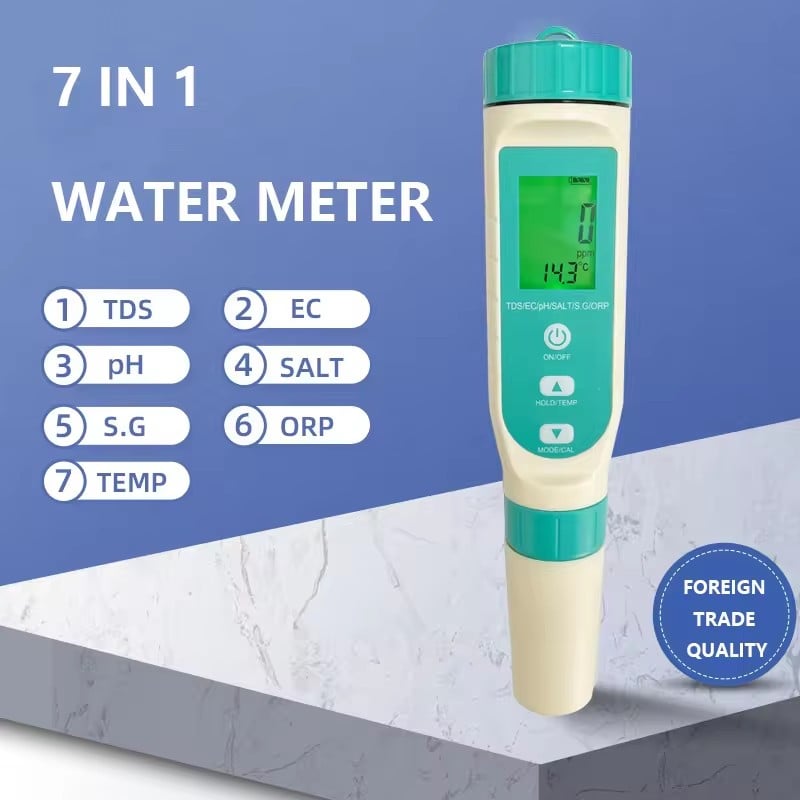
A salinity meter is one of the most reliable tools for measuring salt concentration in water, and its effectiveness stems from a fundamental principle: electrical conductivity. Understanding how conductivity-based measurement works inside a salinity meter is essential for anyone working in water quality testing, aquaculture, laboratory analysis, or industrial processes. The salinity meter operates by detecting the movement of electrical ions through water, which directly correlates to the amount of dissolved salts present. This measurement method has become the industry standard because it offers accuracy, speed, and repeatability that manual chemical tests cannot match.
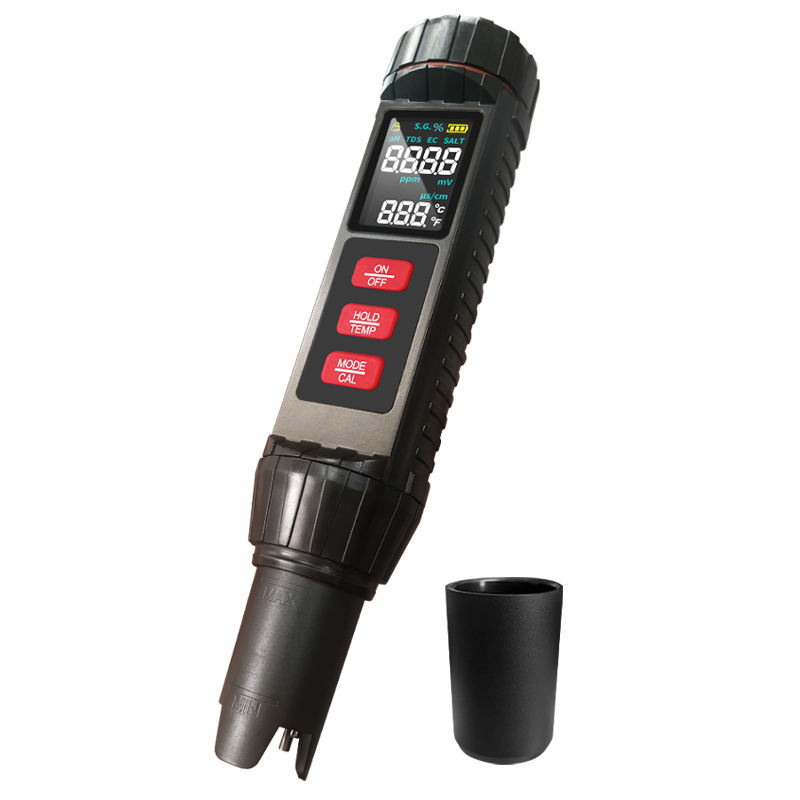
The salinity meter has evolved from laboratory instruments into portable, affordable devices that deliver real-time results in the field. Whether you are monitoring aquarium conditions, testing irrigation water quality, or ensuring compliance in food processing facilities, a salinity meter provides instant data without complex preparation or extended wait times. The underlying technology—conductivity-based measurement—remains consistent across all quality salinity meter designs, making it critical to understand how this principle translates salt content into readable values on your display.
How Conductivity Detection Functions in a Salinity Meter
The Role of Electrical Conductivity in Salt Detection
A salinity meter measures dissolved salts by exploiting the electrical properties of ions in water. Pure distilled water conducts electricity very poorly because it lacks mobile ions. When salt dissolves in water, it breaks into positively charged sodium ions and negatively charged chloride ions. These ions are highly conductive and move freely through the water in response to an electrical field. A salinity meter applies a specific voltage across two electrodes submerged in the water sample. The instrument then measures the resistance to this electrical current. Higher salt concentrations mean more ions are present, leading to lower resistance and higher electrical conductivity.
Sensor Design and Electrode Configuration
The electrode design in a salinity meter directly determines measurement accuracy and response time. Most modern salinity meter models feature two primary electrodes separated by a known distance. An alternating current is applied to one electrode while the other detects the resulting signal. This alternating current approach in a salinity meter prevents electrode degradation and polarization that direct current would cause. The salinity meter cell constant—a calibration factor based on electrode size and spacing—converts the raw conductivity reading into absolute conductivity units. Premium salinity meter devices often include multiple electrode pairs or graphite electrodes to minimize electrode fouling and extend instrument lifespan. The quality of electrode materials in your salinity meter directly affects long-term stability and measurement consistency.
Converting Conductivity to Salinity Values
The Relationship Between Conductivity and Salt Content
A salinity meter does not directly measure salt mass; instead, it infers salinity from electrical conductivity. The relationship between conductivity and salt concentration is generally linear at moderate salinity levels, which is why a salinity meter can deliver reliable estimates. However, a salinity meter must account for temperature effects because conductivity changes significantly with temperature. Most salinity meter instruments include built-in temperature sensors and automatic temperature compensation to ensure consistent readings across varying environmental conditions. Without compensation, the same water sample would show different conductivity values at 20°C versus 25°C, making a salinity meter reading misleading.
Calibration and Reference Standards
Every salinity meter requires periodic calibration to maintain accuracy over time. Calibration involves testing the salinity meter against known reference solutions with predetermined conductivity values. A typical salinity meter calibration uses standard solutions at 1413 µS/cm and sometimes a second point at higher conductivity. The salinity meter's microprocessor then creates a calibration curve that adjusts all subsequent measurements. Environmental factors like electrode coating buildup or electrolyte depletion degrade performance, so regular recalibration of your salinity meter is necessary. High-quality salinity meter models include data logging and validation features that alert users when recalibration is overdue, preventing unreliable results.
Practical Applications and Measurement Accuracy
Industry-Specific Use Cases for Salinity Meter Testing
A salinity meter serves diverse applications where salt content monitoring is critical. In aquaculture operations, a salinity meter maintains optimal salt levels for fish and shrimp health. Hydroponics facilities use a salinity meter to prevent nutrient imbalances and salt accumulation in growing media. Food processing plants rely on a salinity meter to control brine concentrations and ensure product quality. Wastewater treatment facilities employ a salinity meter to monitor salt discharge into environmental systems. Marine research institutions depend on a salinity meter for oceanographic studies and coastal water analysis. Each application demands different accuracy levels, response times, and durability characteristics from a salinity meter, influencing device selection.
Factors Affecting Salinity Meter Performance
Temperature fluctuations remain the primary challenge affecting a salinity meter's accuracy. Most salinity meter instruments automatically compensate for temperature between 0°C and 50°C, but extreme temperatures can degrade performance. Electrode contamination is another critical factor; deposits of algae, minerals, or biofilm on the salinity meter electrodes reduce conductivity detection precision. High turbidity or suspended solids do not directly interfere with conductivity measurement, but they can lodge on electrodes and affect results. Battery condition impacts digital salinity meter stability and calibration accuracy. Operator technique—ensuring proper electrode immersion depth and allowing sufficient contact time—influences every salinity meter reading. Understanding these factors helps users maximize the reliable performance of their salinity meter investment.
FAQ
What is the difference between a salinity meter and a TDS meter?
Both devices measure electrical conductivity, but a salinity meter specifically converts conductivity into parts per thousand of salt, while a TDS meter displays total dissolved solids in milligrams per liter. A salinity meter uses salt-specific conversion factors, whereas a TDS meter applies a generic conversion constant. For seawater and salt solutions, a salinity meter provides more accurate values than a TDS meter because the salt-specific calibration accounts for sodium chloride conductivity properties.
How often should I calibrate my salinity meter?
A salinity meter should be calibrated before critical measurements and at least once per month during regular use. If a salinity meter is used daily in harsh environments or for demanding applications, weekly calibration is advisable. Always calibrate a salinity meter after replacing batteries, experiencing a physical impact, or if readings seem inconsistent. High-quality salinity meter models notify users when calibration drift occurs, ensuring you maintain measurement trust throughout the instrument's lifespan.
Can a salinity meter work in freshwater and saltwater?
Yes, a salinity meter functions in both freshwater and saltwater environments. A salinity meter's conductivity-based approach detects any dissolved ions, whether from salt or other minerals. However, a salinity meter designed for marine use requires different calibration standards than one intended for brackish or agricultural applications. Always verify that your salinity meter's calibration range and temperature compensation match your intended measurement environment for optimal accuracy.