EN
EN


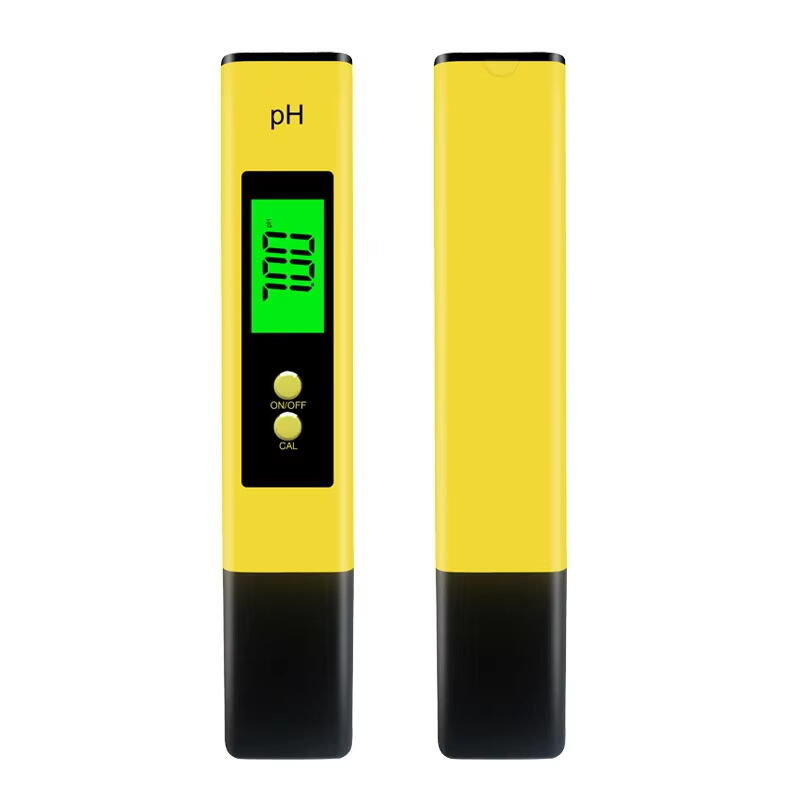
A soil moisture meter serves as an essential tool for gardeners who want to maintain optimal growing conditions for their plants. This specialized device provides precise measurements of water content in soil, helping you understand when and how much to water your garden. Unlike guesswork or the traditional finger-in-soil method, a soil moisture meter delivers accurate, real-time data that can transform your gardening success. Understanding what this instrument measures and how it functions will enable you to make informed irrigation decisions that promote healthier plant growth and conserve water resources.
Understanding Soil Moisture Measurement Fundamentals
The Science Behind Moisture Detection
A soil moisture meter operates by measuring the electrical conductivity or resistance between its metal probes when inserted into soil. Water conducts electricity more readily than dry soil particles, so the device calculates moisture levels based on how easily electrical current flows through the soil sample. This scientific principle allows the meter to provide numerical readings that correspond to specific moisture percentages or descriptive levels like dry, moist, or wet. Modern devices often display readings on digital screens or analog gauges, making interpretation straightforward for gardeners of all experience levels.
The measurement process involves inserting the probes approximately two to four inches into the soil near plant root zones. Within seconds, the soil moisture meter generates readings that reflect the water content in the immediate vicinity of the probes. This localized measurement approach ensures you receive accurate data for specific areas of your garden rather than general estimates. Different soil types, compositions, and temperatures can influence readings, which is why understanding your garden's unique characteristics enhances measurement accuracy.
Types of Moisture Measurement Technologies
Several technological approaches exist for measuring soil moisture, each with distinct advantages for different gardening applications. Capacitance-based meters measure the dielectric constant of soil, which changes with moisture content, providing highly accurate readings across various soil types. Resistance-based models measure electrical resistance between probes, offering reliable performance for most home gardening situations. Time domain reflectometry represents advanced technology that sends electromagnetic pulses through soil to determine moisture levels with exceptional precision.
Tensiometer-style devices measure soil water tension, indicating how tightly water molecules bind to soil particles and how easily plants can extract moisture. This measurement type provides valuable insights into plant-available water rather than total moisture content. Understanding these different technologies helps gardeners select the most appropriate soil moisture meter for their specific needs, whether they require basic moisture detection or comprehensive soil analysis capabilities.
What Your Soil Moisture Meter Actually Measures
Volumetric Water Content Readings
The primary measurement provided by most soil moisture meters is volumetric water content, expressed as a percentage representing the ratio of water volume to total soil volume. For example, a reading of twenty percent indicates that water occupies twenty percent of the total soil space, while the remaining eighty percent consists of air pockets and solid particles. This measurement helps gardeners understand exactly how much moisture exists in their soil at any given time, enabling precise irrigation scheduling and preventing both overwatering and underwatering conditions.
Different plants require varying moisture levels for optimal growth, and understanding these numerical ranges becomes crucial for successful gardening. Most vegetables thrive with soil moisture levels between forty and sixty percent, while established trees and shrubs often prefer slightly drier conditions. Succulents and drought-tolerant plants typically require moisture levels below thirty percent to prevent root rot and other moisture-related problems. Your soil moisture meter provides the precise data needed to maintain these optimal ranges consistently.
Soil Water Availability Assessment
Beyond measuring total moisture content, advanced meters can indicate plant-available water, which represents moisture that plants can actually absorb and utilize. Not all water in soil is accessible to plant roots, as some remains tightly bound to soil particles or exists in spaces too small for root penetration. A quality soil moisture meter helps distinguish between total moisture and usable moisture, providing more actionable information for irrigation decisions.
This distinction proves particularly important in clay soils, which may retain high moisture levels while still causing plant stress due to poor water availability. Sandy soils present the opposite challenge, draining quickly and requiring more frequent watering despite lower total moisture retention. Understanding these soil-specific characteristics through accurate moisture measurement enables gardeners to develop targeted watering strategies that account for both soil type and plant requirements.
Interpreting Moisture Meter Readings for Garden Success
Reading Scale Interpretation
Most soil moisture meters display readings using numerical scales, color-coded indicators, or descriptive terms that help gardeners quickly assess soil conditions. Digital models typically show percentage readings from zero to one hundred percent, where zero represents completely dry soil and one hundred indicates water saturation. Analog meters often use color-coded zones with red indicating dry conditions, yellow representing moderate moisture, and green showing optimal levels. Understanding these scale interpretations ensures you can make immediate decisions about watering needs.
Some advanced devices provide multiple measurement ranges optimized for different plant types or growing conditions. Indoor houseplants might require different moisture thresholds than outdoor vegetable gardens, and specialized settings accommodate these variations. Learning to correlate meter readings with actual plant performance in your specific garden environment helps you develop intuitive understanding of optimal moisture ranges for different areas and seasons.
Seasonal and Environmental Factors
Soil moisture meter readings can fluctuate based on seasonal changes, weather patterns, and environmental conditions that affect both soil composition and measurement accuracy. Temperature extremes may influence probe conductivity and electronic functions, while seasonal soil freezing can temporarily prevent accurate readings. Understanding these environmental factors helps gardeners interpret measurements correctly and adjust their irrigation practices accordingly throughout the growing season.
Rainfall patterns, humidity levels, and evaporation rates all impact how quickly soil moisture levels change after watering or precipitation events. Regular monitoring with a soil moisture meter reveals these patterns and helps you develop predictive watering schedules that account for weather forecasts and seasonal variations. This proactive approach prevents plant stress and optimizes water usage efficiency across different growing conditions.
Practical Applications in Garden Management
Irrigation Timing Optimization
Using a soil moisture meter for irrigation timing transforms guesswork into precision, ensuring plants receive water exactly when needed. Regular measurements throughout your garden reveal moisture depletion patterns that vary based on plant size, soil type, sun exposure, and weather conditions. This data-driven approach prevents the common gardening mistake of watering on predetermined schedules regardless of actual soil conditions, which often leads to overwatering or drought stress.
Strategic measurement timing enhances irrigation effectiveness, with early morning readings providing the most accurate baseline data before daily evaporation begins. Evening measurements reveal how much moisture plants consumed during daylight hours, helping you understand water uptake patterns for different species. These insights enable you to develop customized watering schedules that match each garden area's specific needs while minimizing water waste and promoting optimal plant health.
Plant Health Monitoring
Soil moisture meters serve as early warning systems for plant health issues related to water stress, enabling intervention before visible symptoms appear. Sudden changes in moisture retention patterns may indicate root problems, soil compaction, or drainage issues that require attention. Regular monitoring helps identify these problems early, when corrective measures are most effective and least disruptive to plant growth.
Different plant species exhibit unique moisture preferences that become apparent through consistent measurement and observation. Establishing moisture profiles for various plants in your garden creates a valuable reference database for future growing seasons. This accumulated knowledge improves your gardening expertise and helps you select appropriate plants for different soil moisture zones within your landscape.
Advanced Features and Multi-Parameter Measurements
Integrated Environmental Sensors
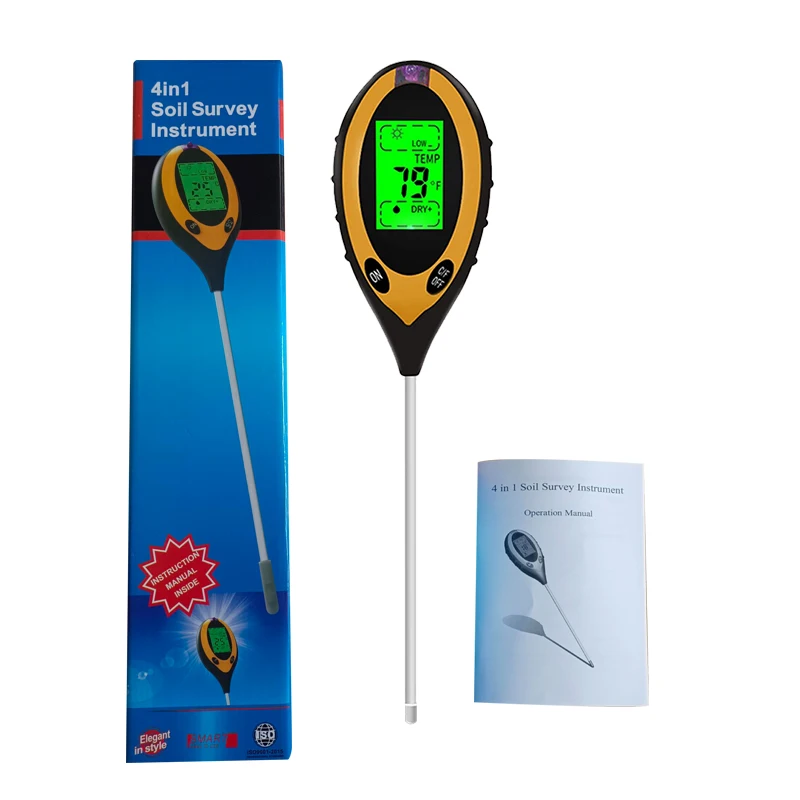
Modern soil moisture meters often incorporate additional sensors that measure related environmental parameters affecting plant growth and soil conditions. Temperature sensors provide soil temperature readings that influence root activity, nutrient uptake, and microbial processes essential for healthy soil ecosystems. pH measurement capabilities help gardeners understand soil acidity levels that affect nutrient availability and plant health, creating comprehensive soil analysis tools.
Light sensors included in advanced models measure ambient light levels that influence photosynthesis rates and water requirements for different plants. These multi-parameter devices provide holistic environmental monitoring that helps gardeners understand complex interactions between moisture, temperature, pH, and light conditions. This comprehensive approach enables more sophisticated garden management strategies that optimize multiple growing factors simultaneously.
Data Logging and Trend Analysis
Some sophisticated soil moisture meters include data logging capabilities that record measurements over time, enabling trend analysis and pattern recognition for long-term garden optimization. These features help identify seasonal moisture patterns, irrigation effectiveness, and soil condition changes that might not be apparent from individual readings. Historical data comparison reveals how different weather patterns, watering techniques, and soil amendments affect moisture retention characteristics.
Connectivity features in modern devices allow data transfer to smartphones or computers for detailed analysis and record keeping. This technology integration supports precision gardening approaches that rely on data-driven decision making and continuous improvement of growing practices. Advanced gardeners can use this information to optimize irrigation systems, evaluate soil improvement efforts, and document successful growing strategies for future reference.
Selecting and Using Your Soil Moisture Meter Effectively
Device Selection Criteria
Choosing the right soil moisture meter depends on your specific gardening needs, budget considerations, and desired level of measurement precision. Basic analog models provide reliable moisture readings for general gardening applications at affordable prices, while digital devices offer enhanced accuracy and additional features for more demanding applications. Consider factors such as probe length for deep-rooted plants, display readability in various lighting conditions, and battery life for extended use.
Durability and weather resistance become important considerations for outdoor use, especially in challenging climates or commercial applications. Probe quality affects both measurement accuracy and device longevity, with stainless steel probes offering superior performance and corrosion resistance compared to basic metal alternatives. Professional-grade meters justify higher costs through enhanced accuracy, reliability, and additional features that support advanced gardening practices.
Proper Measurement Techniques
Accurate soil moisture meter readings require proper insertion techniques and measurement location selection to ensure representative data collection. Insert probes vertically into soil at consistent depths, typically two to four inches, avoiding contact with roots, rocks, or other obstacles that might affect readings. Clean probes between measurements to prevent soil contamination and ensure accurate readings across different garden areas.
Take multiple measurements in each garden area to account for soil variation and moisture distribution patterns that may not be uniform throughout the root zone. Average these readings for more reliable irrigation decisions, especially in areas with varying soil composition or drainage characteristics. Regular calibration and maintenance ensure continued accuracy and extend device lifespan, making your soil moisture meter a valuable long-term gardening investment.
FAQ
How often should I use my soil moisture meter to check garden conditions?
The frequency of soil moisture meter usage depends on your garden's specific conditions, plant types, and seasonal factors. During active growing seasons, checking moisture levels every two to three days provides sufficient monitoring for most gardens. However, newly planted areas, container gardens, or drought-sensitive plants may benefit from daily measurements. In winter or dormant periods, weekly checks are usually adequate unless unusual weather conditions occur.
Can soil moisture meters work accurately in different soil types like clay or sand?
Yes, soil moisture meters can work effectively in various soil types, though readings may require different interpretation approaches. Clay soils typically show higher moisture retention and slower drainage, while sandy soils drain quickly and require more frequent watering. Some advanced meters include soil type calibration settings that adjust readings based on specific soil characteristics. Understanding your soil composition helps you interpret measurements more accurately regardless of the meter type used.
What moisture level readings indicate optimal conditions for most garden plants?
Most garden vegetables and annual flowers thrive with soil moisture levels between 40-60% as measured by standard soil moisture meters. Established perennials and shrubs often prefer slightly drier conditions around 30-50%, while moisture-loving plants may require levels above 60%. Succulents and drought-tolerant plants typically need moisture levels below 30% to prevent root problems. These ranges serve as general guidelines, with specific plant requirements varying based on species and growing conditions.
Do soil moisture meters require special maintenance or calibration procedures?
Basic soil moisture meters require minimal maintenance, primarily involving probe cleaning after each use and proper storage in dry conditions. Remove soil debris from probes using soft brushes or cloths, avoiding harsh chemicals that might damage sensitive components. Advanced digital models may include calibration procedures outlined in user manuals, typically involving measurements in known moisture standards. Replace batteries regularly and store devices at moderate temperatures to ensure continued accuracy and reliability.
Table of Contents
- Understanding Soil Moisture Measurement Fundamentals
- What Your Soil Moisture Meter Actually Measures
- Interpreting Moisture Meter Readings for Garden Success
- Practical Applications in Garden Management
- Advanced Features and Multi-Parameter Measurements
- Selecting and Using Your Soil Moisture Meter Effectively
-
FAQ
- How often should I use my soil moisture meter to check garden conditions?
- Can soil moisture meters work accurately in different soil types like clay or sand?
- What moisture level readings indicate optimal conditions for most garden plants?
- Do soil moisture meters require special maintenance or calibration procedures?