EN
EN



Water quality testing has become increasingly important across various industries and applications, from swimming pools to agricultural systems. A ph tester serves as a fundamental instrument for measuring the acidity or alkalinity levels in water, providing critical data that determines safety, efficiency, and compliance with regulatory standards. Understanding how these devices function and their role in maintaining optimal water conditions is essential for professionals working in water treatment, pool maintenance, hydroponics, and environmental monitoring.
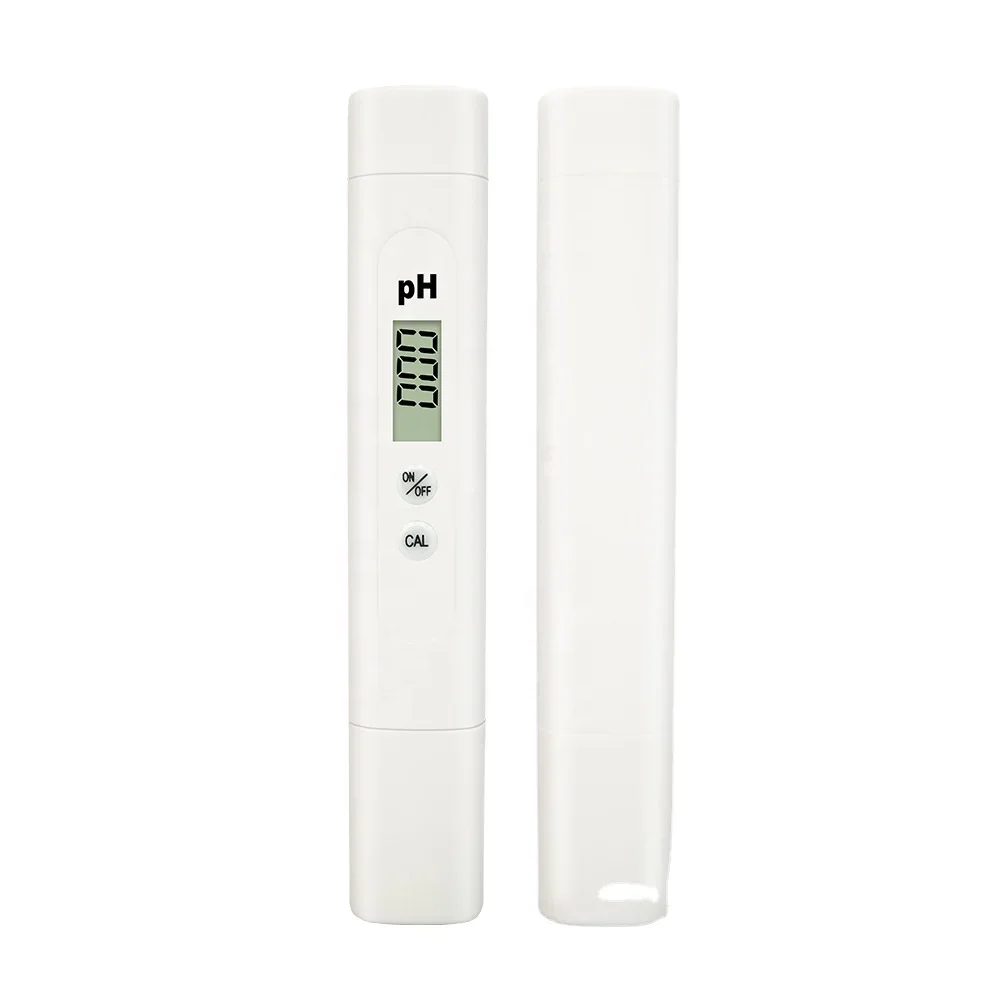
The pH scale ranges from 0 to 14, with 7 representing neutral conditions. Values below 7 indicate acidic conditions, while values above 7 represent alkaline or basic conditions. A reliable ph tester provides accurate measurements within this range, enabling users to make informed decisions about water treatment processes, chemical adjustments, and system maintenance protocols.
Understanding pH Testing Fundamentals
The Science Behind pH Measurement
pH measurement relies on the concentration of hydrogen ions present in a solution. When a ph tester is immersed in water, it detects these ion concentrations and converts them into readable digital or analog values. Modern digital pH testers utilize electrochemical sensors that generate voltage signals proportional to the hydrogen ion activity in the tested solution.
The accuracy of pH measurements depends on proper calibration and maintenance of the testing equipment. Professional-grade ph tester devices typically feature automatic temperature compensation to account for thermal variations that can affect reading accuracy. This ensures consistent results across different environmental conditions and seasonal temperature fluctuations.
Types of pH Testing Technologies
Several technologies are employed in ph tester design, each offering distinct advantages for specific applications. Glass electrode systems remain the gold standard for laboratory applications, providing exceptional accuracy and stability over extended periods. These systems incorporate reference electrodes that maintain consistent potential differences during measurement processes.
Solid-state sensors represent another category of ph tester technology, utilizing ion-selective field-effect transistors or similar semiconductor components. These devices offer enhanced durability and reduced maintenance requirements compared to traditional glass electrodes, making them suitable for harsh industrial environments or continuous monitoring applications.
Applications in Water Quality Management
Swimming Pool and Spa Maintenance
Pool operators rely heavily on ph tester measurements to maintain safe swimming conditions and protect equipment from corrosion or scaling. Optimal pH levels for swimming pools typically range between 7.2 and 7.6, ensuring effective sanitizer performance while maintaining user comfort. Regular testing with a calibrated ph tester helps prevent skin and eye irritation caused by improper chemical balance.
The relationship between pH and chlorine effectiveness is particularly critical in pool management. When pH levels exceed 7.8, chlorine sanitizing efficiency decreases significantly, requiring higher chemical doses to maintain adequate disinfection. A quality ph tester enables operators to detect these conditions early and implement corrective measures before water quality deteriorates.
Industrial Water Treatment Systems
Industrial facilities utilize ph tester equipment for monitoring cooling tower water, boiler feedwater, and wastewater treatment processes. Maintaining proper pH levels in cooling systems prevents corrosion of heat exchangers and piping while controlling scale formation on heat transfer surfaces. Regular monitoring with professional-grade ph tester devices helps optimize chemical treatment programs and extend equipment lifespan.
Wastewater treatment plants depend on accurate pH measurements to ensure compliance with discharge regulations and optimize biological treatment processes. The ph tester serves as a critical control parameter for neutralization processes, helping facilities avoid regulatory violations and environmental impact issues.
Technical Specifications and Features
Accuracy and Precision Requirements
Professional ph tester instruments typically offer accuracy levels of ±0.01 pH units or better, depending on the specific model and application requirements. This level of precision is essential for applications where small pH variations can significantly impact process efficiency or regulatory compliance. Resolution specifications determine the smallest measurable change in pH that the device can detect and display.
Temperature compensation capabilities are crucial for maintaining measurement accuracy across varying environmental conditions. Advanced ph tester models incorporate automatic temperature compensation algorithms that adjust readings based on real-time temperature measurements. This feature becomes particularly important in outdoor applications or processes involving heated water systems.
Calibration and Maintenance Protocols
Regular calibration ensures that a ph tester continues to provide accurate and reliable measurements over its operational lifespan. Most devices require calibration using standard buffer solutions with known pH values, typically at pH 4.0, 7.0, and 10.0. The calibration process establishes reference points that the instrument uses to interpret electrode signals correctly.
Electrode maintenance represents another critical aspect of ph tester operation. Glass electrodes require proper storage in appropriate solutions to prevent membrane degradation and maintain sensitivity. Cleaning procedures remove contaminants that can interfere with measurements, while replacement schedules ensure consistent performance over time.
Selection Criteria for pH Testing Equipment
Application-Specific Considerations
Choosing the appropriate ph tester depends on several factors including measurement range, accuracy requirements, environmental conditions, and frequency of use. Portable handheld units offer convenience for field testing applications, while benchtop models provide enhanced accuracy and stability for laboratory work. Some applications require continuous monitoring capabilities with data logging and alarm functions.
Environmental factors such as temperature extremes, chemical exposure, and physical stress must be considered when selecting a ph tester for specific applications. Waterproof ratings, shock resistance, and chemical compatibility specifications help ensure reliable operation in challenging conditions. Budget considerations should balance initial equipment cost with long-term maintenance requirements and replacement electrode expenses.
Integration with Water Management Systems
Modern ph tester technology often includes connectivity features that enable integration with automated water treatment systems. Digital communication protocols allow real-time data transmission to central control systems, enabling automated chemical dosing and alarm notifications. This integration capability reduces labor requirements while improving response times to water quality deviations.
Data logging capabilities built into advanced ph tester models provide valuable information for trend analysis and regulatory reporting. Historical pH data helps identify patterns in water quality changes, enabling predictive maintenance strategies and optimization of treatment protocols. Cloud-based data storage and analysis platforms further enhance the value of continuous pH monitoring programs.
Troubleshooting and Optimization
Common Measurement Issues
Several factors can affect the performance and accuracy of a ph tester, requiring systematic troubleshooting approaches to identify and resolve problems. Electrode aging represents one of the most common issues, resulting in slower response times and decreased accuracy. Regular performance verification using standard buffer solutions helps detect electrode degradation before it significantly impacts measurement quality.
Contamination and fouling can interfere with electrode function, particularly in applications involving high organic content or suspended solids. Proper cleaning procedures and protective measures help minimize these issues, while specialized electrodes designed for specific applications offer enhanced resistance to fouling and chemical interference.
Performance Optimization Strategies
Optimizing ph tester performance requires attention to several operational factors including sample preparation, measurement techniques, and equipment maintenance. Sample temperature stabilization improves measurement accuracy and repeatability, while proper electrode immersion depth ensures representative readings. Regular verification of automatic temperature compensation systems helps maintain accuracy across varying conditions.
Establishing standard operating procedures for ph tester use ensures consistent measurement quality and reduces operator-related variability. Training programs help users understand proper measurement techniques, calibration procedures, and troubleshooting methods. Documentation of measurement results and maintenance activities supports quality assurance programs and regulatory compliance requirements.
FAQ
How often should I calibrate my pH tester?
Calibration frequency depends on the specific application and accuracy requirements. For critical applications requiring high precision, daily calibration may be necessary. General water testing applications typically require weekly or monthly calibration, while less demanding uses may only need calibration every few months. Always calibrate after extended storage periods or when measurements appear inconsistent with expectations.
What is the typical lifespan of a pH tester electrode?
Electrode lifespan varies significantly based on usage patterns, sample characteristics, and maintenance practices. High-quality glass electrodes typically last 1-2 years with regular use in clean water applications. Harsh conditions involving extreme pH levels, high temperatures, or chemical contamination can reduce electrode life to several months. Proper storage and maintenance procedures help maximize electrode longevity and measurement accuracy.
Can I use the same pH tester for different types of water samples?
Most pH testers can measure various water types, but cross-contamination between samples should be avoided through proper rinsing procedures. Some applications may require specialized electrodes designed for specific sample characteristics, such as high-purity water or samples containing organic solvents. Always consult manufacturer specifications to ensure compatibility with intended sample types and measurement conditions.
Why do pH readings drift over time during measurement?
pH reading drift can result from several factors including electrode aging, temperature changes, sample evaporation, or chemical reactions in the sample. Proper equilibration time allows the electrode to stabilize before taking final readings. Temperature compensation systems help minimize thermal effects, while fresh electrodes reduce drift associated with sensor degradation. Sample stirring may be necessary to achieve representative measurements in stratified solutions.