EN
EN


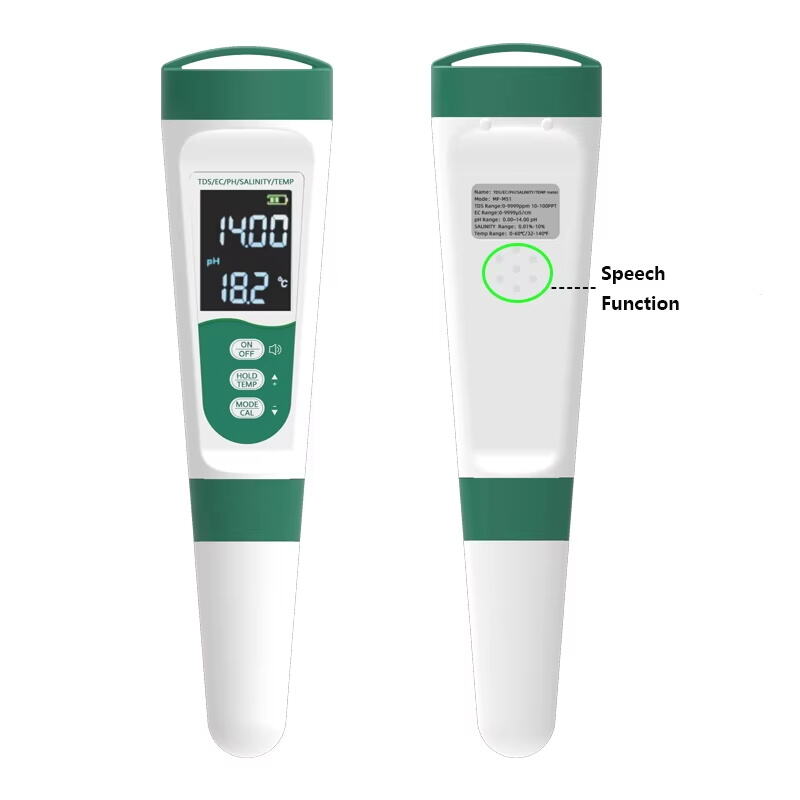
Maintaining proper water chemistry in swimming pools requires accurate pH measurement, and selecting the right ph tester can make the difference between crystal-clear water and ongoing maintenance headaches. Pool owners and maintenance professionals need reliable testing equipment to ensure swimmer safety and prevent costly equipment damage. The market offers several types of pH testing solutions, each with distinct advantages for different pool management scenarios. Understanding these options helps pool owners make informed decisions about their water testing needs.
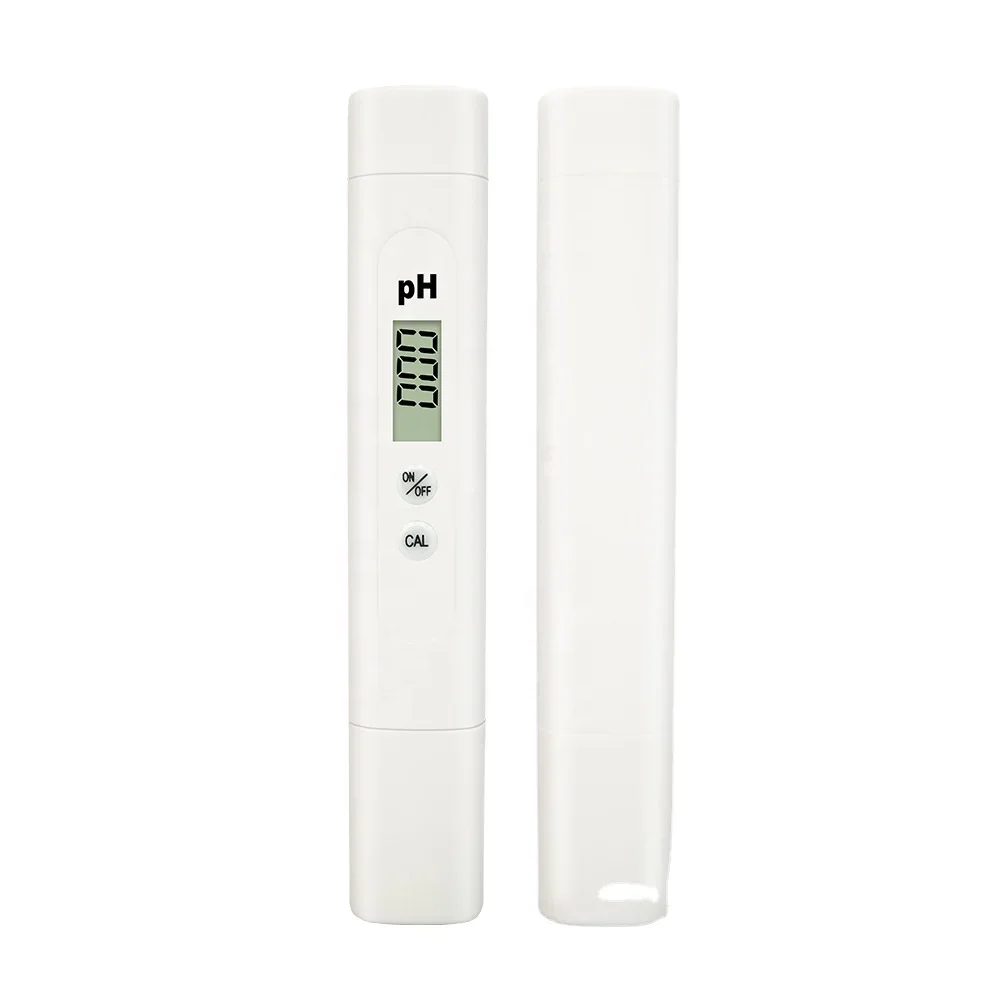
Digital pH Meters for Professional Pool Management
Advanced Electronic pH Testing Technology
Digital ph tester devices represent the pinnacle of pool water testing technology, offering precise measurements with minimal user interpretation required. These sophisticated instruments utilize electronic sensors to detect hydrogen ion concentration in pool water, displaying results on easy-to-read digital screens. Professional pool maintenance companies often prefer digital meters because they eliminate guesswork and provide consistent, repeatable results. The electronic components in quality digital meters can measure pH levels with accuracy typically within 0.01 pH units, far exceeding the precision of traditional testing methods.
Modern digital ph tester units often include automatic temperature compensation, which adjusts readings based on water temperature to ensure accuracy across varying conditions. This feature proves particularly valuable for outdoor pools where water temperatures fluctuate significantly throughout the day. Many professional-grade models also store calibration data and can log multiple readings, making them ideal for commercial pool operations that require detailed record-keeping. The reliability of digital meters makes them essential tools for maintaining consistent water quality in high-traffic swimming facilities.
Calibration and Maintenance Requirements
Every digital ph tester requires regular calibration to maintain accuracy, typically using standardized buffer solutions with known pH values. Most manufacturers recommend calibrating digital meters before each use or at minimum weekly for commercial applications. The calibration process involves immersing the probe in buffer solutions and adjusting the meter to match the known values, ensuring ongoing measurement precision. Proper probe storage in appropriate solutions prevents sensor deterioration and extends the operational life of the ph tester.
Maintenance protocols for digital meters include regular cleaning of the probe tip, proper storage procedures, and periodic replacement of consumable components like probe caps or internal solutions. High-quality digital ph tester models often feature replaceable probes, allowing users to maintain accuracy without replacing the entire unit. Understanding these maintenance requirements helps pool operators budget for ongoing testing costs and ensures consistent water quality monitoring throughout the swimming season.
Test Strips and Chemical Indicator Solutions
Colorimetric pH Testing Methods
Test strips offer a convenient and economical approach to pool pH testing, utilizing chemical indicators that change color based on water acidity levels. These disposable strips contain multiple test pads that react with different water chemistry parameters, providing simultaneous testing for pH, chlorine levels, alkalinity, and other important factors. The simplicity of test strip ph tester methods makes them popular among residential pool owners who need quick, straightforward water testing without complex equipment. Results appear within seconds of dipping the strip in pool water, allowing for immediate assessment of water conditions.
The accuracy of test strip ph tester results depends on proper technique and fresh strips, as expired or improperly stored strips can produce misleading readings. Color comparison requires good lighting conditions and the ability to distinguish subtle color variations, which can challenge some users. Despite these limitations, test strips remain valuable for routine monitoring and can effectively detect significant pH imbalances that require immediate attention. Many pool maintenance professionals use test strips for quick field checks while relying on digital meters for precise measurements.
Liquid Drop Test Kits
Liquid reagent test kits provide another colorimetric approach to pH testing, typically offering better accuracy than test strips while remaining more affordable than digital equipment. These kits use liquid indicators added to water samples, creating color changes that correspond to specific pH ranges. The ph tester liquid method allows for more precise color matching than strips, particularly when using quality comparator blocks or color wheels designed for pool testing. Many experienced pool operators prefer liquid tests for their reliability and the ability to test multiple parameters with the same kit.
Professional liquid ph tester kits often include detailed color charts and may offer greater precision than basic test strips, with some systems capable of distinguishing pH differences of 0.2 units or less. The testing process requires careful measurement of water samples and reagent drops, following specific procedures to ensure accurate results. While liquid tests take slightly longer than test strips, they provide more reliable data for making chemical adjustment decisions in pool water treatment programs.
Selecting the Right pH Tester for Pool Applications
Residential Pool Testing Considerations
Homeowners managing small to medium-sized pools often find that choosing the right ph tester depends on their comfort level with technology and desired measurement precision. Families who swim frequently may benefit from the accuracy and reliability of a ph tester designed for regular pool maintenance. The investment in quality testing equipment often pays dividends through reduced chemical waste, better swimmer comfort, and fewer equipment problems caused by improper water balance.
Budget considerations play a significant role in residential ph tester selection, as digital meters require higher upfront investment but may offer long-term value through accurate readings and reduced chemical costs. Test strips provide immediate affordability but create ongoing expenses through regular replacement. Many residential pool owners find success with combination approaches, using digital meters for weekly precision testing while keeping test strips available for quick daily checks during heavy pool usage periods.
Commercial Pool Testing Requirements
Commercial swimming facilities face stringent regulatory requirements for water quality monitoring, often mandating specific testing frequencies and documentation procedures. Professional pool operators typically choose digital ph tester equipment that can provide the accuracy and record-keeping capabilities required by health departments. The ability to demonstrate consistent water quality monitoring becomes crucial for maintaining operating permits and ensuring swimmer safety in public facilities.
High-volume commercial pools benefit from ph tester systems that can handle frequent testing without degradation in accuracy or reliability. Many commercial facilities implement multiple testing methods, using digital meters for official record-keeping while employing test strips for quick troubleshooting and maintenance checks throughout operating hours. The redundancy helps ensure continuous water quality monitoring even when primary testing equipment requires calibration or maintenance.
pH Testing Accuracy and Water Quality Impact
Understanding pH Measurement Precision
The precision requirements for pool pH testing vary depending on the specific application and regulatory environment, with most pools targeting pH ranges between 7.2 and 7.8 for optimal water conditions. Different ph tester types offer varying levels of measurement precision, from test strips with approximate ranges to digital meters capable of measuring pH to several decimal places. Understanding these precision differences helps pool operators choose appropriate testing methods for their specific needs and regulatory requirements.
Factors affecting ph tester accuracy include water temperature, sample handling procedures, calibration frequency, and the presence of interfering substances in pool water. High chlorine levels, unusual chemical treatments, or contaminated samples can impact measurement accuracy regardless of the testing method employed. Regular validation of ph tester results using alternative methods or reference standards helps ensure ongoing measurement reliability and confidence in water quality decisions.
Chemical Balance and Equipment Protection
Accurate pH measurement using reliable ph tester equipment directly impacts the effectiveness of pool sanitizers, swimmer comfort, and the longevity of pool equipment and surfaces. Incorrect pH levels can reduce chlorine effectiveness, cause eye and skin irritation, and lead to scaling or corrosion problems in filtration systems and pool surfaces. Investment in quality testing equipment often prevents far more expensive repairs and replacements caused by prolonged exposure to improperly balanced water.
The economic impact of accurate pH testing extends beyond immediate chemical costs to include reduced maintenance expenses, extended equipment life, and improved swimmer satisfaction. Pool operators who invest in reliable ph tester equipment typically experience fewer emergency service calls, reduced chemical consumption through proper dosing, and better overall system performance. These benefits often justify the higher initial cost of precision testing equipment over the pool's operational lifetime.
FAQ
How often should I test pool pH levels with my ph tester
Pool pH should be tested at least twice weekly for residential pools and daily for commercial facilities using a reliable ph tester. During periods of heavy use, extreme weather, or after adding chemicals, more frequent testing may be necessary to maintain proper water balance. Digital meters and test strips both can provide adequate monitoring frequency when used consistently according to manufacturer guidelines.
What pH range is ideal for swimming pool water
The optimal pH range for swimming pools falls between 7.2 and 7.8, with 7.4 to 7.6 considered ideal for most applications. This range ensures effective sanitizer performance, swimmer comfort, and equipment protection. Any reliable ph tester should be capable of accurately measuring within this critical range to support proper pool water management.
Can weather conditions affect ph tester accuracy
Temperature extremes, direct sunlight, and humidity can impact certain ph tester types, particularly test strips and some digital meters without temperature compensation. Store testing supplies in cool, dry locations and avoid exposing digital meters to extreme temperatures. Many professional ph tester models include automatic temperature compensation to maintain accuracy across varying environmental conditions.
How do I know when my ph tester needs calibration or replacement
Digital ph tester units should be calibrated regularly according to manufacturer specifications, typically weekly for commercial use or before important testing sessions. Signs that calibration or replacement may be needed include inconsistent readings, slow response times, or results that seem inconsistent with water conditions. Test strips should be replaced when they reach expiration dates or show signs of moisture damage or color degradation.