EN
EN


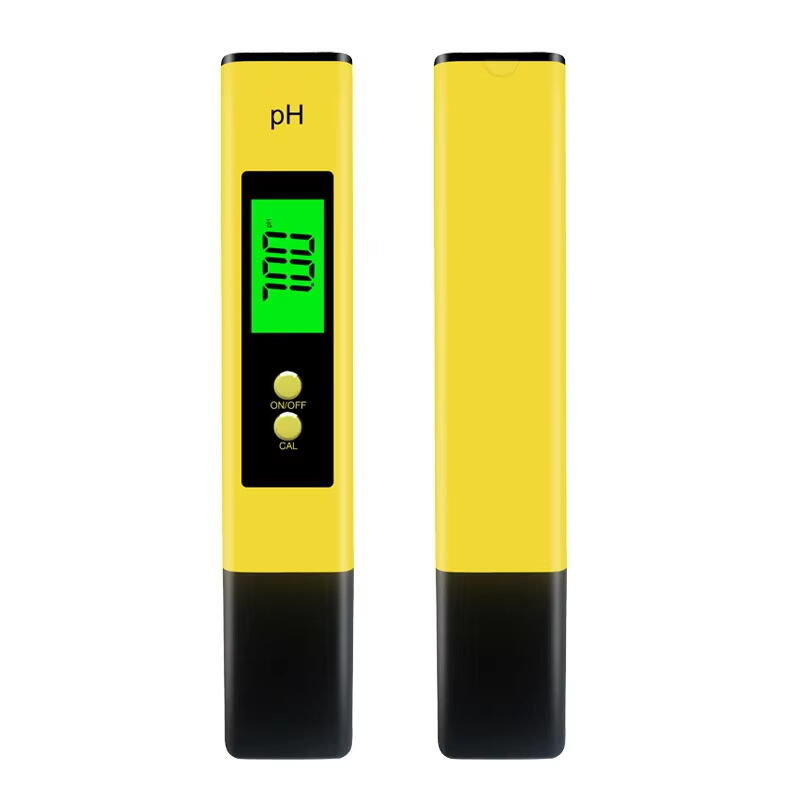
Digital pH measurement has become increasingly sophisticated in 2026, with advanced ph tester devices offering unprecedented accuracy and user-friendly interfaces. Understanding how these instruments function is crucial for professionals across industries ranging from water treatment to agriculture and laboratory research. Modern ph tester technology combines electrochemical principles with digital signal processing to deliver precise measurements that were once only achievable with complex laboratory equipment.
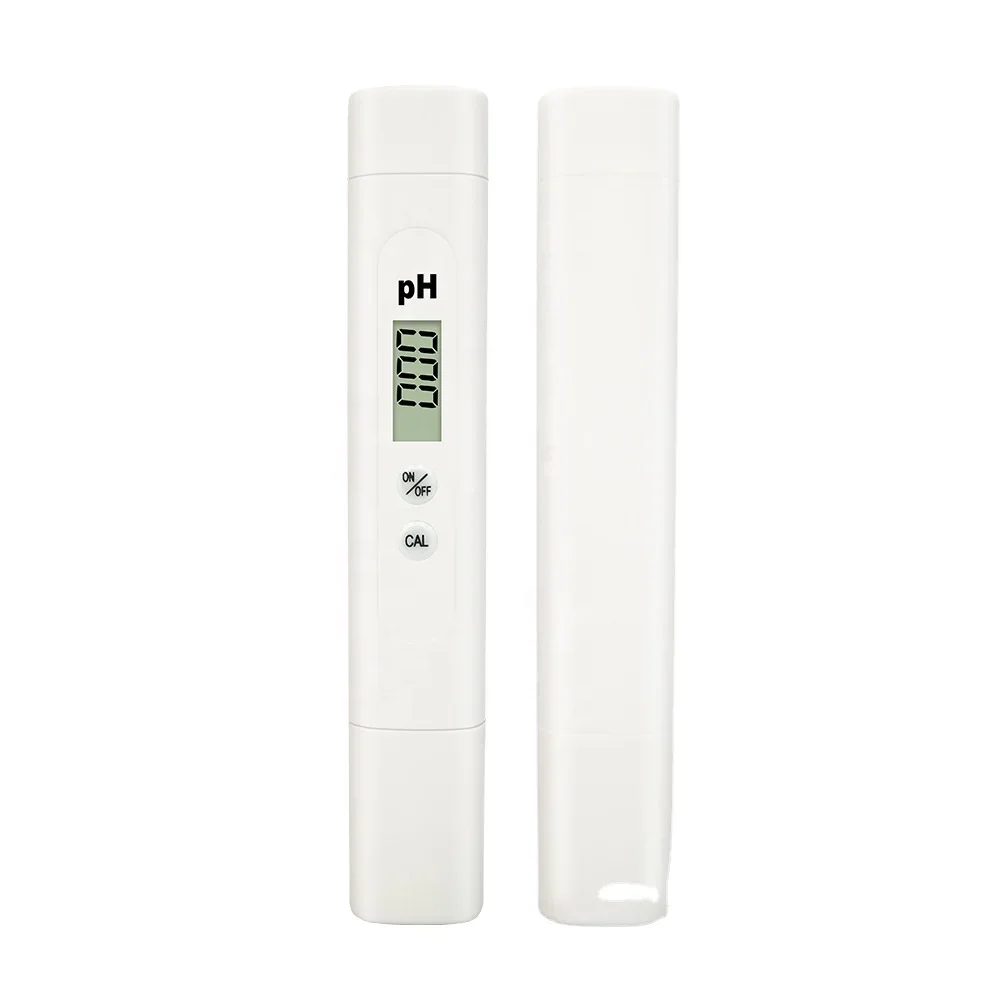
The fundamental operation of a ph tester relies on measuring the electrical potential difference between two electrodes immersed in a solution. This electrochemical measurement translates directly into pH values through sophisticated calibration algorithms embedded within the device. Contemporary ph tester models feature enhanced sensor technology, improved temperature compensation, and robust digital displays that make pH monitoring accessible to both seasoned professionals and newcomers to water quality testing.
Electrochemical Principles Behind pH Testing
Ion-Sensitive Electrode Technology
At the heart of every ph tester lies an ion-sensitive electrode system that responds to hydrogen ion concentration in aqueous solutions. The glass electrode, typically the primary sensor in a ph tester, contains a special glass membrane formulated with metal oxides that create a selective barrier permeable only to hydrogen ions. When this electrode contacts a solution, hydrogen ions interact with the glass surface, generating a measurable electrical potential proportional to the pH level.
The reference electrode completes the electrical circuit by providing a stable, constant potential against which the glass electrode's voltage can be measured. Modern ph tester designs often integrate both electrodes into a single combination probe, streamlining the measurement process while maintaining accuracy. This dual-electrode configuration ensures that the ph tester can deliver consistent readings across various solution types and concentrations.
Nernst Equation Application
The theoretical foundation for ph tester operation stems from the Nernst equation, which describes the relationship between electrode potential and ion concentration. In practical terms, this means that every unit change in pH corresponds to approximately 59.16 millivolts at 25°C. Advanced ph tester models incorporate temperature sensors that automatically adjust this theoretical slope to account for thermal effects on electrode response.
Digital processing circuits within modern ph tester devices apply complex algorithms to convert the measured millivolt signal into accurate pH readings. These calculations account for electrode slope variations, temperature coefficients, and aging characteristics to ensure long-term measurement reliability. The sophisticated electronics enable a ph tester to maintain accuracy across extended periods without frequent recalibration.
Digital Signal Processing and Calibration
Analog-to-Digital Conversion
Contemporary ph tester instruments employ high-resolution analog-to-digital converters that transform the electrode's millivolt output into digital signals for processing. These converters typically operate at 16-bit or higher resolution, allowing the ph tester to detect minute voltage changes equivalent to 0.01 pH units or better. The conversion process includes sophisticated noise filtering to eliminate electrical interference that could compromise measurement accuracy.
Signal conditioning circuits within the ph tester amplify and stabilize the electrode signals before digitization. These circuits feature ultra-high input impedance to prevent loading effects on the glass electrode, which exhibits extremely high internal resistance. The careful design of these input stages ensures that the ph tester maintains sensitivity while providing stable readings even in challenging measurement environments.
Automatic Temperature Compensation
Temperature significantly affects both electrode response and solution pH, making automatic temperature compensation essential for accurate ph tester operation. Integrated temperature sensors continuously monitor solution temperature, allowing the device to apply real-time corrections to the measured values. This compensation accounts for the temperature dependence of the Nernst slope and the thermal characteristics of the specific solution being tested.
Modern ph tester models store temperature compensation curves for various solution types in their internal memory. This feature enables the device to provide highly accurate readings across wide temperature ranges without requiring manual adjustments. The automatic compensation capability makes these instruments particularly valuable for field applications where temperature conditions may vary significantly.
Advanced Features in Modern pH Testers
Multi-Point Calibration Systems
Professional ph tester devices typically support multi-point calibration using standard buffer solutions to ensure measurement accuracy across the entire pH range. The calibration process involves immersing the electrode in solutions of known pH values, allowing the ph tester to establish the relationship between electrode potential and actual pH. Most instruments support two or three-point calibration protocols using pH 4.01, 7.00, and 10.01 buffer solutions.
Advanced ph tester models automatically recognize buffer solutions and guide users through the calibration sequence with on-screen prompts. These devices store calibration data in non-volatile memory, preserving accuracy even after power cycling. Some high-end ph tester instruments include calibration reminder systems that alert users when recalibration is due based on elapsed time or electrode usage patterns.
Data Logging and Connectivity
Contemporary ph tester instruments frequently incorporate data logging capabilities that record measurements with timestamps for later analysis. Internal memory can store hundreds or thousands of readings, depending on the specific ph tester model. This feature proves invaluable for applications requiring documentation of pH trends over time, such as water quality monitoring or process control applications.
Wireless connectivity options, including Bluetooth and Wi-Fi, enable modern ph tester devices to transmit data directly to smartphones, tablets, or computer systems. Mobile applications complement these connected ph tester instruments by providing graphical data visualization, trend analysis, and cloud-based data storage. This connectivity transforms the traditional ph tester from a simple measurement tool into part of an integrated monitoring system.
Practical Applications and Industry Usage
Water Quality Monitoring
The most widespread application for ph tester technology involves water quality assessment across municipal, industrial, and residential settings. Swimming pool maintenance relies heavily on ph tester measurements to ensure proper chemical balance for both safety and equipment protection. Pool operators use portable ph tester devices to perform routine testing, with readings guiding chemical addition decisions to maintain optimal pH levels between 7.2 and 7.8.
Drinking water treatment facilities employ sophisticated ph tester systems for continuous monitoring throughout the treatment process. These installations often feature multiple ph tester probes at different process stages, from raw water intake through final distribution. The real-time feedback from ph tester instruments enables automatic adjustment of chemical dosing systems to maintain compliance with water quality regulations.
Agricultural and Horticultural Applications
Soil pH measurement represents another critical application area for ph tester technology, particularly in precision agriculture and greenhouse operations. Farmers and growers use specialized ph tester devices designed for soil testing to optimize growing conditions for various crops. The ability to quickly assess soil pH helps determine nutrient availability and guides fertilizer application strategies for maximum yield potential.
Hydroponic systems rely extensively on ph tester monitoring to maintain proper nutrient solution conditions. These soilless growing systems require precise pH control to ensure optimal nutrient uptake by plants. Automated ph tester installations in commercial hydroponic facilities continuously monitor solution conditions and trigger pH adjustment systems when readings drift outside acceptable ranges.
Maintenance and Best Practices
Electrode Care and Storage
Proper maintenance significantly extends ph tester electrode life and ensures consistent measurement accuracy. Glass electrodes require specific storage conditions to maintain their ion-sensitive properties, typically involving immersion in pH 4 buffer solution or specialized storage solution. Allowing electrodes to dry completely can cause irreversible damage to the glass membrane, permanently affecting ph tester performance.
Regular cleaning procedures help remove contaminants that can interfere with ph tester operation. Different cleaning methods apply depending on the type of contamination encountered, ranging from simple water rinses for basic maintenance to specialized cleaning solutions for protein or oil deposits. Following manufacturer guidelines for electrode cleaning ensures optimal ph tester performance throughout the electrode's service life.
Calibration Frequency and Quality Control
Establishing appropriate calibration intervals is crucial for maintaining ph tester accuracy in professional applications. High-use environments typically require daily calibration, while intermittent use may permit weekly or monthly calibration schedules. Quality control procedures should include verification of buffer solution integrity and documentation of calibration results to track ph tester performance over time.
Buffer solution quality directly affects ph tester calibration accuracy, making proper buffer storage and replacement essential. Standard buffers have limited shelf life once opened and can be contaminated through improper handling. Maintaining fresh buffer solutions and following proper sampling techniques ensures reliable ph tester calibration and measurement accuracy.
Troubleshooting Common Issues
Electrode Response Problems
Slow electrode response represents one of the most common ph tester performance issues, often resulting from electrode aging or contamination. Glass electrodes naturally deteriorate over time, developing higher internal resistance that slows response to pH changes. Regular electrode maintenance and timely replacement help prevent response problems that can compromise ph tester reliability in critical applications.
Temperature effects can also cause apparent ph tester malfunctions when automatic temperature compensation fails or operates incorrectly. Faulty temperature sensors or improper temperature compensation settings may produce erratic readings that appear to indicate electrode problems. Verifying temperature sensor operation and compensation settings often resolves apparent ph tester accuracy issues.
Calibration and Drift Issues
Calibration drift problems typically manifest as gradual changes in ph tester readings over time, even when measuring the same solution. This drift can result from electrode aging, contamination, or electronic component degradation within the instrument. Regular calibration verification using fresh buffer solutions helps identify drift problems before they significantly impact measurement accuracy.
Electronic drift in ph tester circuits can cause similar symptoms but requires different troubleshooting approaches. Digital instruments may develop offset errors in their analog-to-digital conversion circuits or reference voltage systems. Professional ph tester models often include diagnostic features that help identify electronic versus electrode-related performance issues.
FAQ
How often should I calibrate my digital ph tester?
Calibration frequency for a ph tester depends on usage intensity and accuracy requirements. For daily professional use, calibrate your ph tester at least once per day using fresh buffer solutions. Intermittent users can typically calibrate weekly or before each measurement session. Always recalibrate after electrode cleaning, storage, or if readings seem questionable. High-precision applications may require multiple calibrations per day to maintain measurement uncertainty within acceptable limits.
Can temperature affect my ph tester readings?
Temperature significantly impacts ph tester measurements through multiple mechanisms. Solution pH values change with temperature, and electrode response characteristics also vary thermally. Modern ph tester instruments include automatic temperature compensation to correct for these effects, but the temperature sensor must be functioning properly and immersed in the test solution. Always ensure your ph tester's temperature compensation is enabled and calibrated correctly for accurate results across different temperatures.
What should I do if my ph tester gives unstable readings?
Unstable ph tester readings typically indicate electrode contamination, aging, or improper sample preparation. First, clean the electrode thoroughly using appropriate cleaning solutions for your specific contamination type. Recalibrate the ph tester using fresh buffer solutions, ensuring proper electrode conditioning time. If instability persists, check for air bubbles in the reference electrode or consider electrode replacement. Also verify that your test sample is properly mixed and at thermal equilibrium before measurement.
How do I know when to replace my ph tester electrode?
Replace your ph tester electrode when calibration slope falls below manufacturer specifications, typically less than 95% of theoretical slope. Other replacement indicators include inability to achieve stable readings, extended response times exceeding several minutes, or failure to calibrate properly despite fresh buffers and thorough cleaning. Physical damage to the glass bulb or reference junction also necessitates immediate electrode replacement. Most professional ph tester models display electrode condition diagnostics to help determine replacement timing.