EN
EN


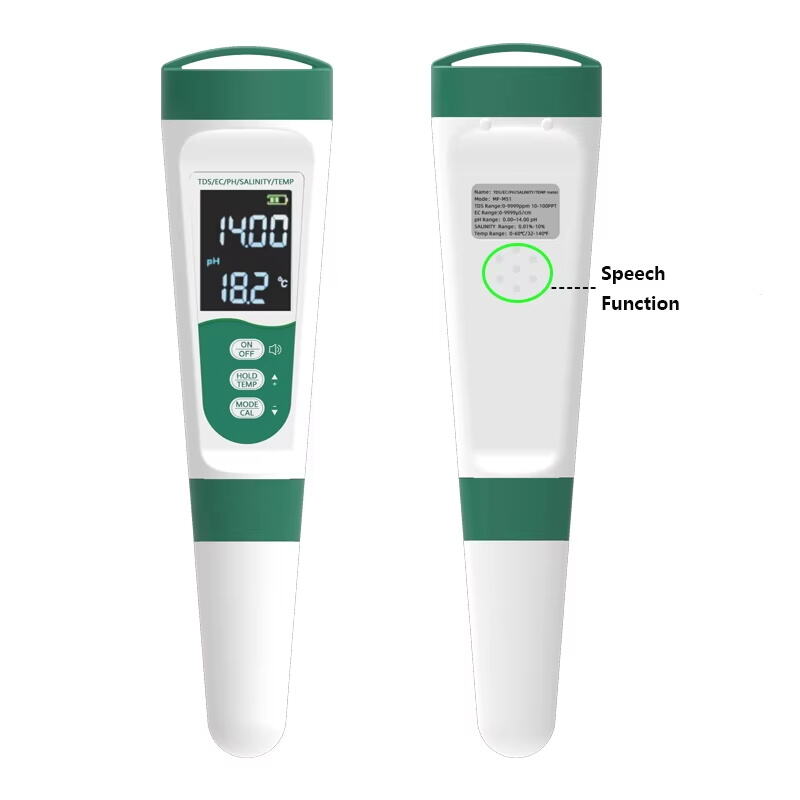
Modern agriculture and gardening have evolved significantly with technological advancements, making precision measurement tools more critical than ever before. A reliable soil moisture meter serves as an essential instrument for farmers, gardeners, and agricultural professionals who need accurate data to optimize irrigation schedules and maintain healthy plant growth. The accuracy of these devices directly impacts crop yields, water conservation efforts, and overall agricultural sustainability in today's environmentally conscious world.
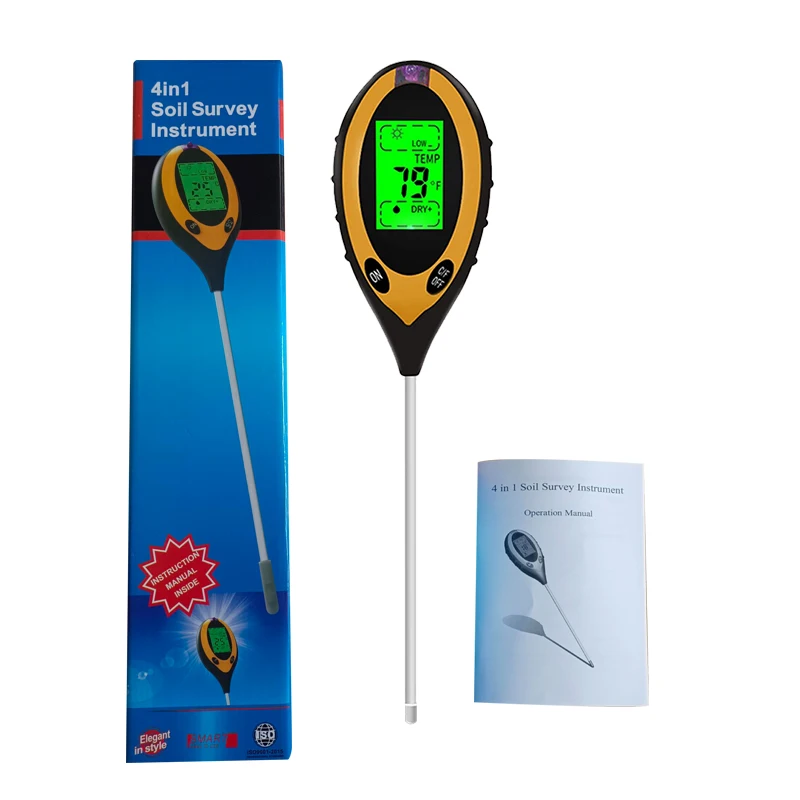
Understanding what constitutes accuracy in moisture measurement requires examining multiple factors that influence device performance. Temperature fluctuations, soil composition variations, and calibration methods all play crucial roles in determining how precisely a soil moisture meter can assess water content levels. Professional-grade instruments incorporate advanced sensor technologies and compensation algorithms to deliver consistent readings across diverse environmental conditions.
The market offers various types of moisture measurement devices, ranging from simple analog models to sophisticated digital units with multiple sensing capabilities. Each category presents unique advantages and limitations that affect measurement precision and practical application scenarios. Selecting the appropriate device type depends on specific requirements, budget constraints, and intended usage frequency.
Sensor Technology and Measurement Principles
Capacitive Sensing Methods
Capacitive sensors represent one of the most accurate approaches for measuring soil moisture content. These devices operate by detecting changes in the dielectric constant of soil as moisture levels fluctuate. When water content increases, the dielectric properties of the soil matrix change proportionally, allowing the soil moisture meter to calculate precise moisture percentages based on capacitance variations.
The primary advantage of capacitive sensing lies in its non-invasive measurement approach. Unlike resistive methods that rely on electrical conductivity through soil particles, capacitive sensors can provide accurate readings without direct contact with soil minerals. This characteristic reduces interference from salt content and other conductive materials that might skew measurement results in traditional devices.
Advanced capacitive soil moisture meter models incorporate frequency domain reflectometry technology to enhance measurement precision further. This approach analyzes how electromagnetic waves propagate through soil samples, providing detailed information about water content distribution and soil structure characteristics that influence moisture retention patterns.
Resistive Measurement Approaches
Resistive sensing methods measure electrical conductivity between metal probes inserted into soil samples. As moisture content increases, electrical resistance decreases proportionally, allowing the device to correlate conductivity measurements with water content percentages. While this approach offers cost-effective solutions for basic moisture assessment, accuracy can be affected by soil composition variables.
Modern resistive soil moisture meter designs incorporate multiple probe configurations to improve measurement reliability. Some models feature four-probe arrangements that eliminate contact resistance issues, while others use specialized probe materials that resist corrosion and maintain consistent electrical properties over extended usage periods.
Temperature compensation mechanisms in advanced resistive devices help maintain accuracy across varying environmental conditions. These systems automatically adjust readings based on ambient temperature measurements, ensuring consistent performance regardless of seasonal fluctuations or daily temperature cycles that might otherwise affect electrical conductivity values.
Environmental Factors Affecting Accuracy
Temperature Compensation Systems
Temperature variations significantly impact soil moisture meter accuracy, as both soil dielectric properties and sensor electronics respond to thermal changes. Professional-grade instruments incorporate automatic temperature compensation algorithms that adjust readings based on real-time temperature measurements. These systems ensure consistent accuracy across the typical temperature ranges encountered in agricultural and horticultural applications.
Effective temperature compensation requires sophisticated calibration procedures that account for seasonal temperature variations and geographic climate differences. The most accurate devices feature multiple temperature sensors positioned strategically to monitor both soil temperature and internal electronic component temperatures, providing comprehensive thermal correction capabilities.
Some advanced soil moisture meter models offer user-adjustable temperature compensation settings, allowing operators to fine-tune accuracy based on local environmental conditions. This flexibility proves particularly valuable in regions with extreme temperature fluctuations or unique soil compositions that may require specialized calibration approaches.
Soil Composition Considerations
Different soil types exhibit varying dielectric properties that can influence moisture measurement accuracy. Clay-rich soils typically show higher dielectric constants compared to sandy compositions, requiring soil moisture meter calibration adjustments to maintain precision across diverse agricultural environments. Understanding these variations helps users select appropriate devices and calibration settings for their specific applications.
Organic matter content also affects measurement accuracy, as decomposing plant materials and humus contribute to soil electrical properties. High organic content soils may require specialized calibration curves or correction factors to achieve optimal accuracy. Professional soil moisture meter models often include multiple calibration presets for common soil types encountered in agricultural applications.
Salt content and mineral composition create additional challenges for accurate moisture measurement. Highly saline soils can cause significant reading errors in resistive-type devices, while capacitive sensors generally show better immunity to these interference sources. Selecting the appropriate sensor technology based on local soil conditions ensures optimal measurement accuracy and long-term reliability.
Calibration and Maintenance Requirements
Factory Calibration Standards
Manufacturing calibration procedures establish baseline accuracy specifications for each soil moisture meter model. Reputable manufacturers use standardized soil samples with known moisture content to calibrate devices under controlled laboratory conditions. These procedures ensure consistent performance across production batches and provide traceable accuracy references for quality control purposes.
Professional-grade instruments typically undergo multi-point calibration processes that verify accuracy across the entire measurement range. This comprehensive approach identifies and corrects non-linearities in sensor response curves, ensuring optimal performance at both low and high moisture content levels commonly encountered in field applications.
Calibration certificates accompanying high-quality soil moisture meter units provide detailed accuracy specifications and traceability information. These documents serve as important references for users who require documented measurement accuracy for regulatory compliance or quality assurance programs in commercial agricultural operations.
Field Calibration Procedures
Regular field calibration maintains measurement accuracy over extended usage periods and accounts for changes in sensor performance due to environmental exposure. Most accurate soil moisture meter models include user-accessible calibration procedures that can be performed using reference standards or gravimetric measurement techniques.
Gravimetric calibration involves comparing device readings with laboratory-determined moisture content values obtained through oven-drying methods. This approach provides the highest accuracy reference but requires additional time and equipment for proper implementation. Many users perform periodic gravimetric checks to verify ongoing device accuracy and identify when recalibration becomes necessary.
Some advanced devices offer automatic calibration verification features that alert users when accuracy may have degraded beyond acceptable limits. These systems monitor internal reference standards and provide maintenance reminders to ensure consistent performance throughout the device's operational lifetime.
Digital Display and Data Logging Features
Display Resolution and Precision
High-resolution digital displays enhance the practical accuracy of soil moisture meter measurements by providing precise numerical readouts with appropriate decimal precision. Professional instruments typically offer moisture content readings with 0.1% or better resolution, allowing users to detect small changes in soil conditions that might be missed with lower-resolution devices.
Display update rates affect measurement practicality, particularly when taking multiple readings across large agricultural areas. Fast-responding displays provide immediate feedback during field surveys, while slower update rates may be acceptable for stationary monitoring applications. The most versatile soil moisture meter models offer adjustable display update settings to accommodate different usage scenarios.
Backlit displays and high-contrast screens improve readability under various lighting conditions encountered during field operations. These features prove particularly valuable during early morning or evening measurements when natural lighting may be insufficient for clear reading interpretation.
Data Storage and Connectivity
Modern soil moisture meter designs increasingly incorporate data logging capabilities that store measurement results with time and location stamps. These features enable comprehensive monitoring programs and provide historical data for trend analysis and irrigation optimization studies. Storage capacity varies among models, with professional units typically offering thousands of measurement records.
Wireless connectivity options, including Bluetooth and Wi-Fi capabilities, facilitate data transfer to mobile devices and computer systems for analysis and reporting. This connectivity eliminates manual data transcription errors and enables real-time monitoring of multiple measurement locations through centralized software platforms.
Integration with farm management software systems allows soil moisture meter data to be incorporated into comprehensive agricultural decision-making processes. This capability proves particularly valuable for precision agriculture applications where moisture data influences irrigation scheduling, fertilizer application timing, and crop management strategies.
Practical Applications and Usage Scenarios
Agricultural Field Management
Large-scale agricultural operations rely on accurate soil moisture measurements to optimize irrigation schedules and minimize water waste. Professional soil moisture meter instruments enable farmers to monitor multiple field locations efficiently, providing the data necessary for precision irrigation systems that apply water only where and when needed.
Crop-specific moisture requirements demand accurate measurement capabilities to ensure optimal growing conditions throughout different growth stages. Various crops exhibit unique water stress thresholds, making precise moisture monitoring essential for maximizing yields while conserving water resources in sustainable farming operations.
Integration with automated irrigation systems allows soil moisture meter readings to trigger watering cycles automatically when predetermined moisture levels are reached. This automation reduces labor requirements while maintaining consistent soil conditions that promote healthy plant growth and optimal resource utilization.
Greenhouse and Controlled Environment Applications
Greenhouse operations require extremely precise environmental control, making accurate soil moisture measurement critical for maintaining optimal growing conditions. Controlled environment agriculture relies on soil moisture meter data to fine-tune irrigation systems and ensure consistent plant performance across different growing seasons and production cycles.
Container and hydroponic growing systems present unique measurement challenges that require specialized soil moisture meter capabilities. These applications often involve soilless growing media with different moisture retention characteristics, demanding devices capable of accurate measurement across various substrate types and compositions.
Research applications in controlled environments demand the highest measurement accuracy for experimental validity and reproducible results. Scientific-grade soil moisture meter instruments provide the precision necessary for plant physiology studies, irrigation research, and agricultural technology development programs.
FAQ
How often should I calibrate my soil moisture meter for optimal accuracy
Calibration frequency depends on usage intensity and environmental conditions, but most professional applications benefit from monthly verification checks using reference standards. Devices used in harsh environments or high-salt conditions may require more frequent calibration, while instruments used occasionally in controlled conditions can maintain accuracy with quarterly calibration procedures. Always follow manufacturer recommendations and perform additional calibration checks whenever measurement results appear inconsistent with expected values.
What factors can cause inaccurate readings in soil moisture meters
Several factors can affect soil moisture meter accuracy, including extreme temperatures, high salt content, organic matter variations, and improper probe insertion techniques. Electrical interference from nearby equipment, dirty or damaged probes, and incorrect calibration settings also contribute to measurement errors. Maintaining clean probes, ensuring proper ground contact, and using appropriate calibration settings for local soil conditions helps minimize these accuracy issues.
Can different soil types affect the accuracy of moisture measurements
Yes, soil composition significantly influences measurement accuracy due to varying dielectric properties and electrical conductivity characteristics among different soil types. Clay-rich soils, sandy compositions, and high organic matter content each require specific calibration approaches for optimal accuracy. Professional soil moisture meter models often include multiple calibration presets for common soil types, while some applications may require custom calibration curves for unique local conditions.
What maintenance procedures help ensure long-term accuracy
Regular probe cleaning, proper storage in protective cases, and periodic calibration verification maintain measurement accuracy over extended periods. Avoiding exposure to extreme temperatures, corrosive chemicals, and physical damage helps preserve sensor integrity and electronic component stability. Following manufacturer maintenance schedules, replacing worn components as needed, and keeping firmware updated ensures optimal performance throughout the device's operational lifetime.