EN


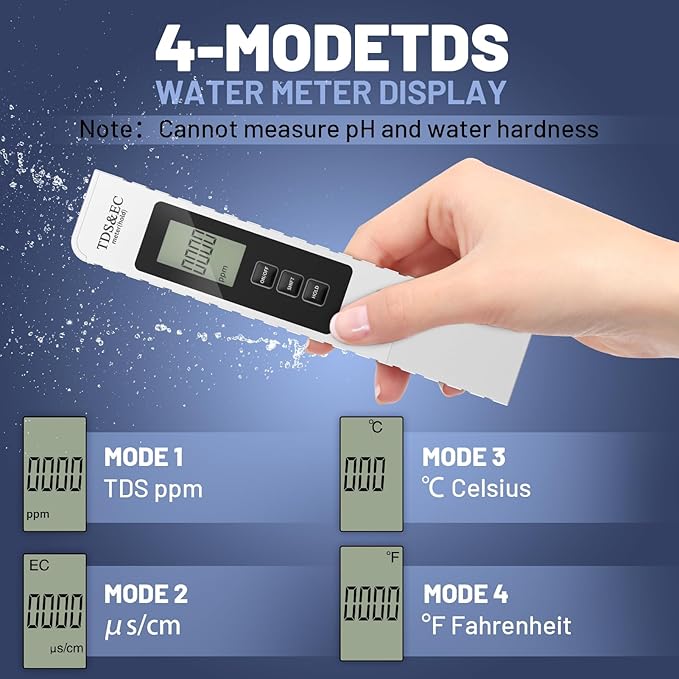
A TDS tester is an essential tool for monitoring water quality in residential, commercial, and industrial applications. Total Dissolved Solids measurement provides critical insight into water purity, helping users identify contamination, evaluate filtration system performance, and ensure safe drinking water. However, many users encounter frustrating inconsistencies when their TDS tester produces varying readings from the same water sample. Understanding the root causes of these inconsistencies is vital for accurate water quality assessment and reliable testing protocols.
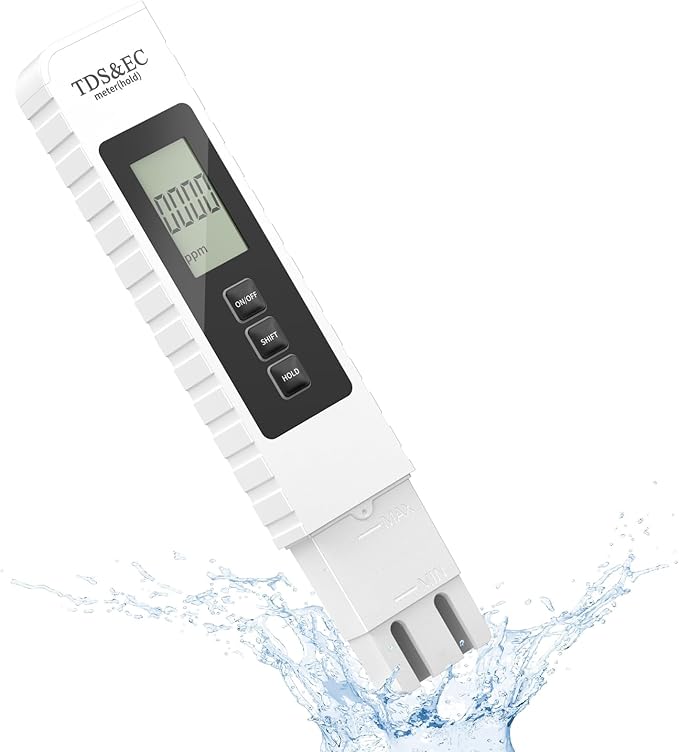
When a TDS tester displays unreliable or fluctuating measurements, the problem rarely stems from the device itself being defective. Instead, inconsistent readings typically result from environmental factors, calibration drift, sensor degradation, sample preparation issues, or improper measurement technique. Learning to diagnose which factor is responsible for your TDS tester's erratic behavior enables you to implement targeted corrections and restore measurement accuracy. This guide explores the primary causes of TDS tester inconsistency and provides actionable solutions for achieving reliable water quality data.
Environmental and Temperature Factors Affecting TDS Tester Accuracy
Temperature Fluctuations and Sensor Response
Temperature directly influences how a TDS tester measures dissolved solids because water conductivity varies significantly with thermal changes. Most TDS tester sensors feature automatic temperature compensation, but this system works only within a specific operational range. When your TDS tester is used in environments where water temperature changes rapidly between measurements, the sensor may not have sufficient time to equilibrate, resulting in inconsistent readings. Temperature swings from cold tap water to room-temperature samples can cause a TDS tester to display fluctuations of 10-20% or more within seconds.
If you notice your TDS tester gives different results when measuring the same water at different times of day, ambient temperature changes are likely responsible. Professional water quality monitoring protocols recommend allowing samples to stabilize at room temperature before testing. A TDS tester is most accurate when used consistently at similar temperatures, and allowing a 2-3 minute stabilization period after sample collection significantly improves consistency. Digital displays on modern TDS tester units now show real-time temperature readings, enabling you to verify whether temperature variance is affecting your measurements.
Sensor Drift from Environmental Exposure
Environmental conditions surrounding where you store and use your TDS tester influence long-term sensor stability. Exposure to extreme heat, direct sunlight, or freezing temperatures can cause the internal electronics of a TDS tester to drift, producing increasingly unreliable readings over time. A TDS tester stored in an unheated garage or exposed to dashboard heat in vehicles experiences thermal stress that degrades sensor accuracy more rapidly than devices kept in climate-controlled environments. Humidity, dust, and mineral deposits that accumulate on exposed sensor electrodes also compromise how accurately a TDS tester performs.
To protect your TDS tester from environmental degradation, store it in a cool, dry location away from direct sunlight and extreme temperature swings. When not in use, most manufacturers recommend storing a TDS tester with the protective cap in place and the battery removed if storage will exceed 30 days. Environmental protection measures significantly extend the lifespan of your TDS tester and maintain consistent measurement accuracy across months of regular use.
Calibration Issues and Sensor Maintenance Problems
Calibration Drift and Recalibration Timing
The most common reason a TDS tester gives inconsistent readings is insufficient or infrequent calibration. A TDS tester that worked perfectly last month may drift from accuracy if never recalibrated during that period. Proper calibration of your TDS tester involves using a known standard solution, typically a 1413 microsiemens-per-centimeter calibration fluid, to reset the sensor baseline. Most manufacturers recommend recalibrating a TDS tester before each major testing session or at minimum once every 2-4 weeks if used regularly. When a TDS tester is used in demanding industrial or laboratory settings, weekly or even daily recalibration may be necessary to maintain accuracy within acceptable tolerances.
If your TDS tester produces wildly inconsistent readings and you cannot remember the last time you calibrated it, that is almost certainly the culprit. Begin troubleshooting by purchasing calibration solution and performing a complete recalibration of your TDS tester according to the manufacturer's instructions. After recalibration, test your TDS tester on the same sample several times in succession; readings should be nearly identical. If inconsistency persists after recalibration, move on to investigating other potential causes of TDS tester measurement variance.
Electrode Fouling and Mineral Buildup
The electrode tips of your TDS tester are exposed directly to water samples and gradually accumulate mineral deposits, biofilm, and dissolved material residue. When these deposits build up on the electrode surface, they interfere with conductivity measurement, causing your TDS tester to display increasingly unreliable readings. Hard water samples are particularly problematic because they deposit calcium and magnesium minerals quickly on TDS tester electrodes. A TDS tester used to test well water or hard municipal water accumulates fouling much faster than one used only on filtered or distilled water samples.
Regular cleaning is essential maintenance for keeping your TDS tester functioning reliably. After each testing session, rinse the electrode tips under distilled water and gently wipe them with a soft, lint-free cloth. For stubborn mineral deposits, soak the TDS tester electrode area in distilled water for 15-30 minutes, then gently clean with a soft brush. If mineral crusting is severe, a brief immersion in diluted white vinegar can dissolve deposits, though this should be done carefully to avoid damaging the housing. Routine electrode cleaning prevents mineral accumulation from causing your TDS tester to give increasingly inconsistent measurements as weeks pass.
Sample Preparation and Measurement Technique Errors
Sample Contamination and Improper Preparation
How you prepare and handle water samples directly impacts whether your TDS tester will give consistent results. If you use tap water directly from different faucets without accounting for variations in line flushing time, your TDS tester will naturally record different values because the water samples themselves are different. Inconsistent results from your TDS tester often reflect inconsistent sampling technique rather than device malfunction. Professional water testing protocols emphasize collecting samples in clean containers, flushing lines for a standardized time before collection, and allowing samples to reach room temperature before measurement.
Contamination from residual soap, dust, or previous sample residue inside containers also causes your TDS tester to give misleading readings. Always use freshly cleaned containers, preferably rinsed with distilled water, when collecting samples for testing with your TDS tester. If you store samples before testing, ensure they are covered to prevent dust contamination and placed away from direct sunlight, which can cause mineral precipitation or algae growth that alters TDS values. When your TDS tester shows sudden unexplained spikes in readings, suspect sample contamination rather than assuming device failure.
Measurement Technique and Probe Positioning
The physical technique you use when operating your TDS tester significantly influences measurement consistency. Holding the probe at different depths, angles, or positions within the sample container causes water column variations that affect conductivity measurement. Your TDS tester should always be inserted vertically to a consistent depth, typically 1-2 inches below the surface, and held motionless while waiting for the reading to stabilize. Stirring the sample immediately before insertion can cause temporary conductivity fluctuations as layers of different concentrations mix, leading your TDS tester to show unstable readings during the first few seconds.
Additionally, ensure that your TDS tester does not touch container sides or the bottom during measurement, as contact with surfaces can introduce electrical noise or affect sensor response. Modern digital TDS tester units require 15-30 seconds of stable immersion before the reading fully stabilizes; premature reading attempts before this stabilization period completes result in your TDS tester displaying values that appear inconsistent from sample to sample. Establishing a standardized measurement protocol where you insert your TDS tester at the same angle, wait the same duration, and measure at identical sample volumes ensures that your device produces repeatable, reliable readings.
FAQ
Why does my TDS tester give different readings when I test the same water sample twice?
Multiple causes can produce this behavior in your TDS tester. If readings differ only slightly (within 5-10%), sensor drift or minor calibration drift is likely responsible; recalibrating your TDS tester should resolve the issue. If readings vary significantly (20-30% or more), suspect contamination on electrode surfaces, temperature fluctuations during measurement, or technique inconsistencies like varying probe depth or stabilization time. Always allow your TDS tester adequate time for readings to stabilize, keep environmental conditions consistent, and maintain regular electrode cleaning to ensure your device produces reproducible measurements.
How often should I calibrate my TDS tester to maintain consistent readings?
For household use, calibrating your TDS tester every 2-4 weeks provides adequate accuracy. If you use your TDS tester for critical water quality decisions, commercial applications, or testing in varied environments, monthly or weekly calibration is recommended. A TDS tester stored unused for extended periods should be recalibrated before use to ensure accuracy. Signs that your TDS tester urgently needs recalibration include sudden unexplained changes in readings, persistent fluctuation during measurement, or differences exceeding 10% when testing known reference solutions.
Can electrode fouling cause my TDS tester to read inconsistently?
Yes, mineral and biofilm deposits on electrodes are a leading cause of inconsistent TDS tester readings. When your TDS tester electrodes become fouled, conductivity measurement becomes progressively less reliable, causing measurements to vary erratically. Regular rinsing with distilled water after each use and gentle cleaning with a soft cloth prevent electrode fouling. If your TDS tester already shows signs of fouling, such as visible crusting or cloudiness on electrode tips, soak the probe in distilled water or diluted vinegar to dissolve deposits and restore measurement consistency.