EN


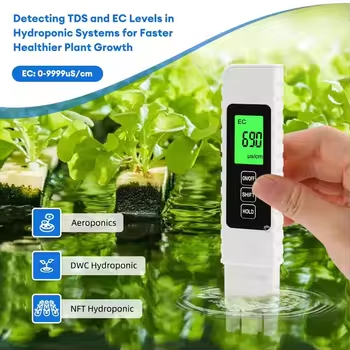
Hydroponic growers face a unique challenge: maintaining precise nutrient levels without soil to buffer fluctuations. A ppm meter has become an indispensable tool for measuring dissolved nutrients in hydroponic systems, allowing growers to maintain the exact nutrient concentrations their plants need for healthy development and maximum yields. Understanding how to use a ppm meter effectively can mean the difference between thriving crops and nutrient deficiencies that stunt plant growth.
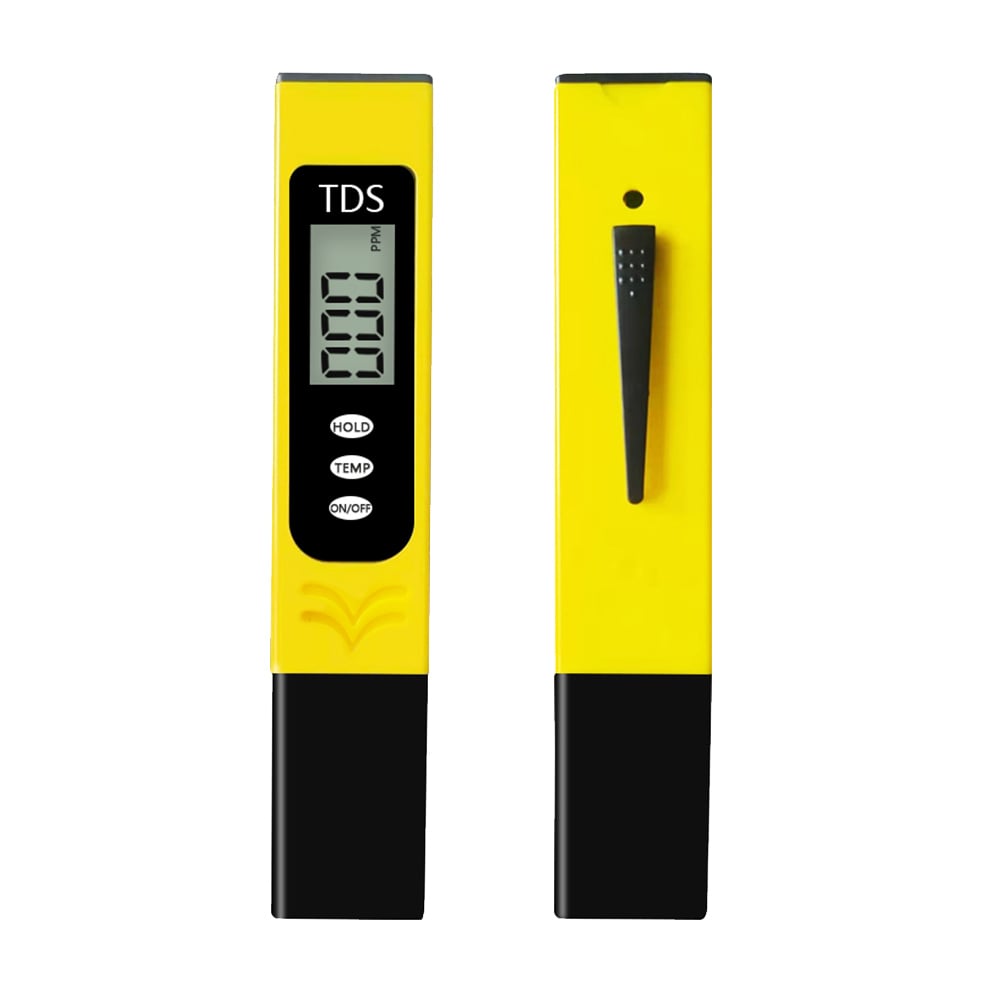
The ppm meter measures parts per million—the concentration of dissolved solids in water, which directly correlates to nutrient availability. By monitoring ppm values consistently, hydroponic growers gain real-time visibility into their nutrient solution strength and can make informed adjustments before problems develop. This precision-based approach transforms nutrient management from guesswork into a data-driven practice that directly supports plant health and productivity.
Understanding PPM Meter Fundamentals in Hydroponic Systems
What a PPM Meter Measures and Why It Matters
A ppm meter detects electrical conductivity (EC) of the nutrient solution and converts that reading into parts per million—a measure of total dissolved solids. In hydroponics, this metric represents the combined concentration of all nutrients present in the water, including nitrogen, phosphorus, potassium, calcium, magnesium, and trace elements. When a ppm meter shows a rising value, it indicates nutrient concentration is increasing; when it falls, nutrients are being depleted or diluted. This real-time feedback allows growers to maintain nutrient levels within crop-specific target ranges that optimize uptake and prevent toxicity or deficiency.
Calibration and Accuracy of Your PPM Meter
For a ppm meter to provide reliable readings, regular calibration is essential. Most quality ppm meter instruments come with calibration solutions at 1,500 PPM or 2,000 PPM. A ppm meter should be calibrated weekly or before critical nutrient adjustments to ensure measurement accuracy. If a ppm meter drifts from its calibration standard, all subsequent readings become unreliable, leading to over-fertilization, nutrient lockout, or plant deficiency. Store your ppm meter in a protective case and rinse the sensor thoroughly with distilled water after each use to extend its operational lifespan and maintain consistent accuracy.
Practical Nutrient Management Using a PPM Meter
Establishing Target PPM Ranges for Different Growth Stages
Different crops and growth stages require different ppm meter target ranges. Seedlings typically thrive at 400–600 PPM, where nutrient concentration supports early root and leaf development without overwhelming young tissues. Vegetative growth generally requires 800–1,200 PPM as plants expand rapidly and demand higher nutrient availability. A ppm meter reading during flowering stages should typically be maintained between 1,000–1,400 PPM, depending on the specific crop. Lettuce and leafy greens may perform better at lower ppm meter ranges (600–900 PPM), while fruiting plants like tomatoes often benefit from higher concentrations. Using a ppm meter to track these ranges prevents the common mistake of applying one static nutrient formula throughout the entire crop cycle.
Responding to PPM Meter Readings and Making Adjustments
When your ppm meter shows a reading below target, nutrients have been consumed faster than expected or water has been added without nutrient supplementation. The remedy is to add concentrated nutrient stock solution carefully while monitoring the ppm meter response. Conversely, when a ppm meter reading climbs above target despite no new nutrient additions, it signals water loss through evapotranspiration or nutrient accumulation that may limit plant uptake. In this case, dilute the system with fresh water and retest with your ppm meter. Never make large nutrient corrections suddenly; instead, adjust gradually and recheck with a ppm meter after 15–30 minutes to confirm the system has stabilized. This incremental approach prevents nutrient shock and gives you precise control over solution strength.
Troubleshooting and Preventing Common PPM Meter Issues
Identifying System Problems Through PPM Meter Trends
A ppm meter is more than a snapshot tool—it reveals trends that indicate system health. If a ppm meter reading climbs steadily over days without any nutrient additions, salt accumulation or mineral precipitation may be occurring, signaling the need for a partial or complete system flush. If a ppm meter shows dramatic daily swings, it may indicate inconsistent water level maintenance, uneven nutrient distribution, or inadequate system circulation. A ppm meter that shows consistently high readings despite normal feeding suggests plants are not absorbing nutrients efficiently, which could point to pH imbalance, root disease, or excessive salinity. By reviewing ppm meter data over time, growers can diagnose systemic issues before they cause visible crop damage.
Maintenance Tips for Long-Term PPM Meter Reliability
To maximize the useful life of your ppm meter, store it in a dry location away from extreme temperatures. After each use, rinse the ppm meter sensor with distilled water to remove nutrient residue that can interfere with accuracy. Never leave a ppm meter submerged in nutrient solution for extended periods, as this accelerates electrode degradation. Replace the ppm meter batteries at the start of each growing season and keep spare calibration solutions on hand. If your ppm meter develops erratic readings or fails to calibrate properly, the sensor may need replacement or the device may require professional servicing. Investing in a quality ppm meter and maintaining it properly ensures years of reliable nutrient monitoring that supports consistent crop performance and reduces preventable nutrient-related losses.
FAQ
What is the ideal PPM reading for a ppm meter in most hydroponic systems?
The ideal ppm meter reading depends on crop type and growth stage. Most vegetables thrive in the 800–1,200 PPM range during vegetative growth, as indicated by your ppm meter. Seedlings require lower levels (400–600 PPM), while flowering and fruiting stages may need 1,000–1,400 PPM. Always consult crop-specific guidelines and adjust based on your ppm meter readings and plant response.
How often should I check my ppm meter to monitor nutrient levels?
A ppm meter should be checked daily in active growing systems to catch nutrient fluctuations early. Daily ppm meter monitoring helps you respond quickly to consumption patterns and prevents nutrient imbalances. During early growth stages or high-demand periods, checking your ppm meter multiple times per day is advisable, while mature, stable systems may only require daily or every-other-day ppm meter checks.
Can a ppm meter replace manual nutrient calculations?
A ppm meter complements but does not fully replace calculations. While a ppm meter provides accurate concentration readings, it does not tell you individual nutrient ratios or identify specific deficiencies like potassium or iron shortages. Use a ppm meter in conjunction with visual crop assessment, pH monitoring, and periodic complete nutrient analysis to ensure all micronutrients and macronutrients remain balanced and bioavailable for plant uptake.