EN
EN


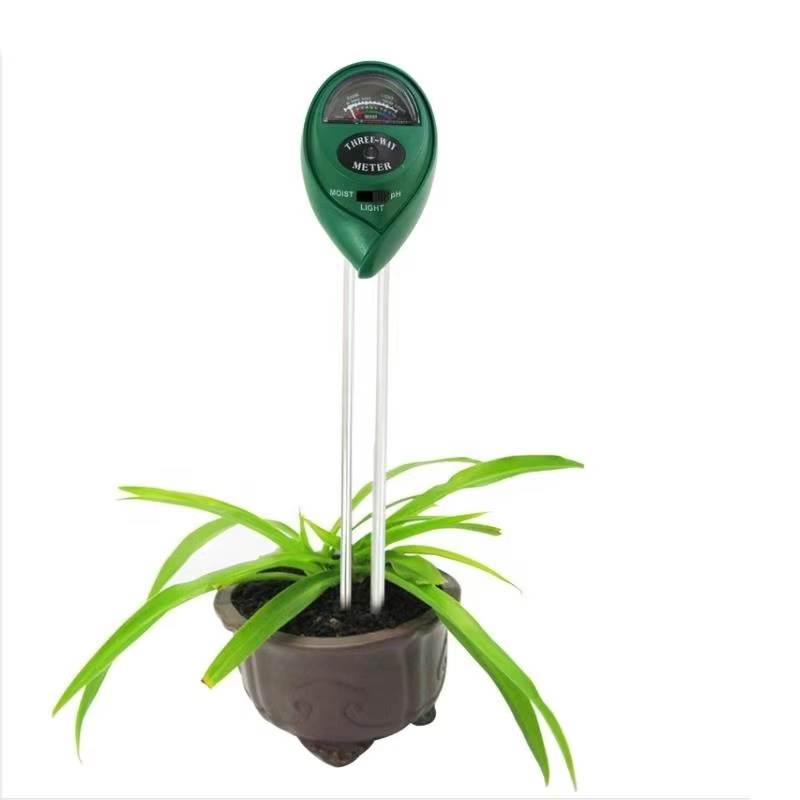
Selecting the right soil pH meter is crucial for successful gardening, farming, and landscaping projects. A quality soil pH meter provides accurate measurements that help determine soil acidity or alkalinity, enabling you to make informed decisions about plant selection, fertilizer application, and soil amendments. With numerous options available in the market, understanding the essential features can make the difference between productive growing conditions and disappointing results. Professional gardeners and agricultural specialists rely on precise pH measurements to optimize crop yields and maintain healthy soil ecosystems.
Digital Display and Measurement Accuracy
High-Resolution Digital Readouts
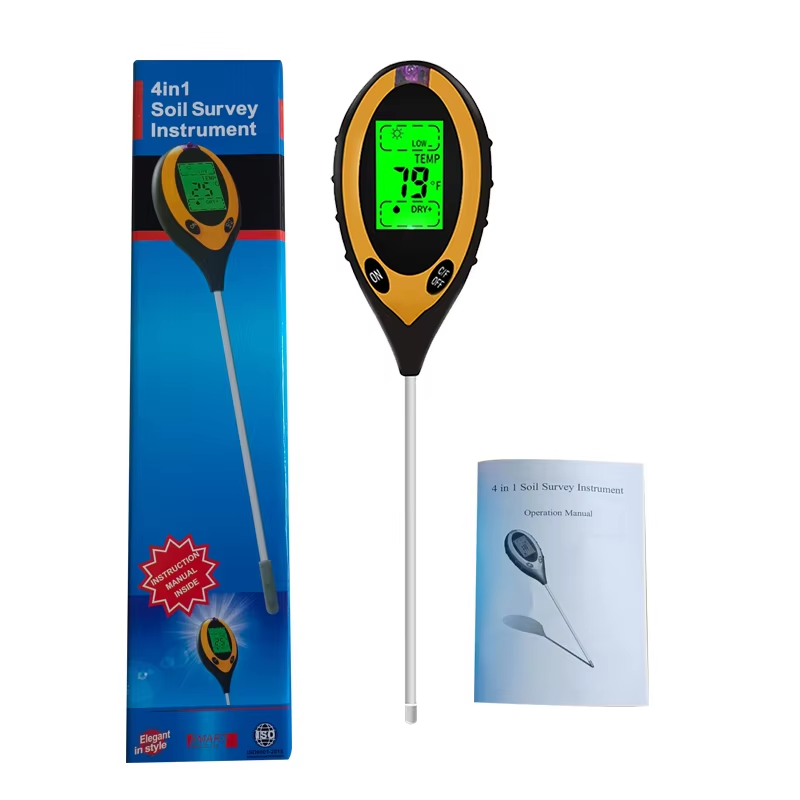
Modern soil pH meters feature clear digital displays that eliminate guesswork associated with analog readings. The best units provide large, backlit LCD screens that remain visible in various lighting conditions, from bright sunlight to shaded greenhouse environments. Digital precision typically ranges from 0.1 to 0.01 pH units, offering the accuracy needed for professional applications. Advanced models include auto-calibration features that maintain consistent readings over extended periods, reducing the need for frequent manual adjustments.
Temperature compensation capabilities ensure reliable measurements across different environmental conditions. Quality meters automatically adjust readings based on soil temperature variations, which can significantly affect pH accuracy. This feature becomes particularly important when testing soil in different seasons or climatic zones where temperature fluctuations are common.
Calibration and Maintenance Requirements
Reliable calibration systems distinguish professional-grade instruments from basic consumer models. Look for units that support multi-point calibration using standard buffer solutions, typically at pH 4.0, 7.0, and 10.0. Automatic calibration recognition saves time and reduces human error during setup procedures. Some advanced meters store calibration data and alert users when recalibration becomes necessary.
Maintenance indicators provide valuable feedback about probe condition and overall instrument health. Quality meters include electrode diagnostic functions that assess probe performance and recommend cleaning or replacement schedules. This proactive approach prevents inaccurate readings and extends equipment lifespan while maintaining measurement reliability throughout the growing season.
Multi-Parameter Testing Capabilities
Integrated Moisture and Temperature Sensors
Advanced soil pH meter models combine multiple testing parameters into single, convenient devices. Moisture measurement capabilities help determine irrigation needs and prevent overwatering conditions that can damage plant roots. Simultaneous temperature monitoring provides context for pH readings while supporting optimal planting timing decisions.
Integrated sensors eliminate the need for separate testing equipment, reducing costs and simplifying field procedures. Users can obtain comprehensive soil analysis data with one instrument, streamlining decision-making processes for fertilizer application, irrigation scheduling, and crop management strategies. This efficiency proves particularly valuable for large-scale agricultural operations or extensive landscaping projects.
Light Level and Conductivity Measurements
Some comprehensive testing units include light sensors that measure photosynthetic photon flux density or general illumination levels. This information helps optimize plant placement in gardens or greenhouses where light availability varies significantly. Combined with pH data, light measurements support comprehensive growing condition assessments.
Electrical conductivity testing capabilities provide insights into soil nutrient levels and salt concentrations. High conductivity readings may indicate excessive fertilizer application or salt buildup that could harm plant health. This additional parameter enhances the overall value of soil analysis procedures and supports more informed agricultural management decisions.
Probe Design and Durability
Electrode Construction and Materials
Probe quality directly impacts measurement accuracy and instrument longevity. Professional-grade electrodes feature borosilicate glass bulbs that resist chemical corrosion and physical damage from rocky or compacted soils. Stainless steel construction provides excellent durability while maintaining electrical conductivity necessary for reliable readings.
Waterproof designs protect sensitive electronics from moisture damage during field use. Look for units with IP65 or higher ratings that can withstand rain, irrigation spray, and accidental submersion. Sealed probe connections prevent water infiltration that could cause measurement drift or complete instrument failure.
Probe Length and Insertion Depth
Appropriate probe length ensures representative soil sampling at proper depths where root systems actively absorb nutrients. Standard probes measure 6 to 8 inches, suitable for most gardening and agricultural applications. Longer probes benefit deep-rooted crops or soil profile analysis requirements where surface conditions may not represent overall growing medium characteristics.
Sharp, penetrating tips facilitate insertion into various soil types, from loose potting mixes to compacted clay formations. Reinforced probe shafts resist bending or breaking under insertion pressure, maintaining instrument integrity during intensive field use. Some models feature removable or replaceable probes that extend equipment life and reduce long-term operating costs.
Data Storage and Connectivity Features
Memory Capacity and Data Logging
Advanced soil testing meters include internal memory systems that store measurement data for later analysis and record-keeping purposes. Large storage capacity supports extensive testing programs without requiring immediate data transfer to external devices. Timestamped recordings help track soil condition changes over multiple growing seasons.
Automatic data logging capabilities enable continuous monitoring applications where soil conditions require frequent assessment. Some units can record measurements at predetermined intervals, creating comprehensive datasets that reveal soil chemistry trends and seasonal variations. This information proves invaluable for optimizing long-term soil management strategies.
Wireless Connectivity and Mobile Integration
Bluetooth and WiFi connectivity features allow seamless data transfer to smartphones, tablets, or computer systems for advanced analysis and reporting. Mobile applications often provide enhanced functionality including graphical data presentation, trend analysis, and customized reporting formats. Cloud storage integration ensures data backup and enables remote access to measurement records.
GPS integration capabilities associate measurement data with specific field locations, supporting precision agriculture applications and detailed soil mapping projects. This geographic reference system helps identify spatial variations in soil chemistry and supports targeted treatment programs that optimize resource utilization and crop productivity.
Power Supply and Portability Considerations
Battery Life and Power Management
Extended battery life ensures reliable field operation throughout long testing sessions without interruption. Quality meters feature efficient power management systems that automatically enter sleep mode during periods of inactivity, conserving battery power for active measurements. Low battery indicators provide advance warning before power depletion affects testing capabilities.
Rechargeable battery options reduce operating costs and environmental impact compared to disposable alkaline cells. USB charging capabilities provide convenient power restoration using standard chargers, power banks, or vehicle adapters. Some models support both rechargeable and disposable battery configurations for maximum flexibility in various field conditions.
Size, Weight, and Carrying Cases
Compact, lightweight designs facilitate extended field use without causing user fatigue or discomfort. Ergonomic housing shapes provide secure grip even when wearing gloves or working in wet conditions. Balanced weight distribution prevents hand strain during repetitive testing procedures across large areas.
Protective carrying cases shield instruments from physical damage during transport and storage. Quality cases feature foam padding that prevents shock damage while providing organized storage for accessories including calibration solutions, cleaning supplies, and spare parts. Weather-resistant cases protect equipment from moisture and dust exposure in harsh field environments.
FAQ
How often should I calibrate my soil pH meter?
Calibration frequency depends on usage intensity and measurement accuracy requirements. For professional applications, weekly calibration ensures optimal performance, while casual gardening use may require monthly calibration. Always calibrate before critical measurements and after extended storage periods. Environmental conditions and probe age also influence calibration intervals, with harsh conditions or aging electrodes requiring more frequent attention.
Can soil pH meters be used for hydroponic growing systems?
Many soil pH meters can effectively measure nutrient solution pH in hydroponic systems, provided they feature waterproof construction and appropriate calibration ranges. However, dedicated hydroponic pH meters often provide better accuracy for liquid measurements and may include features specifically designed for nutrient solution monitoring. Check manufacturer specifications to ensure compatibility with your specific growing medium and measurement requirements.
What is the typical lifespan of a soil pH meter probe?
Probe lifespan varies significantly based on usage frequency, soil conditions, and maintenance practices. With proper care and regular cleaning, quality probes can provide accurate measurements for 1-3 years in professional applications. Harsh soil conditions, chemical exposure, or inadequate maintenance may reduce probe life to 6-12 months. Replaceable probe designs offer cost-effective solutions for extending overall instrument utility.
Do soil pH meters work accurately in all soil types?
Most quality soil pH meters provide reliable measurements across various soil types, but certain conditions may affect accuracy. Very dry soils may require moisture addition for proper electrode contact, while highly organic or clay-heavy soils might need longer equilibration times. Sandy soils typically provide the most consistent results, while rocky or extremely compacted soils may pose insertion challenges. Always follow manufacturer guidelines for optimal measurement procedures in different soil conditions.