EN
EN


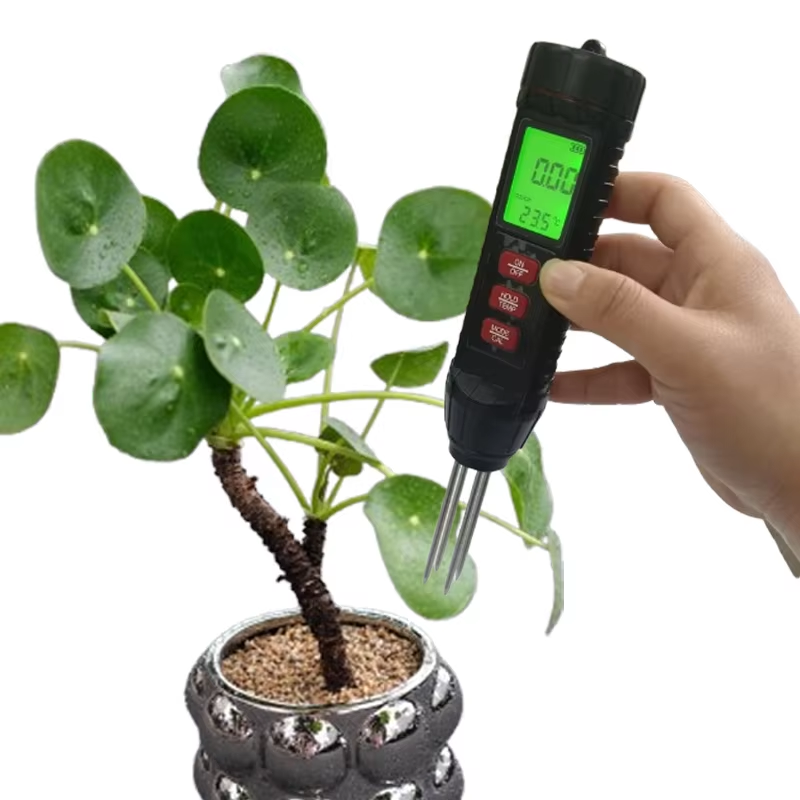
Modern agriculture and gardening success largely depends on understanding soil conditions before planting crops or establishing gardens. Professional cultivators and home gardeners alike rely on accurate soil analysis to optimize plant growth, maximize yields, and prevent costly agricultural mistakes. Various types of soil testers provide essential data about pH levels, nutrient content, moisture levels, and other critical soil parameters that directly impact plant health and productivity.
The agricultural industry has witnessed significant technological advancement in soil testing equipment, offering farmers and gardeners unprecedented access to detailed soil information. Digital soil measurement devices now provide instant readings that previously required laboratory analysis, enabling real-time decision making for irrigation, fertilization, and crop selection. Understanding the different categories of soil testing equipment helps agricultural professionals choose the most appropriate tools for their specific cultivation needs and budget constraints.
Selecting appropriate soil testing equipment requires careful consideration of testing frequency, accuracy requirements, budget limitations, and the specific parameters that matter most for particular crops or gardening applications. Commercial farmers typically need more comprehensive and durable testing solutions compared to home gardeners, while specialty crop producers may require specialized testing capabilities for unique soil conditions or specific nutrient requirements.
Digital pH and Nutrient Meters
Electronic pH Testing Devices
Electronic pH meters represent the most common category of digital soil testing equipment, providing accurate measurements of soil acidity or alkalinity levels. These devices typically feature digital displays, probe-style sensors, and calibration capabilities that ensure consistent accuracy across multiple soil types. Professional-grade pH meters often include temperature compensation features that adjust readings based on ambient conditions, improving measurement reliability in varying weather conditions.
Advanced pH testing devices incorporate automatic calibration systems and data logging capabilities, allowing users to track pH changes over time and maintain detailed records for agricultural planning purposes. Some models include wireless connectivity features that enable remote monitoring and integration with farm management software systems. Battery-powered operation and weatherproof construction make these devices suitable for field use in various environmental conditions.
Multi-Parameter Nutrient Analyzers
Comprehensive nutrient analyzers measure multiple soil parameters simultaneously, including nitrogen, phosphorus, potassium levels, and secondary nutrients like calcium and magnesium. These sophisticated devices utilize advanced sensor technology and proprietary algorithms to provide detailed soil chemistry analysis within minutes. Professional agricultural operations benefit from the time savings and comprehensive data provided by multi-parameter testing equipment.
High-end nutrient analyzers often feature replaceable sensor cartridges, allowing users to test for specific nutrients based on crop requirements or suspected deficiencies. Some models include GPS integration for precision agriculture applications, enabling farmers to create detailed soil maps and implement variable-rate fertilization strategies. Cloud-based data storage and analysis platforms complement these devices by providing trend analysis and fertilization recommendations.
Moisture and Temperature Monitoring Systems
Soil Moisture Measurement Tools
Accurate soil moisture monitoring prevents both drought stress and overwatering issues that commonly affect crop yields and plant health. Digital moisture meters utilize various measurement technologies, including electrical conductivity, capacitance, and time-domain reflectometry, to provide precise moisture content readings. Professional irrigation management relies heavily on consistent moisture monitoring to optimize water usage and prevent water-related plant diseases.
Advanced moisture monitoring systems include wireless sensor networks that provide continuous monitoring across large agricultural areas. These systems can trigger automatic irrigation systems when soil moisture levels drop below predetermined thresholds, ensuring optimal growing conditions without manual intervention. Battery-powered sensors with multi-year operational life reduce maintenance requirements while providing reliable long-term monitoring capabilities.
Temperature Tracking Capabilities
Soil temperature significantly influences seed germination, root development, and microbial activity that affects nutrient availability. Digital temperature monitoring equipment provides accurate readings at various soil depths, helping farmers optimize planting timing and predict seasonal growing patterns. Professional greenhouse operations particularly benefit from precise temperature monitoring for climate control and crop scheduling purposes.
Integrated temperature and moisture monitoring systems provide comprehensive environmental data that supports informed agricultural decision making. Some devices include frost warning capabilities that alert users when soil temperatures approach levels that could damage sensitive crops. Historical temperature data helps farmers identify optimal planting windows and predict harvest timing based on accumulated growing degree days.
Portable Field Testing Kits
Chemical Test Strip Systems
Chemical test strips provide an affordable and portable option for basic soil analysis, particularly useful for home gardeners and small-scale farming operations. These colorimetric testing systems require soil samples mixed with distilled water, producing color changes that correspond to specific pH or nutrient levels. While less precise than digital alternatives, test strips offer adequate accuracy for general gardening applications and basic soil assessment needs.
Modern test strip systems include improved color charts and standardized procedures that enhance measurement consistency and reduce user error. Some manufacturers provide smartphone applications that analyze test strip colors using camera technology, improving accuracy and providing digital record-keeping capabilities. Bulk purchasing options make test strips cost-effective for frequent testing applications or educational purposes.
Combination Testing Devices
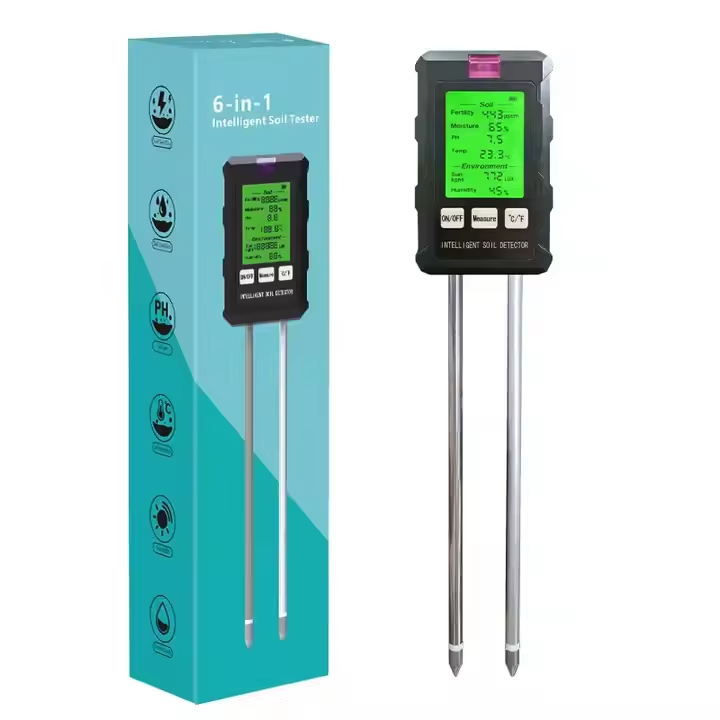
Multi-function soil testers combine pH measurement, moisture detection, temperature monitoring, and light level assessment in single portable units. These versatile devices provide comprehensive growing condition analysis without requiring multiple separate instruments, making them particularly popular among home gardeners and hobbyist cultivators. Combination devices typically feature simple operation procedures and instant digital readouts that require minimal technical expertise.
Professional combination testing devices often include enhanced accuracy specifications and additional features like data logging and computer connectivity. Some models incorporate GPS functionality for location-specific testing and mapping applications. Rugged construction and weather-resistant design ensure reliable operation in challenging field conditions while maintaining measurement accuracy across various soil types and environmental conditions.
Laboratory-Grade Testing Equipment
Professional Analysis Systems
Laboratory-grade soil testing equipment provides the highest accuracy levels and most comprehensive analysis capabilities available for agricultural applications. These sophisticated systems utilize advanced analytical techniques like ion-selective electrodes, spectroscopy, and chromatography to measure detailed soil chemistry parameters. Commercial laboratories and research institutions rely on professional-grade equipment for precise soil characterization and agricultural research applications.
High-end laboratory systems often include automated sample preparation and analysis capabilities that process multiple soil samples simultaneously. Computer-controlled operation and standardized testing protocols ensure consistent results and regulatory compliance for commercial soil testing services. Advanced data management software provides detailed reporting capabilities and statistical analysis tools for research and agricultural consulting applications.
Calibration and Quality Control
Professional laboratory equipment requires regular calibration and quality control procedures to maintain measurement accuracy and reliability. Certified reference standards and standardized calibration protocols ensure consistent performance across different operators and testing sessions. Quality control measures include duplicate sample analysis, blank sample testing, and control sample verification that validate equipment performance and identify potential measurement issues.
Automated calibration systems and quality control software reduce manual procedures while improving consistency and reducing operator error. Some systems include remote diagnostic capabilities that enable technical support and preventive maintenance scheduling. Comprehensive documentation and audit trail capabilities support regulatory compliance and quality assurance requirements for commercial testing operations.
Selection Criteria for Different Applications
Home Gardening Requirements
Home gardeners typically require basic soil testing capabilities that provide adequate accuracy for general gardening applications without excessive complexity or cost. Simple pH meters, combination testing devices, and chemical test strips usually meet the needs of residential gardening projects. Ease of operation, portability, and affordable replacement costs make these options practical for occasional testing applications and basic soil management needs.
Gardeners focusing on specific crops or dealing with problematic soil conditions may benefit from more advanced testing capabilities, including detailed nutrient analysis and continuous monitoring options. Battery-powered devices with weather-resistant construction provide reliable performance for outdoor gardening applications. User-friendly operation and clear result interpretation help gardeners make informed decisions about soil amendments and plant selection.
Commercial Agriculture Needs
Commercial agricultural operations require robust, accurate, and efficient soil testing solutions that support large-scale crop production and precision farming practices. Professional-grade equipment must provide consistent accuracy across extensive testing areas while withstanding intensive field use and challenging environmental conditions. Data logging, GPS integration, and computer connectivity enable integration with farm management systems and precision agriculture technologies.
Large farming operations often benefit from comprehensive testing systems that analyze multiple soil parameters simultaneously, reducing testing time and labor costs while providing detailed soil characterization data. Wireless monitoring networks and automated data collection systems support efficient management of extensive agricultural areas. Equipment durability, service support, and calibration services become critical considerations for commercial applications.
FAQ
How often should soil testing be performed for optimal crop production
Professional agricultural operations typically conduct comprehensive soil testing annually before planting season, with additional monitoring throughout the growing season as needed. Home gardeners should test soil pH and basic nutrients at least once per year, preferably in early spring before planting. Intensive cropping systems or problem soils may require more frequent testing, while established perennial crops might need testing every 2-3 years unless specific issues arise.
What accuracy levels are necessary for different types of agricultural applications
Commercial crop production typically requires pH accuracy within ±0.1 units and nutrient measurements within ±5-10% for optimal fertilization decisions. Home gardening applications can often work with pH accuracy of ±0.2 units and general nutrient level categories rather than precise measurements. Specialty crops or research applications may require laboratory-grade accuracy with pH precision of ±0.01 units and detailed nutrient analysis with certified accuracy standards.
Can digital soil testing devices replace laboratory soil analysis completely
Digital field testing devices provide excellent screening capabilities and real-time monitoring but cannot completely replace comprehensive laboratory analysis for detailed soil characterization. Laboratory testing remains necessary for complete nutrient profiles, organic matter analysis, and specialized testing requirements like heavy metal contamination or pesticide residues. Field devices excel at routine monitoring and immediate decision support, while laboratory analysis provides detailed soil chemistry information for long-term management planning.
What maintenance requirements do electronic soil testing devices typically have
Electronic soil testing equipment requires regular calibration using certified reference solutions, typically every few weeks or before important testing sessions. Probe cleaning and proper storage prevent contamination and extend sensor life, while battery replacement or charging ensures reliable operation. Annual professional calibration and sensor replacement schedules help maintain accuracy over time, with some devices requiring sensor cartridge replacement every 6-12 months depending on usage intensity.
Table of Contents
- Digital pH and Nutrient Meters
- Moisture and Temperature Monitoring Systems
- Portable Field Testing Kits
- Laboratory-Grade Testing Equipment
- Selection Criteria for Different Applications
-
FAQ
- How often should soil testing be performed for optimal crop production
- What accuracy levels are necessary for different types of agricultural applications
- Can digital soil testing devices replace laboratory soil analysis completely
- What maintenance requirements do electronic soil testing devices typically have