EN
EN


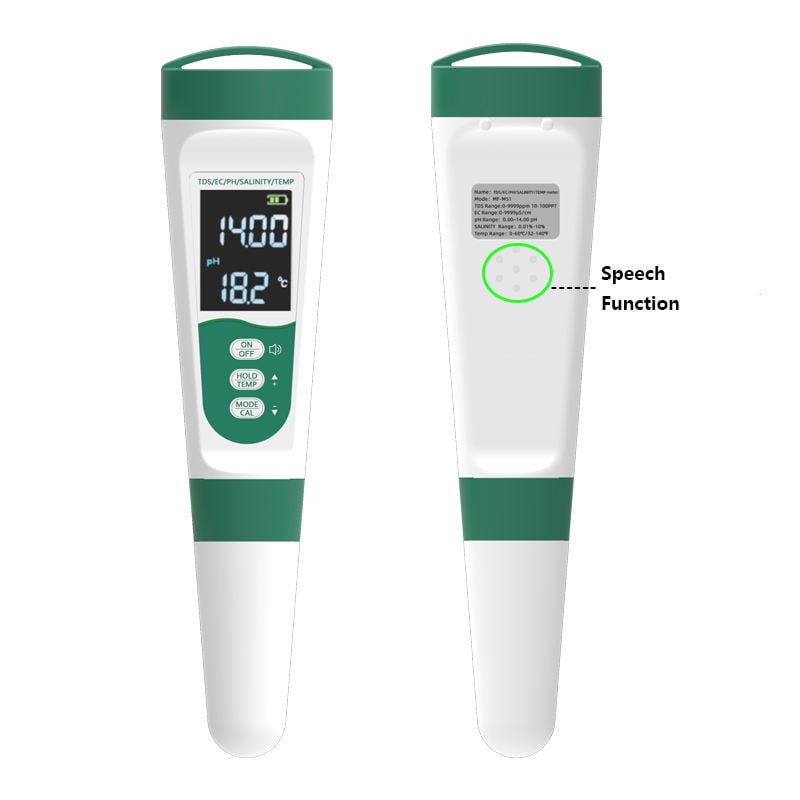
When selecting a ph meter for your laboratory or industrial application, understanding the distinctions between lab-grade and entry-level instruments is essential for achieving reliable results. Many professionals initially assume that any ph meter can deliver adequate measurements, but the reality is far more nuanced. Lab-grade ph meters and entry-level alternatives differ significantly in accuracy, build quality, calibration mechanisms, electrode durability, temperature compensation, and overall measurement reliability. These differences directly impact data integrity, operational costs, and compliance with industry standards.
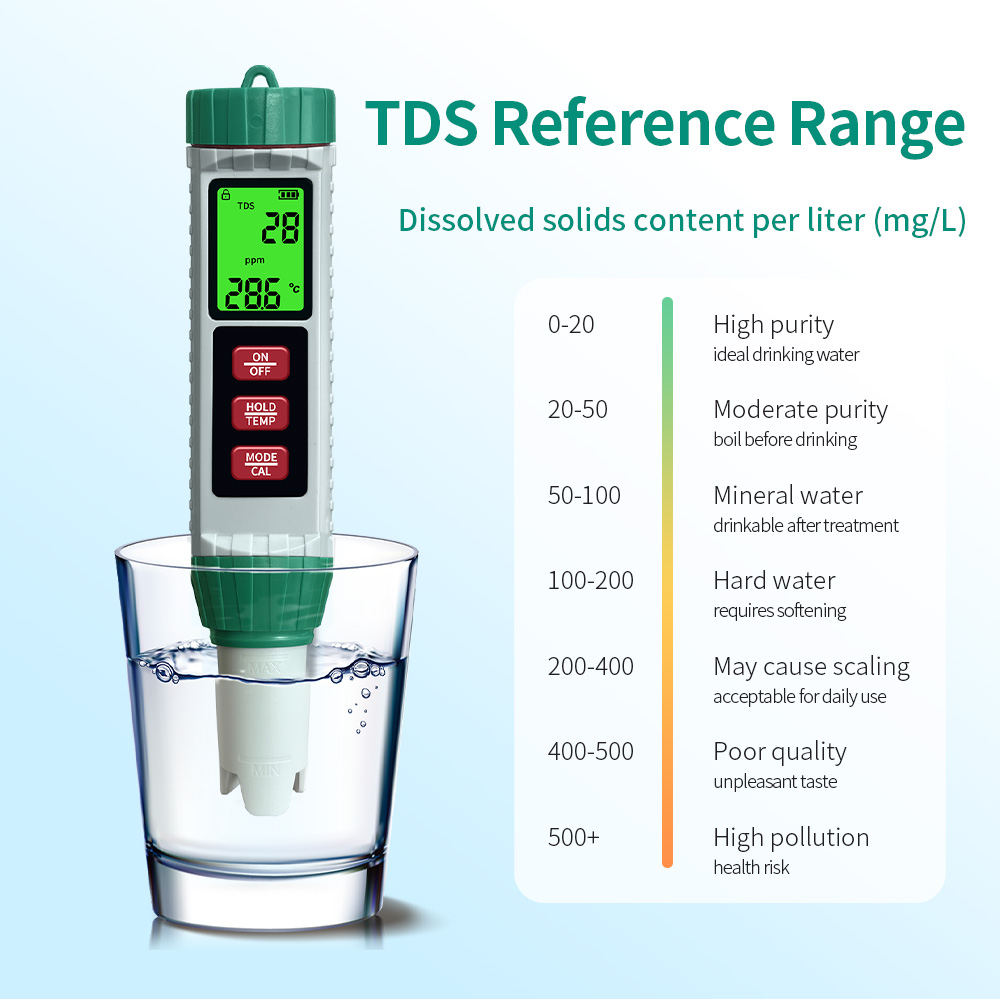
The choice between a lab-grade ph meter and an entry-level model should be driven by your specific testing requirements, sample types, and accuracy tolerance. Entry-level ph meters are often sufficient for routine monitoring in non-critical applications, while lab-grade instruments are designed for precision work, regulatory compliance, and complex analytical scenarios. Understanding these core differences empowers you to make an informed investment that aligns with your operational needs and budget constraints.
Accuracy and Measurement Precision
Defining Accuracy Standards in pH Meters
Lab-grade ph meter units typically offer accuracy ratings of ±0.01 pH units or better, whereas entry-level ph meters usually provide accuracy around ±0.1 to ±0.2 pH units. This distinction matters profoundly in applications where precise pH values determine product quality, safety, or regulatory compliance. A pharmaceutical ph meter, for instance, must detect minute pH shifts that could indicate contamination or formulation errors. An entry-level ph meter might fail to register these subtle changes, creating a false sense of security and potentially allowing substandard batches to proceed through production.
Impact on Measurement Consistency
Lab-grade ph meter instruments employ advanced signal processing, superior analog-to-digital conversion, and refined display resolution to ensure repeatable measurements across multiple readings. Entry-level ph meters often exhibit drift or inconsistent readings when measuring the same sample repeatedly, particularly in demanding environments or with aged electrodes. When your lab relies on data for trend analysis, quality assurance decisions, or regulatory documentation, the consistency advantage of a lab-grade ph meter becomes a critical operational asset rather than a luxury feature.
Electrode Quality and Sensor Technology
Electrode Composition and Durability
The electrode is the working heart of any ph meter. Lab-grade ph meter electrodes are typically constructed with specialized glass formulations, thicker walls, and enhanced reference systems that resist damage from aggressive samples, temperature extremes, and frequent handling. Entry-level ph meter electrodes often use thinner glass, simpler reference designs, and lower-grade materials, resulting in shorter lifespans and greater susceptibility to cracking, fouling, and performance degradation. A laboratory ph meter electrode designed for sustained use in harsh chemical environments will far outlast a consumer-grade alternative, reducing downtime and replacement costs over extended service periods.
Response Time and Stability
Premium ph meter sensors integrated into lab-grade instruments respond faster to pH changes and stabilize more rapidly, critical when processing large sample volumes or conducting sequential analyses. Entry-level ph meter sensors often require extended stabilization times, delaying workflow and forcing operators to implement longer waiting periods between measurements. This difference amplifies in high-throughput laboratories where efficiency directly affects operational capacity and results turnaround.
Calibration Capabilities and Temperature Compensation
Multi-Point Calibration Systems
Lab-grade ph meter instruments support automatic multi-point calibration protocols using standard buffer solutions at pH 4.0, 7.0, and 10.0 (or custom points), enabling operators to verify and correct for electrode drift and non-linearity across a broad measurement range. Many entry-level ph meter models offer only single-point or two-point calibration, which can mask non-linear electrode behavior and introduce systematic errors outside the calibration window. A properly calibrated lab-grade ph meter maintains traceability to national standards, a requirement for many regulated industries, whereas entry-level ph meter calibration practices may not satisfy rigorous audit requirements.
Automatic Temperature Compensation Technology
Temperature profoundly affects pH measurement. Lab-grade ph meter systems include precise temperature sensors and automatic temperature compensation (ATC) algorithms that dynamically adjust readings based on actual sample temperature, ensuring accuracy even in variable thermal environments. Entry-level ph meter models often lack true ATC or implement rudimentary temperature correction that introduces error when samples deviate significantly from room temperature. For applications involving hot solutions, cold reagents, or ambient temperature fluctuations, this feature determines whether your ph meter delivers reliable data or systematically biased results.
Build Quality, Durability, and Maintenance
Construction Materials and Environmental Resistance
Lab-grade ph meter housings are typically crafted from robust polymers or metal alloys with enhanced chemical resistance, rated for exposure to corrosive vapors, splash hazards, and frequent cleaning with solvents or disinfectants. Entry-level ph meter casings often use basic plastics that degrade when exposed to organic solvents or aggressive cleaning protocols. An industrial or pharmaceutical ph meter must survive rigorous daily cleaning and occasional spills without compromising electronic integrity or measurement reliability, advantages inherent to lab-grade construction philosophy.
Display Clarity and User Interface
Lab-grade ph meter displays typically feature high-resolution LCD screens with large numerals, intuitive menu navigation, data logging capabilities, and sometimes digital output ports for integration with laboratory information management systems (LIMS). Entry-level ph meter interfaces are often simpler, with smaller displays and limited feature sets, making them more suitable for straightforward, occasional measurements rather than routine laboratory workflows. The ability to store, review, and export measurement data from your ph meter is increasingly important for compliance documentation and quality audits.
FAQ
Can an entry-level ph meter work for pharmaceutical or food industry applications?
Entry-level ph meters can provide initial screening or educational purposes, but pharmaceutical and food manufacturing typically require lab-grade ph meter instruments to satisfy regulatory standards like USP, FDA, or ISO certifications. These industries mandate documented calibration, traceability to reference standards, and measurement accuracy that only lab-grade ph meter systems reliably deliver. Using an entry-level ph meter in regulated environments exposes your organization to compliance violations and product recall risks.
How often should a lab-grade ph meter be calibrated compared to an entry-level model?
Lab-grade ph meter instruments should typically be calibrated daily or before critical measurements, with quarterly verification against independent standards. Entry-level ph meter models require similar or even more frequent recalibration due to electrode drift, but their design often makes rigorous calibration protocols impractical. The investment in a quality ph meter becomes justified when proper calibration maintenance is factored into your operational workflow and compliance strategy.
What is the typical lifespan difference between lab-grade and entry-level ph meter electrodes?
Lab-grade ph meter electrodes typically last 1–3 years or longer with proper maintenance, while entry-level ph meter electrodes often degrade within 6–12 months depending on sample chemistry and storage conditions. Although premium electrodes cost more initially, the superior durability and consistent performance of a lab-grade ph meter electrode translate to lower cost-per-measurement and reduced workflow disruption from sensor failures. For active laboratories, this longevity advantage delivers measurable financial and operational benefits.