EN
EN


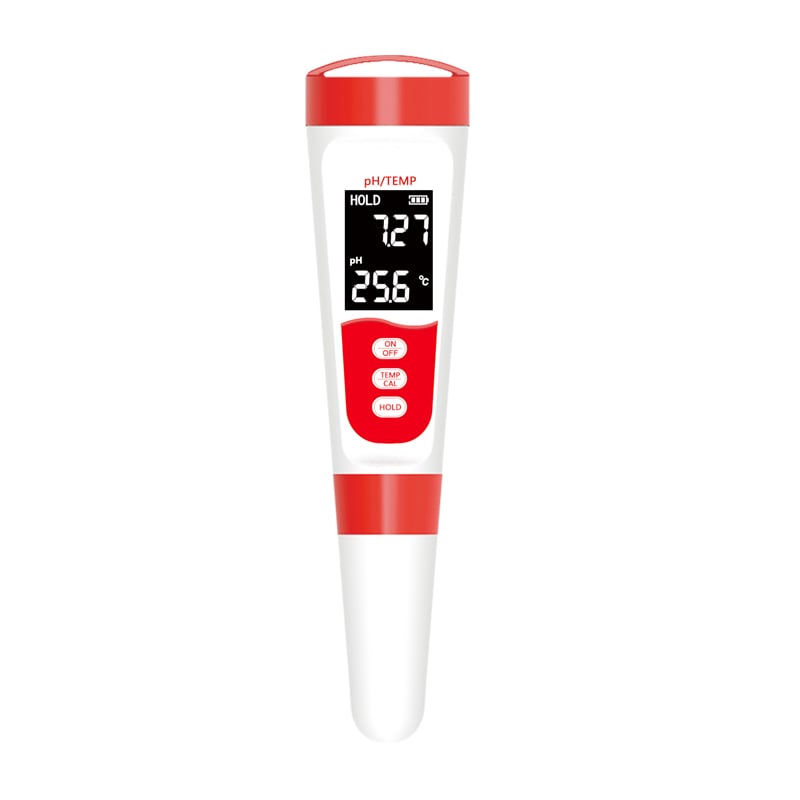
A pH meter has become an indispensable instrument across numerous industrial sectors where precision measurement and regulatory compliance drive operational success. From water treatment facilities to pharmaceutical manufacturing, the pH meter serves as a critical control point that ensures product quality, environmental safety, and process reliability. Understanding which industries depend most heavily on pH meter technology reveals why investment in accurate testing equipment directly impacts both profitability and regulatory adherence in modern industrial operations.
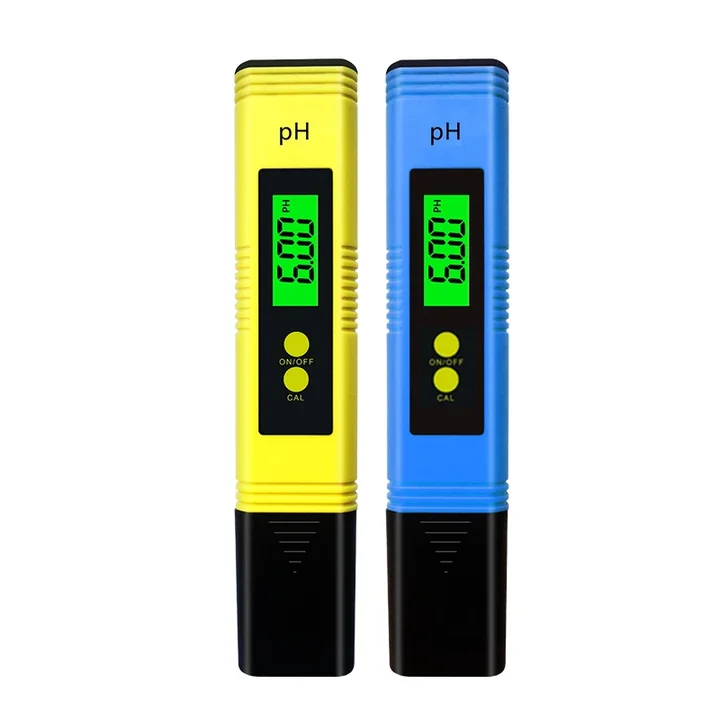
The demand for reliable pH meter systems extends across diverse industries because pH directly influences chemical reactions, microbial growth, product stability, and environmental compliance. Organizations that implement daily pH meter quality control protocols reduce the risk of batch failures, spoilage, contamination, and costly regulatory penalties. This article explores the primary industries where pH meter technology forms the backbone of quality assurance operations.
Water Treatment and Municipal Operations
Drinking Water Safety and pH Meter Testing
Municipal water treatment plants operate under strict regulatory mandates that require continuous pH meter monitoring to ensure drinking water remains safe for public consumption. Water authorities use pH meter devices throughout treatment processes, including coagulation, filtration, and disinfection stages, where pH balance directly affects chemical effectiveness and corrosion control. A properly calibrated pH meter allows operators to maintain ideal pH ranges, typically between 6.5 and 8.5, preventing pipe deterioration and ensuring chlorine disinfection efficiency. Daily pH meter quality control checks form part of the mandatory testing protocols that municipalities must document for compliance with drinking water standards.
Wastewater Treatment Applications
Wastewater treatment facilities rely on consistent pH meter measurements to manage chemical coagulation, biological treatment processes, and final effluent standards before discharge into natural water bodies. Environmental regulations impose strict limits on pH levels in treated wastewater, and treatment operators depend on accurate pH meter readings to prevent ecological damage and avoid substantial fines. The pH meter serves as a real-time feedback tool that helps operators adjust chemical dosing and aeration rates to maintain optimal treatment conditions. Many treatment plants now employ automated pH meter monitoring systems that continuously track pH fluctuations and trigger alerts when readings drift outside acceptable ranges.
Food and Beverage Manufacturing
Preservation and Shelf Life Control
Food manufacturers understand that pH meter precision directly correlates with product safety, shelf life, and consumer acceptability across virtually all food categories including beverages, dairy, sauces, and preserved goods. Acidic environments inhibit pathogenic bacteria growth, making pH meter testing essential for determining safe shelf life and storage conditions without excessive preservatives. Beverage producers use pH meter devices to maintain consistent flavor profiles and carbonation stability, while juice and sauce manufacturers rely on pH meter measurements to prevent spoilage and ensure batch-to-batch uniformity. Quality assurance teams conduct daily pH meter tests on production samples to verify that finished products meet internal specifications and regulatory requirements for food safety.
Dairy and Fermentation Processes
The dairy industry utilizes pH meter technology to monitor milk fermentation, yogurt production, and cheese making, where pH evolution determines the success or failure of microbial cultures. Precise pH meter control ensures that beneficial lactobacillus bacteria can proliferate while pathogenic organisms remain suppressed, resulting in products with desired taste, texture, and nutritional profiles. Fermentation-based beverage production, including kombucha, kefir, and traditional fermented products, equally depends on continuous pH meter monitoring to prevent contamination and ensure product consistency. Operators who neglect pH meter quality control in these processes risk culture failure, off-flavors, and loss of entire production batches worth significant revenue.
Pharmaceutical and Chemical Manufacturing
API Synthesis and Drug Quality
Pharmaceutical companies operating under Good Manufacturing Practice (GMP) regulations mandate daily pH meter quality control as a non-negotiable element of batch documentation and traceability systems. Active pharmaceutical ingredients require pH meter precision during synthesis, purification, and formulation stages because pH variations can trigger unwanted side reactions, reduce yield, or compromise therapeutic efficacy. A deviation in pH meter readings during manufacturing immediately triggers investigation protocols and potential batch rejection, demonstrating the critical role accurate pH meter technology plays in pharmaceutical safety. Regulatory inspectors routinely verify that manufacturing facilities maintain calibrated pH meter equipment with documented testing records covering every production batch.
Cosmetics and Personal Care Production
Cosmetics and personal care manufacturers employ pH meter systems to formulate products that remain gentle on skin, prevent irritation, and maintain stability throughout shelf life. Skincare products, shampoos, and soaps require specific pH ranges to prevent dermis irritation and function as intended, making pH meter accuracy a fundamental quality metric in product development and manufacturing. Daily pH meter checks on raw materials and intermediate formulations allow quality teams to detect supplier variations or contamination early, preventing defective product release. The cosmetics industry's emphasis on skin safety and product performance creates a substantial market for reliable pH meter instruments used in quality control laboratories.
Agriculture and Aquaculture Industries
Soil Management and Crop Optimization
Agricultural operations increasingly adopt soil pH meter testing to optimize nutrient availability, microbial activity, and crop yield across diverse farming systems and soil types. Farmers recognize that pH meter readings guide lime or sulfur application decisions, directly impacting fertilizer efficiency and long-term soil health investments. Precision agriculture programs integrate pH meter data collection with digital mapping tools, enabling targeted soil amendments that reduce input costs while improving environmental stewardship. Agricultural extension services recommend regular pH meter testing as foundational practice for sustainable crop production, making pH meter technology accessible to farming operations of all scales.
Aquaculture and Aquarium Operations
Aquaculture facilities and commercial aquarium operations depend on continuous pH meter monitoring to maintain water conditions that support fish health, minimize stress, and prevent disease outbreaks among farmed or displayed populations. Different aquatic species thrive within specific pH ranges, and operators use pH meter devices daily to ensure water parameters remain within optimal bands despite biological waste accumulation and seasonal variations. Large-scale aquaculture operations employ automated pH meter systems connected to control mechanisms that adjust aeration or chemical dosing to maintain stability. Hatcheries and breeding programs particularly rely on pH meter precision to create stable environments where young fish experience minimal environmental shock and achieve maximum survival rates.
Laboratory and Research Applications
Quality Assurance and Testing Protocols
Industrial laboratories conducting routine quality control, environmental testing, and materials analysis maintain pH meter equipment as standard instrumentation alongside other analytical tools and testing devices. ISO-certified laboratories calibrate and verify pH meter accuracy using standardized buffer solutions at regular intervals to maintain accreditation status and ensure testing validity. Environmental testing labs use pH meter measurements in soil samples, water samples, and waste stream samples to generate compliance documentation required by environmental agencies. Research institutions investigating chemical processes, biological systems, or material properties routinely employ pH meter technology to collect data that informs experimental conclusions and peer-reviewed publications.
FAQ
Which industry uses pH meter testing most frequently?
Water treatment and food manufacturing industries conduct the most frequent pH meter testing, often multiple times daily across different process stages. Municipal water systems must maintain continuous pH meter monitoring to meet regulatory requirements, while food manufacturers run pH meter tests on each production batch to ensure consumer safety and product consistency. These industries cannot operate without validated pH meter equipment and trained personnel capable of interpreting results accurately.
Why is pH meter calibration essential for quality control?
pH meter calibration ensures that measurements reflect true sample conditions, preventing systematic errors that could invalidate quality control decisions and trigger process adjustments based on inaccurate data. Uncalibrated pH meter instruments can drift significantly, leading to false acceptance of out-of-spec batches or unnecessary rejection of acceptable products. Regular pH meter calibration using certified buffer solutions maintains measurement accuracy and provides documentation that satisfies regulatory audits and ISO standards verification.
How do industries choose between portable and bench-top pH meter systems?
Portable pH meter devices offer flexibility for field testing and multi-location sampling, making them ideal for agriculture, environmental monitoring, and initial process troubleshooting. Bench-top pH meter systems provide superior accuracy and stability for high-throughput laboratory testing where numerous samples require processing throughout each shift. Many industrial operations maintain both types of pH meter equipment to serve different operational needs while optimizing efficiency and measurement reliability across testing scenarios.