EN
EN


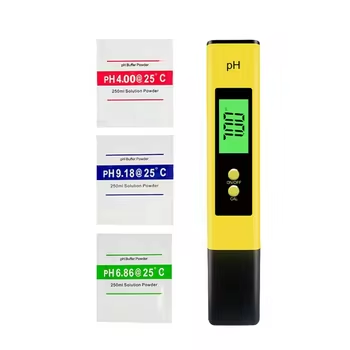
Accurate water quality measurement depends critically on proper pH meter maintenance and calibration. A pH meter that drifts out of calibration can produce misleading readings, leading to poor treatment decisions in laboratories, manufacturing plants, aquaculture facilities, and water treatment operations. Understanding the correct calibration frequency for your pH meter is essential to maintaining data integrity and ensuring compliance with industry standards.
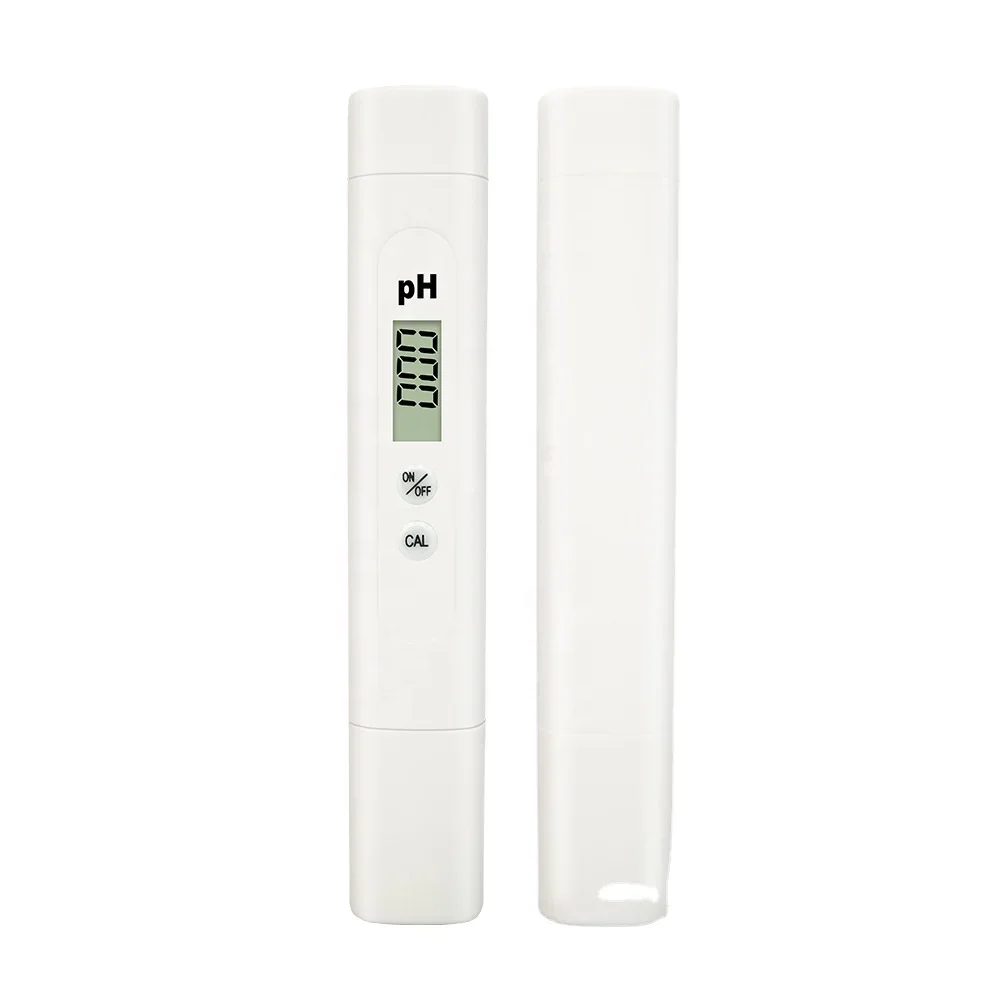
The frequency at which you should calibrate your pH meter depends on several factors, including the type of meter, usage intensity, environmental conditions, and measurement accuracy requirements. Regular calibration ensures your pH meter delivers precise readings every time you use it, protecting your processes and results from costly errors.
Recommended pH Meter Calibration Frequency
Daily Calibration for High-Accuracy Applications
Many professional laboratories and quality control departments calibrate their pH meter daily before taking measurements. This daily calibration routine is especially critical in pharmaceutical manufacturing, food processing, and clinical settings where measurement precision directly affects product safety and regulatory compliance. A pH meter used daily should be calibrated at the start of each work shift using standard buffer solutions. This practice ensures your pH meter remains within acceptable accuracy tolerances throughout the day.
Daily calibration of a pH meter typically involves two-point or three-point calibration using pH 4.0, 7.0, and sometimes 10.0 buffer solutions. The specific pH meter calibration points you choose should bracket the expected pH range of your samples. If your pH meter will measure acidic solutions, calibrate against pH 4.0 and 7.0 buffers. For alkaline applications, use pH 7.0 and 10.0 buffers with your pH meter.
Weekly or Bi-Weekly Calibration for Routine Testing
If your pH meter is used less intensively, weekly or bi-weekly calibration may be sufficient. Aquariums, swimming pools, and field water testing operations often follow a weekly calibration schedule for their pH meter. A pH meter stored in stable environmental conditions with moderate use can maintain accuracy across this longer interval. However, your pH meter should still be checked before critical measurements or when results seem questionable.
Environmental factors influence how often your pH meter requires calibration. A pH meter kept in a temperature-controlled laboratory needs less frequent calibration than one exposed to temperature fluctuations, moisture, or dust. Your pH meter sensor can drift more rapidly in harsh field conditions, necessitating more regular calibration cycles for field-deployed pH meter equipment.
Factors Affecting pH Meter Calibration Intervals
Usage Intensity and Environmental Conditions
The frequency of your pH meter use directly impacts calibration schedules. A pH meter used continuously throughout the day will need more frequent calibration than one used occasionally. Additionally, your pH meter sensor ages faster in harsh conditions—extreme temperatures, high humidity, or exposure to chemical vapors accelerate sensor drift in a pH meter. After each field measurement, your pH meter should be rinsed and stored properly to minimize degradation between calibrations.
Temperature stability affects your pH meter accuracy significantly. A pH meter stored in a temperature-controlled room maintains calibration longer than one subjected to thermal cycling. If your pH meter is moved between environments with different temperatures, allow it to reach thermal equilibrium before calibration. The electrode within your pH meter contains a reference electrolyte that can be affected by temperature changes, making temperature control crucial for pH meter performance.
Sensor Age and Electrode Condition
Your pH meter sensor has a finite lifespan, typically 12 to 24 months depending on usage and storage conditions. As your pH meter sensor ages, it requires more frequent calibration to maintain accuracy. An older pH meter electrode may show increased noise, slower response times, or difficulty achieving stable readings. If your pH meter consistently requires recalibration shortly after each calibration, the sensor may be near the end of its useful life and should be replaced.
The glass membrane of your pH meter electrode gradually becomes less responsive over time. Your pH meter may show normal response in neutral solutions but struggle with extreme pH values. When your pH meter shows these symptoms, increased calibration frequency becomes necessary until you can replace the electrode or obtain a new pH meter unit.
Best Practices for Effective pH Meter Calibration
Proper Storage and Electrode Maintenance
Between uses, store your pH meter in a protective case in a cool, dry location. Many professionals keep their pH meter stored with the electrode tip immersed in a storage solution to prevent the membrane from drying out. Your pH meter electrode must never be allowed to dry completely, as this causes irreversible damage. Before each calibration of your pH meter, rinse the electrode with distilled water and gently blot it dry with a soft tissue.
When not in use for extended periods, prepare your pH meter for storage by placing the electrode in a storage buffer or distilled water. Your pH meter may need recalibration before use if it has been stored for more than a few weeks. This pre-use calibration of your pH meter ensures accuracy when you resume measurements after a storage period.
Documentation and Traceability
Maintain a calibration log for your pH meter to track all calibration dates, buffer solutions used, and calibration results. This documentation of your pH meter calibration history supports regulatory compliance and helps identify patterns in sensor drift. Many quality assurance programs require that your pH meter calibration records include the names of buffer solutions, ambient temperature during calibration, and the time spent allowing your pH meter to stabilize. Proper record-keeping transforms your pH meter into a validated measurement instrument.
If your pH meter is used in regulated industries such as pharmaceuticals, food safety, or environmental monitoring, regulatory standards may specify minimum calibration frequencies for your pH meter. These standards often require that your pH meter be calibrated with traceable buffer solutions and that all calibration data be documented. Verify the specific requirements for your pH meter application by consulting relevant quality standards and industry guidelines.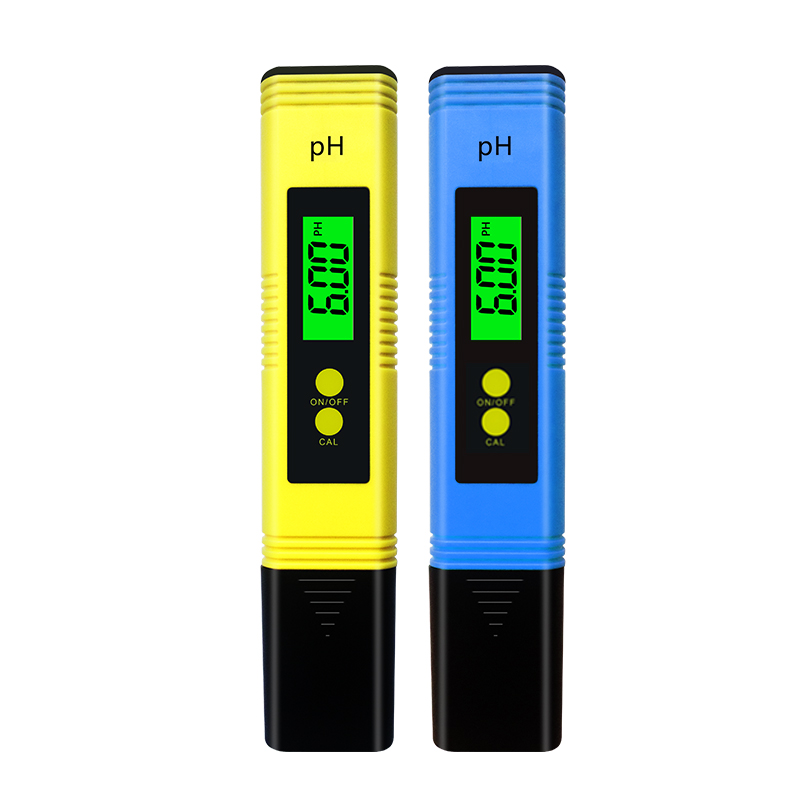
FAQ
How do I know when my pH meter needs calibration?
Your pH meter typically shows signs that it needs calibration, including slow response times to sample changes, readings that seem inconsistent with expected values, or difficulty achieving stability in buffer solutions. If measurements from your pH meter produce unexpected results or if your pH meter displays unstable readings that fluctuate significantly, calibration is warranted. Following your manufacturer's recommended schedule ensures your pH meter remains within acceptable accuracy limits.
Can I calibrate my pH meter less frequently than recommended?
While skipping calibrations may be tempting, inaccurate readings from an uncalibrated pH meter can compromise your results far more than the time spent on regular calibration. In regulated applications, using a pH meter without following the prescribed calibration schedule may violate compliance requirements. For critical measurements, your pH meter should follow the recommended calibration frequency to ensure data reliability and legal compliance.
What buffer solutions should I use for my pH meter?
Standard buffer solutions for your pH meter calibration come in pH 4.0, 7.0, and 10.0, with pH 7.0 being neutral. The specific buffers for your pH meter should bracket the expected pH range of your samples. Always use fresh buffer solutions when calibrating your pH meter, as opened buffers can absorb carbon dioxide or become contaminated over time, compromising your pH meter accuracy.