EN
EN


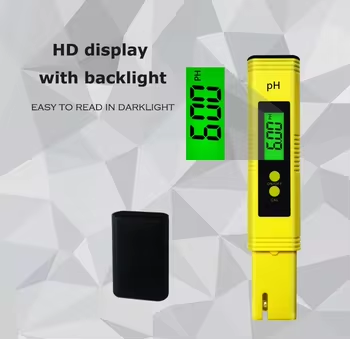
The lifespan of a pH meter electrode is one of the most critical factors determining the long-term value of your water quality testing investment. Understanding what affects electrode durability helps you maintain measurement accuracy and reduce replacement costs significantly. A properly maintained pH meter can deliver reliable results for years, but without knowledge of the key factors influencing electrode performance, you may experience premature failure, inconsistent readings, and unexpected downtime in your testing operations.
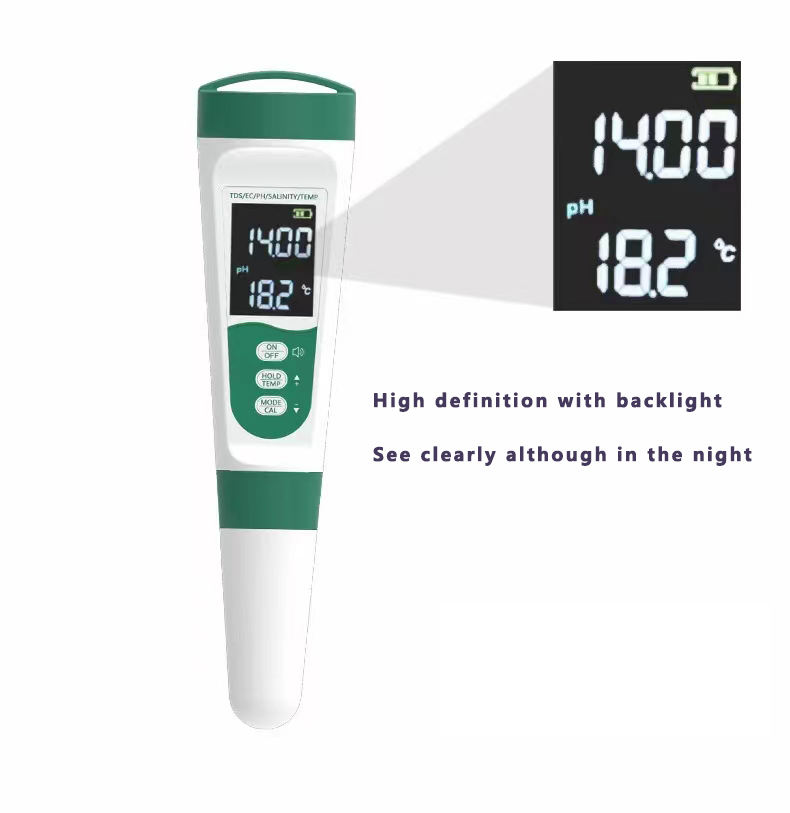
The pH meter electrode is a delicate sensor that responds to hydrogen ion concentration in solutions, and its longevity depends on proper storage, usage conditions, and maintenance practices. Whether you operate a pH meter for laboratory analysis, industrial process monitoring, or field water quality testing, recognizing the specific factors that degrade electrode function is essential for achieving optimal performance. This guide explores the primary determinants of pH meter electrode lifespan and provides practical strategies to maximize durability and measurement reliability.
Environmental Storage and Usage Conditions
Impact of Storage Temperature and Humidity
Environmental conditions during storage profoundly affect pH meter electrode longevity. Extreme temperature fluctuations cause the glass membrane of a pH meter electrode to become brittle and crack, while very low temperatures can freeze the internal electrolyte solution inside the pH meter sensor, leading to permanent damage. Conversely, storing your pH meter in excessively hot environments accelerates chemical degradation of the electrode membrane and shortens overall pH meter lifespan. The ideal storage temperature for a pH meter is between 15°C and 25°C, maintaining a stable internal electrolyte that preserves electrode function and ensures accurate pH meter readings over extended periods.
Humidity levels also influence pH meter electrode performance during storage and daily use. High humidity can promote mold growth on the pH meter casing and corrode metal components, while low humidity dries out the electrode junction, reducing the conductivity necessary for proper pH meter signal transmission. Storing your pH meter in a humidity-controlled environment between 30% and 70% relative humidity protects the electrode from environmental degradation and extends the functional pH meter lifespan significantly.
Exposure to Chemical and Physical Stress
Direct exposure to harsh chemicals accelerates deterioration of a pH meter electrode. Strong acids and bases, organic solvents, and oxidizing agents gradually dissolve or damage the glass membrane that defines the sensitive element of any pH meter. If your pH meter electrode contacts concentrated solutions or remains immersed in corrosive liquids for extended periods, the membrane becomes weakened, compromising the pH meter measurement accuracy and drastically reducing electrode lifespan. Similarly, physical shock, dropping, or rough handling of a pH meter can crack the fragile electrode tip, making the device unusable and requiring immediate replacement of the pH meter sensor.
Protecting your pH meter electrode from unnecessary physical stress during transport and storage directly impacts the longevity of your testing equipment. Using a protective carrying case, securing the pH meter cap over the electrode, and handling the device with care prevents accidental damage that would otherwise shorten pH meter lifespan prematurely. Industrial environments where the pH meter faces vibration, temperature cycling, or spatial constraints demand extra attention to physical protection strategies.
Cleaning, Maintenance, and Proper Storage Protocols
Regular Cleaning and Maintenance Schedules
Routine cleaning of your pH meter electrode removes sample residues, deposits, and contaminants that accumulate during use and gradually impair performance. After each measurement session, rinse the pH meter electrode tip with distilled water to eliminate sample particles and salt buildup that otherwise dry on the electrode surface and interfere with accurate pH meter readings. For the pH meter used in more demanding applications, a deeper cleaning with a soft brush or lint-free cloth removes stubborn deposits without damaging the sensitive membrane of the electrode. Establishing a consistent cleaning protocol for your pH meter directly correlates with extended electrode lifespan and maintained measurement precision throughout the device's operational life.
Beyond daily rinsing, periodic storage of your pH meter electrode in a conditioning solution—typically a pH 4 or pH 7 buffer solution—maintains the hydration level of the electrode membrane and preserves its ionic conductivity. This conditioning process, performed weekly or monthly depending on usage frequency, regenerates the electrode surface and restores optimal pH meter performance characteristics. Neglecting this maintenance step accelerates electrode aging and reduces the overall pH meter lifespan by months or even years.
Proper Storage Between Use Sessions
How you store your pH meter electrode between measurement sessions significantly determines how long the electrode remains functional. Leaving the pH meter electrode exposed to air causes the sensitive glass membrane to dry out, disrupting the ionic balance required for accurate pH meter signal generation. The best practice for extending pH meter lifespan is to store the electrode in a storage solution—usually a neutral pH buffer or a specialized pH meter electrode storage liquid—that keeps the membrane hydrated and maintains the internal electrolyte composition. Storing your pH meter with the electrode submerged in the appropriate solution ensures that when you retrieve the device for the next measurement, the pH meter is ready for immediate use without degradation.
Some pH meter models include a protective cap with a moisturizing sponge that maintains electrode hydration during storage, extending pH meter lifespan considerably. Always ensure the electrode cap is sealed tightly over the pH meter sensor when not in use, as this simple step prevents dehydration and contamination. Additionally, store your pH meter in an upright position rather than on its side to prevent accidental spillage of the internal electrolyte and potential damage to sensitive pH meter components.
Sample Matrix Effects and Usage Patterns
Solution Type and Measurement Frequency
The specific solutions you measure with your pH meter directly influence electrode degradation rates. Measuring primarily neutral solutions causes minimal stress to the pH meter electrode, whereas frequent analysis of extremely acidic or alkaline samples accelerates membrane damage and shortens pH meter lifespan. Samples containing suspended solids, oils, or proteins create additional challenges for your pH meter electrode, as these substances coat the membrane surface and reduce sensor responsiveness, eventually causing permanent loss of pH meter accuracy if not properly cleaned between measurements. High-frequency usage patterns—such as continuous pH meter operation in industrial process monitoring—naturally increase the total stress on the electrode and compress the overall pH meter lifespan compared to occasional laboratory use.
Understanding your specific measurement application helps you anticipate electrode replacement intervals for your pH meter. Industrial facilities operating a pH meter throughout multiple shifts daily should expect shorter electrode life than research laboratories where pH meter use is periodic. Planning maintenance and replacement schedules based on your actual usage patterns ensures your pH meter remains reliable and prevents unexpected sensor failures during critical measurements.
Cross-Contamination and Measurement Accuracy Decay
Cross-contamination occurs when residual sample material from a previous pH meter measurement interferes with subsequent readings, gradually degrading the electrode's ability to respond accurately. Each time you use your pH meter on progressively different sample types without thorough cleaning, microscopic particles accumulate on the electrode surface, creating a film that dampens the sensor response. This accumulation process directly reduces pH meter electrode lifespan by promoting accelerated membrane degradation and causing drift in measurement accuracy. Implementing strict rinsing protocols between samples—especially when transitioning between samples with vastly different pH values—minimizes cross-contamination and preserves your pH meter electrode's functional lifespan significantly.
FAQ
How often should I replace my pH meter electrode?
The replacement frequency for a pH meter electrode varies based on usage intensity, storage practices, and sample types measured. Under ideal conditions with proper maintenance, a pH meter electrode typically lasts between one and two years for regular laboratory use, while industrial applications may require replacement every six months to one year. Monitor your pH meter readings for increasing drift or slower response times, as these signals indicate the electrode is aging and should be replaced soon to maintain measurement accuracy.
Can I extend my pH meter electrode lifespan through better storage practices?
Yes, proper storage is one of the most effective ways to extend your pH meter electrode lifespan. Storing the pH meter electrode in a buffered storage solution, maintaining stable temperature and humidity, and protecting the electrode from physical damage can extend the functional life of your pH meter by several months or longer. Consistent implementation of these storage protocols significantly reduces the frequency of electrode replacements and lowers your overall pH meter maintenance costs over time.
What signs indicate my pH meter electrode needs replacement?
Your pH meter electrode requires replacement when readings become erratic, the response time increases noticeably, or calibration becomes impossible despite proper procedure. Visible cracks or cloudiness on the electrode glass, persistent measurement drift even after recalibration, or complete failure to respond to known reference standards all indicate that your pH meter electrode has reached the end of its functional lifespan and replacement is necessary for continued reliable testing.