EN
EN


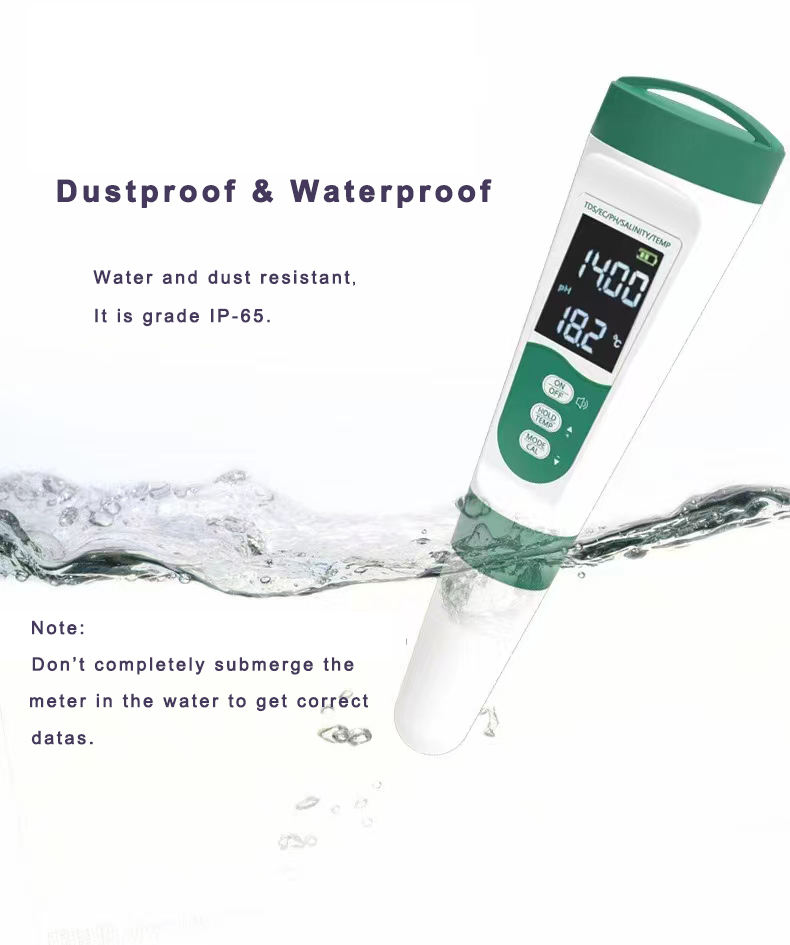
Water treatment plants operate under stringent regulatory requirements that demand absolute accuracy in water quality monitoring. A pH meter is one of the most critical instruments in any water treatment facility, yet the need for high-precision pH meter systems goes far beyond simple compliance. Modern water treatment plants must maintain exact chemical balances, prevent corrosion in pipes, ensure public health safety, and optimize treatment processes in real time. Without reliable pH meter technology, treatment operators cannot make informed decisions about chemical dosing, coagulation efficiency, or disinfection effectiveness. The stakes are extraordinarily high: inadequate pH meter readings can result in regulatory violations, system failures, and public health risks that affect thousands of residents.
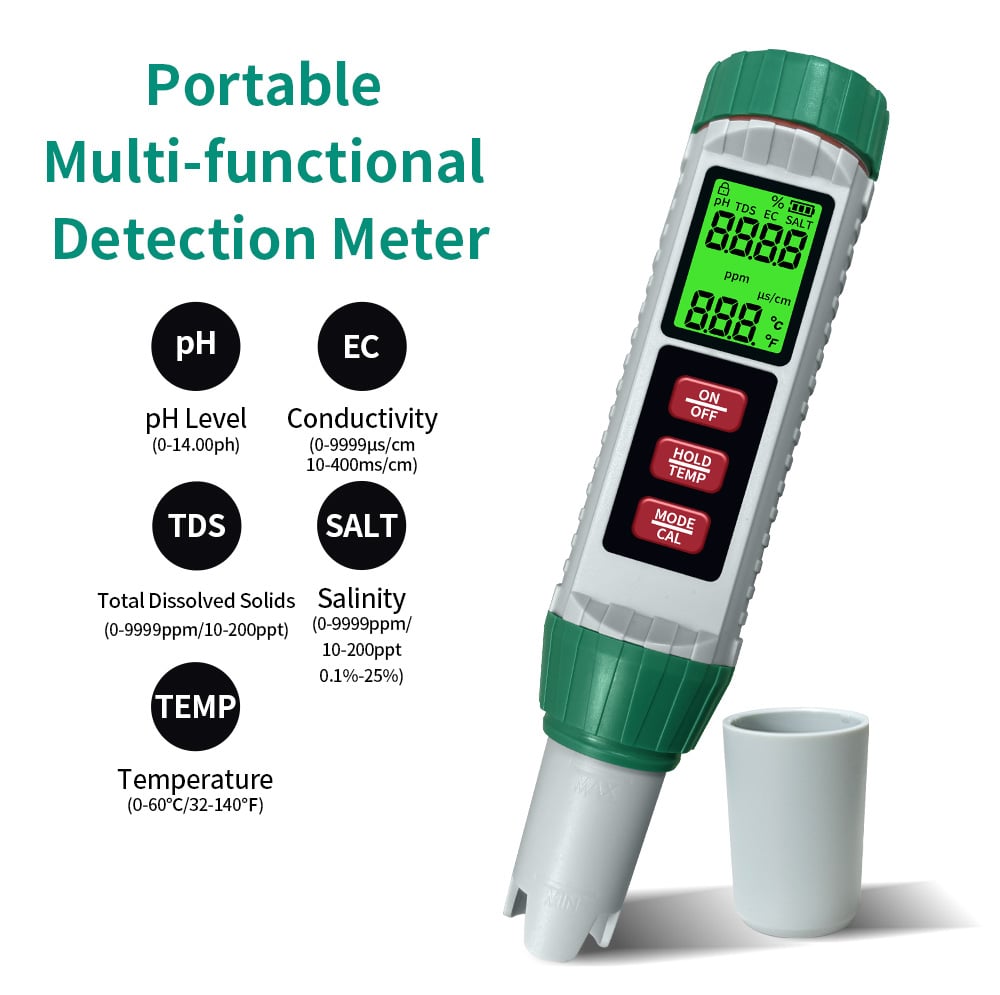
The demand for high-precision pH meter systems has intensified as municipalities and industrial water providers face increasingly complex treatment challenges. Water sources vary dramatically in their chemical composition, from soft groundwater to hard surface water laden with organic matter and minerals. Each source requires tailored treatment protocols, and a pH meter must provide reliable feedback throughout the entire treatment process. Furthermore, aging infrastructure, climate variations, and regulatory changes continue to raise the bar for water quality standards. Water treatment plants that invest in advanced pH meter technology gain competitive advantages in operational efficiency, cost savings, and regulatory assurance.
Understanding the Critical Role of pH Meter Technology in Treatment Operations
The Science Behind pH Meter Accuracy in Water Treatment
Every water treatment plant depends on precise pH meter readings to control the fundamental chemistry of water conditioning. pH determines whether water is acidic, neutral, or alkaline, and this balance directly impacts the effectiveness of every treatment step. Coagulation and flocculation—processes that remove suspended particles—depend on specific pH ranges to work optimally. If a pH meter fails to detect pH drift, operators cannot adjust chemical feed rates correctly, leading to poor particle removal and turbidity spikes. Additionally, corrosion control is impossible without accurate pH meter data; distribution systems require alkalinity and pH meter readings within precise windows to minimize pipe deterioration and lead leaching.
How pH Meter Precision Prevents System Failures
A high-precision pH meter provides operators with the real-time feedback necessary to prevent cascading system failures. When a pH meter drifts or provides inaccurate readings, treatment processes become inefficient and costly. Chlorine disinfection effectiveness depends on pH meter values; chlorine is far more effective at lower pH levels, so a faulty pH meter can lead to under-disinfection and pathogen survival. Conversely, over-adjustment based on poor pH meter data wastes chemicals and increases treatment costs. High-precision pH meter systems eliminate guesswork and enable proactive process control, reducing downtime and emergency response scenarios that disrupt water service to communities.
Regulatory Compliance and Public Health Imperatives
Meeting EPA and State Water Quality Standards
The Environmental Protection Agency (EPA) and state regulatory agencies mandate that water treatment plants maintain detailed records of pH meter measurements throughout the treatment process. These regulations exist because pH meter accuracy directly affects public health outcomes. The Stage 2 Disinfection and Disinfection By-Products (DBP) Rule requires tight pH meter control to balance disinfection effectiveness with DBP minimization. Surface Water Treatment Rule compliance also depends on continuous pH meter monitoring at multiple points in the facility. Treatment plants that fail pH meter compliance can face significant fines, operational restrictions, or loss of operating permits. A high-precision pH meter system ensures that all monitoring points generate defensible, accurate data for regulatory submissions and inspections.
Documentation and Audit Trail Requirements
Modern pH meter systems must integrate with SCADA (Supervisory Control and Data Acquisition) infrastructure to create continuous audit trails of water quality. Regulators and public health officials expect water treatment plants to demonstrate that every batch of treated water met pH meter specifications before distribution. High-precision pH meter instruments that integrate with automated logging systems eliminate manual data entry errors and provide irrefutable evidence of compliance. Digital pH meter records also support incident investigations, help identify root causes of taste-and-odor complaints, and protect utilities from liability claims. Investing in advanced pH meter technology demonstrates a treatment plant's commitment to transparency and accountability in water quality stewardship.
Operational Efficiency and Cost Optimization Through pH Meter Accuracy
Optimizing Chemical Dosing Based on pH Meter Data
Chemical costs represent a substantial portion of water treatment plant operating budgets, and precise pH meter monitoring directly impacts chemical efficiency. Lime softening plants rely on accurate pH meter readings to determine exactly how much alkalinity adjustment is needed, preventing over-treatment that wastes costly chemicals. Advanced pH meter systems allow operators to establish feedback loops that automatically adjust chemical feed rates within safe operating windows. When a pH meter consistently provides accurate data, treatment plants can reduce coagulant overdosing, lower sludge production, and minimize chemical waste. Over time, these pH meter-driven efficiency gains translate into significant cost savings that offset the initial investment in high-precision instrumentation.
Predictive Maintenance and System Longevity Through pH Meter Monitoring
A high-precision pH meter system enables operators to detect early signs of equipment deterioration, water source contamination, or process anomalies before they escalate into expensive failures. Subtle pH meter trending patterns may reveal changes in raw water quality that warrant source protection investigations or changes to pretreatment protocols. pH meter data integration with asset management systems allows treatment plants to schedule preventive maintenance on corrosion-prone pipe sections, estimate membrane life in advanced treatment systems, and plan capital improvements strategically. By continuously analyzing pH meter trends, operators transform water quality monitoring from a compliance checkbox into a strategic business intelligence tool that extends system life and reduces unplanned outages.
FAQ
What specifications make a pH meter 'high-precision' for water treatment applications?
A high-precision pH meter typically maintains accuracy within ±0.1 pH units, includes temperature compensation to account for environmental fluctuations, and provides digital data logging for regulatory documentation. Premium pH meter systems also feature automatic calibration alerts, multi-point calibration capability, and robust electrode designs that withstand harsh treatment chemicals. Water treatment operators should verify that pH meter equipment meets EPA and NSF standards before purchase to ensure compliance with regulatory expectations.
How often should water treatment plants calibrate their pH meter systems?
Industry best practices recommend calibrating pH meter instruments at least once daily during normal operation, with additional calibrations before regulatory inspections or if treatment processes change significantly. High-precision pH meter systems should use fresh, quality calibration buffers at pH 4.0 and pH 10.0 to verify sensor accuracy across the expected operating range. Some water treatment plants perform calibration multiple times per shift if pH meter readings show unexpected drift or if raw water quality changes rapidly. A documented pH meter calibration log demonstrates due diligence and supports regulatory compliance during audits.
Can high-precision pH meter systems reduce overall water treatment costs?
Yes, accurate pH meter monitoring reduces chemical waste, minimizes sludge production, prevents costly process upsets, and extends equipment life, resulting in net cost savings that typically exceed the initial investment within two to three years. Real-time pH meter feedback enables operators to optimize treatment efficiency continuously, avoiding over-treatment and the associated waste disposal expenses. Water treatment plants that upgrade to modern pH meter technology often find that improved operational visibility enables them to reduce staffing requirements for manual monitoring and reporting tasks.